5 Biggest Flops by Big Tech Companies
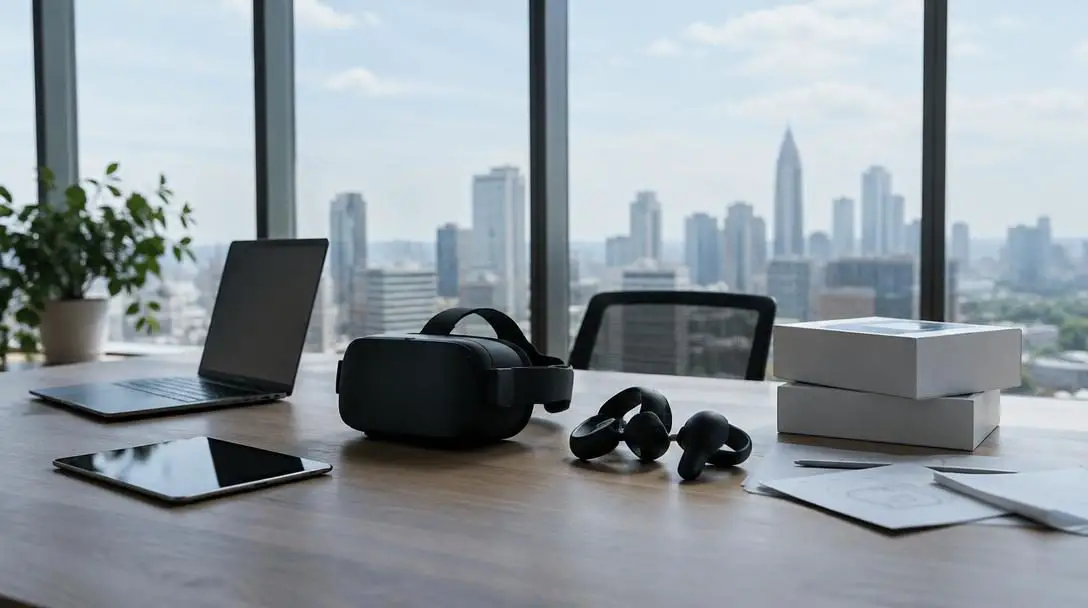
In the technology industry, innovation carries an exceptionally high risk profile. As corporate giants race to introduce groundbreaking platforms, even organizations with vast financial reserves, world-class engineering teams, and dominant marketing arms can stumble dramatically. When an ambitious concept fails to align with consumer habits, daily ergonomics, or practical market readiness, the resulting collapse often turns an anticipated revolution into an embarrassing corporate footnote.
A failed rollout is rarely just a case of bad luck; it is usually an instructive breakdown in product strategy, software testing, or ecosystem management. By examining five of the most notorious missteps from industry titans—HD DVD, the Segway, Windows Me, Apple Maps, and Google Glass—technology professionals and industry observers can uncover the critical mechanics that separate lasting consumer staples from expensive, cautionary failures.
Key takeaways
- Technological capability alone cannot compensate for poor ecosystem partnerships, as seen when studio backing doomed HD DVD in favor of Blu-Ray.
- High price tags and awkward real-world ergonomics prevent even innovative engineering feats like the Segway from achieving everyday adoption.
- Rushing unstable software to market severely damages user trust, prompting customers to abandon platforms like Windows Me and early Apple Maps.
- Consumer hardware that violates social comfort and raises privacy concerns faces swift public rejection, an obstacle that grounded Google Glass.
At a glance: Five high-profile tech missteps
| Product | Primary Developer | Primary Vulnerability | Ultimate Outcome |
|---|---|---|---|
| HD DVD | Toshiba & NEC | Studio support defected to Blu-Ray format | Discontinued after Toshiba lost over $1 billion |
| Segway | Dean Kamen | Clunky form factor, high cost, pedestrian mismatch | Sold off; failed to become mainstream transport |
| Windows Me | Microsoft | Severe software instability, bugs, and sluggishness | Shelved after approximately one year on the market |
| Apple Maps | Apple | Distorted cartography, voids, and buggy navigation | Prompted major public backlash and rival map downloads |
| Google Glass | Public privacy concerns regarding eye-level recording | Consumer sales halted in 2015; shifted to enterprise |
Five historic product misfires
Each of the following products entered the market backed by immense corporate confidence, only to encounter structural, social, or software-driven roadblocks that doomed their widespread consumer appeal.
HD DVD

- Developers: Toshiba and NEC
- Primary Rival: Sony (Blu-Ray)
- Financial Impact: Over $1 billion loss for Toshiba
Conceived as the premier high-capacity successor to the standard DVD, HD DVD entered the market with substantial momentum and strong technological performance. However, hardware specifications mean little in consumer entertainment without external content providers. Sony simultaneously launched its competing Blu-Ray format and utilized its immense leverage in the film production industry to tilt the market.
Sony successfully persuaded major Hollywood studios to release their high-definition catalog exclusively or predominantly on Blu-Ray. Without the necessary movie studio agreements to maintain steady consumer demand, Toshiba and NEC found themselves isolated. By the time Toshiba officially conceded the optical format war, the venture had accumulated more than one billion dollars in financial losses, permanently establishing Sony's Blu-Ray as the reigning high-definition disc standard.
Segway
- Original Inventor: Dean Kamen
- Acquiring Owner: Jimi Heselden
- Core Stumbling Block: Clunky ergonomics and high consumer pricing
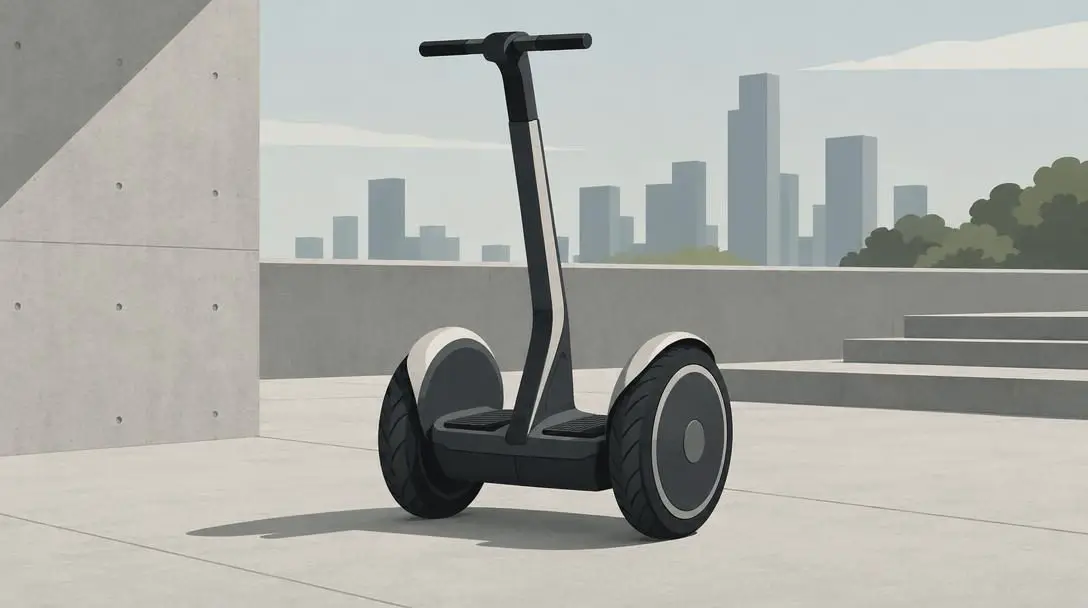
Invented by Dean Kamen, the Segway was introduced with extraordinary fanfare as a self-balancing personal transporter designed to revolutionize personal transit and make tiresome urban walking obsolete. While the underlying gyro-stabilization technology worked, the product stumbled when faced with ordinary daily logistics. The machine was expensive, bulky, and difficult to stow or maneuver within conventional urban architecture and public transportation systems.
Rather than addressing these physical friction points through iterative consumer-friendly revisions, Kamen ultimately sold the enterprise to British businessman Jimi Heselden. Tragically, Heselden died after riding an off-road version of the Segway over a cliff edge. The high-profile disaster cast an indelible shadow over the company, extinguishing remaining expectations that the device would become a beloved household vehicle.
Windows Me
- Developer: Microsoft
- Predecessor: Windows 2000
- Lifespan: Shelved after approximately one year
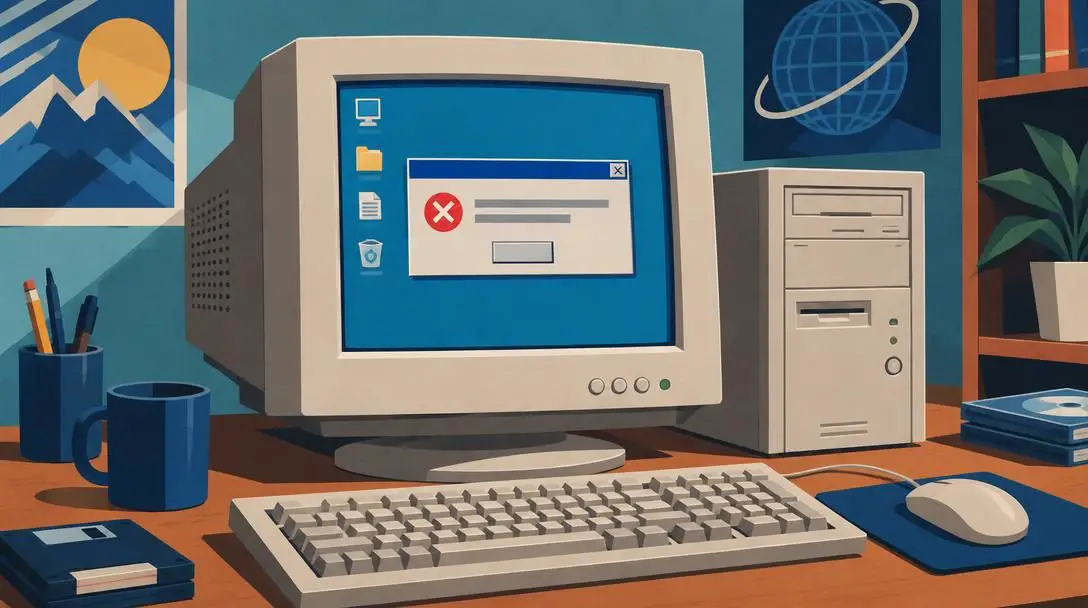
Arriving in 2001, just one year after the debut of the widely accepted Windows 2000, Windows Me (Millennium Edition) was promoted as a home-focused operating system that bridged modern multimedia capabilities with legacy support. Instead, it became an immediate source of widespread frustration for both home users and office workers.
The operating system suffered from critical stability flaws, unyielding software bugs, and persistently sluggish performance. Frequent crashes, application freezes, and hardware driver conflicts made routine computing difficult. Microsoft recognized the mounting backlash and shelved Windows Me after roughly a single year, moving rapidly to replace it with far more reliable software architecture.
Apple Maps
- Developer: Apple
- Release Year: 2012
- Primary Competitor: Google Maps
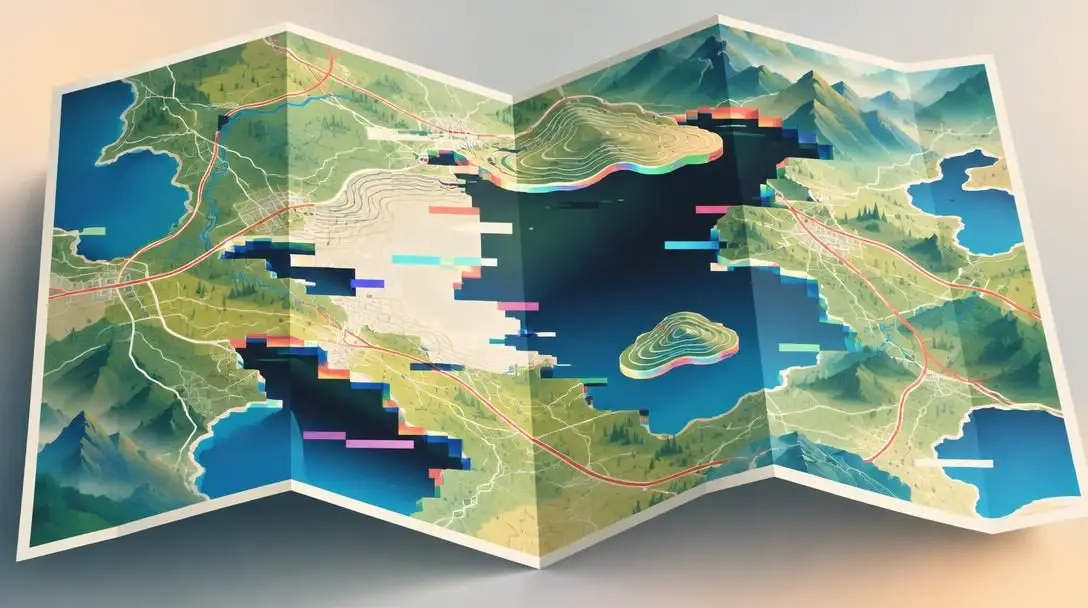
Determined to untether its mobile devices from reliance on rival search giant Google, Apple introduced Apple Maps in 2012 as the default navigational application for its ecosystem. However, replacing an established, reliable navigation standard requires pristine execution, and Apple's launch delivered the opposite.
From day one, users encountered severe mapping anomalies. Major landmarks appeared submerged underwater, satellite imagery showed distorted landscapes, and some metropolitan regions were rendered as empty, blank voids. Instead of serving as a reliable driving companion, the platform developed an immediate reputation for erratic directions and bizarre geographical blunders, sending frustrated smartphone owners racing to download third-party alternatives.
A technologically advanced solution will inevitably collapse if it attempts to solve an urgent problem that everyday consumers simply do not have.
Google Glass
- Developer: Google
- Consumer Discontinuation: 2015
- Current Status: Limited enterprise applications
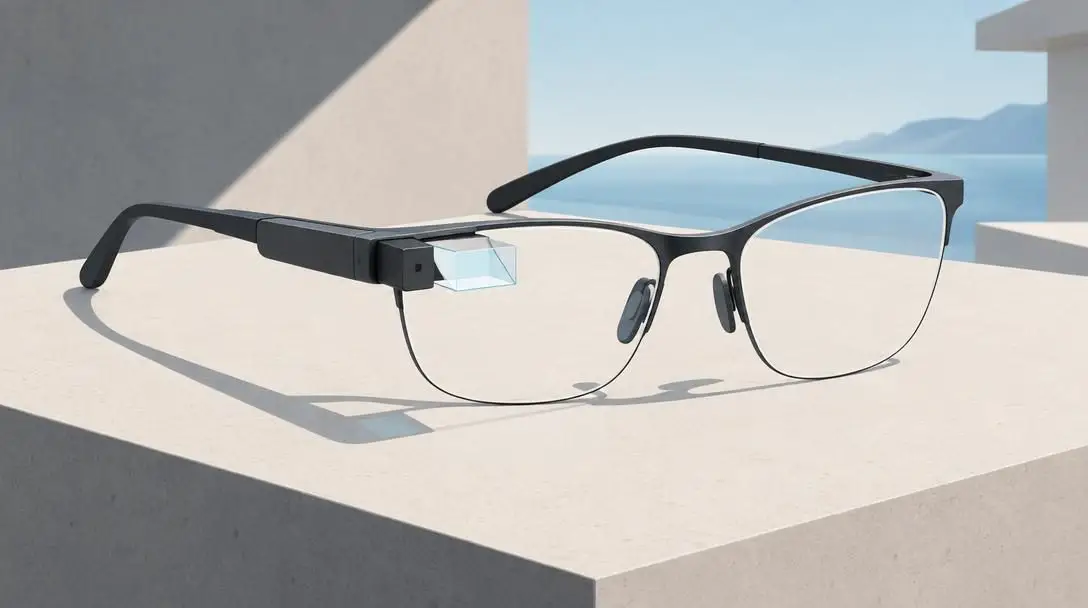
Drawing inspiration from futuristic science fiction, Google Glass sought to bring ambient, heads-up computing directly to the human eyeline. Built as an optical head-mounted display worn like traditional eyeglasses, the wearable technology allowed users to view notifications, access search data, and capture hands-free video discreetly.
The product ignited immediate social resistance. Because the hardware featured an outward-facing camera that could record surroundings without obvious visual cues, everyday citizens and business proprietors felt deeply uncomfortable in the presence of wearers. Public establishments began prohibiting the glasses due to surveillance concerns, and the public balked at the loss of interpersonal privacy. Recognizing that general consumer enthusiasm had evaporated, Google halted direct consumer sales in 2015, relegating the surviving variations of the technology to specialized enterprise and industrial workspaces.
How market acceptance dictates product survival
Technical specifications do not exist in a vacuum. When innovative hardware or software encounters the real world, its long-term viability is determined by a complex matrix of user convenience, ecosystem support, and public tolerance.
Ecosystem and industry alignment play a decisive role in format conflicts. When hardware depends entirely on third-party media—such as physical optical discs—the manufacturer must build mutual incentives for content creators. Toshiba learned that technical fidelity cannot withstand a competitor that holds distribution relationships with major movie studios.
Everyday ergonomics and spatial practicalities dictate whether physical hardware integrates into daily routines. Even if self-balancing gyroscopes function flawlessly, an urban transporter cannot thrive if it is too heavy to carry up apartment stairs, too awkward for crowded sidewalks, and too costly for everyday commuters. A product must adapt to existing infrastructure rather than expecting cities to rebuild themselves around it.
Software stability and underlying data integrity form the bedrock of consumer trust. Whether an operating system is handling basic workplace files or a navigation utility is routing traffic, consistent reliability is non-negotiable. If software repeatedly crashes like Windows Me, or misplaces physical geography like the early release of Apple Maps, users instantly revert to entrenched competitors that deliver dependable performance.
Social norms and privacy expectations govern the public's willingness to accept personal technology. Wearable gadgets interface not only with their owners, but also with bystanders in the immediate environment. If an innovation makes the public feel monitored or violated without consent, cultural rejection can dismantle a marketing campaign faster than technical flaws ever could.
Framework for launching new consumer tech
To avoid the missteps that derailed high-profile corporate ventures, development teams can use a structured sequence when evaluating and preparing new products for broad release.
- Validate the core problem: Confirm that the target audience experiences an urgent, recurring friction point. Products designed to replace functional everyday habits—such as basic walking—must offer clear utility that outweighs their financial cost and logistical burden.
- Establish critical media and industry partnerships: If the success of your device requires external software, media libraries, or content ecosystems, secure binding publisher and studio alliances prior to full commercial release.
- Execute strict software stability benchmarks: Avoid rushing an operating system or essential platform to launch simply to satisfy arbitrary release schedules. Software platforms require intensive stress testing across thousands of variable configurations to prevent debilitating performance bottlenecks.
- Verify live data sets against ground realities: When publishing navigational tools or location-based services, rigorously cross-reference algorithmic mapping data against verified real-world landmarks to maintain absolute reliability.
- Anticipate bystander reactions and social friction: Analyze how the product will be perceived by non-users in communal spaces. Introduce conspicuous physical indicators, such as recording lights, to respect public comfort and preserve interpersonal trust.
- Conduct small-scale pilot rollouts: Deploy functional prototypes within controlled cohorts before investing in extensive commercial mass production. Use these trials to determine whether people feel natural utilizing the hardware in social settings.
Mistakes to avoid in tech product strategy
Even organizations with extraordinary engineering talent routinely fall victim to standard commercial errors. Keeping these common missteps in mind helps prevent recurring industry failures:
- Rushing unpolished software: Releasing an operating environment before resolving baseline system crashes alienates early adopters and creates long-lasting reputational damage.
- Underestimating dominant competitors: Launching a navigational service or media player that mimics an incumbent without offering parity in data accuracy or stability guarantees user flight back to trusted platforms.
- Pricing experimental hardware out of reach: Attaching luxury-tier price tags to unfamiliar form factors prevents products from transitioning out of niche enthusiast circles into broader cultural relevance.
- Ignoring third-party ecosystem dependencies: Focusing entirely on manufacturing hardware while neglecting agreements with media distributors leaves a format vulnerable to aggressive rivals.
- Disregarding public privacy concerns: Introducing recording capabilities into casual public environments without visible privacy safeguards prompts swift community bans and social stigma.
Frequently asked questions
Why did HD DVD lose the optical disc format war to Blu-Ray?
Although HD DVD, developed by Toshiba and NEC, was technologically capable, Sony utilized its substantial influence within the film production industry to win over major Hollywood studios. As movie studios committed to Blu-Ray, consumer demand shifted decisively, forcing Toshiba to abandon the format after sustaining more than $1 billion in losses.
What caused the commercial failure of the original Segway?
The Segway suffered from an impractical, clunky physical build and an exceptionally high price point for average commuters. It struggled to fit neatly into existing pedestrian sidewalks and transit systems. Following the sale of the company to Jimi Heselden and his subsequent fatal accident on an off-road variant, the device never achieved mainstream consumer transport status.
Why is Windows Me considered one of the worst operating systems?
Released shortly after Windows 2000, Windows Millennium Edition suffered from pervasive software bugs, frequent system crashes, and severe performance slowdowns. The extreme instability prompted intense backlash from home and office users, leading Microsoft to discontinue the software after roughly one year.
What went wrong when Apple Maps launched in 2012?
Apple Maps replaced Google Maps on iOS before its spatial database was fully reliable. The early version became infamous for misplaced landmarks, routes that routed into bodies of water, and entire cities showing up as blank voids, forcing users to seek out more accurate alternatives.
Is Google Glass still available today?
Consumer sales of Google Glass ended in 2015 after strong public pushback against its discreet video-recording capabilities and perceived invasion of privacy. However, modified enterprise editions of the headset continued to exist for specialized industrial and commercial use cases.
The bottom line
The history of consumer technology demonstrates that substantial funding, visionary engineering, and expansive marketing campaigns cannot override core market principles. Whether a product stumbles due to missing media alliances, unpolished software code, or an uncomfortable intrusion into public social spaces, failure is rarely accidental. By taking a clear look at past missteps like HD DVD, the Segway, Windows Me, Apple Maps, and Google Glass, developers and consumers alike can better evaluate whether the latest high-tech breakthrough is built for lasting success or destined to crumble under its own ambitions.