The Culture Guide: 5 Things You Should Not Do When Visiting Malaysia

Malaysia is widely celebrated for its rich diversity, warm hospitality, and relaxed atmosphere. Travelers arriving in the country can look forward to friendly smiles, engaging conversations, and welcoming locals eager to share their heritage. However, beneath this casual exterior lies a society built on deep-seated religious traditions, mutual dignity, and cultural values that prioritize community harmony over individual confrontation.
Because everyday social expectations in Southeast Asia often differ sharply from Western norms, international travelers can inadvertently cause discomfort without realizing it. Mastering local decorum prevents awkward encounters, preserves personal dignity on both sides, and ensures you experience the best of Malaysian warmth while exploring bustling cities, rural villages, and revered spiritual sites.
Key takeaways
- Substitute your thumb for your forefinger whenever gesturing or indicating directions to avoid appearing aggressive or bossy.
- Keep your emotional equilibrium intact, as public displays of anger cause deep embarrassment and hinder problem-solving.
- Dress conservatively when visiting active religious landmarks like temples and monasteries, regardless of what other tourists might wear.
- Never touch an individual on the head, including children and older community members, because the head is regarded as culturally sacred.
- Limit romantic behavior in shared public settings to reserved, low-key gestures such as a brief hug or a light kiss on the cheek.
Overview of Malaysian Social Decorum
Everyday etiquette in Malaysia revolves around mutual respect and emotional balance. Actions that seem harmless or casual at home can carry negative undertones when transplanted into a different cultural environment. To help plan your daily interactions, the following comparison highlights the five primary behaviors travelers should avoid and their polite alternatives.
| Behavior to Avoid | Why It Causes Offense | Polite Alternative |
|---|---|---|
| Pointing with an index finger | Associated with scolding, commands, and aggression | Indicate using the right thumb resting over a closed fist |
| Expressing anger or shouting | Breaches emotional harmony and embarrasses those present | Remain composed, speak gently, and smile patiently |
| Wearing revealing attire | Disrespects active places of worship and community modesty | Cover knees and shoulders with light, conservative garments |
| Touching someone on the head | Violates the spiritual sanctity of the highest part of the body | Express warmth verbally or with a gentle nod and friendly smile |
| Overt public displays of affection | Conflicts with social standards of modesty and discretion | Keep physical contact subtle, such as a brief hug or cheek kiss |
Five Cultural Missteps to Avoid in Malaysia
While Malaysians are understanding when visitors make minor social errors, avoiding the most significant cultural faux pas demonstrates genuine respect for your hosts. Here is an in-depth breakdown of the five key things you should not do while traveling in Malaysia.
Pointing With Your Forefinger
In many Western nations, extending an index finger is the instinctive way to point out a landmark, indicate a dish on a menu, or show someone where to go. In Malaysia, however, pointing with your forefinger carries severe negative connotations. The gesture is traditionally reserved for scolding children or issuing harsh reprimands. When aimed at an adult, a direction, or an object, it reads as bossy, rude, and overtly demanding.
Instead of using an outstretched finger, Malaysians use a distinct hand gesture centered on the thumb. To perform this properly, tuck your four fingers loosely against your palm and point outward using your right thumb. Adopting this simple physical adjustment ensures that your directions and indications are received as courteous and polite rather than combative.
Showing Anger and Frustration
Travel disruptions are an inevitable reality of visiting any destination. You might confront unexpected transit delays, hit communication barriers during translation, or find yourself running late for the scheduled start of a guided excursion. While raising your voice or displaying visible frustration may be used in some cultures to push for quick service, it produces the exact opposite reaction in Malaysia.
Malaysian community interactions rely heavily on politeness, calm discussion, and emotional balance. When an individual creates a public scene, raises their voice, or displays open hostility, locals feel intensely uncomfortable and embarrassed by the confrontation. Confrontational behavior causes those around you to retreat, making it far harder to achieve a positive outcome. Maintaining a friendly smile, taking a measured breath, and treating service staff with patience will encourage locals to work with you to resolve complications.
Maintaining a pleasant and composed demeanor shows respect and encourages locals to assist you with patience and goodwill.
Dressing Inappropriately
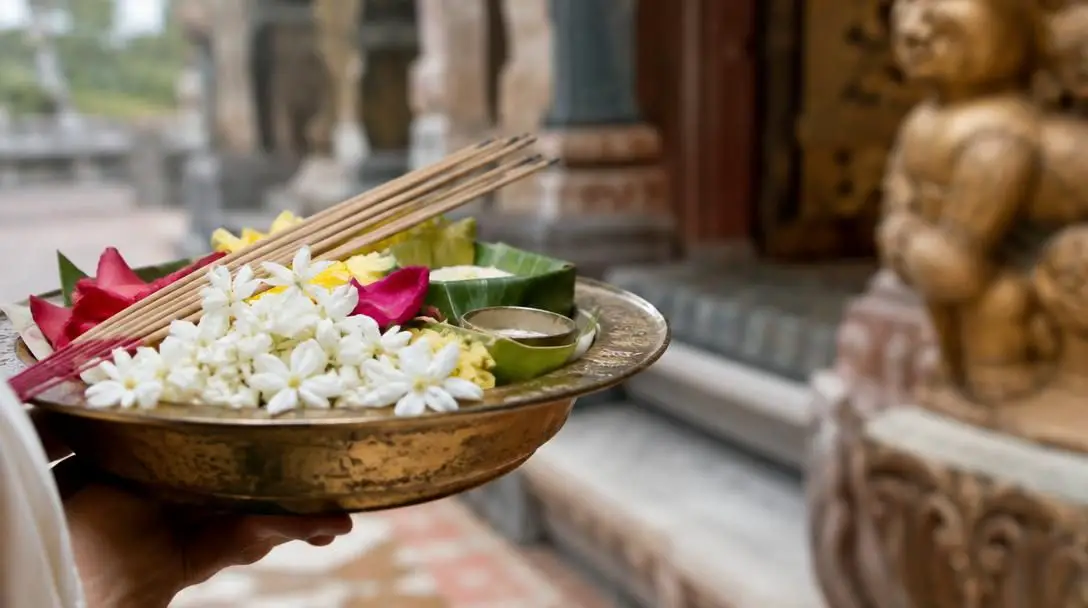
Everyday fashion throughout Malaysia balances comfort in a warm, humid climate with social expectations of modesty. While casual streetwear is common in modern shopping complexes, clothing choices become a critical issue at cultural, historical, and religious landmarks. A significant portion of Malaysia's historical treasures consists of active places of devotion, including intricate temples, quiet monasteries, and prominent religious buildings.
Because these properties are functioning spiritual centers rather than simple tourist attractions, conservative dress is essential. Visitors should always ensure their shoulders and knees are fully covered prior to entering sacred grounds. A frequent pitfall for travelers is taking dress cues from surrounding tourists. Many visitors fail to research proper etiquette and wear revealing tops or short bottoms, offending local worshippers. Never rely on the crowd around you to determine what is appropriate; adhere strictly to conservative site rules.
Touching Someone's Head
Physical boundaries vary significantly between Western and Asian cultures. In Malaysia, touching another person's head is a boundary that must never be crossed. While you are unlikely to reach out and touch an unfamiliar adult, common affectionate habits—such as ruffling a young child's hair or placing a hand on an older person's head during a warm greeting—happen frequently without thought in other parts of the world.
Within Southeast Asian and Malaysian tradition, the head is revered as the most sacred part of the physical body. Due to this spiritual standing, making physical contact with the head is considered invasive, disrespectful, and inappropriate. The offense is especially serious when directed at children or the elderly. No matter how well-meaning your intentions may be, physical affection should never involve touching anyone on or near the head.
Going Overboard with Public Displays of Affection
Public romantic expression looks very different in Southeast Asia compared to Europe or North America. In Western cities, prolonged embraces, passionate kissing, and close physical intimacy in parks or on transit platforms rarely draw attention. In Malaysia, however, public decorum is characterized by restraint, discretion, and personal modesty.
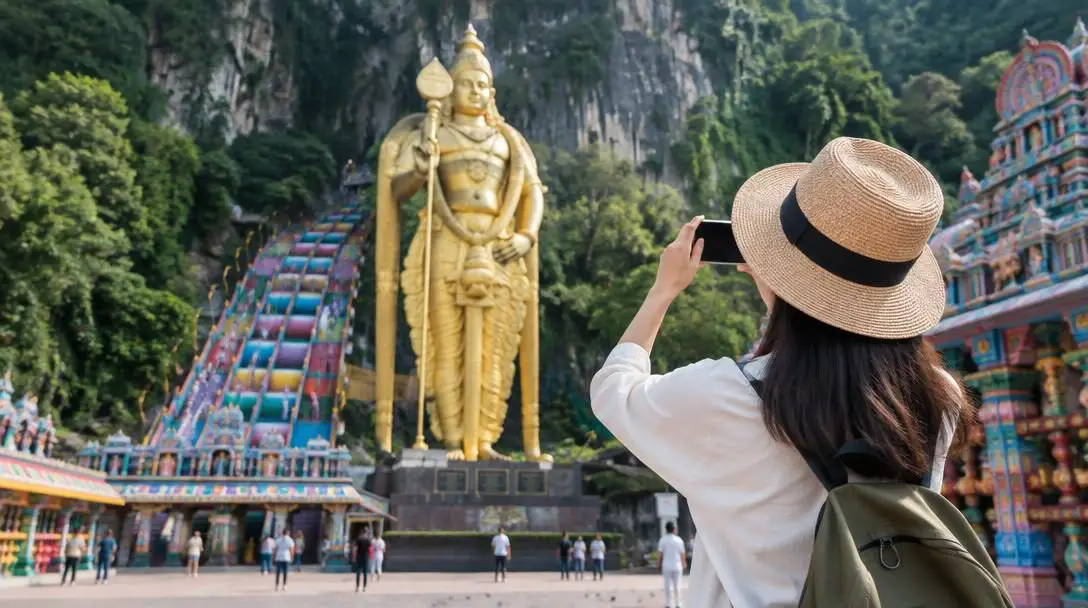
While minor gestures such as holding hands, offering a quick hug, or sharing a brief kiss on the cheek are acceptable, couples should refrain from anything beyond that while in public spaces. Overt romantic displays cause noticeable discomfort and embarrassment for local onlookers. Keeping your physical affection understated and reserved while navigating public transit, bustling markets, and open streets preserves community standards and honors local expectations.
Understanding the Foundations of Malaysian Etiquette
To navigate social interactions with natural ease, travelers benefit from understanding the core values that shape everyday behavior across Malaysia. These customs are not arbitrary restrictions; they reflect a cohesive philosophy centered on dignity, personal space, and religious devotion.
- Preserving emotional dignity: Avoiding public conflict and protecting personal composure is a central pillar of social harmony. Raising your voice or causing a scene creates embarrassment for everyone present, which is why aggressive body language and shouting are strongly avoided.
- Sanctity of the physical body: Cultural beliefs regarding the body dictate that the head is sacred, while physical intimacy belongs in private settings. Respecting these boundaries signals an understanding of physical sanctity.
- Reverence for living heritage: Historical temples, historic monasteries, and ornate religious buildings are active communities of faith. Treating them with dignity through modest dress reflects a direct appreciation for the people who maintain them.
Practical Steps for Navigating Daily Travel
Aligning your daily habits with Malaysian etiquette requires only slight adjustments to your routine. By following these practical steps, you can travel confidently across cities and rural communities while avoiding social missteps.
- Adopt the thumb gesture early: Before you begin exploring markets or ordering street food, practice indicating directions and menu items with your right thumb rested over folded fingers until the habit becomes second nature.
- Pack modular, modest garments: Organize daily sightseeing outfits that cover your shoulders and reach below the knee. Keep a lightweight wrap or scarf inside your day pack to provide immediate coverage when entering spiritual grounds.
- Pause before reacting to travel stress: When confronting unexpected delays, transit cancellations, or translation difficulties, take a deep breath. Speak in a gentle, measured tone, maintain a calm smile, and focus on constructive dialogue.
- Reserve romance for private spaces: Keep your public physical contact subtle while exploring urban centers, transit terminals, and cultural venues, saving passionate affection for private hotel settings.
- Establish courteous non-verbal boundaries: Greet local families, children, and elders with a warm verbal greeting, a gentle nod, and a welcoming smile, ensuring your hands remain clear of anyone's head.
Common Travel Mistakes and Misconceptions
Even conscientious travelers can fall into accidental errors when navigating unfamiliar social landscapes. Being aware of frequent misconceptions ensures a smoother journey:
- Equating customer service with volume: Some travelers believe expressing frustration or demanding immediate escalation yields faster service. In Malaysia, confrontational speech causes social discomfort, which typically slows down assistance instead of speeding it up.
- Treating temples as photography backdrops: Forgetting that spiritual landmarks are active places of devotion can lead visitors to disrupt worshippers or enter sacred spaces in improper attire.
- Assuming physical praise is universal: Ruffling a child's hair as a friendly compliment is common in the West, but in Malaysia, touching the head directly infringes on personal and spiritual boundaries.
- Slipping into habitual pointing: Forgetting to use the thumb gesture when ordering food or hailing assistance can leave local vendors feeling commanded rather than addressed courteously.
Frequently asked questions
Is pointing with the index finger ever acceptable in Malaysia?
Using the forefinger to point is generally viewed as rude and overbearing because it is traditionally associated with scolding. It is always preferable to use the thumb resting over a closed fist to indicate items, places, or directions.
What should I do if I become frustrated by a travel delay or miscommunication?
Take a steady breath, smile, and speak in a soft, polite tone. Public anger causes significant embarrassment and stalls resolution, whereas remaining composed and pleasant encourages locals to help you find a solution.
Can couples hold hands or hug in public spaces?
Yes, holding hands, offering a quick hug, or giving a light kiss on the cheek is acceptable. However, couples should avoid prolonged kissing or overt physical intimacy in public areas, as it makes many locals uncomfortable.
Why is touching someone on the head considered offensive?
In Malaysian and broader Southeast Asian traditions, the head is viewed as the most sacred part of the human body. Touching someone's head—even an affectionate pat on a child—is considered a major violation of personal and spiritual boundaries.
What clothes should I wear when visiting religious landmarks?
Always wear conservative clothing that keeps both your shoulders and knees covered. Do not mimic other tourists who wear casual shorts or sleeveless tops, as doing so is considered disrespectful in active places of worship.
The Bottom Line
Visiting Malaysia offers a rich travel experience filled with stunning architectural landmarks, vibrant street life, and remarkably gracious hosts. Navigating the country smoothly does not require memorizing complex rules, but rather understanding that respect, modesty, and emotional composure anchor daily social life.
By using your thumb to gesture, keeping your wardrobe conservative at sacred sites, maintaining a calm demeanor during travel hiccups, and respecting personal boundaries, you will avoid unnecessary faux pas. In return, you will enjoy authentic hospitality, meaningful conversations, and memorable travel moments throughout this fascinating corner of Southeast Asia.