5 Countries Which Excel at Tea
There are very few everyday customs that unite people across the globe quite like tea drinking. Whether you reside in a community where putting on a kettle several times a day is an unconscious habit, or in a place where brewing a cup is an occasional afternoon ritual, tea commands an undeniable international footprint. Its versatility, warmth, and variety have allowed it to take root across continents, adapting to the unique agricultural and social landscapes of every region it touches.
In select destinations, however, tea transcends its status as an ordinary household staple or agricultural export. For these nations, tea is an anchor of cultural heritage, an engine of social life, and a primary expression of hospitality. From terraced mountainsides in East Asia to social gatherings across the Mediterranean and North Africa, five countries stand out for their mastery of tea: Morocco, Turkey, India, Sri Lanka, and China.
Key takeaways
- Morocco defines its tea tradition through sweet, refreshing green tea brewed with generous quantities of fresh spearmint and sugar.
- Turkey ranks fourth globally in per capita tea consumption and brews a striking, deep red tea using leaves withered to 50 percent moisture.
- India is renowned for its bold Chai, combining native tea crops with warming culinary spices, milk, and sugar served piping hot.
- Sri Lanka's celebrated Ceylon tea stems from six distinct growing regions that yield a bright, brisk liquor with delicate notes of citrus and chocolate.
- China commands the world's richest tea heritage, cultivating everything from fresh, unoxidized green teas to fully oxidized red teas shaped by diverse microclimates.
At a glance: Five premier tea cultures
While every tea-producing and tea-consuming country brings distinct rituals to the table, these five nations have earned international acclaim for their agricultural craftsmanship, dedicated brewing methods, and enduring cultural institutions.
| Country | Signature Style | Primary Flavor Profile | Distinctive Cultural or Processing Characteristic |
|---|---|---|---|
| Morocco | Spearmint Green Tea | Minty, sweet, and refreshing | Prepared with liberal amounts of sugar and fresh mint leaves to honor guests |
| Turkey | Turkish Red Tea | Rich, robust, and clean (non-minty) | Leaves withered to 50 percent water content; prepared in stacked kettles |
| India | Traditional Spiced Chai | Spicy, creamy, and warming | Native tea simmered with milk, sugar, and spices; consumed multiple times daily |
| Sri Lanka | Ceylon Black Tea | Bold and brisk with citrus and chocolate hints | Cultivated across six distinct regional microclimates established in the late 1800s |
| China | Green, Red, and Regional Teas | Vegetal and delicate to deep and smooth | World's longest tea history; minimal additives to celebrate leaf oxidation and terroir |
The five nations that excel at tea
Each of the world's top tea nations approaches the leaf from an entirely different cultural and geographic vantage point. Understanding their excellence requires looking at both what sits inside the cup and the community values that surround its preparation.
Morocco
- Signature preparation: Sweetened green tea with fresh spearmint
- Flavor character: Notably minty, sweet, and intensely refreshing
- Cultural meaning: Essential sign of friendship and hospitable welcome
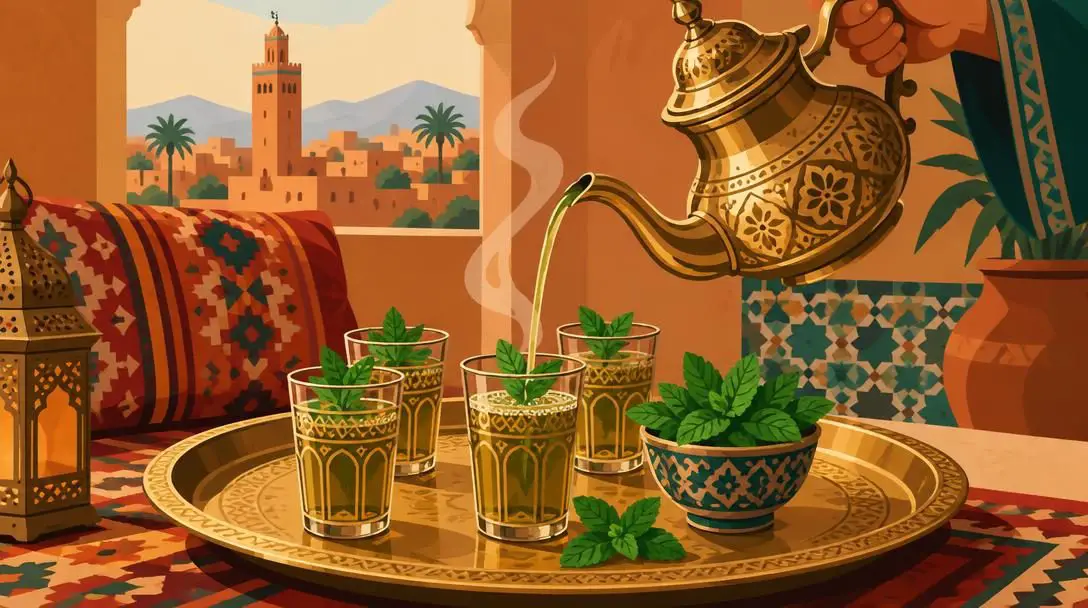
In Morocco, tea is so fundamental to everyday life and social etiquette that the country's official website devotes an entire section solely to the tradition of tea making. The beverage is far more than a simple breakfast accompaniment; it is the cornerstone of hospitality. Refusing an offered glass is rare, as presenting tea to an arriving guest signifies warm welcome, goodwill, and mutual respect.
What sets Moroccan tea apart from standard international green tea preparations is its unabashedly sweet and minty profile. Brewed using a green tea base, the infusion incorporates a large volume of fresh spearmint leaves alongside liberal quantities of sugar. The sugar is not an optional garnish added at the table; it is dissolved directly into the pot during preparation. This produces a rich, soothing drink that balances the natural astringency of green tea leaves with an invigorating rush of aromatic mint.
Turkey
- Signature preparation: Jewel-toned red tea
- Global consumption rank: Fourth worldwide (exceeded by only three nations)
- Processing trait: Leaves withered to roughly 50 percent moisture
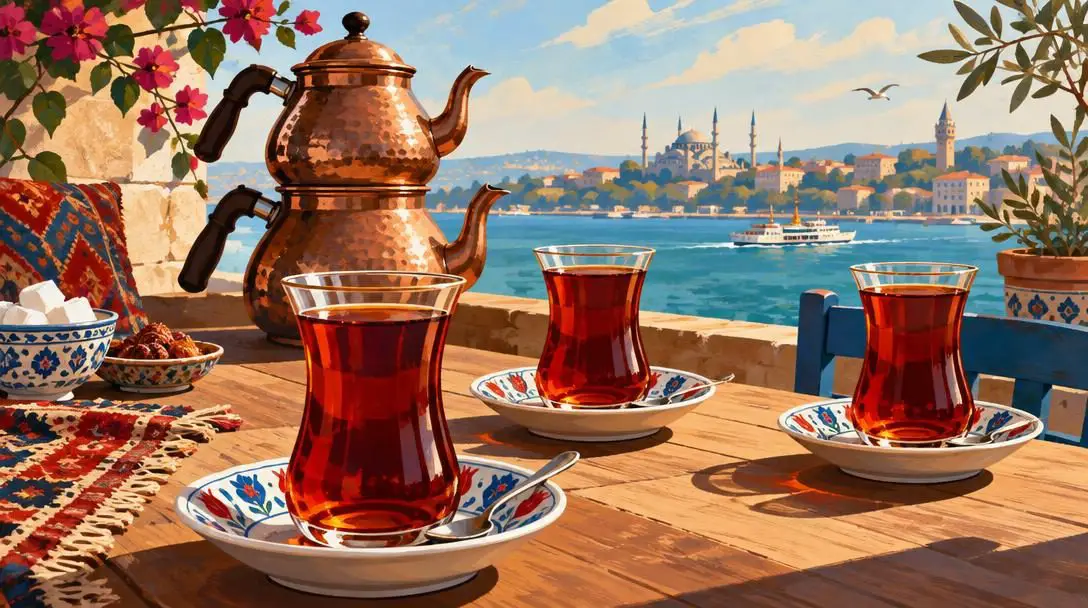
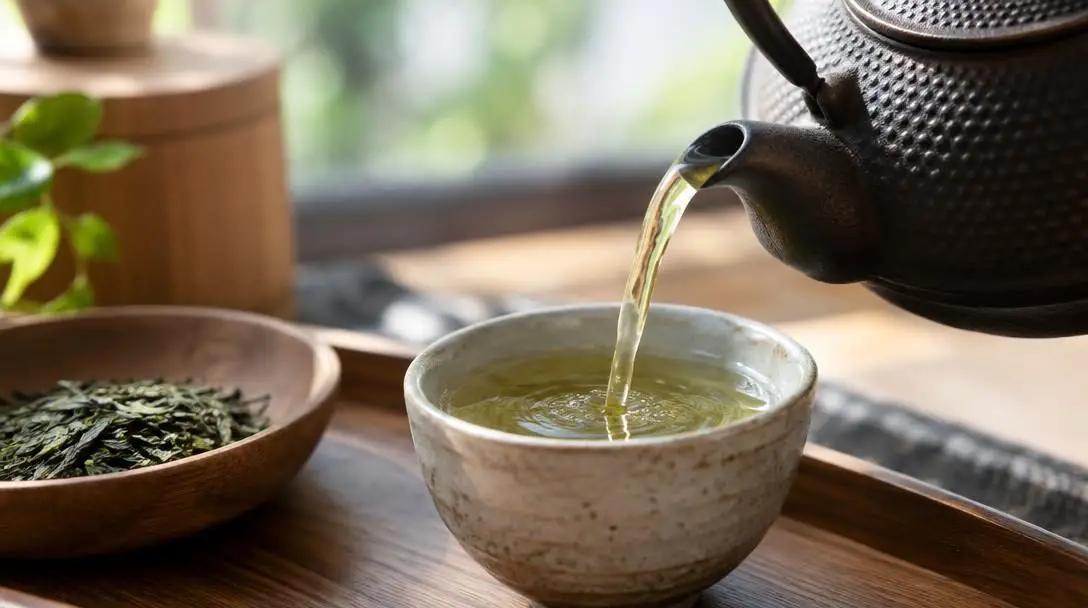
Turkey possesses one of the most enthusiastic tea-drinking populations anywhere on earth. On average, Turkish citizens consume more tea per person than almost any other country, outpaced by only three nations globally. The beverage is woven through every hour of the day, enjoyed in bustling public squares, workplaces, transit hubs, and private living rooms alike. The Turkish national tourism board even provides step-by-step guidance to help international travelers replicate authentic Turkish tea brewing at home.
Turkish tea is instantly recognizable by its deep red color and clear, full-bodied taste. Unlike its North African counterparts, Turkish tea culture firmly avoids minty infusions or herbal blends in favor of the pure, concentrated taste of processed black tea leaves. During the agricultural production phase, Turkish tea leaves are withered to approximately 50 percent water content. This critical step locks in the essential compounds required to yield an expansive spectrum of deep, comforting flavors during everyday brewing.
India
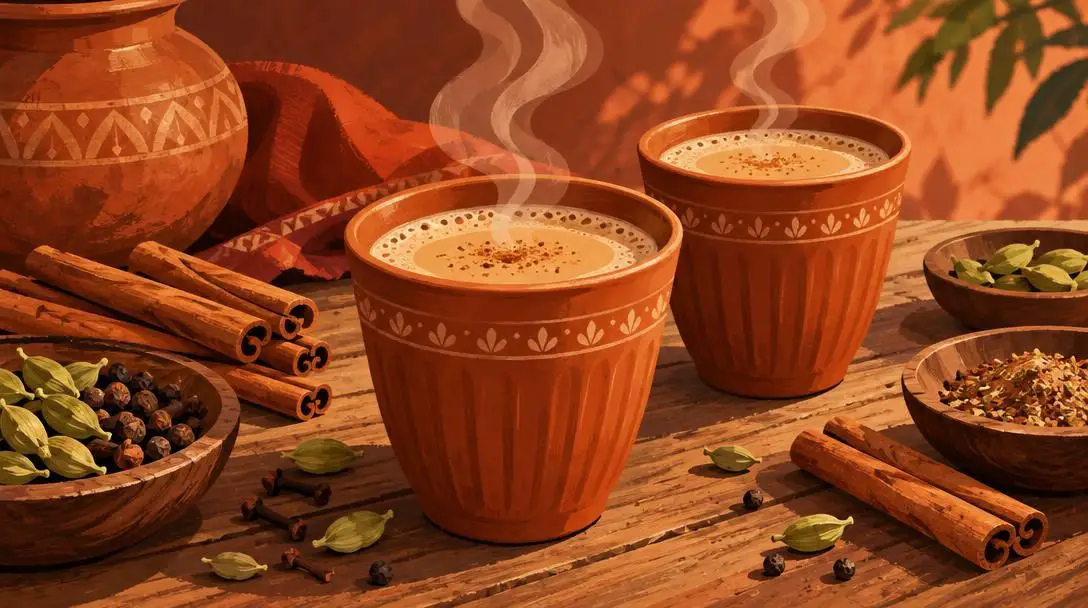
- Signature preparation: Spiced Chai with milk and sugar
- Flavor character: Bold, warm, and noticeably spicy
- Daily consumption: Enjoyed multiple times a day across the country
For millions of tea drinkers worldwide, India is the definitive cultural home of spiced tea. Known internationally as Chai, the beverage is a fixture of Indian street corners, railway platforms, and family kitchens. India's unique geographic regions and tropical climates provide the ideal conditions for robust native tea varieties that have garnered devoted followings across the globe.
Traditional Chai is celebrated for being substantially spicier and bolder than conventional tea styles. Rather than steeping leaves briefly in hot water, Indian preparation involves simmering sturdy black tea leaves with warm spices, sugar, and milk in a pot. The rich fat content of the milk smooths out the brisk bite of the tea, while the sugar brings the natural heat of the spices into harmonious balance. Most Indians drink Chai multiple times throughout the day, always serving it piping hot to maximize its comforting, revitalizing impact.
Sri Lanka
- Signature preparation: Ceylon black tea
- Historical debut: Introduced in the second half of the 19th century
- Agricultural footprint: Cultivated across six distinct growing regions
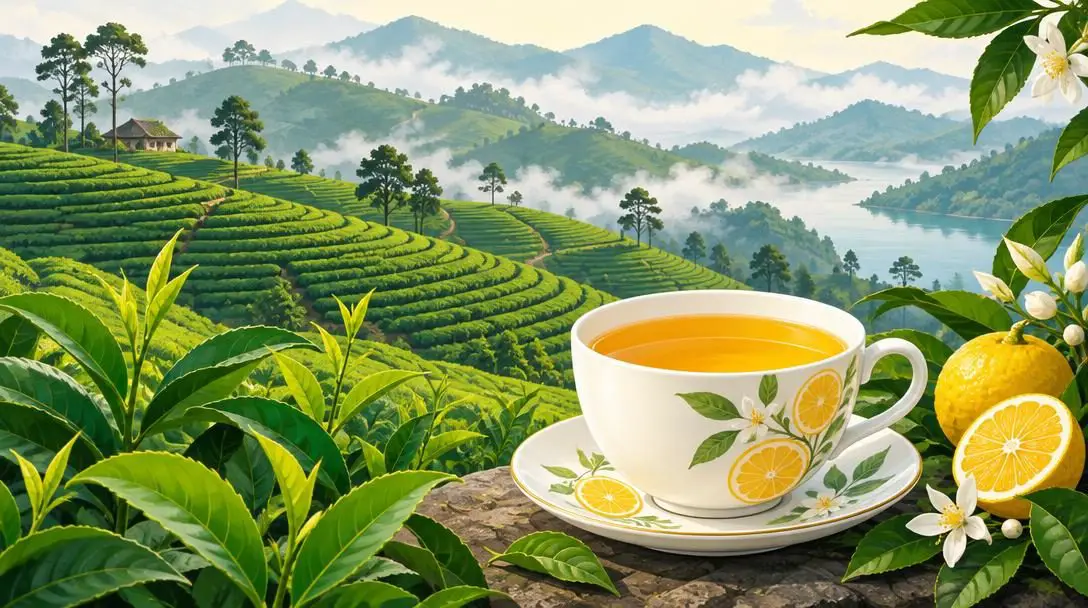
Lying just south of the Indian subcontinent, the island nation of Sri Lanka has built a world-class reputation on its signature export: Ceylon tea. Although commercial tea production was introduced to the island in the second half of the 19th century, Sri Lanka quickly transformed into an agricultural powerhouse, producing teas that captured the palates of discerning consumers worldwide.
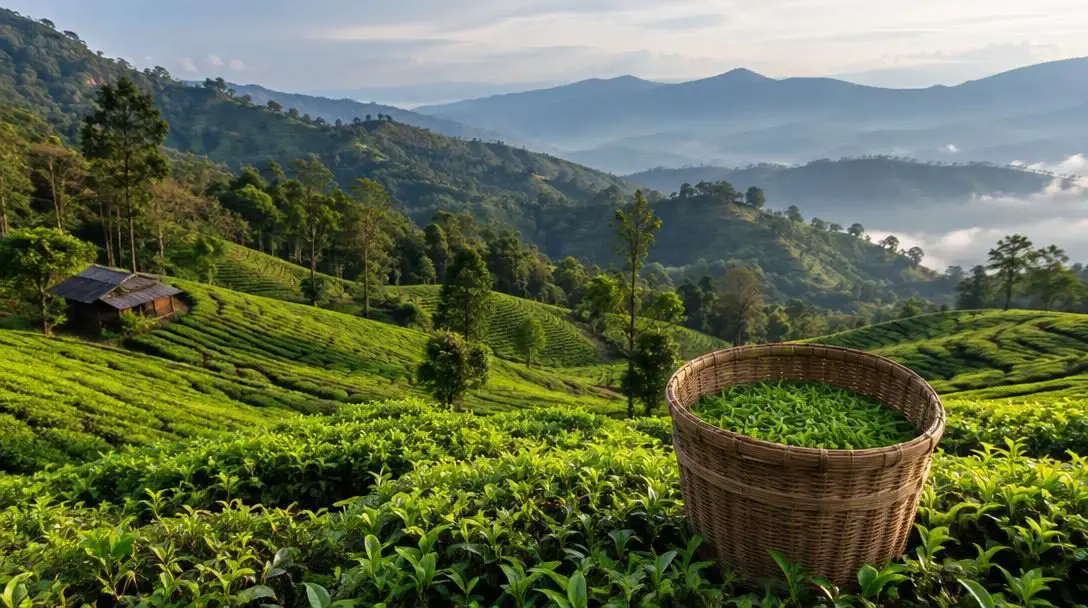
Despite Sri Lanka's relatively compact landmass, the island contains six distinct tea-growing regions. Variations in elevation, coastal air patterns, and seasonal precipitation among these regions produce teas with diverse characteristics. Across these terroirs, Ceylon tea is revered for its bright, luminous appearance in the cup and a bold, brisk palate. High-grade harvests naturally display delicate background notes of citrus and chocolate, creating a nuanced, aromatic profile that makes Ceylon tea a favored choice for restorative midday breaks and evening relaxation.
China
- Signature varieties: Green tea, red tea, and extensive regional harvests
- Global standing: Longest tea history and largest international footprint
- Serving philosophy: Appreciated plain without milk, citrus, or added sugars
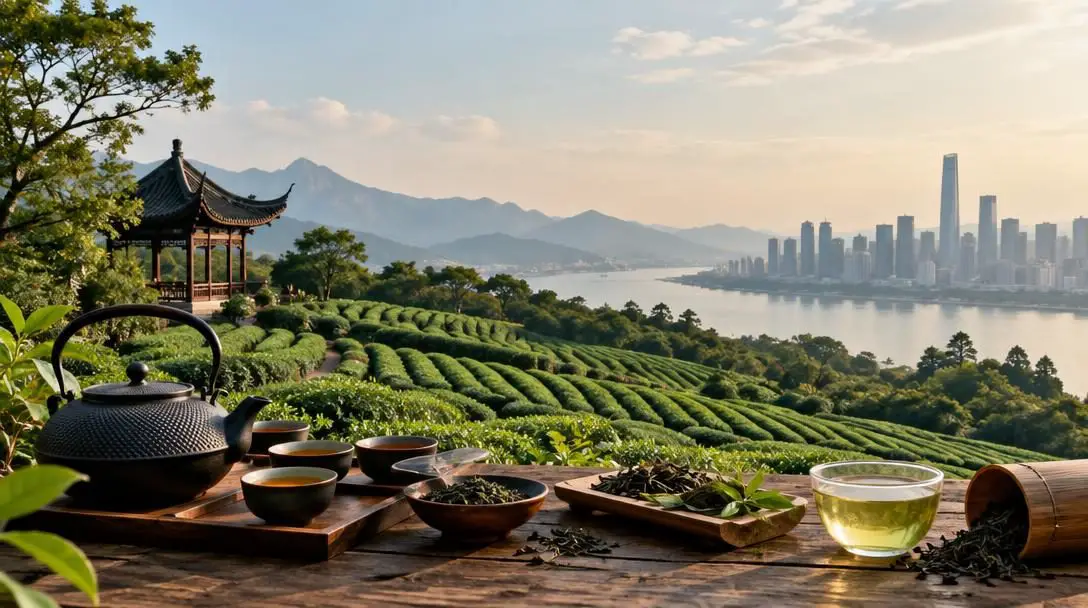
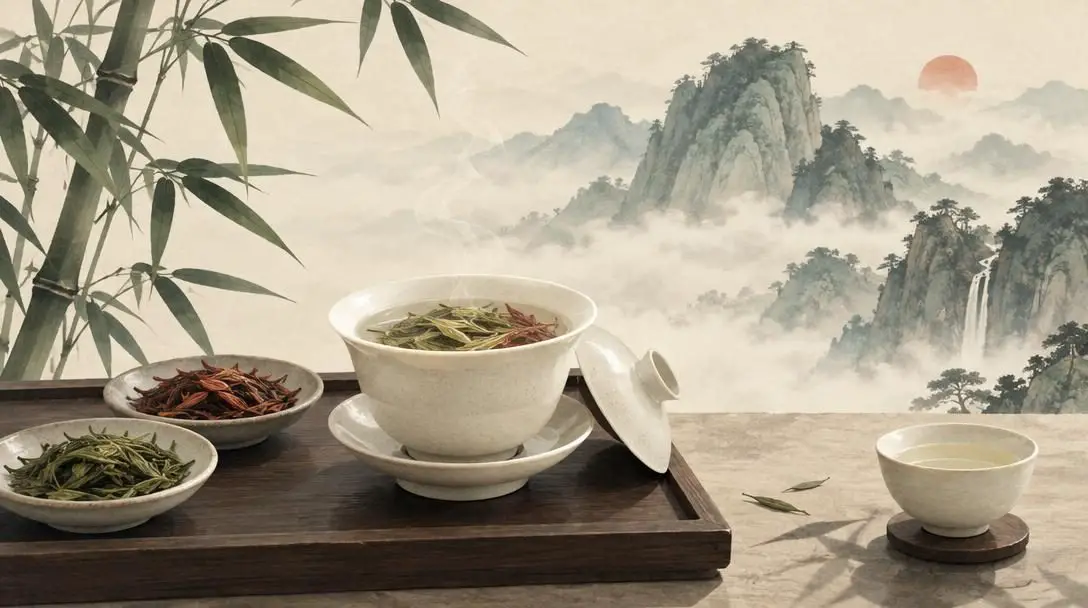
Any comprehensive study of tea inevitably leads back to China, the country with the deepest documented tea history and the most expansive footprint in the global tea industry. China's immense geographical boundaries encompass an astonishing array of microclimates, from misty mountain peaks to humid river basins, allowing farmers to cultivate virtually every major category of tea known today.
Chinese tea production spans delicate green teas, deeply oxidized red teas (commonly referred to as black tea in the West), and countless specialty styles. Because of this vast ecological variety, enthusiasts often note that there is no wrong Chinese tea to select; every region produces harvests rich in complex flavors and backed by celebrated health benefits. Unlike Western or South Asian traditions that frequently modify tea with dairy, herbs, or sweeteners, Chinese teas are almost universally consumed plain, allowing the natural character of the leaf and the craft of the producer to take center stage.
In these five standout countries, tea represents identity, community, and daily comfort rather than a simple agricultural export.
How processing and terroir shape regional flavor
The remarkable differences among the teas of Morocco, Turkey, India, Sri Lanka, and China demonstrate how identical raw botanical material—the leaves of the tea plant—can be transformed by geography, human intervention, and regional cuisine.
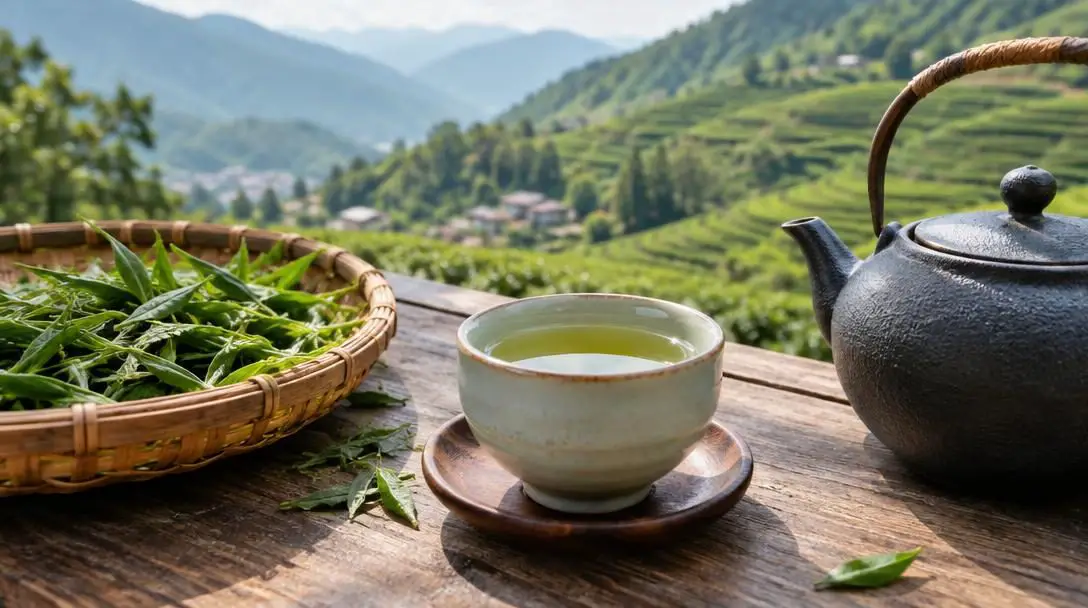
In China, the distinction between unoxidized green tea and fully oxidized red tea is entirely a matter of post-harvest handling. Chinese green teas are pan-fired or steamed soon after picking to arrest oxidation, preserving their vivid green hue, vegetal sweetness, and fresh antioxidants. Red teas, by contrast, are allowed to undergo complete enzymatic oxidation, deepening the leaves to dark amber and producing rich, malty, and fruit-forward flavor notes. Because Chinese soils and elevations vary so dramatically, regional microclimates imprint subtle mineral and floral nuances onto the finished harvest.
In Sri Lanka, terroir plays an equally dominant role. The island's six growing districts range from low-lying coastal plains to high-elevation mountain peaks. The cooler breezes and dramatic altitude shifts in higher zones slow leaf growth, concentrating aromatic compounds that yield Ceylon's trademark briskness and natural hints of chocolate and citrus. This clarity allows Ceylon to shine when brewed as a standalone single-origin tea.
Turkey and India approach flavor through controlled dehydration and additive harmony, respectively. Turkish producers deliberately wither harvested leaves to roughly 50 percent moisture content before rolling and drying. This controlled moisture reduction establishes a concentrated chemical foundation that produces the brew's signature jewel-red hue and clean, robust mouthfeel. In India, the robust, malty character of native leaves provides a sturdy backbone designed specifically to withstand the additions of whole milk, sweetener, and pungent culinary spices without losing its core tea flavor.
How to brew each national style at home
Experiencing these five regional traditions does not require international travel. By respecting the core principles of each culture's preparation methods, you can brew authentic representations of these styles in your own kitchen.
- Moroccan Mint Style: Place a base of green tea leaves into a teapot and rinse briefly with hot water. Add a generous bundle of washed fresh spearmint leaves along with a liberal amount of sugar. Fill the pot with boiling water and allow the mixture to steep for several minutes. Pour the tea into small glasses from a height to create a light froth, ensuring the drink is served piping hot to let the sweet and herbal notes open up completely.
- Turkish Red Style: Fill the bottom chamber of a two-tier kettle (çaydanlık) with fresh, lime-free water. Place Turkish black tea leaves in the top chamber. Bring the lower water to a boil, then pour a portion into the upper chamber to steep the dry leaves into an intensely dark concentrate. Keep the kettle stacked over low heat for 10 to 15 minutes. To serve, pour the concentrated red tea into clear, tulip-shaped glasses until one-third or one-half full, then dilute with boiling water from the lower kettle to reach your preferred strength.
- Indian Chai Style: Combine water, robust native Indian black tea leaves, and crushed warm spices in a small saucepan. Bring the mixture to a simmer over medium heat until the water darkens and releases the aroma of the spices. Stir in whole milk and sugar, bringing the liquid to a gentle, rolling boil so the milk proteins and spices meld together. Remove from heat, strain through a fine mesh sieve into a mug, and serve piping hot.
- Sri Lankan Ceylon Style: Measure loose Ceylon tea leaves into a warmed ceramic teapot. Pour freshly boiled water over the leaves and allow them to steep undisturbed for three to five minutes. Pour the bright, amber liquor into a teacup without adding heavy flavorings. Sip slowly to identify the crisp mouthfeel and natural undertones of citrus and cocoa.
- Chinese Green or Red Style: For green varieties, heat fresh water and allow it to cool slightly below boiling to avoid scorching the delicate leaves; steep for one to two minutes. For red varieties, use water at a rolling boil to extract the deeper, rounded characteristics. Sip without milk or sweeteners to experience the pure profile shaped by Chinese regional climates.
Common brewing mistakes to avoid
Because each country has perfected its tea preparation over generations, applying the wrong technique can easily compromise the cup. Keep these frequent missteps in mind when exploring different global traditions:
- Using hard, lime-heavy tap water for Turkish tea: Turkish tea depends entirely on the clarity and color of the steeped leaf. Hard water containing high levels of lime will turn the liquor murky, dulling the signature red hue and muddying its clean, brisk flavor profile.
- Skimping on sugar in Moroccan tea: Approaching Moroccan tea as if it were a low-calorie herbal infusion undermines its authentic character. The cultural recipe requires a generous hand with sugar to counterbalance the astringency of green tea and the pungent oils of fresh spearmint.
- Serving Indian Chai lukewarm: Chai must be served piping hot. Allowing the liquid to cool causes the milk fats to separate and dulls the aromatic impact of the warm spices, leaving the beverage feeling heavy rather than invigorating.
- Using boiling water on delicate Chinese green teas: Pouring rolling boiling water directly onto Chinese green tea leaves damages their delicate cellular structure, resulting in excessive bitterness and destroying subtle vegetal notes.
- Masking Ceylon tea with excessive syrups or heavy dairy: While Ceylon tea is bold enough to handle light milk, smothering high-grade harvests with artificial syrups or heavy creams conceals the natural citrus and chocolate undertones that make the island's six growing regions distinct.
Expanding your international tea journey
Once you have sampled the signature styles of Morocco, Turkey, India, Sri Lanka, and China, you can deepen your appreciation through focused tasting and cultural exploration:
- Sample all six Sri Lankan regions: Seek out single-origin Ceylon packages labeled by specific growing districts. Comparing teas harvested at lower elevations with those grown in high-altitude zones provides a direct lesson in how regional elevation impacts brightness and aroma.
- Acquire traditional brewing hardware: Consider investing in a classic Turkish stacked kettle set and tulip-shaped glasses, or a decorative Moroccan tea service. Using the authentic vessels highlights the visual allure of each drink, particularly the vibrant color of Turkish red tea.
- Explore Chinese harvest categories: Broaden your palate beyond entry-level green teas by sampling authentic Chinese red teas and minimally processed seasonal harvests. Pay attention to how different provinces showcase the immense diversity of the country's soils.
- Adopt daily tea breaks: Emulate the lifestyle habits of Turkey and India by integrating regular tea breaks into your morning and afternoon schedules. Pausing for a fresh cup offers a calming, social, and grounding ritual in an otherwise hurried modern day.
Frequently asked questions
Why is Moroccan tea prepared with so much sugar?
Moroccan tea combines green tea leaves with large amounts of fresh spearmint, both of which contain natural astringency and sharp aromatic oils. The generous addition of sugar softens this bite, creating a balanced, harmonious profile that delivers an immediate burst of sweetness and herbal freshness.
How does Turkey rank in global tea consumption?
Turkey has one of the highest tea-drinking rates in the world. On average, Turkish citizens consume more tea per capita than all but three countries worldwide, making tea an omnipresent social and culinary fixture across the nation.
What makes Ceylon tea from Sri Lanka unique?
Ceylon tea is cultivated across six distinct growing regions on the island of Sri Lanka, where varying elevations and microclimates create a luminous, bright liquor. The tea is renowned for its brisk, bold structure and subtle, naturally occurring flavor notes reminiscent of citrus fruit and chocolate.
What is the main difference between Chinese green and red teas?
The primary difference lies in the level of oxidation during processing. Chinese green tea leaves are heated early to prevent oxidation, retaining a fresh, vegetal character and green color. Chinese red tea leaves (known in the West as black tea) undergo complete enzymatic oxidation, creating a rich amber liquor with smooth, deeper flavors.
Why must authentic Turkish tea be brewed with lime-free water?
Official Turkish brewing guidance specifies lime-free water because high mineral deposits and lime dull the tea's brilliant red color and mask the delicate flavors developed when the leaves were withered to 50 percent moisture content during production.
The bottom line
Tea may be a global phenomenon, but Morocco, Turkey, India, Sri Lanka, and China have elevated the simple act of steeping leaves into an art form. Whether you prefer the sweet, mint-forward hospitality of a Moroccan gathering, the deep red clarity of Turkish tea, the spicy warmth of Indian Chai, the crisp brightness of Sri Lankan Ceylon, or the nuanced terroir of Chinese green and red teas, each nation offers an unforgettable window into how geography and culture combine in a single cup.