5 Easy To Maintain Houseplants
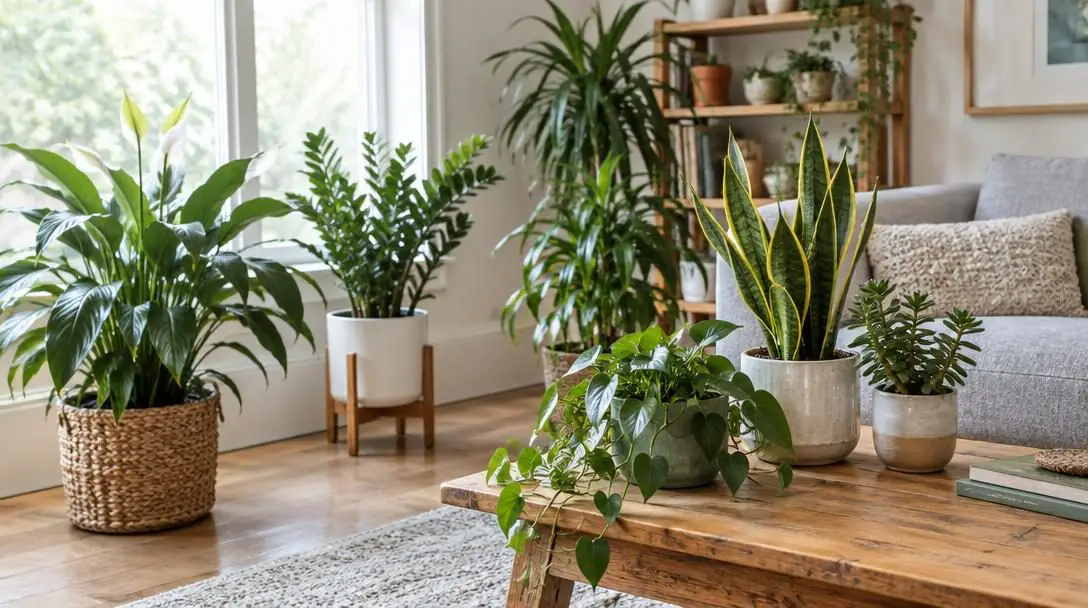
Bringing vibrant greenery into residential spaces transforms living areas into welcoming, calming retreats. Yet many aspiring indoor gardeners find themselves frustrated when promising foliage wilts, yellows, or dies within a few weeks of purchase. Daily work demands, erratic indoor temperatures, and uneven room lighting often create an unforgiving environment for temperamental plants. Most plant struggles do not stem from a personal lack of gardening ability, but rather from attempting to nurture delicate specimens that require exacting climate parameters instead of durable selections that thrive on routine neglect.
Low-maintenance indoor species possess built-in physiological resilience, allowing them to withstand skipped waterings, dry ambient air, and imperfect lighting. By selecting tough varieties and understanding how humidity, light, and soil moisture interact across indoor rooms, anyone can build a thriving home garden without adopting an exhausting care routine.
Key takeaways
- Choosing durable, neglect-tolerant plants eliminates the frustration and complex environmental controls demanded by delicate species.
- Overwatering is the primary cause of indoor plant mortality, particularly for drought-adapted varieties like aloe, snake plants, and succulents.
- Spider plants and pothos follow a weekly watering routine, whereas aloe, snake plants, and succulents require moisture only about once a month.
- Most durable houseplants, including aloe, snake plants, pothos, and most succulents, are toxic to pets, leaving the spider plant as the only pet-safe option among these five.
- Indoor air dried out by heating and cooling systems often requires supplemental humidity matched to room size to prevent foliage stress.
The Interplay of Indoor Light, Water, and Humidity
Indoor microclimates differ radically from outdoor ecosystems. Within the home, ambient light exposure, watering frequency, and atmospheric humidity operate as an interconnected system. Understanding how these forces interact is essential to keeping resilient houseplants healthy over many years.
Indoor humidity plays an outsized role in plant vitality. In modern homes, active heating during winter and air conditioning during summer strip moisture from the surrounding air. When humidity levels fall, plants lose moisture from their leaves at an accelerated rate. Although living greenery naturally transpires, returning a subtle amount of water back into the atmosphere, this self-generated humidity remains far too weak to sustain plants across larger floor plans. When air is persistently arid, using a standalone room humidifier sized to match the square footage of the room prevents foliage dehydration and supports healthy leaf growth.
Lighting conditions dictate how fast potting soil loses its moisture. In dim, enclosed environments such as interior corridors or windowless bathrooms, water evaporates slowly from the root zone, meaning wet soil remains damp for extended periods. Conversely, rooms flooded with bright, indirect sunlight drive faster evaporation and metabolic activity. Balancing your watering routine according to light availability ensures roots absorb what they need without sitting in soggy, airless soil.
Durable houseplants succeed because they are physiologically adapted to survive inconsistent care, dry air, and imperfect lighting.
At a Glance: Comparing 5 Low-Maintenance Houseplants
The following overview outlines the baseline environmental demands, hydration schedules, and safety considerations for five of the most reliable houseplants available.
| Plant Name | Ideal Light Level | Watering Schedule | Pet Safety | Key Characteristic |
|---|---|---|---|---|
| Aloe | Bright, indirect light | Roughly once per month | Toxic to pets | Inner leaf gel helps heal burns and cuts |
| Snake Plant | Low light to bright, indirect | Roughly once per month | Toxic to pets | Tolerates windowless interior rooms |
| Succulents | Bright, indirect light | Roughly once per month | Toxic to children and pets | Wide variety of shapes; hates direct sun |
| Spider Plant | Bright, indirect light | Weekly (plus biweekly misting) | Non-toxic to pets | Produces hanging baby offshoots |
| Pothos | Low light to bright, indirect | Weekly (wilts if stretched to two weeks) | Toxic to pets | Trailing vines with diverse color patterns |
5 Easy to Maintain Houseplants for Any Room
These five species have earned their reputation as virtually unkillable greenery. Whether your living space features dark, interior corners or bright sunrooms, there is an option tailored to your available light and schedule.
Aloe
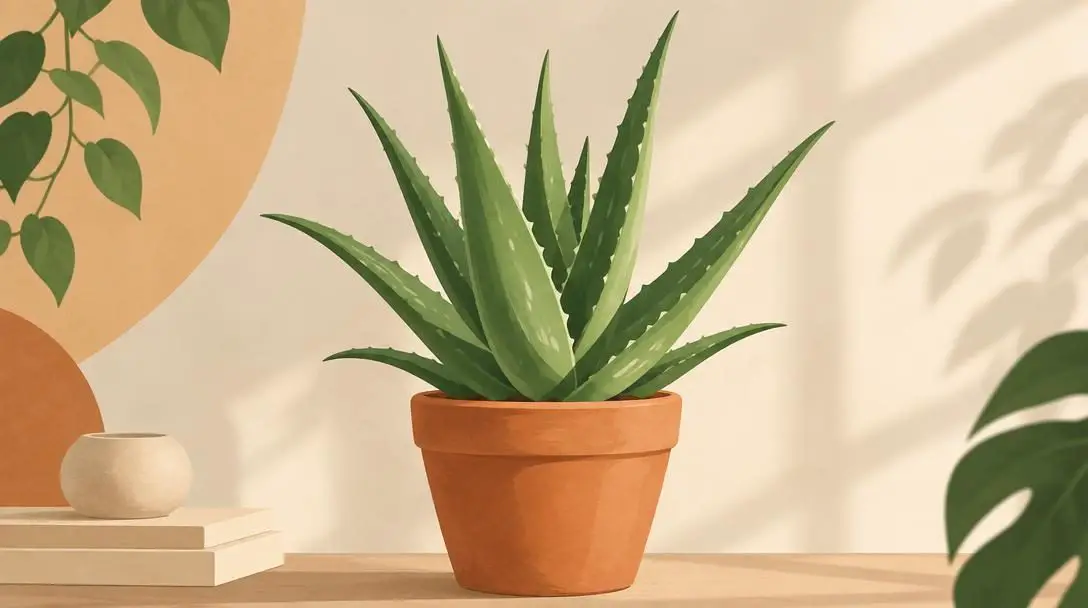
- Light Preference: Bright, indirect light
- Watering Cadence: Roughly once per month (small amount)
- Toxicity: Toxic to household pets
- Functional Use: Topical application for minor cuts and burns
Widely appreciated for its thick, fleshy leaves and sculptural silhouette, aloe is a desert-adapted perennial that demands very little human intervention. It thrives in locations bathed in bright, indirect light, making sunny desks, kitchen counters, and wide window ledges ideal perches. The fastest way to destroy an aloe is overwatering; it strongly dislikes wet substrate and will rot if moisture lingers around its roots.
Between water applications, the potting medium must be permitted to dry out completely. In practical terms, this requires applying a modest volume of water roughly once per month. Beyond its architectural beauty, aloe serves as a natural first-aid resource. Slicing open a mature leaf exposes a soothing inner substance that can be placed directly onto minor cuts and burns. Applying this gel accelerates healing while discouraging the formation of scars. Because aloe is toxic to household pets, it should always be placed on elevated ledges or high bookshelves out of animal reach.
Snake Plant
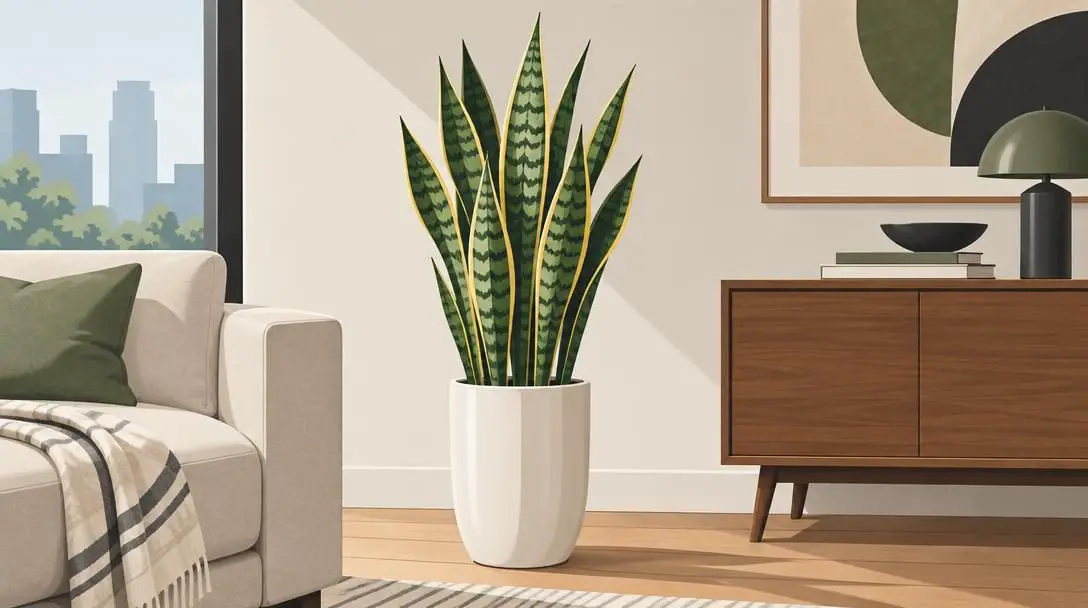
- Alternative Name: Mother-in-law's tongue
- Light Preference: Low light to bright, indirect light
- Watering Cadence: Roughly once per month
- Toxicity: Toxic to household pets
The snake plant, commonly referred to as mother-in-law's tongue, is renowned for its sheer durability. For homeowners whose living spaces receive scarce natural illumination due to building orientation or limited window access, this species is unmatched. It grows comfortably in dim areas, including completely windowless bathrooms, while remaining equally capable of flourishing under bright, indirect illumination.
Its structural upright leaves act as reservoirs, storing hydration and allowing the plant to navigate long stretches of neglect. Water the snake plant roughly once per month, verifying that the growing medium has dried out entirely before adding moisture. Because the snake plant carries toxic properties when ingested by dogs or cats, keep it positioned out of reach of curious household animals.
Succulents
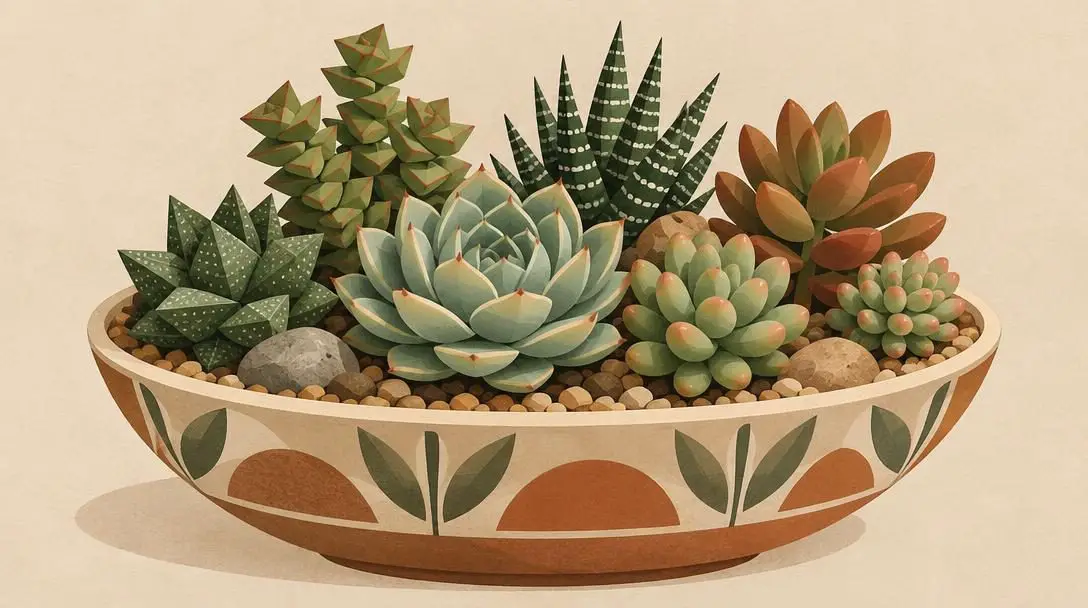
- Light Preference: Bright, indirect light (shield from harsh direct sun)
- Watering Cadence: Roughly once per month
- Toxicity: Toxic to children and household pets
- Rescue Method: Relocate to brighter indirect light if declining
Covering an impressive variety of rosette shapes, textures, and compact growth habits, succulents offer diverse ornamental value while maintaining uniform care requirements. They require bright, indirect illumination to support their structural development. Exposing succulents to harsh, intense direct sunlight can scorch their foliage, whereas placing them in deeply shaded corners causes them to decline.
Overwatering represents the primary hazard when keeping succulents indoors. Their soil must dry out completely between water applications, which translates to a single thorough watering roughly once per month. If a succulent begins to fail or look sickly, moving it into an area with increased indirect light can quickly revive it. Because most succulent varieties are toxic, ensure they are placed high on shelves and away from both young children and pets.
Spider Plants
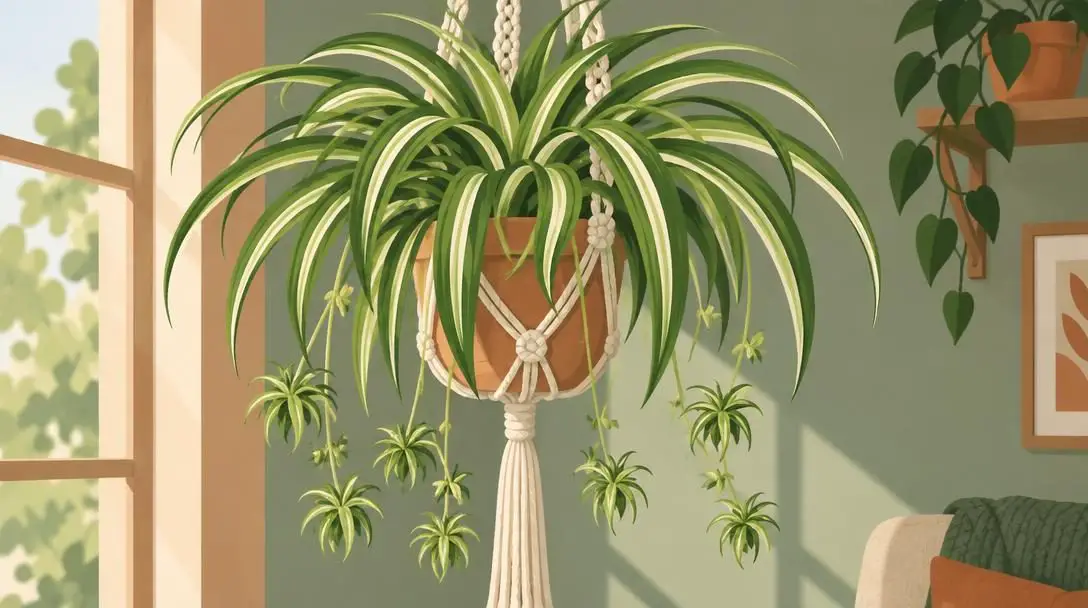
- Light Preference: Bright, indirect light (tolerates most indoor spaces)
- Watering Cadence: Weekly watering, biweekly misting
- Toxicity: Completely non-toxic to household animals
- Propagation: Roots easily from offshoots placed in water
Spider plants are among the most versatile and adaptable indoor plants available. They survive across almost any domestic setting, though they reach their absolute peak when suspended in hanging baskets near a window supplying bright, indirect light. Unlike drought-tolerant desert flora, spider plants appreciate consistent moisture. They should receive water once per week, alongside a gentle misting every couple of weeks to support their foliage.
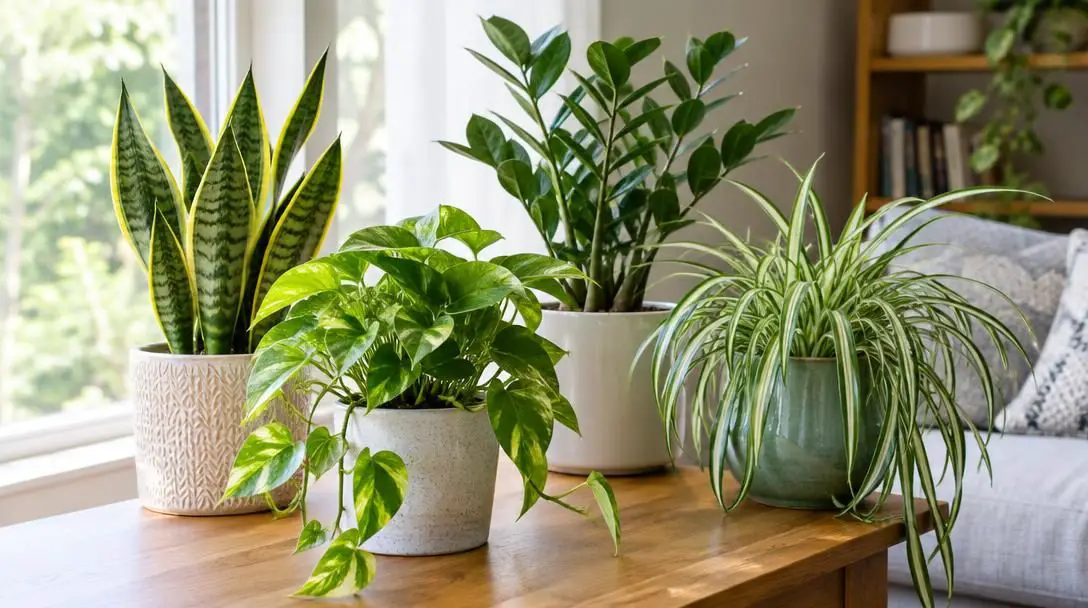
For pet owners, the spider plant provides complete peace of mind, as it is non-toxic to both cats and dogs. As the plant matures, it develops graceful cascading runners that produce miniature offshoots, commonly referred to as "babies." These offshoots provide a effortless entry into plant propagation. Simply trim a baby plant from its runner, set its base into a vessel of water until root structures emerge, and pot it into fresh soil to create a brand-new houseplant.
Pothos
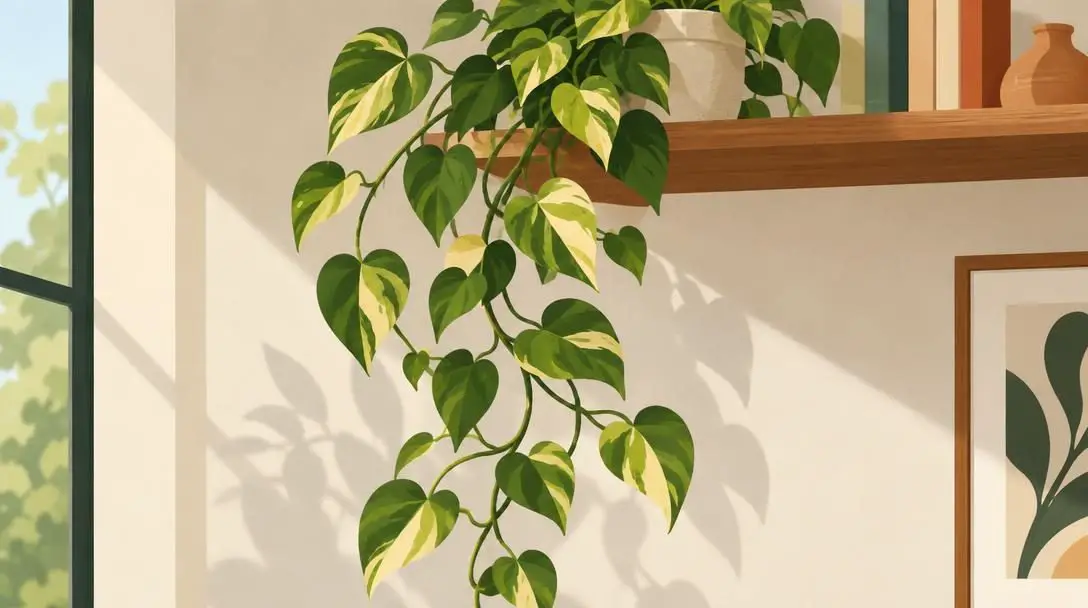
- Alternative Name: Devil's ivy
- Foliage Styles: Marble green, bright yellowish green, golden patterns
- Light Preference: Low light to bright, indirect light
- Watering Cadence: Weekly (immediate water needed if wilting occurs)
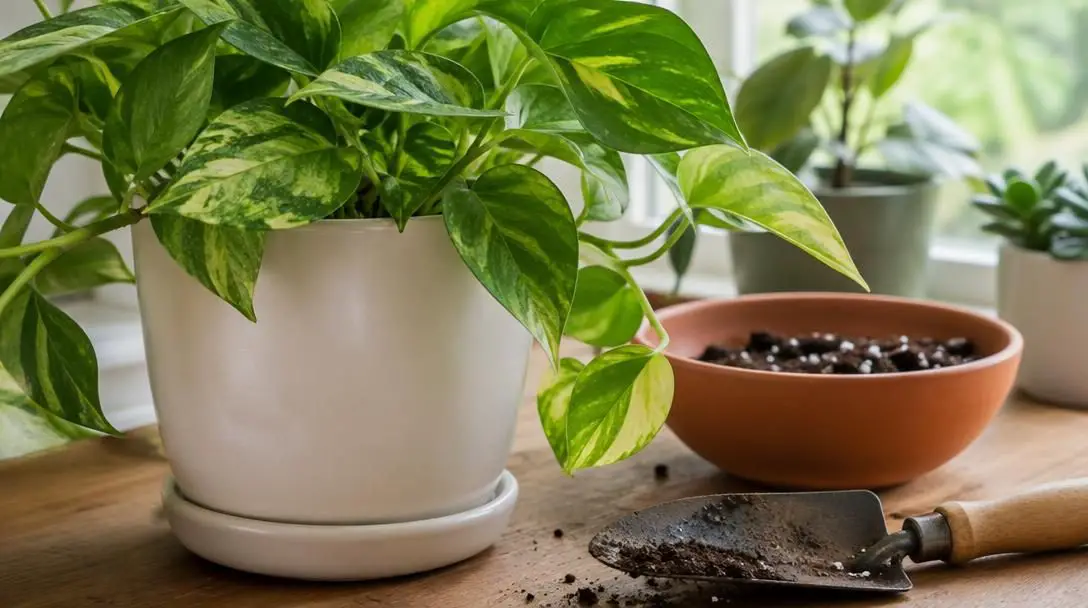
Celebrated under the popular moniker devil's ivy, pothos is a forgiving trailing vine capable of growing across varied interior conditions. It adapts readily to low-light corridors as well as bright spaces receiving indirect sun. Pothos foliage displays diverse coloration styles, including marble green variegated markings, bright yellowish-green shades, and mixed golden patterns that blend yellow and emerald tones.
Pothos performs best on a weekly watering schedule. While it can occasionally survive two weeks between watering sessions, its leaves will visibly wilt during that second dry week. If you observe drooping vines, hydrate the plant immediately and re-establish a strict weekly routine to restore leaf turgor. Because pothos contains toxic compounds harmful to pets, it should be displayed from ceiling hooks or elevated shelving where trailing vines cannot be chewed.
How to Establish a Seamless Plant Care Routine
Creating a structured, repeatable schedule prevents common care errors and ensures that watering, placement, and plant propagation happen smoothly.
- Evaluate room air moisture: Inspect your indoor climate for dry air generated by heating or cooling equipment. Install a humidifier properly sized to the room's total square footage to establish baseline atmospheric moisture.
- Assign locations by light preference: Position aloe, succulents, and spider plants in spots receiving bright, indirect light. Allocate windowless bathrooms and darker corners to snake plants or pothos, keeping succulents out of harsh direct sun.
- Confirm child and pet safety: Elevate toxic selections—including aloe, snake plants, pothos, and most succulents—on high wall shelving, tall armoires, or ceiling hooks. Keep pet-safe spider plants at standard tabletop or window sill levels.
- Follow a weekly watering day for foliage plants: Hydrate your spider plants and pothos once every seven days. If a pothos begins drooping between cycles, water it immediately. Mist your spider plants once every two weeks.
- Execute a monthly watering day for drought-hardy plants: Check aloe, snake plants, and succulents once per month. Verify that their soil has dried out completely before applying water, providing a restrained volume for aloe.
- Propagate spider plant offshoots: Snip dangling plantlets from the parent spider plant's runners. Rest the bottom of each offshoot in a small cup of clean water until visible roots develop, then plant it into fresh potting soil.
Mistakes to Avoid with Low-Maintenance Plants
Even hardy, neglect-tolerant plants suffer when subjected to repetitive care errors. Avoiding these common missteps preserves the health of your collection over the long run:
- Excessive watering frequency: Watering drought-adapted varieties like aloe, succulents, and snake plants on a weekly schedule prevents soil from drying completely, quickly leading to root decay and plant death.
- Misjudging light requirements: Placing succulents in harsh direct sun causes leaf burn, while leaving them in excessively dark rooms leads to rapid decline. If a succulent begins failing, shift it into brighter indirect illumination to aid its recovery.
- Ignoring pet toxicity risks: Assuming all houseplants are benign can endanger family pets. Aloe, snake plants, pothos, and most succulents are toxic and must be positioned out of reach. Only the spider plant in this group is completely animal-safe.
- Using undersized humidifiers: Running a tiny desktop humidifier inside an expansive, open-concept living area fails to raise the ambient moisture enough to relieve dry foliage stress.
Frequently asked questions
Which low-maintenance houseplant is safest for homes with cats and dogs?
The spider plant is completely non-toxic to household animals, making it the safest choice for homes with pets. In contrast, aloe, snake plants, pothos, and most succulents possess toxic properties and must be elevated or placed where pets cannot access them.
How can I tell if my pothos needs to be watered immediately?
Pothos leaves begin to visibly droop and wilt when the plant goes without water for too long, which often happens if watering is stretched toward a two-week interval. When this occurs, supply water immediately and return to a strict weekly schedule to help the plant recover.
Can a snake plant survive in a room that has no windows?
Yes. The snake plant is uniquely capable of adapting to very low light levels, allowing it to survive and grow even in enclosed interior spaces like windowless bathrooms. It also thrives in bright, indirect light if available.
What should I do if my indoor succulent looks like it is dying?
If a succulent is beginning to fail, check both light and moisture. Move the succulent to a spot that provides more bright, indirect light, and ensure that the soil is allowed to dry out completely between monthly waterings rather than staying wet.
How do you propagate a spider plant using its baby offshoots?
To propagate a spider plant, snip one of the small baby offshoots hanging from the mother plant's runner. Place the base of the plantlet into a container of water until root structures form, and then transfer the rooted plant into potting soil.
The Bottom Line
Thriving indoor greenery does not require constant vigilance or complicated horticultural routines. By choosing resilient species like aloe, snake plants, succulents, spider plants, and pothos, you align your indoor garden with plants naturally adapted to tolerate lapses in care. Balancing your watering intervals between weekly schedules for leafy foliage and monthly check-ins for desert succulents, while matching room humidity to space dimensions, ensures vibrant, enduring foliage throughout your living space.