5 Scientific Facts All Fish Owners Should Know!
Watching a pet fish drift gracefully through an aquarium often feels like a snapshot of simple, effortless living. Yet behind the glass, aquatic pets experience their environment with a degree of awareness that surprises even veteran aquarists. According to data from the U.S. Department of Agriculture, one in eight households—representing roughly 12 million homes—includes a pet fish, accounting for a national population of more than 158 million fish across the country. Despite their popularity, these aquatic animals are widely underestimated in terms of their intelligence, physiology, and emotional impact on their keepers.
Rigorous scientific research reveals that aquarium fish possess sophisticated sensory capacities, distinct biological schedules, and the ability to forge unexpected bonds with their human caregivers. Learning how fish see, rest, and respond to environmental stimuli transforms routine tank maintenance into mindful husbandry, improving animal welfare while unlocking the documented mental health benefits of maintaining a living aquatic habitat.
Key takeaways
- Fish possess the visual acuity to differentiate between individual human faces and track physical rearrangements in the room around them.
- Aquarium observation provides measurable mental health perks, lowering stress levels and calming brain activity during tense situations.
- Children who care for fish cultivate empathy and achieve higher academic outcomes, including superior grade point averages and SAT scores.
- Aquarium fish lack eyelids and require dedicated periods of darkness to enter restorative sleep cycles at the bottom of the tank.
- Controlled studies prove fish experience genuine physical pain, modify their behavior when hurt, and retain trauma memories for up to five months.
At a glance: Five scientific realities of fishkeeping
Modern behavioral biology and veterinary science have overturned decades of casual assumptions regarding domestic fish. The table below outlines how scientific findings contrast with long-standing cultural myths about captive fish behavior.
| Biological dimension | Outdated assumption | Scientific reality | Practical care implication |
|---|---|---|---|
| Visual perception | Blurry vision, oblivious to tank surroundings | Recognizes specific human faces and room layouts | Avoid jarring movements or sudden shifts beside the tank |
| Human interaction | Passive decoration with no physiological effect | Lowers human stress levels through rhythmic motion | Position tanks in high-tension areas like offices or classrooms |
| Youth development | Disposable starter pet with minimal educational value | Teaches responsibility, boosting academic focus and GPA | Assign age-appropriate feeding and cleaning schedules to children |
| Rest patterns | Never sleep or rest whenever they choose | Require total darkness to sleep with open eyes | Implement consistent 8- to 10-hour nighttime dark cycles |
| Pain & memory | Three-second memory and zero pain sensation | Possess pain receptors and five-month memory recall | Eliminate sharp tank decor and maintain stable water parameters |
Five scientific discoveries about aquarium fish
Controlled experiments across animal psychology, marine science, and human health have documented that fish are far more dynamic than popular culture suggests. These five peer-reviewed insights reshape what it means to keep fish at home.
Fact 1: They recognize individual faces and environmental shifts
Fish are active observers of their terrestrial surroundings. Research demonstrates that fish can recognize the facial structures of other fish of the same species and distinguish their owners from strangers. In facial recognition trials, fish were presented with digitally altered images of other fish and consistently recognized familiar individuals. If a companion fish named Sam passes away, a surviving tank mate named Jack will recognize that an introduced replacement is not his former companion.
Beyond identifying their tank mates, fish readily identify their human caretakers, connecting specific human approaches to regular feeding times. Their visual range also extends deep into the living space outside the tank. Fish detect alterations to room decor, such as a rearranged sofa or newly painted walls, proving their vision is keenly tuned to the domestic setting beyond the glass.
Fact 2: Fish habitats measurably alleviate human stress
Watching an aquarium is a powerful, spontaneously initiated therapy that requires no special training or cognitive effort. Medical evaluations indicate that observing the gentle, rhythmic motion of swimming fish and swaying aquatic flora calms brain waves and relieves muscular tension, even during acute stress. The tranquil movement of water provides an innate grounding effect that counteracts daily mental fatigue.
The National Library of Medicine evaluated nineteen studies that examined the relationship between aquariums and human mood. While all nineteen studies noted preliminary support for mood elevation, researchers observed that the underlying methodologies carried no significant risk of bias, confirming the reliable calming nature of aquatic setups in homes, hospitals, and stressful work environments.
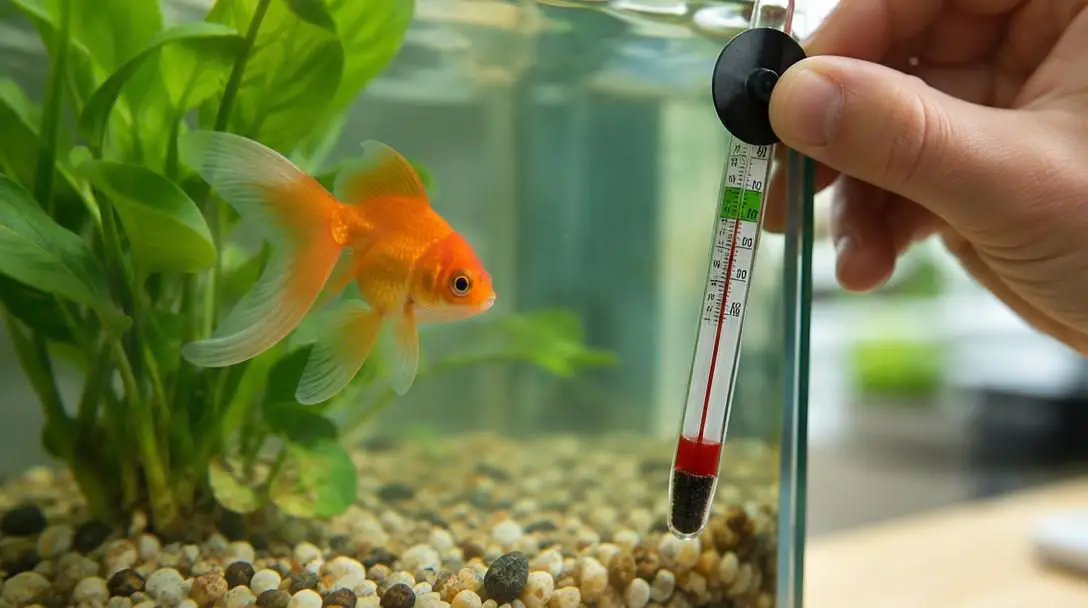
Tending to an aquarium offers an innate soothing influence that calms the human nervous system through the rhythmic sway of water and aquatic life.
Fact 3: Caring for fish enhances childhood empathy and academic performance
Because domestic fish are manageable, smaller than children, and demand regular daily interaction at feeding time, they serve as exceptional starter pets for young learners. Managing an aquarium fosters empathy, responsibility, and emotional regulation. In classroom settings, educators frequently assign tank duties on a rotating schedule, teaching social cooperation and shared accountability while creating a peaceful classroom atmosphere.
The academic correlations linked to fish ownership are remarkably strong:
- Standardized test advantages: Students who keep fish achieve the highest scores on both the math and verbal sections of the SAT, outscoring non-pet owners by an average of 200 points.
- Grade point averages: High school students who care for fish or other household pets maintain an average GPA of 3.5, compared to an average GPA of 3.2 for peers without pets.
- Executive functioning: Daily feeding routines and water chemistry upkeep reinforce structured time management skills that translate directly into study habits.
Fact 4: Fish sleep in darkness and lack protective eyelids
Like mammals, aquarium fish require restorative rest to sustain their metabolic functions and immune systems. When ambient lights are switched off, fish enter a resting state, typically hovering near the bottom substrate or retreating into sheltered decor to conserve energy. Disruptions to this schedule leave fish susceptible to sleep deprivation and behavioral disorders.
Because fish have no eyelids, they cannot close their eyes to block artificial illumination. Leaving tank lights active overnight forces fish into perpetual sensory exposure. Maintaining a consistent day-and-night light schedule is essential for protecting their neurological stability and natural biological rhythms.
Fact 5: Fish perceive genuine pain and hold five-month memories
A landmark study published in the Philosophical Transactions of the Royal Society B, led by Dr. Lynne Sneddon of Liverpool University, conclusively proved that fish possess nociceptors and experience pain in a manner comparable to humans. In the research trials, fish that had been caught with a fishing hook showed a marked reduction in feeding drive. Furthermore, fish subjected to localized electric shocks in their customary feeding zone avoided that specific area of the tank for days afterward.
The research established several explicit behavioral indicators that fish display when suffering physical trauma or environmental distress:
- Reduced activity levels: Ceasing normal swimming patterns and remaining stationary in sheltered corners.
- Appetite suppression: Refusing familiar foods even when delivered at standard feeding intervals.
- Protective rubbing: Rubbing the affected, injured body area against tank walls or gravel substrate.
- Respiratory distress: Rapid opercular movements and hyperventilation.
The investigation showed that distress induced by extreme heat or injury is alleviated when the animals receive pain relief medications. Moreover, research debunked the popular cultural myth of a three-second goldfish memory, establishing that fish retain memories for up to five months. Because painful experiences generate long-lasting negative associations, fish require gentle handling and a safe, stable habitat.
How fish process their aquatic world
Providing exceptional aquarium care begins with understanding the neurological systems that drive fish behavior. Their anatomy reflects deep adaptations to underwater living that govern how they interact with their environment.
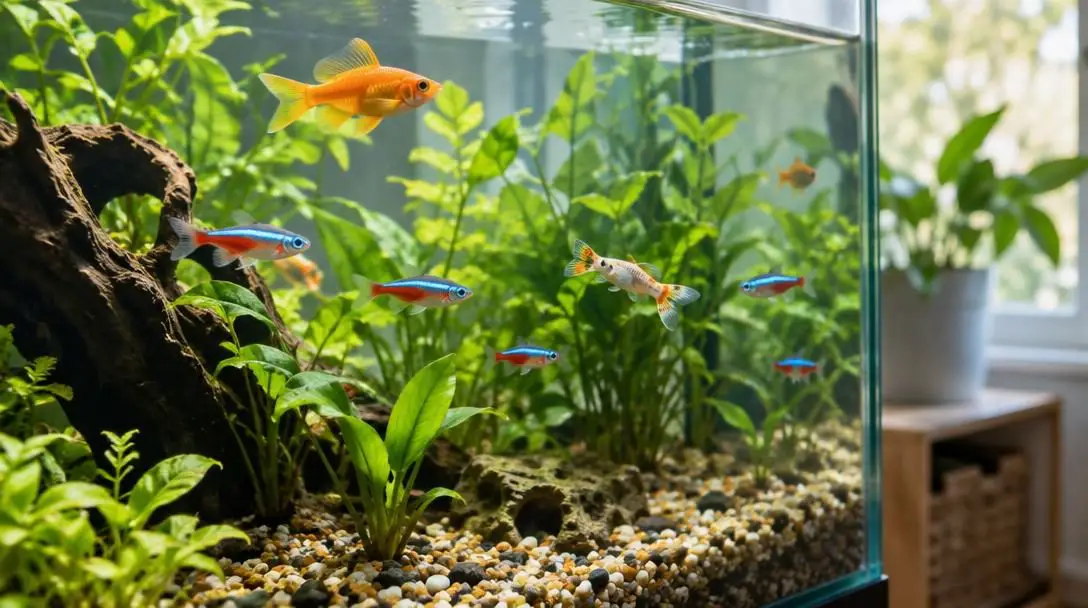
Visual recognition pathways: Fish process intricate visual patterns across short and medium distances. Their eyes adapt to light changes and track small facial features, enabling them to catalog specific human caretakers and register changes in furniture placement outside the glass enclosure.
Long-term memory mapping: A five-month memory span allows fish to construct complex mental maps of their environment. They recall safe resting zones, anticipate feeding schedules, and actively avoid zones where they encountered physical hazards or abrasive objects.
Nociceptive nervous networks: The nervous system of a bony fish contains specialized pain receptors that register thermal, chemical, and mechanical damage. These nerve fibers trigger physiological stress cascades, prompting immediate behavioral defenses like reduced movement, substrate rubbing, and hyperventilation.
Circadian metabolic regulation: Ambient light levels directly regulate hormone release in fish. As darkness falls, their metabolic rate drops, their heart rate slows, and they sink toward the bottom of the water column to enter a sleep state without the protective aid of eyelids.
Step-by-step guidelines for scientifically sound aquarium care
Implementing laboratory-backed insights into your home or classroom aquarium routine prevents chronic distress and keeps your aquatic pets healthy and mentally engaged over their full lifespan.
- Establish an automated day-night cycle: Connect your aquarium canopy light to an electrical timer. Provide between 8 and 10 hours of illumination during daylight hours, followed by complete darkness or very dim room lighting at night so fish can enter restorative sleep.
- Maintain a stable external room setting: Position the aquarium away from high-traffic doorways, heavy vibrations, and shifting decor. Refrain from making drastic furniture changes directly adjacent to the glass to prevent disorientation.
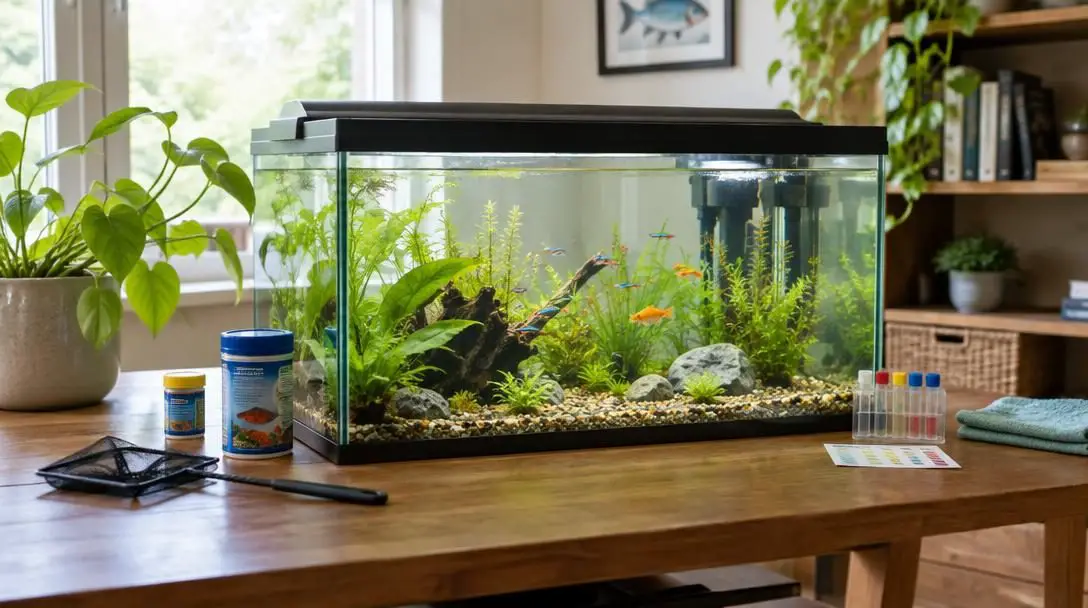
- Inspect decor for sharp edges: Run a soft nylon stocking over artificial plants, rocks, and driftwood before introducing them to the tank. If the fabric snags, the ornament can tear delicate fish tissue and activate painful nerve endings.
- Establish structured youth feeding duties: Assign feeding responsibilities to young family members or students on a regular, metered schedule. Consistent feeding reinforces organizational habits while familiarizing the fish with specific human caregivers.
- Monitor behavioral warning signs daily: Spend two minutes during daily feedings checking for rapid breathing, clamped fins, physical rubbing against ornaments, or food refusal. Catching these distress markers early allows for prompt water parameter corrections.
Frequent mistakes fish owners make
Even dedicated hobbyists can fall victim to widespread myths regarding fish keeping. Avoiding these common mistakes will protect your aquatic pets from unnecessary suffering and premature loss:
- Leaving aquarium illumination on continuously: Assuming fish can rest whenever they wish overlooks their lack of eyelids. Constant light causes severe sleep deprivation and systemic exhaustion.
- Dismissing symptoms of pain or trauma: Overlooking hyperventilation, substrate rubbing, or prolonged hiding treats systemic distress as harmless quirks rather than indicators of injury or poor water chemistry.
- Underestimating memory duration: Believing fish forget traumatic events in seconds leads to careless maintenance. Rough netting or abrasive tank handling creates stress responses that persist for months.
- Replacing tank companions abruptly: Because fish recognize the faces of their peers, immediately introducing a replacement fish without a gradual visual transition can trigger territorial friction and social stress.
- Positioning the aquarium in high-chaos zones: Placing an enclosure near blaring televisions, heavy foot traffic, or drafty hallways causes persistent stress due to their acute awareness of external room disruptions.
Frequently asked questions
Do aquarium fish really recognize who feeds them?
Yes. Scientific studies confirm that fish can distinguish individual human faces from one another. They quickly associate the physical appearance, movement, and silhouette of their specific caregiver with feeding routines, swimming to the water's surface when that person approaches.
How can you tell if a fish is sleeping without eyelids?
Because fish cannot close their eyes, they enter sleep by hovering motionless near the bottom substrate, inside hollow decor, or among plant foliage. During this period, their respiration rate slows significantly, and their responsiveness to minor external movements drops.
How long does a fish's memory actually last?
Contrary to the myth of a three-second memory span, scientific evaluations demonstrate that fish possess a memory duration of up to five months. They remember feeding locations, previous exposure to painful stimuli, and the physical layout of their habitat over extended periods.
What behaviors indicate that an aquarium fish is in pain?
A fish experiencing physical pain or severe distress will typically stop eating, become lethargic, rub the affected area of its body against aquarium gravel or hard ornaments, and hyperventilate through rapid gill movements.
Why does keeping an aquarium help students perform better in school?
Caring for an aquarium builds daily routines, personal accountability, and empathy. The calming visual stimulation lowers anxiety, while structured chore management supports focus, translating into higher average GPAs and improved standardized test performance.
The bottom line
Far from being simple, automated ornaments, aquarium fish are sentient, observant animals capable of recognizing human faces, feeling genuine physical pain, and retaining memories for months. By respecting their need for predictable day-and-night cycles, gentle handling, and peaceful surroundings, fish owners can cultivate a healthy, stimulating aquatic habitat. In return, these aquatic companions deliver verified psychological tranquility, reducing stress in our households and fostering empathy and intellectual growth in young learners.