5 Easy Ways to Make Your Garden More Impressive
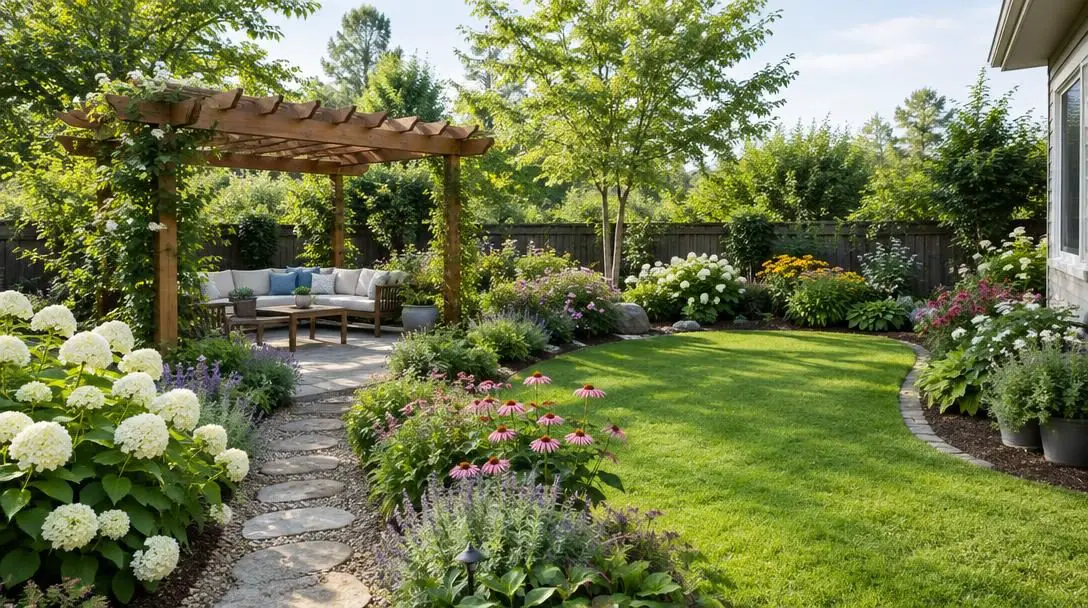
A residential garden is fundamentally more than a simple patch of dirt populated by flowers and shrubs; at its best, it serves as an authentic sanctuary from the demands of everyday life. Many homeowners assume that creating an impressive, tranquil backyard requires professional landscape architecture credentials, exhaustive botanical expertise, or an exorbitant budget. In truth, transforming a modest outdoor footprint into a restorative personal retreat requires only a willingness to view your space through an intentional design lens.
Traditional approaches to residential yards frequently treat planting as an afterthought, leading to disorganized garden beds, clashing color schemes, and cramped borders that look chaotic rather than inviting. By stepping back and evaluating your yard as a unified visual composition—paying deliberate attention to color palettes, physical spacing, seasonal cycles, vertical structure, and staggered layering—you can turn an ordinary lawn into a captivating, timeless landscape that commands admiration throughout the year.
Key takeaways
- Curating a cohesive color palette with variegated foliage creates depth without causing visual chaos.
- Leaving intentional breathing room prevents overcrowding and allows standout specimens to shine.
- Planning for autumn foliage and winter berries ensures continuous visual appeal across all four seasons.
- Introducing vertical elements such as garden arches, sculptural shrubs, and ornamental art establishes commanding focal anchors.
- Staggering plants in overlapping tiers produces an organic, mature aesthetic that rigid, straight lines cannot match.
The visual dynamics of polished outdoor design
Understanding why certain landscape layouts look refined while others feel disheveled comes down to basic visual dynamics. When an observer steps into an expertly planned garden, their eyes move smoothly from one focal point to the next without cognitive fatigue. This effortless movement is achieved through the calculated interaction of color temperature, negative space, geometric structure, and physical depth.
Color acts as the most immediate sensory trigger in an outdoor setting. While nature is inherently vibrant, unleashing a riot of conflicting blooms without a guiding framework often backfires, creating visual discord. Committing to a primary color theme while using contrasting, complementary tones sparingly establishes deliberate balance. Furthermore, incorporating variegated foliage ensures that the landscape maintains rich visual texture and subtle tonal transitions even when seasonal flowering cycles conclude.
A garden reaches its highest potential when plants are granted the breathing space necessary to be appreciated as individual living sculptures.
Physical space and geometry dictate how relaxing an outdoor environment feels to the human mind. When every square foot of topsoil is crammed with greenery, the eye cannot isolate individual specimens, resulting in uncomfortable visual clutter. Negative space—the open, unplanted breathing room around garden beds—is just as vital as the plants themselves. Paired with vertical variations like towering grasses and structural arches, this spatial breathing room provides the structural skyline needed to keep a yard from feeling flat and monotonous.
Five core strategies for an impressive backyard retreat
Upgrading your property does not demand a complete, overnight overhaul. By focusing your energy on five primary landscape strategies, you can immediately elevate your garden's aesthetic presence and long-term vitality.
| Strategy | Primary Design Focus | Key Elements to Use | Visual Impact |
|---|---|---|---|
| Statement Color | Harmonious palettes and leaf patterns | Complementary blooms, variegated foliage | Refined cohesion without chaotic clashing |
| Decluttered Layout | Spatial geometry and breathing room | Thinning borders, unplanted negative space | Elevates individual plants and eases maintenance |
| Year-Round Appeal | Four-season environmental shifts | Fall trees, winter berries, color-shifting shrubs | Sustained visual interest through cold months |
| Bold Focal Anchors | Architectural scale and verticality | Arches, garden art, sculpted hedges, tall grasses | Breaks up flat horizons and directs the eye |
| Staggered Layers | Organic spacing and natural depth | Overlapping tiers of varying plant heights | Creates a mature, effortless, woodland feel |
Make a statement with a curated color palette
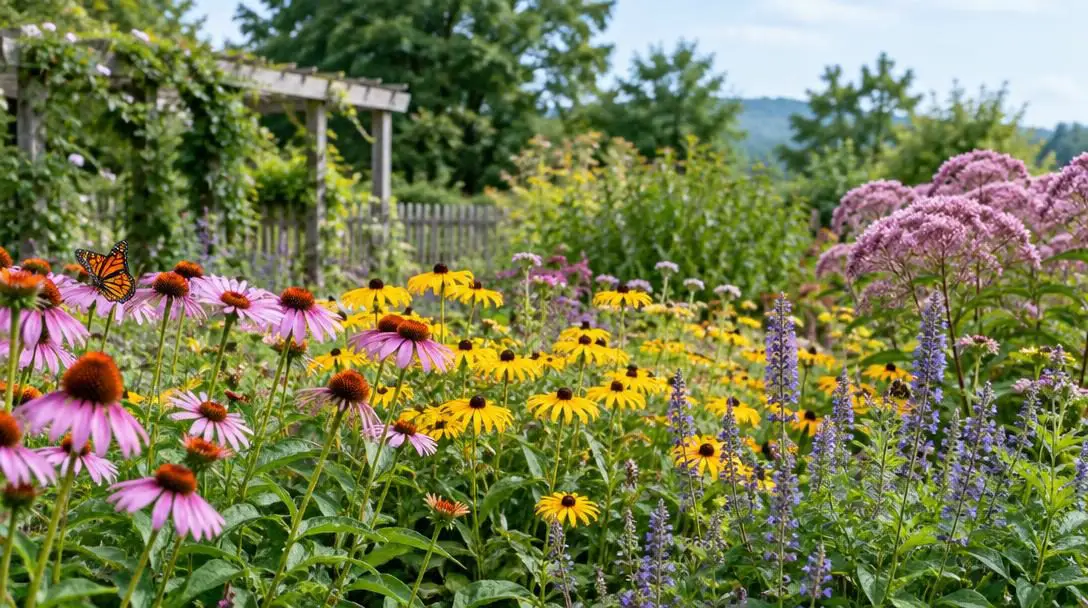
Rather than buying random assortments of blooming annuals at the local nursery on impulse, develop an intentional color scheme. A curated palette does not mean your yard must look monochromatic or repetitive. Instead, select a primary color family—such as cool blues and purples, or warm reds and golds—and explore its complete spectrum, moving from gentle pastel washes to deep, moody tones.
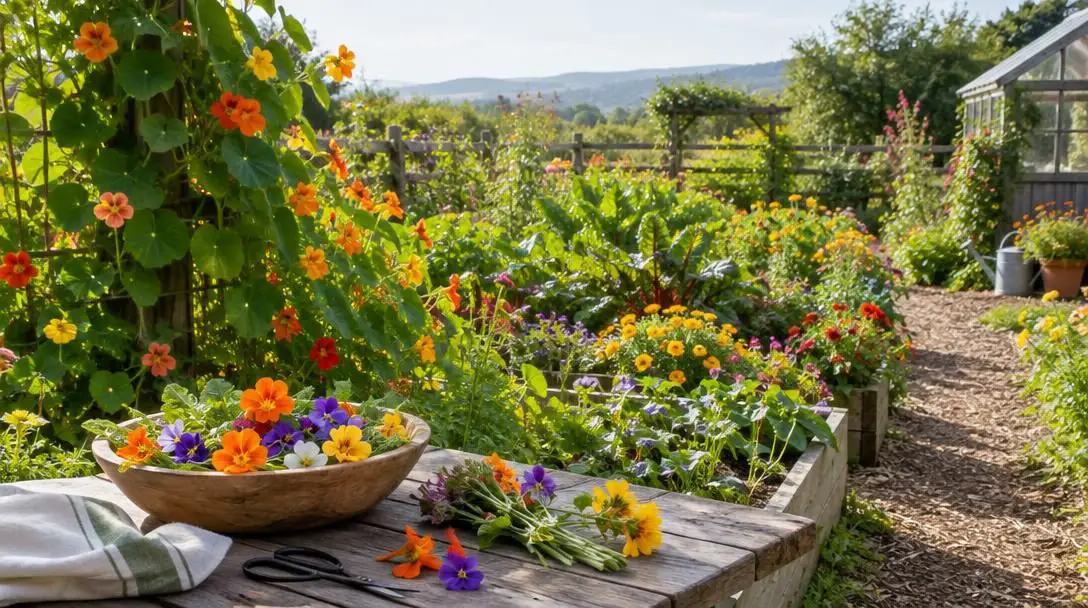
To keep the composition lively, deploy complementary colors as calculated accents. A single pop of bright yellow or rich orange placed against deep violet blossoms instantly energizes the entire bed. Do not overlook the power of foliage: incorporating variegated plants—those boasting leaves with cream margins, silver striations, or marbled patterns—supplies enduring color contrast that continues long after delicate flower petals drop.

Simplify the layout to eliminate visual clutter
One of the most frequent missteps in residential gardening is overplanting. When every square inch of garden bed is packed tight with competing species, individual plants lose their distinct silhouettes, blending into a tangled mass. High-end landscape design leans heavily into deliberate restraint, employing simplicity to make a powerful visual impression.
Permit each plant to have dedicated space where its foliage can expand naturally without suffocating its neighbors. Introducing open mulch zones, clean lawn buffers, or gravel pathways between distinct planting pockets gives the human eye a place to rest. This spatial discipline not only showcases your prized specimens to maximum advantage, but it also dramatically improves airflow around the foliage, deterring mold, mildew, and pest infestations.
Cultivate four-season interest across the calendar
A garden should never be treated as a seasonal novelty that exists solely between May and August. A truly impressive yard remains striking through crisp autumn chills and bleak winter mornings. Designing for all twelve months requires selecting plants based on what they do after their summer petals fade.
Incorporate deciduous trees and ornamental shrubs that blaze with intense copper, scarlet, or amber foliage during the autumn months. For winter interest, invest in robust bushes that produce vivid red or orange berries, or species featuring dynamic bark coloration. When snow falls or the landscape turns dormant, these structural stems and berry clusters provide sharp, stunning contrast against barren ground, ensuring your outdoor haven never feels abandoned.
Introduce bold focal anchors and vertical features
A garden that sits on a single, uniform height plane quickly becomes forgettable. Introducing vertical dimension and bold focal points establishes clear visual anchors that draw the gaze upward and organize the broader landscape. Architectural features interrupt monotonous horizons and give your outdoor space a strong sense of purpose.
Consider placing wooden or wrought-iron arches over transitional thresholds, such as the entrance to a stone pathway or the boundary between a patio and a flower border. Complement these structures with living vertical elements, such as sculpted evergreen bushes, columnar trees, or feathery ornamental grasses that sway in the breeze. You can also integrate weather-resistant garden sculptures or bold stone urns within planting beds to serve as artistic focal points that tie the organic surroundings together.
Stagger plantings in multi-layered tiers
Planting in stiff, ruler-straight rows makes a residential garden look rigid, artificial, and uninspired. In natural settings, vegetation clusters in overlapping, organic groupings. Emulating this staggered approach creates natural depth, turning flat flower beds into dynamic, multidimensional showcases.
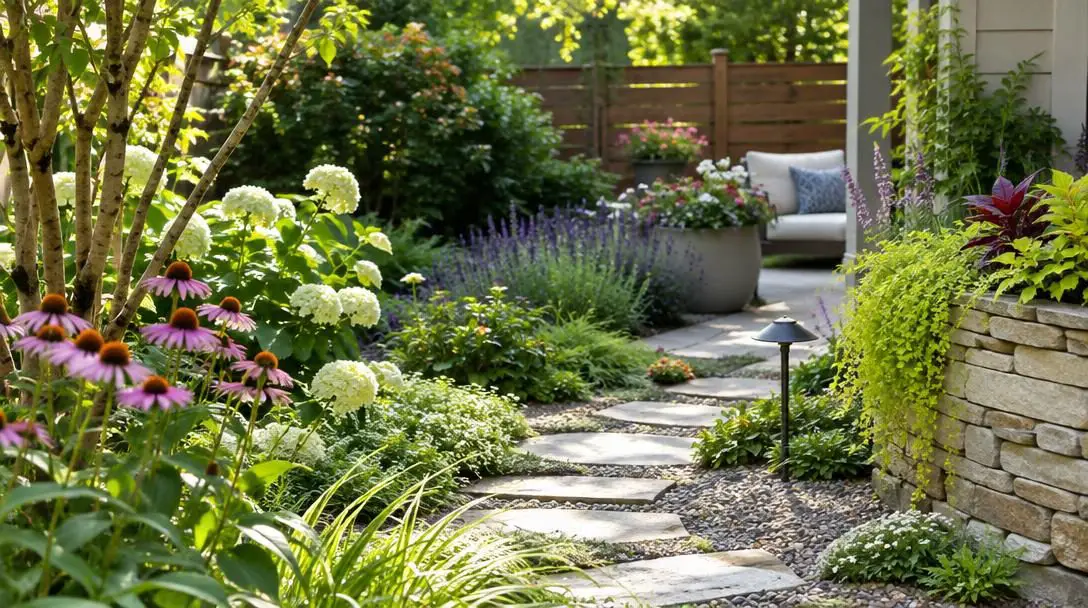
To execute a staggered layout effectively, organize beds into clear visual tiers. Place your tallest ornamental grasses, structural shrubs, and tall perennials toward the back of the border or in the center of an island bed. Position mid-sized flowering plants in the intermediate zone, and finish with low, sprawling groundcovers along the front perimeter. Weaving these layers together in alternating, zigzag patterns creates an eclectic, established environment that appears to have matured effortlessly over decades.
Step-by-step roadmap to transform your garden
Executing a comprehensive garden redesign can feel daunting, but breaking the project into sequential stages makes the work manageable and rewarding. Follow these practical steps to systematically elevate your outdoor space:
- Walk your property line and establish an assessment of sightlines, noting congested areas, empty gaps, and flat visual horizons.
- Establish a defined color palette for your primary beds, selecting foundational hues, complementary accent colors, and variegated foliage varieties.
- Thin out congested planting zones by relocating or removing crowded specimens to establish necessary breathing room.
- Conduct a seasonal audit to identify winter and late-autumn bare spots, marking locations for berry bushes and color-shifting trees.
- Install vertical accents, such as entryway arches, standalone garden art, or towering ornamental grasses, to establish architectural anchors.
- Reorganize your beds using staggered layering, setting tall varieties at the rear, mid-sized plants in the center, and creeping groundcovers in front.
Common garden design mistakes to avoid
Even passionate outdoor enthusiasts frequently fall victim to common design traps that inadvertently detract from their garden's potential. Maintaining vigilance against these pitfalls ensures your space remains polished and healthy:
- Overcrowding plantings: Squeezing specimens too close together strips them of their individual beauty and invites disease through poor air circulation.
- Summer-only plant selection: Relying exclusively on warm-season blooms leaves the yard barren and bleak from October through March.
- Stiff geometric alignments: Arranging all borders and shrubs in severe, linear rows produces a sterile, institutional appearance rather than a soothing sanctuary.
- Uncontrolled color collisions: Mixing dozens of clashing flower tones without a unifying palette creates visual disorientation instead of an impressive statement.
- Ignoring non-floral textures: Neglecting foliage variations, structural bark, and ornamental grasses leaves the garden feeling one-dimensional whenever flowers fade.
- Failing to introduce vertical height: Keeping all plantings at waist height creates a flat, underwhelming visual experience across the entire lawn.
Long-term considerations: light, maintenance, and maturation
A well-designed landscape is never static; it is a dynamic, living system that evolves with each passing season. Once your structural features and layered beds are in place, ongoing observation will help you fine-tune the space as it matures. Understanding how external elements interact with your design choices ensures your yard retains its polished edge over time.
Track how natural sunlight moves across your property during different times of the year. Morning sun offers crisp, directional illumination that highlights dew on variegated leaves, while the golden glow of late afternoon can dramatically alter the intensity of your chosen color palette. Furthermore, shadows cast by structural arches, tall grasses, and decorative sculptures will shift drastically between the summer solstice and mid-winter, offering opportunities to reposition understory plants for optimal growth and visual drama.
Ongoing maintenance becomes significantly more enjoyable when built upon a disciplined layout. Because you have committed to negative space and proper plant intervals, routine tasks like mulching, edging, and weeding require far less effort. During seasonal pruning sessions, focus on maintaining the natural silhouette of your staggered tiers, preventing aggressive spreaders from encroaching on neighboring specimens. Regular observation allows you to make subtle, informed tweaks each spring, safeguarding your garden's status as an enduring personal oasis.
Frequently asked questions
How can I pick a garden color palette that looks natural?
Choose one primary color group that complements your home's exterior, such as cool blues and purples or warm oranges and yellows. Add depth by using different tones of that same hue, then introduce a single complementary accent color alongside variegated green-and-white foliage for contrast.
Why is negative space so important in a flower bed?
Negative space provides visual relief, allowing the human eye to isolate and appreciate individual plant specimens. Without open spaces of mulch, lawn, or gravel, a garden quickly turns into a cluttered, overwhelming thicket that diminishes the beauty of your best flowers.
What are the best elements for creating winter garden interest?
Incorporate structural bushes that produce bright berries, shrubs with vibrant stems, and plants that change foliage color as temperatures drop. These persistent elements provide vivid splashes of color and structural contrast against snow, frost, and bare soil.
How do I transition a stiff, straight border into a staggered layout?
Begin by repositioning plants into an alternating zigzag configuration rather than a single line. Arrange the tallest specimens in the background, place medium-height blooming perennials in the middle tier, and edge the front border with low-growing groundcovers to create organic depth.
Do vertical arches require climbing vines to look good?
While flowering vines look lovely on an arch, a well-crafted wooden or wrought-iron arch provides instant architectural value on its own. It serves as a visual frame for pathways and distinct garden zones, breaking up flat horizons regardless of plant growth.
The bottom line
Crafting an impressive outdoor retreat does not hinge on spending vast sums of money or hiring teams of landscape contractors. By moving away from haphazard planting habits and embracing foundational design principles—unified color palettes, open breathing room, four-season planning, architectural verticality, and staggered tiers—you can elevate any residential yard into a breathtaking personal sanctuary. With thoughtful planning and deliberate care, your garden will provide endless tranquility for your household while remaining the envy of your neighborhood all year long.