5 French NGOs Making The World A Better Place
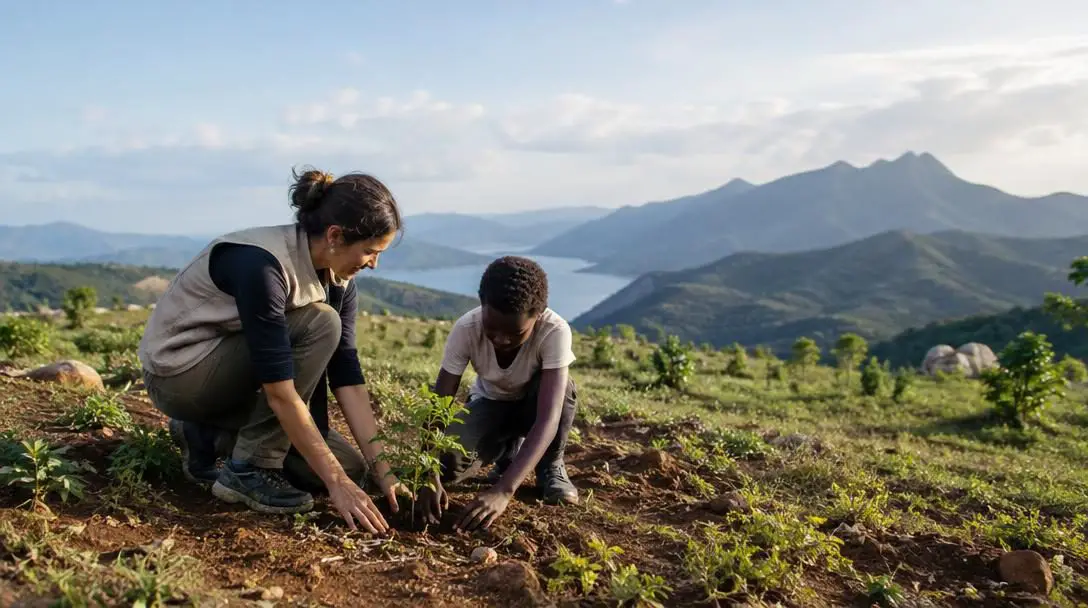
Non-governmental organizations, widely known as NGOs, are independent entities that operate outside direct governmental control. Typically established on a non-profit foundation, these groups emerge directly from civil society to tackle pressing challenges that public safety nets and private commercial markets fail to address adequately. Although casual naming conventions sometimes cause confusion regarding national origins, Italy boasts a deep historical tradition of mutual aid, voluntary networks, and civic solidarity committed to lifting vulnerable groups both at home and abroad.
Today, the Italian non-profit sector addresses an extensive spectrum of humanitarian challenges, spanning immediate disaster intervention, pediatric healthcare, legal assistance for survivors of violence, international ecological protection, and the mitigation of rural poverty. By mobilizing devoted community volunteers, coordinating with skilled specialists, and executing strategic educational programs, these organizations work to transform emergency response into lasting, sustainable social resilience.
Key takeaways
- Italian civil society organizations address complex needs ranging from local rural deprivation to global ecological and humanitarian emergencies.
- Notable groups provide specialized assistance, such as comprehensive legal and psychological care for survivors of organized crime and holistic pediatric support for chronic illness.
- Effective non-profit operations rely on a combination of rigorous field evaluations, multidisciplinary interventions, public advocacy, and direct resource distribution.
- Meaningful civic engagement requires targeted research, direct communication regarding needed supplies, and consistent support that extends well beyond short-term emergency headlines.
Spotlight on five standout non-governmental organizations
A detailed examination of prominent organizations based in Italy demonstrates the sheer diversity of strategies required to confront modern vulnerability and social distress. Ranging from global relief missions to focused community interventions, these groups demonstrate how tailored aid can bring meaningful relief to populations in acute need.
NPO Italia
- Founded: 2003
- Focus area: Humanitarian crisis intervention and economic development
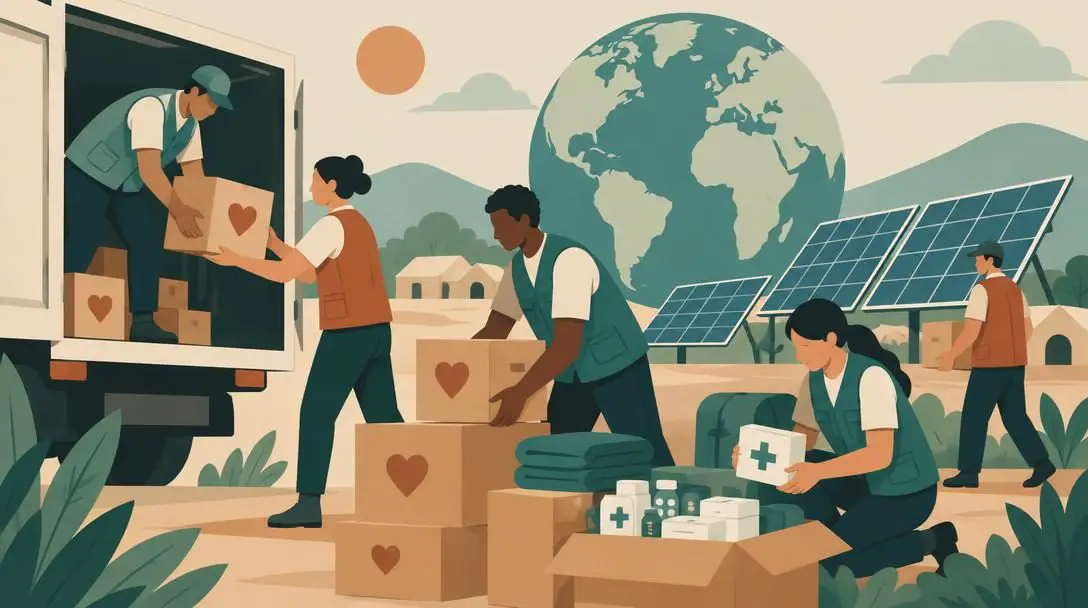
- Key activities: Refugee support, disaster relief, climate awareness, and medical supply distribution
Formed in 2003, NPO Italia operates as a dedicated humanitarian organization committed to assisting vulnerable populations across the globe. The organization concentrates its resources on communities confronting sudden, acute crises, with a strong emphasis on displaced refugees and populations destabilized by natural disasters. Rather than limiting its scope to short-term emergency aid, NPO Italia designs long-term economic development initiatives within recently developed nations, creating structural economic stability that allows communities to thrive independently after an emergency ends.
In addition to physical relief initiatives on the ground, NPO Italia places substantial emphasis on global advocacy, highlighting critical ecological topics like climate change and its human consequences. When extraordinary situations arise, the organization readily pivots to fulfill emerging humanitarian needs; during the COVID-19 pandemic, NPO Italia mobilized to supply essential medical equipment and care supplies directly to heavily impacted communities.
Associazione 21 Luglio

- Primary mission: Supporting survivors of organized crime and violence
- Services provided: Psychological counseling, social reintegration, and formal legal advocacy
- Outreach scope: Schools, correctional facilities, medical centers, and law enforcement
Associazione 21 Luglio addresses a uniquely sensitive domestic issue: providing comprehensive care to survivors of organized crime and systemic violence across Italy. Recognizing that severe trauma causes deep legal, financial, and emotional fallout that extends far beyond initial bodily harm, the group provides an integrated suite of psychological counseling, social work support, and legal representation to victims and their extended family members. This multi-layered strategy gives survivors both the formal legal backing and the psychological balance required to reintegrate safely into society.
Beyond individual casework, Associazione 21 Luglio invests heavily in community violence prevention. The association regularly leads coordinated educational programs within primary and secondary schools, correctional institutions, medical clinics, and police departments, raising institutional awareness about the societal dangers posed by organized crime while teaching tangible conflict prevention methods.
Greenpeace Italy

- Organizational role: Italian branch of the global Greenpeace network
- Environmental focus: Renewable energy, waste reduction, and biodiversity preservation
- Advocacy targets: Air pollution, nuclear plant emissions, sustainable farming, and coral reefs
Operating as the Italian branch of the renowned international environmental movement, Greenpeace Italy mobilizes against human-driven ecological degradation. The organization advocates for practical sustainability through multifaceted initiatives aimed at lowering municipal air pollution, phasing out fossil fuels in favor of renewable energy sources, and defending threatened biodiversity. Their watchdog activities extend to monitoring and curbing emissions linked to nuclear power facilities, pushing for aggressive industrial waste reduction, and encouraging sustainable agricultural practices that safeguard natural soils and watersheds.
On an international scale, Greenpeace Italy conducts high-profile campaigns to safeguard delicate marine habitats, including fragile coral reef ecosystems threatened by ocean warming and unsustainable commercial activity. By organizing structured research campaigns and public demonstrations, the group actively influences environmental policy decisions within both European regulatory bodies and international governing agencies.
La Città della Speranza (The City of Hope)

- Sector: Pediatric healthcare and chronic illness support
- Conditions addressed: Childhood cancer, cystic fibrosis, and complex pediatric conditions
- Family support: Financial assistance, emotional counseling, and recreational sports
Dedicated to pediatric healthcare, La Città della Speranza (The City of Hope) supports young patients dealing with complex, chronic, and life-threatening medical conditions, with an emphasis on childhood cancer and cystic fibrosis. The foundation coordinates across Italy to provide children with specialized medical treatment, continuous psychological support, and ongoing educational instruction, ensuring that prolonged hospital stays and intensive treatment regimens do not interrupt a child's fundamental intellectual and emotional development.
Because serious pediatric illness destabilizes the entire domestic unit, La Città della Speranza extends comprehensive emotional guidance and financial aid to parents and siblings. Furthermore, the organization coordinates therapeutic recreational programs—including structured sports activities—that restore a sense of routine, camaraderie, and joy to children undergoing grueling clinical protocols.
In Terris (On Earth)

- Operational territory: Central Italy and isolated rural townships
- Primary goal: Alleviating food insecurity and rural poverty
- Aid components: Food parcels, personal hygiene goods, school supplies, and winter heating gear
Based in Central Italy, In Terris (On Earth) confronts the overlooked reality of acute deprivation and food insecurity in isolated rural towns. While urban hardship frequently attracts philanthropic resources, rural populations often struggle silently against economic marginalization and logistical isolation. In Terris bridges this divide through the direct packaging and delivery of comprehensive humanitarian relief care packages designed to stabilize struggling households.
These care packages contain essential, nutrient-dense foodstuffs such as grains and fruits, as well as necessary hygiene supplies like soap and toothpaste, alongside school supplies for young students and seasonal clothing for all family members. When winter brings bitter weather to mountainous and rural zones, In Terris supplies life-saving heating equipment, including domestic stoves and heavy thermal blankets, protecting vulnerable households from severe cold exposure.
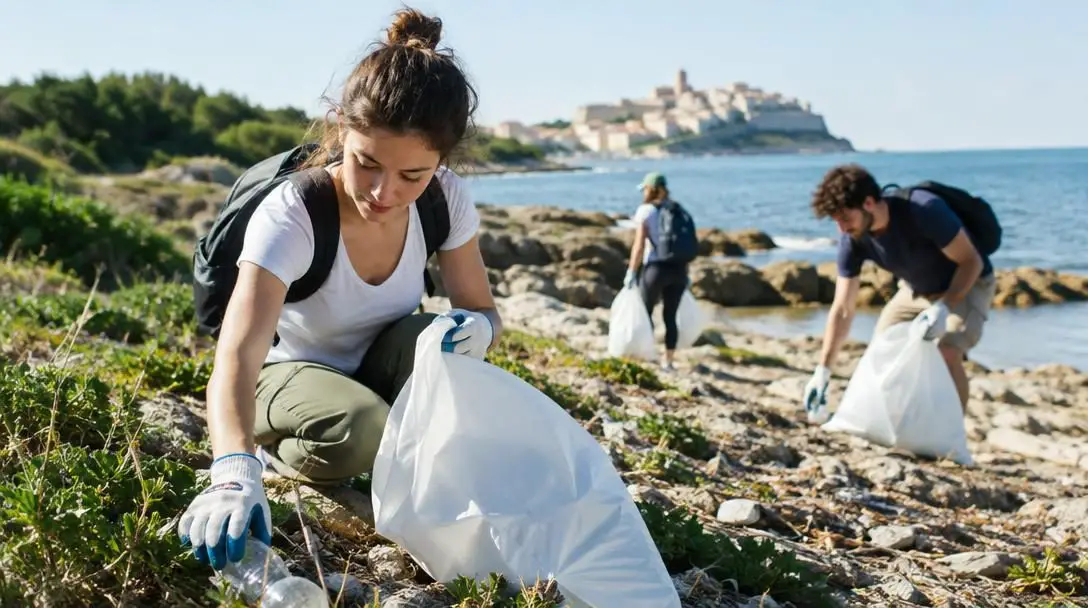
True humanitarian progress requires moving beyond temporary fixes to build long-term social, legal, and economic resilience.
At a glance: comparing Italian charitable organizations
Although each organization functions within civil society, their distinct missions, geographic scopes, and program offerings reflect specialized strategies for addressing human hardship.
| Organization | Primary Scope | Target Beneficiaries | Key Services and Interventions |
|---|---|---|---|
| NPO Italia | International | Refugees and crisis-impacted communities | Disaster response, economic development, climate awareness, and medical deliveries |
| Associazione 21 Luglio | Italy (National) | Survivors of organized crime and violence | Legal representation, psychological counseling, and institutional education |
| Greenpeace Italy | National & Global | Natural ecosystems and the general public | Renewable energy lobbying, pollution mitigation, and habitat conservation |
| La Città della Speranza | Italy (National) | Children with chronic illness and their families | Pediatric care, educational access, family financial support, and youth sports |
| In Terris | Central Italy (Regional) | Economically isolated rural households | Food parcels, personal hygiene kits, school materials, and winter heating tools |
Core operational structures behind civil society groups
Examining how non-governmental and charitable organizations operate explains how abstract humanitarian ideals translate into concrete social protections. Regardless of their specific target populations, modern non-profits typically depend on five foundational operational pillars to execute their missions effectively:
- Needs assessment and field evaluation: Before dispatching material aid or deploying personnel, organizations execute meticulous on-the-ground evaluations to determine immediate deficits. Assessing exact requirements—such as the heating needs of an isolated mountain village or critical gaps in protective medical supplies during a public health emergency—ensures that limited non-profit resources reach the individuals in greatest distress without waste.
- Multidisciplinary care delivery: Many social challenges cannot be solved through a single mode of assistance. Supporting survivors of violent crime or helping a child navigate a cancer diagnosis demands a coordinated combination of specialized medical treatment, emotional counseling, and formal legal advocacy to deliver comprehensive, lasting stability.
- Community education and institutional coordination: Lasting social transformation requires continuous collaboration with local public systems. Non-governmental entities routinely partner with municipal school districts, public health clinics, correctional systems, and local law enforcement agencies to exchange professional knowledge, instruct young people, and improve how public institutions respond to trauma and environmental threats.
- Public advocacy and awareness campaigns: NGOs mobilize research reports, town meetings, and public advocacy campaigns to inform citizens and legislators alike. Elevating matters like environmental degradation, systemic criminal violence, or rural food insecurity builds the political resolve necessary to pass modern legislation and improve systemic protections.
- Direct resource distribution: During periods of severe acute crisis or structural poverty, logistical capabilities become paramount. This operational arm handles the procurement, warehousing, transport, and hand delivery of life-sustaining items, including balanced food rations, winter heating supplies, personal care goods, and specialized medical assets.
Step-by-step guide to supporting charitable causes
Individuals who wish to contribute their time, skills, or financial resources can follow a clear, strategic path to ensure their support creates meaningful, enduring impact for communities in need.
- Identify your specific area of concern: Clarify which societal issues reflect your personal values and skills. Determine whether your priority is international disaster response, specialized pediatric medicine, legal protection for crime victims, environmental activism, or regional rural poverty alleviation.
- Research verified charitable entities: Examine the public history, operational transparent reporting, and field track records of organizations operating within your chosen sector. Look for sustained community commitments, such as long-term continuous operations or recognized crisis interventions.
- Provide direct financial or requested material support: Unrestricted financial contributions offer non-profits the flexibility to retain professional legal and medical staff, maintain logistical vehicles, and purchase resources at bulk scale. If donating physical goods, consult the organization's published needs list—such as staple grains, warm blankets, or notebooks—to ensure every item addresses an active operational deficit.
- Contribute relevant vocational skills: Investigate volunteer openings that align with your professional background. While direct hands-on support like assembling food parcels or distributing winter clothing remains essential, non-profits frequently require pro bono legal counsel, translation services, educational mentoring, and administrative assistance.
- Amplify educational campaigns: Use your personal and professional networks to share verified educational findings, reports, and public campaigns created by these groups. Spreading awareness about ongoing issues—such as marine conservation, violence prevention, or pediatric health—widens their civic reach and institutional support.
Common mistakes when engaging with non-profit organizations
Even well-intentioned philanthropic efforts can misfire if donors fail to understand the realities of non-profit field management. Steering clear of these frequent mistakes ensures your support genuinely helps the beneficiaries.
- Assuming all organizations perform general-purpose relief: Viewing every charitable group as a general crisis agency overlooks the deep specialization required in modern humanitarian work. An environmental group cannot administer pediatric therapy, and a legal aid team is not structured to run a food pantry. Matching your assistance to the organization's specific mission is essential.
- Donating unrequested physical items: Sending unsolicited clothing, used domestic appliances, or unrequested foodstuffs creates logistical nightmares for relief teams. Sifting through, sorting, and discarding unusable donations forces paid staff and volunteers to step away from urgent frontline duties.
- Focusing exclusively on sudden emergencies: Public concern often spikes during dramatic news events, such as acute health crises or natural disasters, but quickly drops off when the initial headlines fade. Abandoning support leaves organizations without the sustained funding needed for community rebuilding, chronic disease treatment, and long-term economic development.
- Neglecting institutional and educational initiatives: Material distributions provide essential immediate comfort, but education and institutional reform prevent future cycles of suffering. Donors who dismiss advocacy, school workshops, and policy lobbying overlook the very tools that eliminate the root causes of systemic crime and environmental destruction.
- Ignoring regional and rural deprivation: It is easy to assume that extreme deprivation only occurs in foreign conflict zones or dense urban centers. This blind spot leads donors to overlook vulnerable rural communities that battle geographic isolation, lack of winter heating, and severe food insecurity.
Frequently asked questions
What makes non-governmental organizations independent from public authorities?
Non-governmental organizations (NGOs) are non-profit institutions formed by civil society that function without direct governmental oversight. While they often coordinate with public systems—such as schools, law enforcement, and municipal hospitals—they set their own operational priorities, design their own programs, and rely heavily on voluntary private and civic support to carry out their missions.
Why do Italian organizations operate both domestically and internationally?
The Italian non-profit landscape encompasses groups addressing urgent local challenges—such as rural poverty in Central Italy and medical support for domestic pediatric patients—alongside organizations dedicated to international humanitarian crises, refugee assistance, and global environmental sustainability. This balance allows civil society to tackle domestic social gaps while contributing to worldwide stability.
How does Associazione 21 Luglio support crime survivors beyond legal trials?
In addition to formal legal representation, Associazione 21 Luglio offers psychological counseling and social work services to help survivors and their families overcome trauma. The organization also coordinates with schools, correctional centers, and healthcare providers to run violence prevention initiatives and raise awareness of the societal risks associated with organized crime.
Why does In Terris focus specifically on rural towns rather than major cities?
Rural communities frequently suffer from logistical isolation and limited municipal safety nets, leaving families struggling silently with food insecurity and extreme winter temperatures. In Terris addresses this disparity by delivering direct food supplies, hygiene products, school necessities, and domestic heating tools directly to isolated Central Italian households.
What is the most effective way to help an NGO during an ongoing crisis?
The most effective approach is to supply predictable, unrestricted financial donations or consult the organization's published material wishlists before donating physical items. Providing monetary aid allows non-profits to source goods in bulk, fund professional personnel, and rapidly pivot their resources as field conditions evolve.
The bottom line
The landscape of civil society organizations operating from Italy highlights the vital role that non-governmental initiatives play in building a compassionate, resilient society. Whether deploying emergency medical gear during international crises, protecting vulnerable children through advanced pediatric care, guiding survivors of organized crime through legal battles, defending fragile marine habitats, or heating rural homes during winter freezes, these organizations provide specialized solutions to complex challenges.
Engaging effectively with these causes requires moving beyond reactive, short-term responses. By taking the time to understand an organization's specialized focus, aligning contributions with verified operational needs, and supporting sustained advocacy alongside immediate relief, donors and volunteers can become true partners in sustainable social progress. Informed, steady involvement ensures that non-profit groups retain the strength and adaptability necessary to protect vulnerable communities for years to come.