5 Libyan NGOs Making the World a Better Place
Libya's humanitarian landscape has endured severe strain for more than a decade, leaving widespread disruption across local communities, civic institutions, and the domestic economy. Prolonged fighting and unstable security conditions have created acute hurdles for ordinary citizens seeking basic food security, safe housing, and sustainable livelihoods.
While overarching political recovery processes can appear slow to those living through daily hardship, non-governmental organizations and international agencies continue to bridge critical gaps on the ground. These entities combine emergency survival assistance with structured developmental programming, helping communities navigate the transition from immediate crisis to durable stability.
Key takeaways
- Prolonged instability in Libya has produced severe challenges around physical safety, population displacement, and access to basic nutrition.
- Frontline relief relies on a dual strategy that pairs immediate material distribution with long-term economic skill development.
- International and domestic agencies operate side by side to defend legal protections for displaced families, refugees, and vulnerable children.
- Humanitarian interventions achieve greater sustainability when vocational training programs match real local labor market demands.
The Landscape of Protracted Crisis in Libya
Over a decade of localized fighting and political fracture has reshaped daily reality across Libyan cities and rural municipalities. When armed conflict damages vital public infrastructure, the secondary consequences cascade through civic life. Water networks, electrical grids, health clinics, and schools frequently suffer physical degradation or administrative paralysis, turning straightforward daily needs into complex logistical challenges.
Displacement represents one of the most visible impacts of this sustained volatility. Internal displacement disrupts family cohesion, severs workers from regular income, and removes people from their ancestral support networks. In environments where local administrative bodies are overwhelmed, non-governmental actors must step forward to coordinate relief distribution, negotiate safe humanitarian access, and ensure that marginalized households do not fall through institutional cracks.
Key Organizations Active in Libyan Relief and Development
The humanitarian ecosystem in Libya features an interconnected network of local charities, established international NGOs, and United Nations agencies. The table below outlines how these five key organizations address critical challenges across the country.
| Organization | Operational Scope | Core Focus Areas | Primary Beneficiaries |
|---|---|---|---|
| Al Karama Foundation | Domestic non-governmental | Monthly food baskets, community protection advocacy | Displaced persons, marginalized families |
| Tehara Libya | Domestic non-governmental | Vocational training, local job placement | Economically disadvantaged job seekers |
| UNHCR | Multilateral international body | Legal protection, refugee rights, policy engagement | Refugees, asylum seekers, displaced persons |
| Mercy Corps | Global non-governmental | Emergency food, shelter, education, unemployment | Crisis-affected communities, unemployed youth |
| Save the Children | Global non-governmental | Child welfare, pediatric healthcare, malnutrition | Children and families impacted by conflict |
Al Karama Foundation
- Established: 2011
- Primary Focus: Monthly food distribution and human rights advocacy
- Key Target Group: Internally displaced persons and vulnerable households
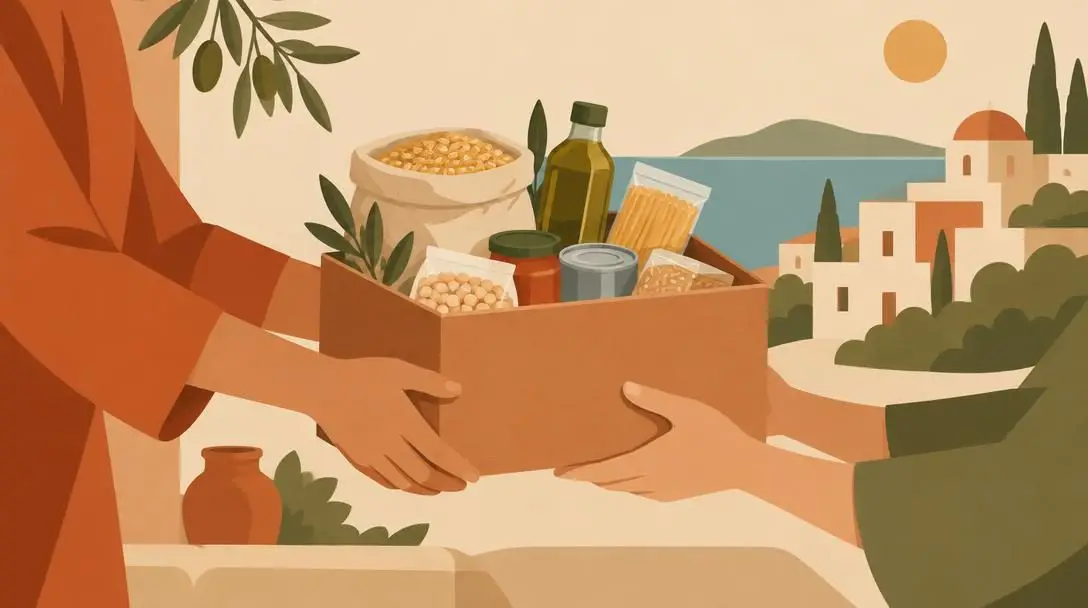
Formed in 2011 in direct response to the urgent humanitarian emergencies created by initial waves of conflict, Al Karama Foundation focuses on basic nutritional security. The organization delivers monthly food baskets to marginalized households that lack stable access to daily provisions, mitigating acute hunger among displaced families.
Beyond material aid delivery, the foundation maintains an active advocacy presence. Its staff works to secure community protections for civilian populations enduring the effects of armed violence or institutional oppression, ensuring that basic human dignities are safeguarded during broader sociopolitical upheaval.
Tehara Libya

- Operational Focus: Domestic economic development
- Core Programs: Technical education and direct employment placement
- Key Target Group: Residents of economically depressed regions
Tehara Libya addresses the economic fallout of prolonged civil unrest by prioritizing household financial self-sufficiency. Rather than focusing solely on emergency survival supplies, the organization designs and administers technical training initiatives tailored to local conditions.
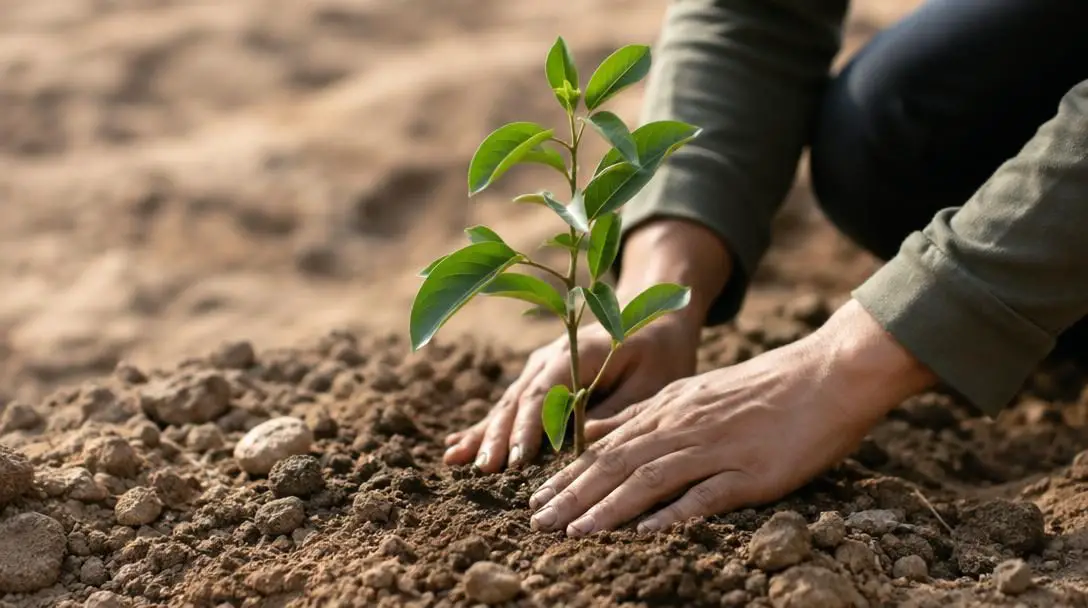
By connecting skill-building curricula directly to job placement pipelines, Tehara Libya helps vulnerable citizens re-enter the labor market. This approach strengthens local commercial infrastructure, expands opportunities for community members, and assists neighborhoods in moving toward economic recovery.
UNHCR
- Mandate: Global protection of displaced persons and refugees
- Core Operations: Human rights advocacy and multi-sector protection
- Key Counterparts: Governing authorities and regional partner organizations
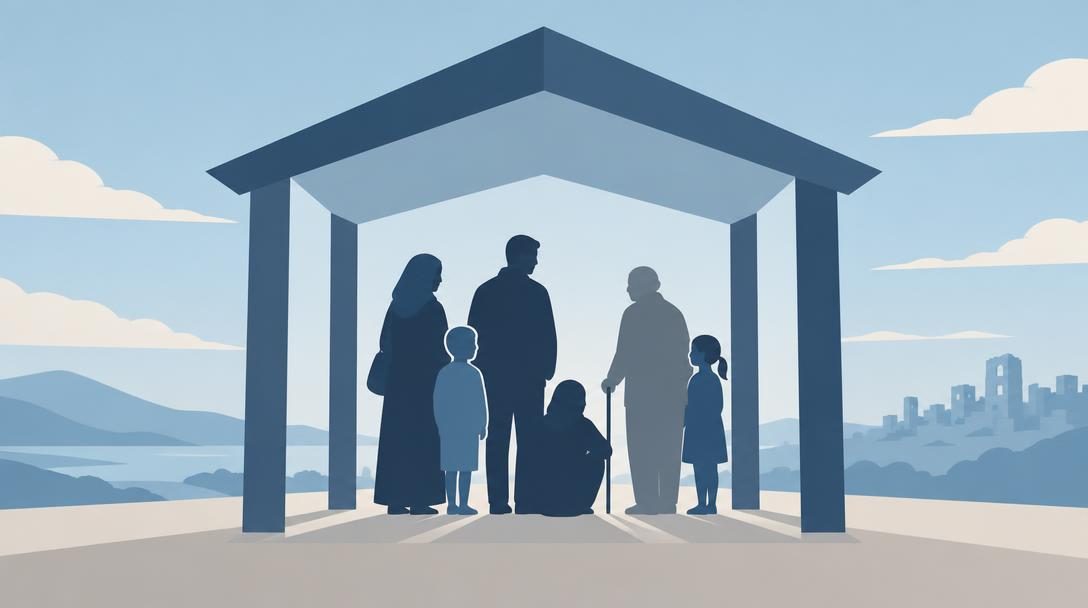
As the international community's specialized refugee protection body, the United Nations High Commissioner for Refugees leads initiatives to defend individuals forced to abandon their homes due to war, persecution, or human rights violations. In Libya, UNHCR coordinates directly with governing authorities to secure formal recognition of refugee rights.
These advocacy efforts take place across complex institutional terrains. UNHCR promotes safe, lawful treatment for displaced populations, helping to stabilize volatile environments by ensuring that international protection standards remain an active priority for regional decision-makers.
Mercy Corps
- Global Mandate: Alleviating suffering, poverty, and systemic oppression
- Emergency Services: Direct food distribution and temporary shelter kits
- Developmental Programs: Youth employment and educational access
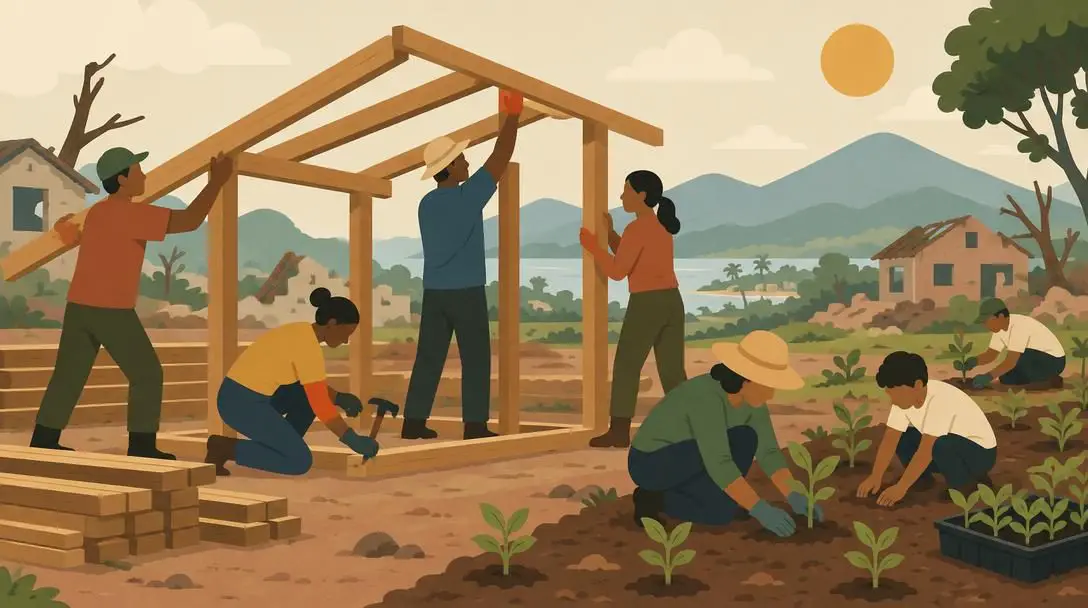
Operating across international crisis zones, Mercy Corps assists Libyan communities facing severe insecurity caused by armed combat and natural shocks. The organization's immediate response teams deploy lifesaving food aid and shelter resources to populations displaced by sudden outbreaks of violence.
Simultaneously, Mercy Corps confronts chronic socioeconomic barriers that keep communities vulnerable over time. Its programs target structural obstacles such as limited educational opportunities and high youth unemployment, equipping families with tools to achieve lasting self-reliance.
Save the Children

- Founded: 1919
- Libyan Operations: Active in-country since 2012
- Specialized Areas: Child health, nutrition reduction programs, emergency relief
With more than a century of experience addressing the needs of young people in crisis settings, Save the Children focuses on one of the most vulnerable segments of the population. Because armed conflict frequently disrupts child development and healthcare, the organization delivers targeted pediatric medicine and nutritional support.
Since expanding its active operations in Libya during the intensified military clashes of 2012, Save the Children has delivered dedicated emergency relief to conflict-affected youth. The organization's interventions shield children from the immediate trauma of displacement while working to restore regular access to care and learning environments.
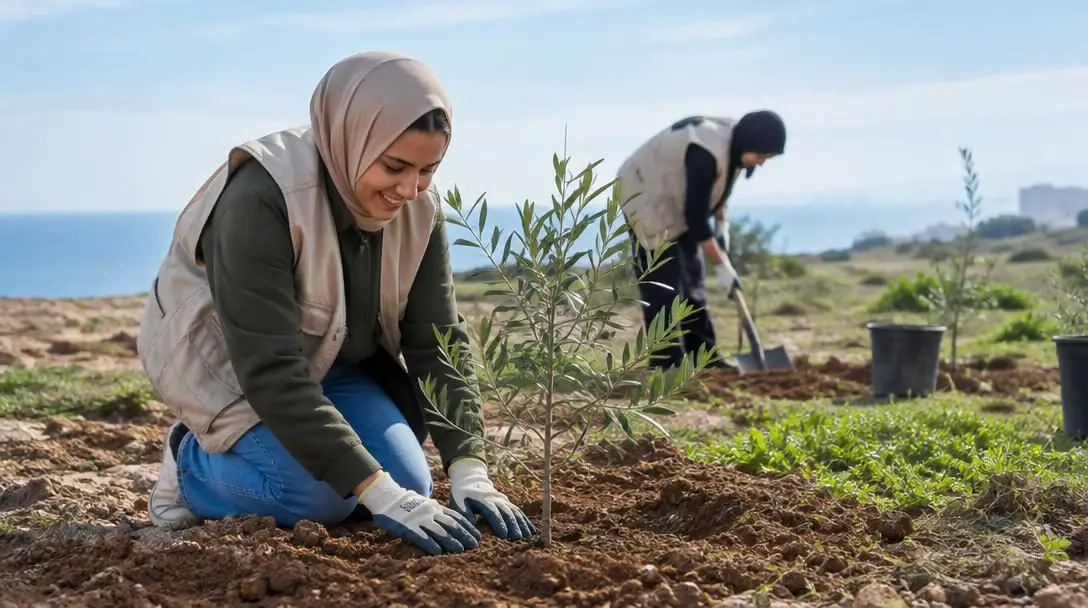
Emergency relief provides immediate survival, but long-term recovery depends entirely on restoring economic opportunity and community self-reliance.
How Aid Delivery and Recovery Mechanisms Work
Delivering humanitarian relief inside areas subject to unpredictable security requires systematic planning. Operations rely on phased workflows designed to move from immediate assessments to enduring community stabilization.
- Assessment and identification: Field officers survey affected communities, identifying households experiencing acute food insecurity, displacement, or lack of shelter to establish targeted recipient rosters.
- Procurement and logistical distribution: Emergency supplies, including health packs, shelter materials, and monthly food baskets, are gathered and transported to distribution centers or vulnerable neighborhoods.
- Vocational training deployment: Economic development teams establish technical workshops and vocational classes aligned with skills demanded by nearby commercial businesses.
- Protection and institutional dialogue: Agencies meet with municipal and national governing authorities to uphold basic human rights, refugee protections, and safe transit routes for civilians.
- Long-term recovery integration: Development specialists introduce multi-year educational programs, infrastructure repairs, and employment initiatives to replace emergency aid with community self-sufficiency.
Practical Steps for Supporting and Engaging With Humanitarian Work
Assisting populations in conflict-affected regions requires thoughtful preparation to ensure that contributions have a positive, tangible impact on the ground.
- Identify established organizations: Prioritize entities with transparent governance, field experience, and documented operations in Libya, such as specialized child welfare groups or food distribution charities.
- Target specific operational areas: Clarify whether you intend to assist immediate crisis response (such as emergency food baskets or temporary shelter) or long-term growth (such as vocational education and job placement).
- Follow vetted contribution pathways: Direct resources through established organizations to ensure supplies and financial assistance navigate monitored, secure supply chains.
- Promote informed awareness: Share verified information regarding the challenges of prolonged displacement and the complex realities facing marginalized families in post-conflict environments.
- Reinforce local capacity: Direct attention toward initiatives that teach technical skills, empowering community members to guide their own local economic reconstruction.
Common Mistakes to Avoid in Humanitarian Support
External support initiatives can fall short of their intended goals when planners overlook the nuanced realities of post-conflict settings. Avoiding these strategic missteps helps maximize the effectiveness of aid.
- Relying exclusively on emergency relief: Treating prolonged instability as a purely short-term crisis leaves populations vulnerable to aid dependency once direct food and material distributions stop.
- Treating all affected demographics identically: Children, internally displaced families, and unemployed adults face different challenges; neglecting these distinctions leads to poorly targeted programs.
- Overlooking the legal protection framework: Delivering material provisions without advocating for the legal rights and physical safety of displaced persons leaves them vulnerable to ongoing systemic harm.
- Ignoring local economic conditions: Setting up technical training tracks without verifying employer demand results in trained graduates who still cannot secure meaningful employment.
What to Consider Next for Post-Conflict Development
As recovery efforts continue across Libya, humanitarian planners must evaluate how best to balance immediate relief with structural modernization. Stabilizing vulnerable regions requires calibrating aid flows so that food distributions give way to local market activity as soon as security conditions permit.
The protection of internally displaced people and refugees remains central to regional stability. Without formal legal recognition and reliable physical security, displaced citizens cannot safely return home, open businesses, or participate in public life. International and domestic entities must maintain ongoing dialogue with governing authorities to keep these legal protections intact.
Finally, countering donor fatigue is critical. Prolonged crises often slip from international headlines, yet the underlying challenges—such as damaged schools, unemployment, and fractured social services—require sustained attention over many years to ensure communities achieve durable self-sufficiency.
Frequently asked questions
Why is food distribution still necessary after years of crisis?
Protracted instability disrupts supply chains, damages agricultural regions, and displaces families from their livelihoods. Monthly food baskets provided by organizations like Al Karama Foundation ensure that marginalized households maintain nutritional stability while broader economic recovery takes shape.
How do vocational training initiatives improve post-conflict stability?
Programs run by organizations like Tehara Libya equip residents with practical technical skills connected to real job openings. By moving individuals into gainful employment, these programs revive local commerce and reduce long-term dependence on emergency aid.
What role does legal advocacy play in humanitarian aid?
Material aid alone cannot protect displaced individuals from eviction, exploitation, or violence. Agencies such as UNHCR engage directly with governing authorities to defend human rights and uphold refugee protections within the country.
Why do aid agencies focus specifically on children during conflicts?
Children face distinct risks during wars, including malnutrition, interrupted schooling, and trauma. Specialized organizations like Save the Children focus on pediatric healthcare and protective environments to prevent long-term damage to the youngest demographic.
How can donors ensure their contributions are used effectively?
Supporters should direct contributions through vetted organizations with documented track records in the region, ensuring that assistance moves through established, transparent logistics channels.
The bottom line
Rebuilding after more than a decade of conflict requires continuous cooperation between local groups and international agencies. By pairing urgent humanitarian distributions with technical skill development and robust human rights advocacy, organizations working in Libya lay the groundwork for long-term community recovery and civic stability.