5 Israeli NGOs Making The World A Better Place
While Israel is widely recognized across the globe as a dynamic start-up nation celebrated for its technological breakthroughs and entrepreneurial momentum, a parallel network of civic commitment thrives alongside its commercial sector. Hundreds of active non-governmental organizations transform logistical precision, scientific capability, and public-spirited service into sustained social interventions. These efforts are not confined to municipal or national borders; rather, they bridge domestic divides while deploying critical aid to some of the world's most vulnerable communities.
From rapid-response disaster relief and cross-border pediatric cardiology to surplus-food distribution and trauma reconciliation, these initiatives reflect a dual mission of local civic responsibility and international humanitarian solidarity. By examining the operational strategies of leading organizations, one gains a transparent view of how dedicated civil-society programs deliver lifesaving assistance in regions destabilized by conflict, economic distress, and environmental shocks.
Key takeaways
- Israeli civil society initiatives combine domestic social safety nets with far-reaching international relief operations.
- Medical and disaster relief programs prioritize both rapid frontline intervention and long-term professional skills transfer for developing regions.
- Local empowerment efforts focus on trauma stabilization, food waste recovery, and intercultural cooperation in economically disadvantaged neighborhoods.
- Sustainable non-governmental operations depend on organized logistical chains, hospital partnerships, and agricultural recovery networks.
At a glance: Prominent non-governmental initiatives
The operational models of these organizations range from acute crisis management to specialized tertiary medical interventions and local civic building. The table below outlines how each group focuses its resources:
| Organization | Primary Focus | Key Metrics & Reach | Primary Scope |
|---|---|---|---|
| IsraAid | Disaster response, clean water, trauma relief | Active in over 50 nations by 2020 | International & Domestic |
| Ziv Medical Center | Regional healthcare, oncology, emergency care | 500+ beds, serves soldiers and Palestinians | Domestic & Regional |
| Save a Child’s Heart | Pediatric cardiac surgeries, surgeon training | 4,500+ children treated from 54 countries | International |
| Roots | Youth empowerment, trauma healing, coexistence | Community workshops in Jerusalem area | Domestic & Middle East |
| Latet | Food rescue, poverty alleviation, blood donation | 200+ million meals, biannual blood drives | Domestic & International |
Five organizations driving humanitarian and medical change
Each of the following entities demonstrates how tailored organizational methodologies can address acute human suffering, systemic poverty, and geographic disparities in access to essential services.
IsraAid
- Founded: 2001
- Global reach: Relief activities across 50+ countries by 2020
- Domestic focus: African refugees and Bedouin populations
Established as the Israel Forum for International Humanitarian Aid, IsraAid mobilizes direct assistance for communities shaken by catastrophic weather events, long-standing violent conflict, and systemic destitution. The organization has carried out relief missions across five continents, including North America, Latin America, Europe, Africa, and Asia, responding to sudden natural shocks as well as complex protracted humanitarian crises.
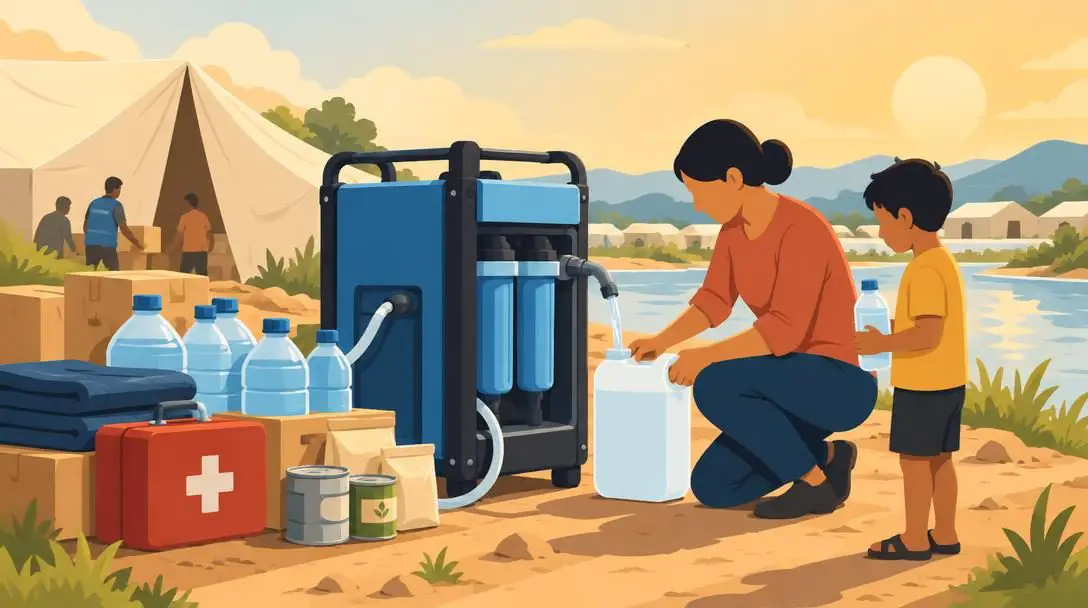
A central pillar of the group's international strategy is its clean water initiative. When catastrophic hurricanes or earthquakes shatter civic utilities, IsraAid deploys portable purification equipment, providing potable water to thousands of displaced residents who would otherwise face severe waterborne diseases. At home, the organization applies its field experience to domestic minorities, working directly with Bedouin communities and African refugees to provide vital psychological services, primary education support, and access to essential medical consultations.
Ziv Medical Center
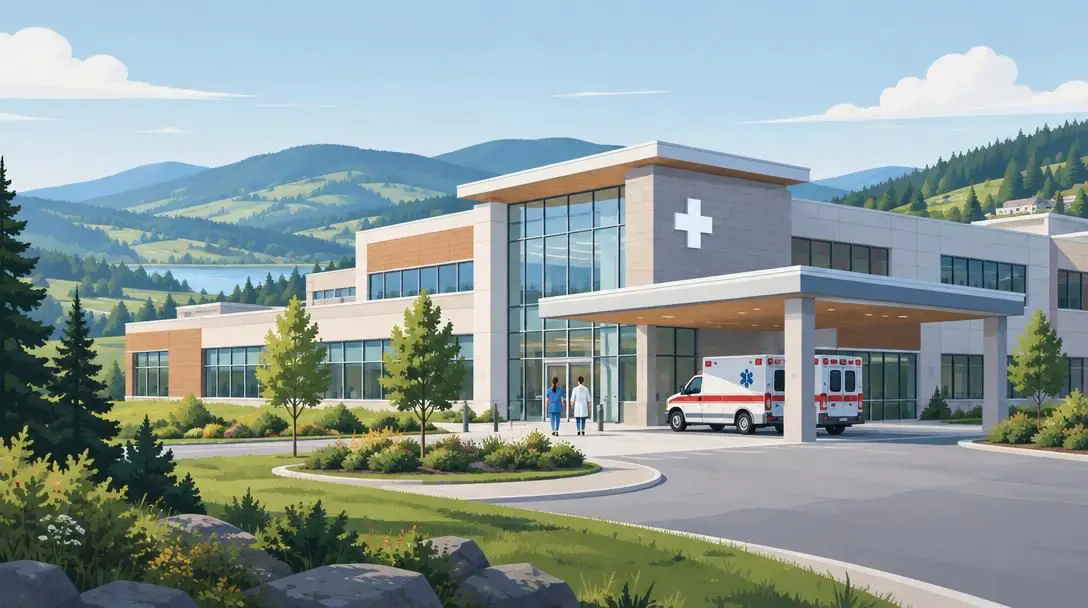
- Established: 1938 in Safed (relocated to current campus in 1952)
- Patient capacity: Over 500 operational hospital beds
- Governance model: Joint venture between the national government and Clalit Health Services
Situated in the northern city of Safed, Ziv Medical Center has evolved from a modest municipal medical post into one of northern Israel's most critical medical anchors. Administrative management shifted in 2005 through an official partnership between the Israeli Ministry of Health and Clalit Health Services, the largest of the country's four statutory universal insurance funds.
Beyond routine inpatient and outpatient procedures, the hospital conducts clinical research and delivers cutting-edge procedures, including cellular therapies for cancer patients, provided free of out-of-pocket charges. The institution plays an active role in regional humanitarian care by offering treatment to wounded military personnel and opening its clinical facilities to Palestinian civilians from neighboring territories who need complex surgical interventions unavailable in their local clinics.
Save a Child’s Heart
- Founded: 1996 by Professor Amiram Katz
- Surgical caseload: More than 4,500 pediatric patients
- Partner nations: 54 developing countries
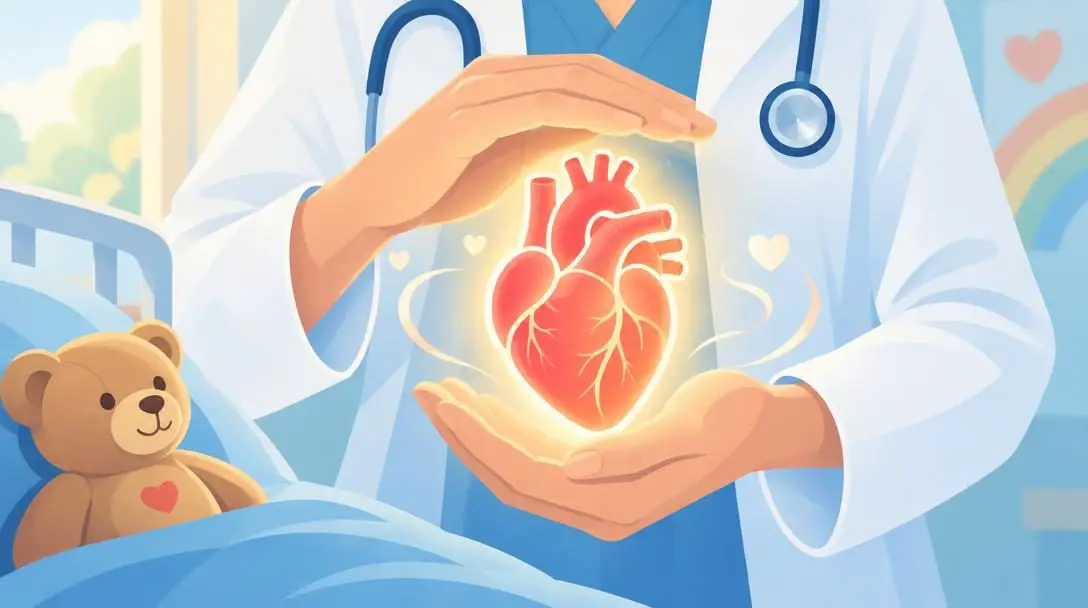
Based at Wolfson Medical Center, Save a Child’s Heart was created by the late Professor Amiram Katz, who recognized the fatal gap facing children born with congenital heart defects in developing areas where pediatric open-heart surgery does not exist. The organization transports young patients to Israel for complex cardiac procedures, managing comprehensive preoperative diagnostic workups and extensive postoperative convalescent care without charging the patients' families, irrespective of ethnic or religious background.
Recognizing that flying individual patients abroad cannot solve systemic global disparities in cardiac health, the charity emphasizes long-term institutional empowerment. It invites medical professionals, including surgeons, cardiologists, and pediatric nurses from partner countries, for rigorous clinical apprenticeships. Once trained, these clinicians return to their native hospitals equipped to diagnose congenital defects early and conduct independent cardiac operations within their home borders.
Sustainable humanitarian relief pairs acute lifesaving operations with professional training that allows developing communities to care for their own.
Roots – Community Empowerment Program

- Founded: 2010
- Base of operations: Vicinity of Jerusalem
- Primary demographic: Low-income youth recovering from trauma
The Roots Community Empowerment Program addresses the systemic social challenges facing young people in economically distressed neighborhoods near Jerusalem. Many of the young people engaged in the program live below the national poverty threshold and carry the emotional burden of severe domestic or community trauma. The organization utilizes structured experiential education, mentor-guided workshops, and joint neighborhood projects to restore personal dignity and emotional stability.
By instilling civic responsibility and mutual trust, Roots helps prevent vulnerable teenagers from sliding into delinquent behavior, producing measurable declines in neighborhood crime rates while supporting sustained academic improvement in public schools. Furthermore, Roots extends its collaborative model across broader regional boundaries, engaging intercultural and international volunteers directly in neighborhood initiatives to foster constructive cross-cultural understanding throughout the Middle East.
Latet
- Name origin: From the Hebrew verb meaning "to give"
- Relief volume: Distributed over 200 million meals
- Domestic healthcare effort: Twice-yearly nationwide blood drives
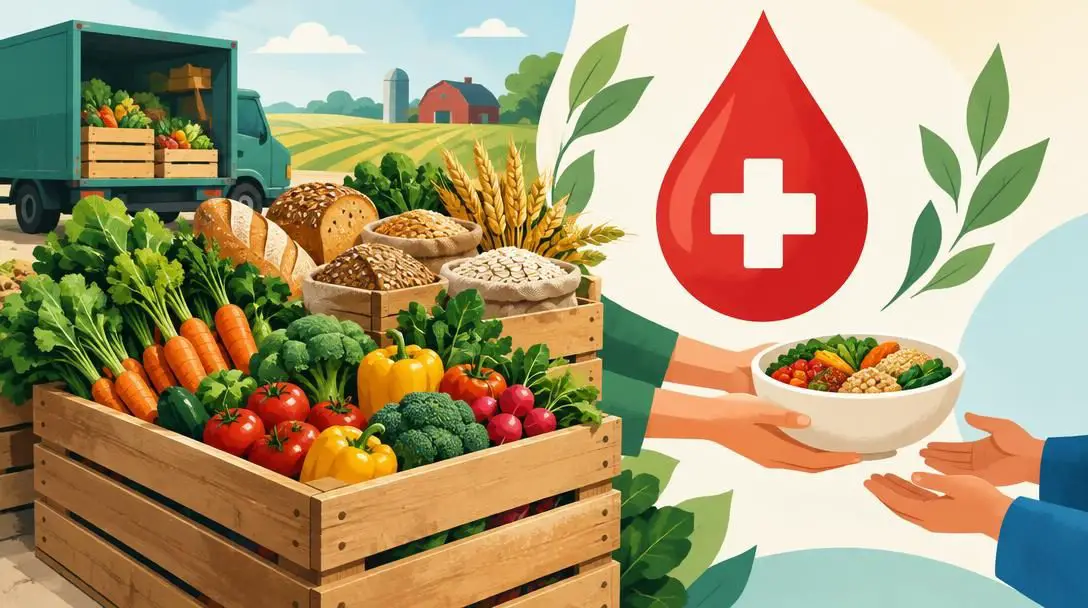
Founded around two decades ago, Latet runs a major direct-distribution network focused on domestic poverty alleviation and emergency hunger relief. Rather than relying entirely on purchased supplies, the organization works alongside commercial agricultural producers to recover edible surplus harvests that would otherwise go to waste. These farm products are assembled into nutritional relief packages containing seasonal vegetables, fresh fruit, protein-rich legumes, grains, and bread, which are delivered directly to families experiencing severe food insecurity.
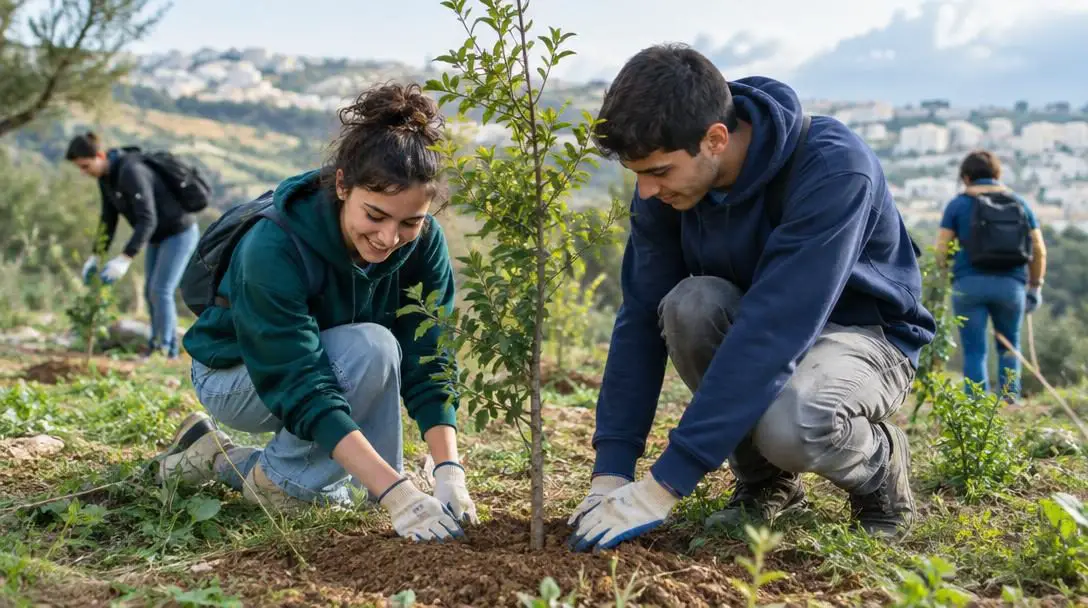
Latet's civic footprint also encompasses community public health initiatives, such as its nationwide blood drive operated twice a year across Israel to supply hospitals, with particular focus on cancer patients undergoing active chemotherapy regimens. Beyond domestic programs, the organization regularly dispatches emergency aid to international humanitarian front lines, setting up temporary field clinics and sending relief supplies to refugee camps located near armed conflict zones.
Operational frameworks behind humanitarian and medical NGOs
Delivering consistent relief in resource-strained or disaster-stricken environments requires streamlined operational workflows. Leading non-profit groups structure their work across five primary stages to maintain fiscal accountability, supply reliability, and tangible field results:
- Agricultural and material recovery: Logistical coordinators connect directly with domestic farms, food packagers, and suppliers to collect safe, unharvested, or surplus produce, drastically reducing waste and sourcing nutritious food at low cost.
- Rapid-response diagnostic screening: Immediately following natural catastrophes, specialized reconnaissance teams deploy on-site to inspect damaged water pipelines and power grids, quickly determining the need for mobile filtration units or mental health workers.
- Hospital-network integration: Medical charities coordinate through national health funds and regional hospital departments to secure operating rooms, specialized cellular therapies, and pediatric beds without imposing financial debts on low-income families.
- Cross-border professional clinical instruction: Rather than providing only temporary interventions, organizations sponsor visiting medical fellowships, instructing foreign doctors in complex pediatric and surgical skills so they can run independent programs back home.
- Community mentorship and trauma therapy: Grassroots teams establish weekly experiential workshops in low-income neighborhoods, pairing youth who have experienced trauma with trained mentors to improve school retention and lower municipal crime.
Actionable steps for evaluating and supporting non-profit initiatives
Donors, volunteers, and public advocates can maximize the real-world value of their contributions by using a structured, evidence-based approach when choosing organizations to support:
- Examine long-term operational metrics: Study verified historical reporting, noting key benchmarks such as overall patient volume, total distributed meals, and the verified longevity of relief programs across decades.
- Match contributions with core programmatic needs: Identify whether an organization requires financial backing for expensive medical procedures, physical volunteer labor for packing food parcels, or specialized professional expertise.
- Prioritize programs building local autonomy: Focus on charities that instruct local medical personnel, empower youth, or build neighborhood infrastructure, which prevents prolonged dependency on external aid.
- Participate in regular community donation drives: Support recurring civic programs, such as bi-annual hospital blood drives, which require consistent participation to maintain vital healthcare stockpiles.
- Learn about regional cultural contexts: Invest time in understanding the historical, cultural, and economic challenges confronting local minority groups, refugees, and vulnerable youth to ensure that advocacy remains constructive and grounded in facts.
Crucial missteps to avoid in humanitarian engagement
Well-meaning contributors and civic volunteers often encounter pitfalls that can reduce the efficiency of social aid. Avoiding these common mistakes helps ensure that charitable work creates lasting value:
- Treating short-term relief as a substitute for permanent infrastructure: While delivering emergency bottled water or nutritional packages saves lives during crises, lasting improvements require sustainable water purification systems and local workforce training.
- Disregarding local cultural and family dynamics: Implementing standard educational or psychological programs without tailoring them to the specific community context of trauma-affected youth can reduce their long-term effectiveness.
- Ignoring domestic needs within donor nations: Donors often concentrate on high-profile international foreign relief while overlooking severe poverty, refugee integration, and healthcare gaps affecting minority populations closer to home.
- Underestimating the costs of logistical supply chains: Collecting, refrigerating, and transporting millions of pounds of farm produce or delivering time-sensitive blood donations requires substantial overhead support that cannot run on volunteer goodwill alone.
- Overlooking institutional collaboration: Independent non-profits that operate in isolation often duplicate services; the most effective charities work closely with established hospital networks, health funds, and local municipal authorities.
Frequently asked questions
How are non-paying medical patients funded at institutions like Ziv Medical Center?
Administrative management at Ziv Medical Center operates via a joint partnership between the Israeli national government and Clalit Health Services, one of the nation's four mandatory universal healthcare funds. This operational framework allows the hospital to deliver advanced procedures, such as oncological cellular therapies and trauma surgery for regional civilians, without charging out-of-pocket costs to patients.
Does Save a Child’s Heart only operate on patients inside Israel?
While the primary surgical procedures and intensive pre- and post-operative evaluations take place at Wolfson Medical Center, the organization has treated more than 4,500 children from 54 developing countries. It also dispatches diagnostic teams overseas to operate cardiovascular prevention clinics and trains visiting international surgeons who return home to operate independently.
What specific types of food does Latet distribute through its nutrition programs?
Latet focuses on nutrient-dense, wholesome foods recovered from domestic agricultural producers. Its distributed parcels, which exceed 200 million meals to date, include fresh seasonal vegetables, farm fruits, protein-heavy legumes, bread, and whole grains.
In which domestic areas does IsraAid provide support within Israel?
Beyond its relief operations in more than 50 countries abroad, IsraAid maintains focused domestic programs supporting underserved minority demographics, specifically offering psychological interventions, core educational workshops, and basic healthcare navigation for African refugee communities and Bedouin populations.
What measurable impact does Roots report in low-income neighborhoods?
Through its educational workshops, youth mentoring, and neighborhood reconciliation initiatives, Roots has helped vulnerable youth below the poverty threshold recover from trauma, resulting in noticeable reductions in local juvenile crime rates, better school performance, and stronger community cohesion.
The bottom line
The work of organizations like IsraAid, Ziv Medical Center, Save a Child's Heart, Roots, and Latet shows how targeted non-governmental initiatives can generate meaningful social change. By pairing practical innovation with logistical discipline, these groups demonstrate that sustainable relief requires both quick frontline intervention and ongoing investments in local leadership, preventive health, and community trust.