5 Palestinian NGOs Making The World A Better Place
The Palestinian people continue to navigate an enduring struggle characterized by military occupation, territorial fragmentation, and severe human rights challenges. In an environment where official political institutions frequently face structural paralysis and physical infrastructure remains perpetually vulnerable, civil society organizations serve as vital backbones of communal survival, dignity, and cultural preservation. Rather than awaiting top-down resolutions, local leaders and everyday residents have formed independent initiatives to directly confront the social, educational, and psychological pressures facing their communities.
Palestinian non-governmental organizations (NGOs) operate across a diverse spectrum of interventions, ranging from prisoner advocacy and global media training to interactive street performances and therapeutic circus arts. By stepping into critical institutional voids, these grassroots initiatives preserve national memory, cultivate sustainable life skills, and protect human rights under extreme duress. Exploring their structural work reveals how localized, creative resilience continues to assert Palestinian agency both at home and across the broader international landscape.
Key takeaways
- Palestinian non-governmental organizations provide vital social infrastructure, cultural preservation, and legal advocacy across fragmented territories and refugee communities.
- Grassroots programs use creative disciplines like street theatre, circus arts, and digital journalism to counter trauma and isolation.
- Storytelling and media initiatives equip Palestinian youth to bypass third-party media filters and communicate lived experiences directly to international audiences.
- Sustainable support requires engaging with direct Palestinian sources, respecting local leadership, and recognizing the distinct regional realities of Gaza, the West Bank, East Jerusalem, and the diaspora.
Navigating the operating environment across Palestine and the diaspora
To fully understand the accomplishments of Palestinian civil society, observers must first grasp the rigorous operational constraints that define everyday life in the region. Palestinian nonprofits do not work within standard, peacetime civic environments. Instead, they run continuous programming across multiple distinct jurisdictions, each presenting unique legal hurdles, security threats, and physical obstacles.
In East Jerusalem, community groups face municipal systems and legal frameworks designed to challenge Palestinian residency rights, creating immense operational pressure on local cultural institutions. In the Gaza Strip, a long-standing comprehensive blockade has historically severed residents from open movement, commercial exchange, and educational opportunities, turning digital initiatives into essential survival lifelines. Meanwhile, non-governmental groups in the West Bank must navigate arbitrary military checkpoints, road closures, and localized incursions in cities like Nablus, which isolate neighborhoods and disrupt regular civil programming. Beyond these occupied lands, millions of Palestinians reside in refugee communities throughout neighboring countries like Lebanon, requiring cross-border organizational coordination to keep diaspora youth connected with civic causes in their homeland.
At a glance: Five organizations driving change
Grassroots groups employ diverse creative and structural methods to address the pressing needs of their communities. The table below outlines the geographical base, primary methods, and core initiatives of five notable organizations.
| Organization | Base Location | Primary Focus | Key Initiative or Methodology |
|---|---|---|---|
| Grassroots Jerusalem | East Jerusalem | Heritage preservation and community advocacy | "Engaging Existence" storytelling workshops |
| We Are Not Numbers | Gaza Strip | Youth media training and narrative reporting | "My Homeland My Words" mentorship project |
| Right to Movement | Lebanon | Civic dialogue and public mobilization | Interactive street theatre performances |
| Samidoun Palestinian Prisoner Solidarity Network | International alliance | Legal accountability and detainee advocacy | Campaigning for the release of political prisoners |
| Palestinian Circus School | West Bank and Gaza | Therapeutic education and youth development | Acrobatic and performance arts training |
Profiles of five impactful Palestinian organizations
Through innovative program design, localized leadership, and international bridge-building, these five non-governmental organizations continue to build resilient civic spaces under challenging conditions.
Grassroots Jerusalem
- Headquarters: East Jerusalem
- Core Mission: Protecting, sustaining, and documenting Palestinian cultural heritage
- Signature Program: Engaging Existence
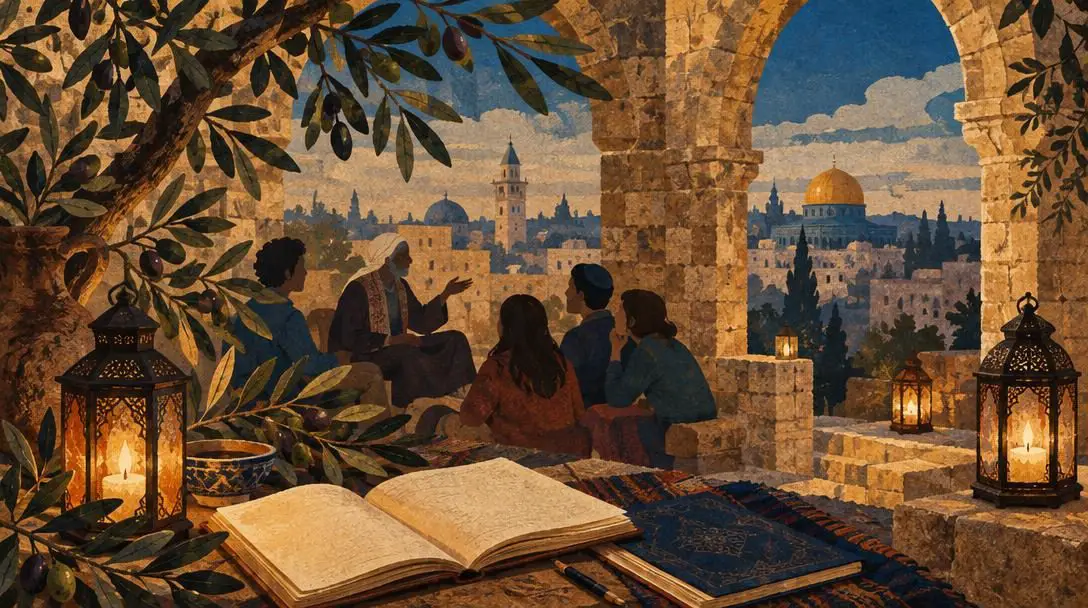
Formed directly by Palestinian residents of East Jerusalem, Grassroots Jerusalem protects, sustains, and documents the unique cultural legacy of Palestinians living within the city. Operating under intense pressures marked by displacement, military occupation, and continuous civil rights violations, the initiative provides direct humanitarian assistance, educational programs, and targeted advocacy services to neighborhoods bearing the brunt of these policies.
A central pillar of the organization's public work is its "Engaging Existence" initiative. This program utilizes creative storytelling workshops to foster cross-cultural understanding and build mutual trust between Israelis and Palestinians. By centering authentic personal histories and neighborhood narratives, Grassroots Jerusalem maintains an educational platform that illuminates ongoing municipal challenges while safeguarding the living heritage, physical presence, and historical memory of East Jerusalem's indigenous community.
We Are Not Numbers
- Headquarters: Gaza Strip
- Core Mission: Youth media empowerment and narrative autonomy
- Signature Program: My Homeland My Words
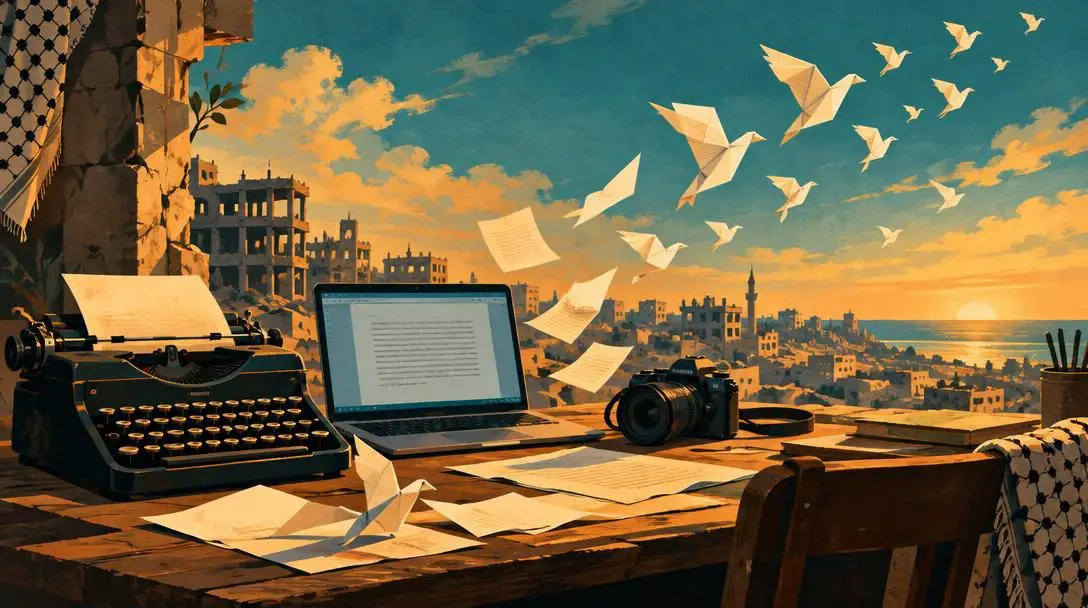
Operating out of the heavily restricted Gaza Strip, We Are Not Numbers (frequently referred to as WANN) serves as an independent, youth-centered media collective. In mainstream international conflict coverage, the population of Gaza is often reduced to depersonalized casualty tolls, political abstractions, or broad economic statistics. WANN systematically counters this dynamic by amplifying the personal, unvarnished stories of young Gazans to an international audience, ensuring their aspirations, humanity, and daily realities are acknowledged worldwide.
To realize this objective, WANN conducts intensive technical training programs for Palestinian youth across a variety of communication fields, including creative writing, photojournalism, visual design, cinematic filmmaking, and digital media production. Through dedicated projects like "My Homeland My Words," the collective connects promising local writers with experienced international journalists and authors via remote platforms. This collaborative model empowers emerging Palestinian reporters with professional creative tools while enabling thousands of global readers to consume firsthand accounts directly from the people living them.
Grassroots media collectives dismantle sterile conflict statistics by restoring personal human narrative, creative dignity, and agency to isolated youth.
Right to Movement
- Headquarters: Lebanon
- Core Mission: Civic mobilization and inclusive public dialogue
- Signature Methodology: Accessible street theatre performances
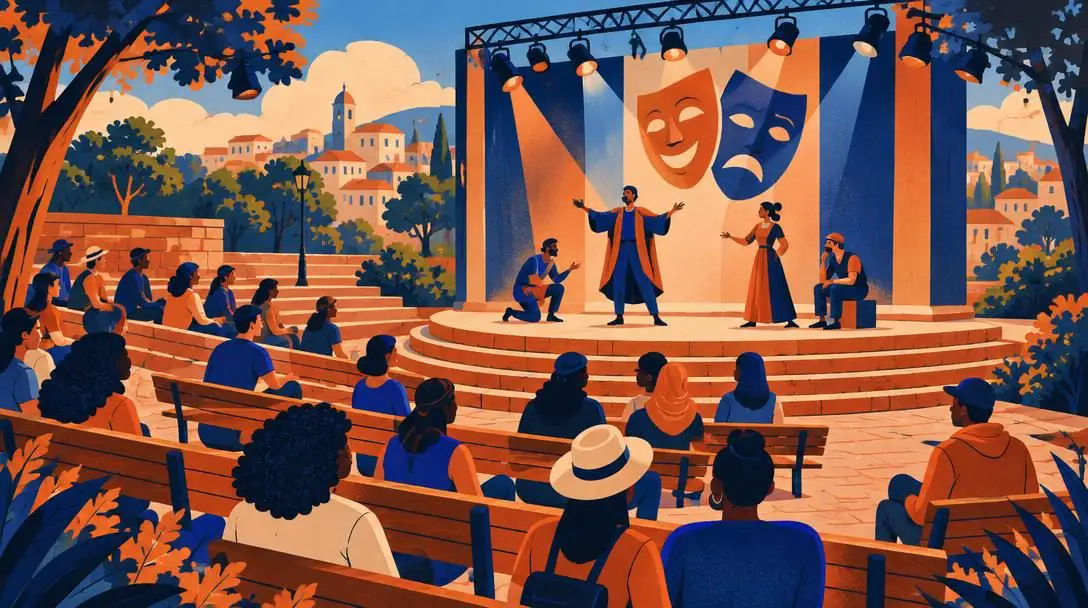
Headquartered in Lebanon while organizing active campaigns across Palestine, Right to Movement is a grassroots nonprofit that activates local populations around urgent community concerns. The organization is distinguished by its reliance on creative civic engagement, using interactive street theatre performances to bring complex community discussions directly into town squares, markets, and public thoroughfares. Rather than hosting closed academic lectures or conventional panel discussions, the group stages participatory public theatre to spark dialogue on vital community issues like labor rights activism and healthcare access.
Right to Movement deliberately avoids operating as a traditional relief agency focused on distributing physical goods or constructing medical facilities. Instead, its core focus remains public consciousness and inclusive civic dialogue. The group intentionally designs street performances to involve community members who are frequently sidelined from political discussions, specifically accommodating individuals with disabilities and those facing language barriers. By transforming accessible open-air plazas into participatory forums, the group ensures that vital civic debates remain open to all members of society.
Samidoun Palestinian Prisoner Solidarity Network
- Headquarters: International alliance
- Core Mission: Advocacy for the rights and release of political detainees
- Key Founders: Bassem Tamimi, Fathi al-Shurabi, Dr. Salman Abu Sitta, Mohammad Othman
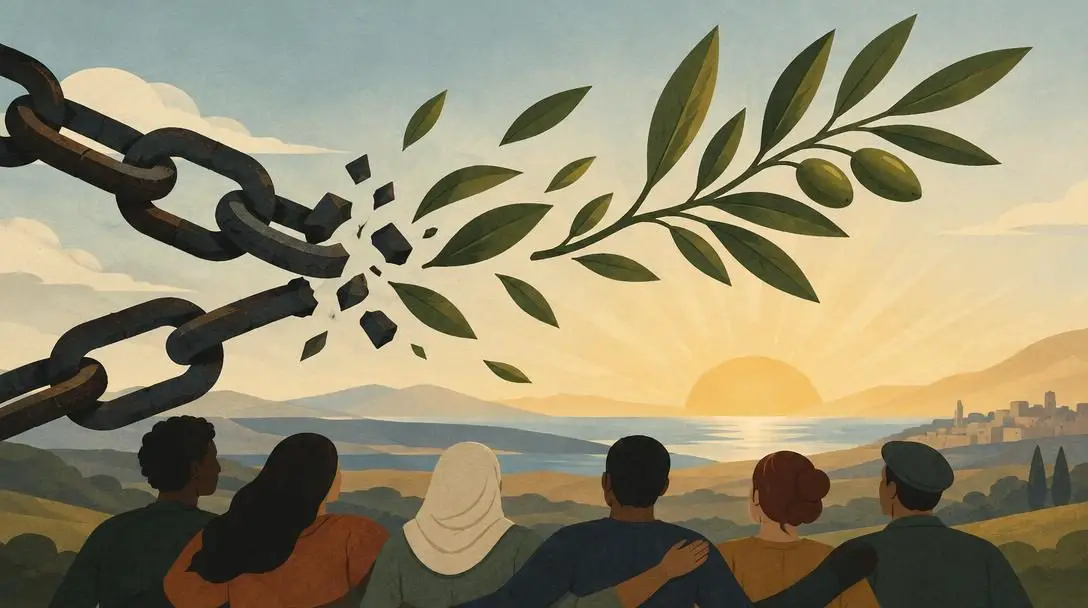
The Samidoun Palestinian Prisoner Solidarity Network is an international activist alliance dedicated to organizing on behalf of Palestinian political detainees. The network coordinates campaigns demanding the unconditional release of all political prisoners held within Israeli detention facilities, while pushing for institutional and political accountability under international human rights frameworks for actions taken against Palestinians.
The organization emerged from the collaborative work of prominent Palestinian human rights advocates, academic researchers, and former detainees. Key figures among its founders include grassroots organizer Bassem Tamimi (father of activist Ahed Tamimi), former political detainee Fathi al-Shurabi, noted historian and researcher Dr. Salman Abu Sitta, and long-standing human rights defender Mohammad Othman, alongside a diverse coalition of community organizers. Collaborating closely with human rights watchdogs and legal associations across the globe, Samidoun monitors detention conditions, publishes analytical alerts, and coordinates demonstrations to challenge systematic incarceration practices.
Palestinian Circus School

- Operating Regions: West Bank (including Nablus) and the Gaza Strip
- Core Mission: Educational and therapeutic performing arts for youth
- Key Disciplines: Acrobatics, juggling, and stage performance
Formed to instill physical discipline, emotional healing, and joy in children, the Palestinian Circus School applies circus arts as a structured educational and therapeutic intervention. The school works across heavily impacted and occupied communities, including Gaza and Nablus, where children face developmental disruption, chronic trauma, and profound social isolation caused by ongoing military policies, checkpoints, and localized violence.
The school establishes safe, predictable, and supportive environments where children can step away from surrounding geopolitical conflict. By mastering juggling routines, acrobatics, and ensemble performances, students develop core psychological and social capacities, including mutual trust, teamwork, disciplined concentration, and creative problem-solving. Beyond offering healthy emotional relief in areas stripped of recreational spaces, the Palestinian Circus School trains accomplished young artists who perform on both local stages and prominent international platforms.
How community-led initiatives achieve sustainable impact
The operating methodologies favored by these five organizations reveal how independent civil society groups build lasting influence in the face of resource limitations and political instability. Rather than relying on rigid, top-down institutional models, these groups organize around human-centered community empowerment.
First, these organizations use storytelling as a shield for cultural preservation. By collecting oral histories, personal memoirs, and photographic archives—as seen in Grassroots Jerusalem's workshops and WANN's digital publishing—they prevent local identity and living history from being erased by political conflict. Second, they focus on accessible, low-barrier public engagement. By taking circus arts and street theatre to community squares, the Palestinian Circus School and Right to Movement allow marginalized community members, including disabled persons and underprivileged youth, to participate freely in community arts without financial obstacles.
Third, these groups focus deliberately on non-material human capacity. Physical infrastructure such as schools, arts centers, and offices can be damaged or shut down by military authorities, but technical skills like critical writing, artistic discipline, public speaking, and digital literacy remain permanently with the participants. Finally, they construct strategic international alliances, linking local storytellers, performers, and legal organizers with mentors and civil society advocates abroad to maintain global awareness.
Practical steps for supporting Palestinian civil society
Supporters, humanitarian observers, and international advocates can take practical, constructive steps to engage with and assist Palestinian non-governmental initiatives responsibly.
- Read and share primary narratives directly: Prioritize media, essays, and photographic documentation produced by Palestinian youth and local journalists through organizations like We Are Not Numbers, allowing local voices to frame their own experiences.
- Host educational community viewings: Organize public or institutional screenings of local artistic projects, such as recorded street performances by Right to Movement or showcase videos from the Palestinian Circus School, to highlight Palestinian culture and civic discourse.
- Study human rights legal mechanisms: Familiarize yourself with documented international reports concerning the rights and legal protections of political detainees, as published by solidarity networks like Samidoun, to conduct informed advocacy.
- Back heritage and oral history documentation: Support community-driven archival programs that collect oral histories and map architectural heritage, assisting initiatives like Grassroots Jerusalem in preserving the living history of endangered cities.
- Advocate for youth recreational and psychosocial spaces: Raise visibility and funding for structured developmental programs that deliver recreational outlets, mental health support, and creative discipline to children growing up amid military occupation.
Common pitfalls to avoid when engaging with local initiatives
Well-intentioned international observers often make critical missteps when seeking to support or analyze civil society initiatives in Palestine. Avoiding these common mistakes ensures solidarity remains respectful, constructive, and grounded in local agency:
- Viewing communities solely through the lens of victimhood: Palestinian organizations are not helpless entities waiting for foreign rescue; they are highly organized, strategic groups demonstrating profound self-reliance, leadership, and vision under adversity.
- Confusing grassroots organizers with official political parties: Initiatives like Grassroots Jerusalem and Right to Movement operate as independent civic entities separate from government bureaucracies and traditional political party structures.
- Overriding local priorities with external agendas: International partners must avoid directing what local communities should focus on; effective partnership means respecting the strategic choices of Palestinian organizers on the ground.
- Dismissing cultural and artistic initiatives as frivolous: Viewing performance art or circus education as secondary ignores how vital recreation, artistic discipline, and trauma processing are to sustaining long-term community health.
- Treating the Palestinian population as a homogeneous group: Legal, economic, and logistical conditions differ substantially between East Jerusalem, the Gaza Strip, West Bank cities like Nablus, and refugee communities in Lebanon; programs must be understood within their specific geographic contexts.
Frequently asked questions
What role do NGOs play in Palestinian civil society?
Palestinian NGOs provide essential services where governmental systems are limited, broken, or restricted by military occupation. They deliver humanitarian relief, document human rights conditions, provide youth development and mental health support, and maintain cultural heritage initiatives across divided territories.
How does Grassroots Jerusalem operate within East Jerusalem?
Grassroots Jerusalem operates directly within Palestinian neighborhoods in East Jerusalem, running educational campaigns, emergency humanitarian support, and cultural preservation initiatives. Its flagship "Engaging Existence" storytelling project uses authentic personal narratives to preserve the community's presence and cultivate understanding between Israelis and Palestinians.
What is the mission of We Are Not Numbers in the Gaza Strip?
We Are Not Numbers is a youth-run media organization based in Gaza that trains young Palestinians in journalism, creative writing, visual design, and filmmaking. The organization connects emerging writers with international mentors to share firsthand personal narratives, countering international media tendencies to reduce Gaza's population to conflict statistics.
How does the Palestinian Circus School help children cope with trauma?
The Palestinian Circus School uses circus disciplines like juggling and acrobatics as therapeutic and developmental tools. By offering structured, safe recreational environments in areas like Nablus and Gaza, the school helps children cultivate emotional resilience, interpersonal trust, teamwork, and creative problem-solving skills despite ongoing occupation and movement restrictions.
Who founded the Samidoun Palestinian Prisoner Solidarity Network?
Samidoun was founded by a coalition of Palestinian organizers, former detainees, and human rights defenders, including Bassem Tamimi, Fathi al-Shurabi, Dr. Salman Abu Sitta, and Mohammad Othman, to campaign internationally for the release and civil rights of Palestinian political prisoners.
The bottom line
The non-governmental initiatives operating across Palestine and its diaspora demonstrate how localized community leadership can preserve dignity, culture, and agency in the face of systemic occupation and political fragmentation. Whether training emerging journalists in Gaza, staging interactive labor rights theatre in public squares, advocating for political detainees, or teaching acrobatics to children in Nablus, these organizations build lasting social capital from the ground up.
As conditions in the region continue to change, supporting Palestinian civil society requires a committed focus on local agency, direct listening, and an appreciation for the power of cultural preservation. By engaging directly with grassroots organizations like Grassroots Jerusalem, We Are Not Numbers, Right to Movement, Samidoun, and the Palestinian Circus School, international allies can participate in a model of global solidarity rooted in dignity, truth, and community empowerment.