5 Lebanese NGOs Making The World A Better Place
The nonprofit landscape across Lebanon reflects a dynamic, resilient civic response to complex humanitarian, social, and infrastructural pressures. Faced with severe economic headwinds and systemic instability, local citizens and organizers have stepped up to establish grassroots initiatives that fill essential public service voids. Hundreds of charitable groups, independent foundations, and non-governmental organizations (NGOs) now operate throughout the region, working directly alongside vulnerable communities to build sustainable frameworks for recovery and long-term dignity.
Civic engagement in the region is characterized by deep local insight and tailored intervention strategies. Rather than relying solely on transient emergency responses, modern civic entities combine rapid relief with systemic, multi-layered development. From safeguarding human rights and providing trauma-informed psychological care to pioneering sustainable urban architecture, these groups serve as an indispensable pillar of social welfare, demonstrating how targeted collective action can generate lasting change in demanding environments.
Key takeaways
- Lebanon’s civic sector combines frontline emergency relief with sustainable, long-term developmental frameworks across diverse social spheres.
- Community-driven organizations target specialized needs, including women's economic autonomy, cross-cultural coexistence, green building standards, refugee education, and LGBTQ+ civil protections.
- Effective civic engagement relies on participatory leadership, cultural context adaptation, and robust data protection for marginalized groups.
- Cross-sector collaboration between environmental, educational, and human rights organizations is vital for long-term institutional resilience.
At a glance: Five impactful Lebanese non-governmental organizations
To better understand how focused civic groups address pressing societal challenges, the table below highlights five organizations operating across humanitarian aid, civic education, environmental sustainability, refugee welfare, and civil rights advocacy.
| Organization | Founded | Primary Focus Area | Core Beneficiaries and Programs |
|---|---|---|---|
| Beit El Baraka | 2003 | Poverty alleviation and emergency relief | Vulnerable families, disaster victims, and women seeking vocational training and psychological care |
| Coexistence Association for Development & Education | 2006 | Peacebuilding and civic education | Students from primary through university levels, marginalized communities, and unemployed youth |
| Lebanese Green Building Council | 2012 | Sustainable architecture and energy policy | Building developers, architects, trade contractors, and municipal policymakers |
| Tadamon Community Center | Registered NGO | Displaced youth education and child protection | Syrian refugee children aged 3 through 17 living in Zaatari camp settlements |
| Dalouna Collective | Grassroots initiative | Civil rights advocacy and LGBTQ+ support | Marginalized gender and sexual minorities navigating social stigma and digital harassment |
Five grassroots organizations transforming communities across Lebanon and beyond
Across Lebanon and neighboring refugee settlements, grassroots initiatives are addressing critical gaps in welfare, rights, and infrastructure. These five organizations illustrate the breadth and ingenuity of the country’s civic sector.
Beit El Baraka

- Founded: 2003
- Founder: Jawad Jraige
- Operational model: Run by women for women
- Core mission: Poverty relief, disaster response, and female empowerment
Established in 2003 by Jawad Jraige, Beit El Baraka is an organization dedicated to assisting individuals and households devastated by poverty, natural disasters, and the disruptive consequences of war and persecution. Operating under a structure run by women for women, the organization incorporates a gender-informed perspective into every facet of its humanitarian delivery, ensuring that relief efforts address the specific vulnerabilities faced by female-headed households and at-risk women.
The operational framework of Beit El Baraka merges immediate humanitarian crisis response with durable, long-term developmental support. In the immediate aftermath of emergencies, the organization provides vital provisions, nutritional support, and direct aid to families stripped of basic resources. Concurrently, it addresses systemic inequality through structured interventions: comprehensive job training programs help women master marketable vocational skills to secure financial self-sufficiency; public awareness campaigns illuminate the systemic barriers experienced by displaced and marginalized groups; and tailored psychosocial counseling sessions help participants process grief, overcome trauma, and rebuild psychological resilience.
Coexistence Association for Development & Education
- Founded: 2006
- Common name: Coexist
- Scope of education: Primary school through university level
- Key objectives: Intercultural dialogue, democratic values, and youth employment
Founded in 2006, the Coexistence Association for Development & Education—widely recognized as Coexist—was formed to nurture a pluralistic, inclusive, and peaceful social fabric across Lebanon. Recognizing that historical grievances and factional divides often impede social harmony, the organization creates shared, safe environments where individuals from diverse cultural, religious, and demographic backgrounds engage in constructive dialogue, mutual learning, and collaborative civic action.
Education represents the primary mechanism through which Coexist achieves its mission. The NGO designs and introduces specialized educational curricula that span the entire academic journey, working with young learners in primary schools up through advanced students in universities. These curricula focus on core democratic engagement, fundamental human rights principles, non-violent communication protocols, and constructive conflict resolution tactics. Furthermore, Coexist conducts intensive gender sensitivity workshops aimed at dismantling entrenched discriminatory social norms. Outside traditional classrooms, the association spearheads field-level community development projects that improve basic living conditions in neglected areas, opening access to vital healthcare services and creating vocational pathways for vulnerable youth facing systemic unemployment.
Lebanese Green Building Council
- Founded: 2012
- Abbreviation: LGBC
- Sector focus: Built environment and sustainable construction
- Key data point: Built environment accounts for 40% of national energy use
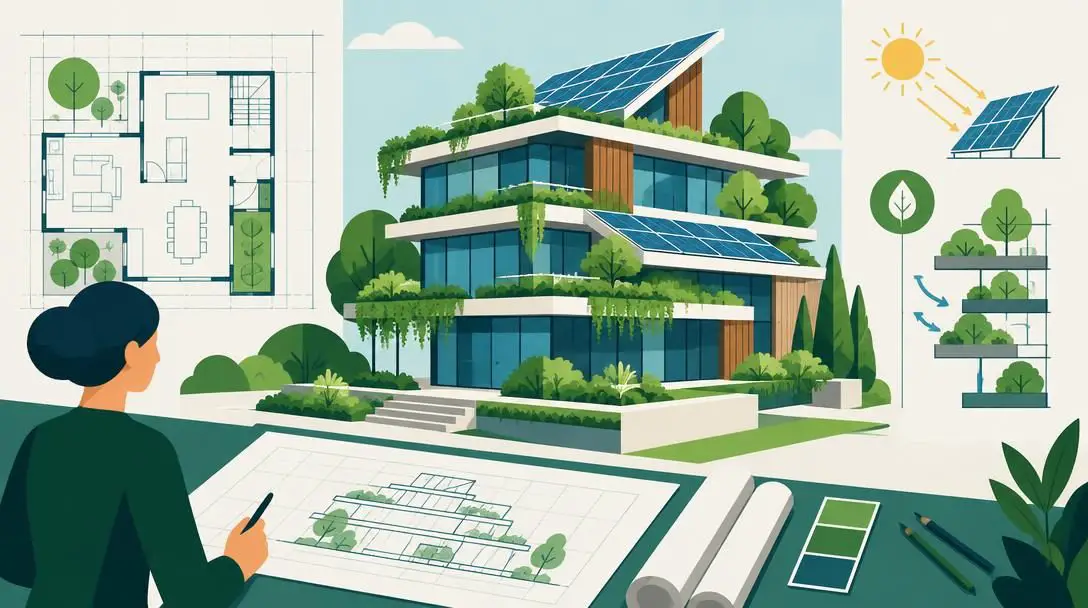
The built environment exerts an enormous footprint on Lebanon’s national energy landscape, currently accounting for 40% of total energy consumption across the country. In response to this unsustainable resource drain, the Lebanese Green Building Council (LGBC) was founded in 2012. The organization’s guiding objective is to transition the domestic architectural, engineering, and construction industries toward resource-efficient, environmentally conscious practices that minimize carbon emissions and lower utility burdens.
LGBC pursues a holistic strategy that combines public policy advocacy, market engagement, and practical technical instruction. The council collaborates directly with state institutions and municipal bodies to modernize building codes, draft rigorous environmental performance standards, and incentivize green construction. Within the private sector, LGBC engages commercial developers, architectural practices, and investors to integrate passive cooling, sustainable materials, and solar energy technologies directly into design blueprints. To bridge the gap between design theory and job-site execution, the organization administers professional certification programs and technical workshops for contractors, providing local tradespeople with the skills needed to implement sustainable building benchmarks safely and effectively.
Tadamon Community Center

- Beneficiary demographic: Displaced Syrian youth aged 3 through 17
- Field location: Informal tented settlements of the Zaatari camp
- Geographic setting: Jordanian-Syrian border
- Program pillars: Non-formal education, daycare, and trauma therapy
The Tadamon Community Center is an officially registered non-profit organization focused on safeguarding the cognitive, social, and emotional development of displaced Syrian children. Operating within the informal tented settlements around the Zaatari camp near the Jordanian-Syrian border, Tadamon serves children and teenagers who have been uprooted by conflict and forced to endure severe economic instability, social displacement, and the loss of formal educational structures.
Tadamon focuses its interventions on vulnerable youth aged 3 through 17 who are unable to attend formal academic institutions due to legal barriers, transportation deficits, or extreme poverty. To prevent long-term educational gaps, the community center provides a safe, daytime sanctuary equipped with essential resources. Its programs include structured non-formal education and early childhood daycare centered on functional literacy and basic mathematics. In tandem with academic study, Tadamon hosts structured creative arts and recreational sessions that allow children to experience normal childhood socialization. A team of certified educators and trained mental health clinicians provides critical psychosocial support, assisting children in processing war-related psychological trauma while equipping them with emotional coping mechanisms.
Dalouna Collective

- Core mission: Safe physical and digital environments for marginalized groups
- Focus area: LGBTQ+ human rights, civil visibility, and social stigma reduction
- Operational formats: Weekly interactive workshops and digital security seminars
- Support services: Crisis counseling, suicide prevention, and anti-doxxing education
The Dalouna Collective is a grassroots movement dedicated to constructing safe physical and virtual spaces for marginalized communities throughout Lebanon, with an intentional focus on LGBTQ+ advocacy. In a cultural context where traditional attitudes and conservative religious norms often label diverse sexual identities as illicit, Dalouna works to dismantle entrenched social taboos through open public dialogue, educational empowerment, and evidence-based awareness initiatives.
The organization’s core operational driver consists of regular weekly workshops and community engagement sessions that address the lived realities of queer individuals. These sessions provide comprehensive human rights education, informing participants of their civil protections and inherent personal dignity. Recognizing the surge in online abuse, Dalouna organizes specialized cybersecurity and digital safety seminars, training vulnerable individuals on how to counter digital surveillance, prevent doxxing, and protect their identities from malicious online harassment. Furthermore, the collective maintains dedicated mental health and proactive crisis support networks, stepping in with counseling and peer support to protect youth suffering from severe cyberbullying, social isolation, depression, or suicidal ideation.
Non-profit institutions serve as an indispensable backbone for social welfare by pairing urgent frontline relief with systemic, long-term developmental frameworks.
How grassroots community initiatives operate
Civil society organizations do not function in isolation; they depend on structured, repeatable methodologies to convert limited grassroots resources into sustainable community impact. Understanding how these organizations navigate complex operational realities offers valuable insight into their durability.
The process begins with precise needs assessment. Rather than imposing generalized external assumptions, grassroots leaders conduct detailed field evaluations to identify exact gaps in local infrastructure, education, or protection. Once a specific deficit is documented—such as high urban energy consumption or the educational exclusion of displaced children—the organization crafts a dual-track strategy. This structure balances immediate, short-term relief to stabilize beneficiaries with long-term, systemic capacity building, such as technical trades training or legal advocacy, ensuring that communities can eventually sustain their own progress.
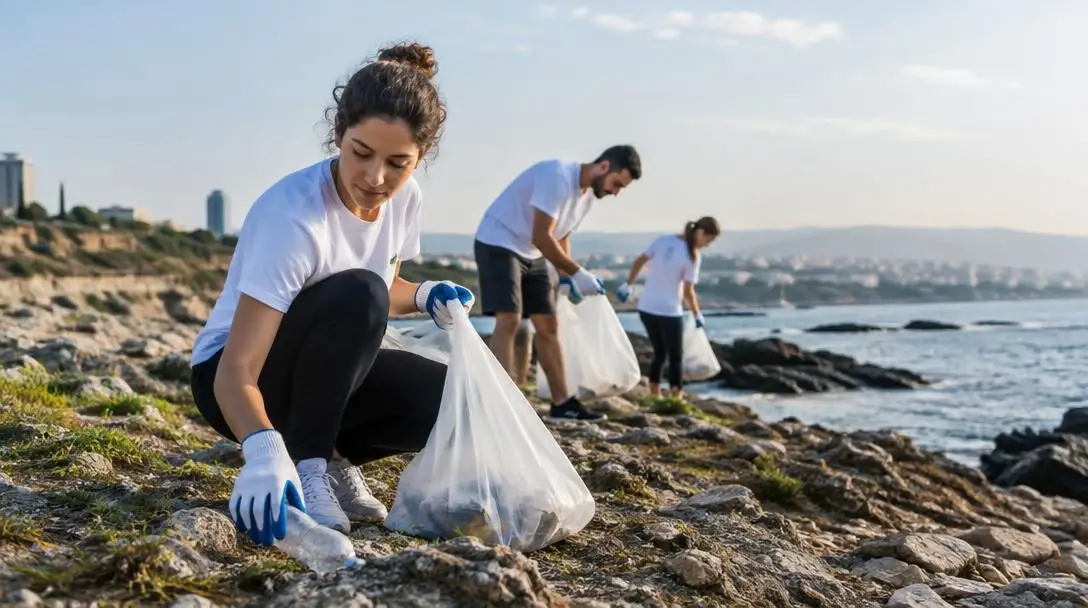
The second operational phase involves mobilizing collaborative delivery networks. Sustainable NGOs build formal relationships with local neighborhood committees, academic institutions, municipal authorities, and professional guilds. These alliances allow lean nonprofit teams to distribute resources efficiently, gather honest feedback from participants, and refine their programs over time to match shifting social realities.
How to effectively support community-led initiatives
Individuals who wish to contribute their resources, time, or professional expertise to grassroots non-governmental organizations can maximize their positive impact by following a structured, methodical approach.
- Conduct thorough background research: Examine an organization's public reports, mission objectives, and program history to ensure its operational philosophy and resource management align with your core values.
- Offer specialized pro bono skills: Contact organizations directly with practical, career-specific assistance—such as translation, web development, legal compliance, or curriculum writing—which reduces their overhead expenses.
- Amplify ongoing campaigns: Share verified informational materials, participate in community discussions, and attend public educational workshops to increase the visibility of sensitive or underfunded social causes.
- Establish recurring financial contributions: Set up continuous, predictable financial donations to give organizations the budgetary stability needed to sustain multi-month educational courses and mental health programs.
Common mistakes to avoid when partnering with civic initiatives
Engaging with civil society requires cultural competence, humility, and rigorous operational care. Avoiding widespread missteps ensures that supportive efforts do not inadvertently place burdens on the communities being helped.
- Importing unadapted external models: Attempting to implement intervention frameworks developed for other countries without modifying them for local cultural, linguistic, and political nuances often produces ineffective programs.
- Overemphasizing short-term relief over structural solutions: Providing temporary emergency supplies without investing in continuous educational, vocational, or mental health support leaves communities vulnerable to future shocks.
- Disregarding local community leadership: Initiating top-down programs without actively involving local community leaders and affected beneficiaries undermines trust and lowers project success rates.
- Failing to enforce rigorous data security: Overlooking digital privacy safeguards when working with marginalized groups or displaced minors can expose vulnerable participants to severe social, emotional, and physical risks.
Strategic priorities for the future of regional civic engagement
As the nonprofit sector expands to meet emerging societal demands, organizations and their institutional partners must anticipate long-term structural challenges. The future efficacy of civic action depends on organizational viability, professional capacity, and integrated civic networks.
Long-term viability requires moving beyond temporary grant cycles toward durable institutional sustainability. Nonprofits must develop permanent internal governance frameworks, continuously cultivate new generations of grassroots leaders, and maintain modern technical standards—such as the green building certifications championed by the LGBC. Establishing diverse, dependable support channels ensures that essential community programs do not abruptly collapse when international funding flows fluctuate.
Furthermore, maintaining intersectional collaboration across disparate civic disciplines is vital. When environmental councils, human rights collectives, emergency relief foundations, and education providers share data and coordinate field operations, their collective societal footprint expands substantially. Building interconnected civil networks ensures that grassroots organizations remain versatile, innovative, and capable of defending human dignity across changing socio-economic landscapes.
Frequently asked questions
What role does Beit El Baraka play in supporting women?
Beit El Baraka operates as an initiative run by women for women, providing targeted crisis relief, psychosocial counseling, public advocacy, and vocational training to help vulnerable and displaced women gain financial autonomy.
How does the Lebanese Green Building Council help lower national energy use?
Because the built environment accounts for 40% of Lebanon's energy consumption, the LGBC lobbies for sustainable building codes, promotes energy-efficient blueprints like solar installations, and provides specialized certifications for contractors.
Who does the Tadamon Community Center assist?
The Tadamon Community Center assists displaced Syrian refugee children aged 3 through 17 living in informal tented settlements around the Zaatari camp along the Jordanian-Syrian border, offering non-formal education, daycare, and trauma therapy.
What educational areas does Coexist focus on?
Coexist provides curricula from primary school to university levels covering human rights, non-violent communication, democratic engagement, and gender sensitivity, alongside youth employment programs in marginalized areas.
What specific challenges does the Dalouna Collective address?
The Dalouna Collective addresses social taboos and discrimination surrounding LGBTQ+ communities, offering human rights workshops, cybersecurity training against doxxing and harassment, and crisis support for mental health.
The bottom line
Grassroots non-governmental organizations represent a crucial cornerstone of community welfare, civic resilience, and social progress across Lebanon and its surrounding areas. From emergency humanitarian relief and environmental sustainability to cross-cultural education, refugee protection, and marginalized civil rights advocacy, these five organizations demonstrate the profound impact of localized, mission-driven action. By supporting their work through informed advocacy, specialized volunteer skills, and sustained resources, civil society can continue to uphold human dignity and build durable pathways toward widespread societal recovery.