5 German NGOs Making The World A Better Place
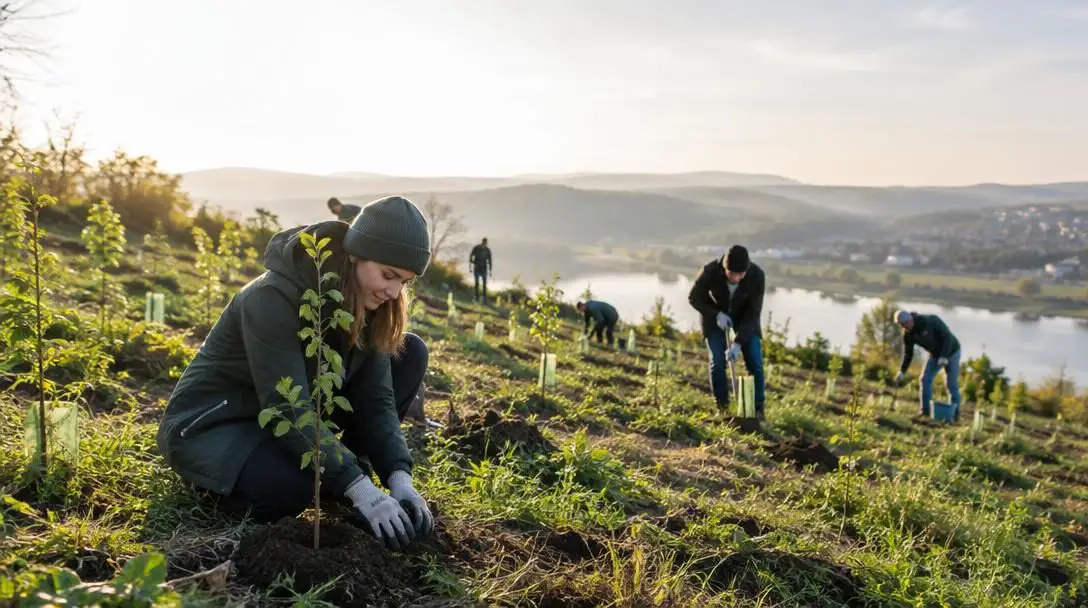
Germany maintains one of the world's most dynamic civil society environments, home to an array of non-governmental organizations tackling pressing humanitarian and developmental issues. These organizations operate both within domestic borders and internationally, stepping into critical spaces where governmental infrastructure and commercial markets fall short. Their efforts span clinical health delivery, systemic poverty reduction, civil rights advocacy, and long-term rural self-reliance.
By exploring the concrete missions, operational histories, and field programs of established non-profits, observers gain practical insight into how cross-border assistance functions in reality. Five organizations illustrate this breadth: Deutsche Stiftung Weltbevölkerung, Médecins du Monde Deutschland e.V., Die rumänisch-deutschen Kinderhilfe e.V., Amnesty International Deutschland e.V., and Brot für die Welt. Each deploys distinct operational methodologies to meet community-defined needs across Europe, Africa, Asia, and Latin America.
Key takeaways
- German non-governmental organizations deliver a balanced mix of immediate humanitarian relief and multi-decade structural development.
- Organizational scopes range from lean, community-driven associations with modest budgets to large international networks operating in dozens of countries.
- Direct field assistance frequently pairs with domestic and international policy advocacy to target the root causes of marginalization.
- Successful programs rely heavily on established local partners to ensure initiatives respect regional legal contexts and community priorities.
At a glance: Five German non-profit organizations
| Organization | Founded | Primary Mission | Geographic Reach |
|---|---|---|---|
| Deutsche Stiftung Weltbevölkerung | 1995 | Reproductive health, rights, and poverty alleviation | More than 20 countries in Africa, Asia, and Latin America |
| Médecins du Monde Deutschland e.V. | 1991 | Direct medical assistance and healthcare equity | Germany and wider European policy forums |
| Die rumänisch-deutschen Kinderhilfe e.V. | 1990 | Child welfare, education, and cultural preservation | Romania |
| Amnesty International Deutschland e.V. | 1982 | Human rights defense, casework, and legal aid | Global, originating with Cold War European focus |
| Brot für die Welt | 1959 | Food security, sustainable agriculture, and climate resilience | Approximately 90 developing nations |
Profiles of five German organizations shaping global relief
The German non-profit landscape reflects diverse philosophical traditions, operational sizes, and target populations. While some emerged directly out of activist coalitions during the Cold War, others arose from post-socialist transition periods or long-standing faith-based social movements. Despite varying scales of funding, each organization plays a specialized role in international solidarity.
Deutsche Stiftung Weltbevölkerung

- Founded: 1995
- Core focus: Sexual and reproductive health, family planning, and poverty reduction
- Field presence: Over 20 countries in Africa, Asia, and Latin America
- Key partnership: United Nations Population Fund (UNFPA)
Deutsche Stiftung Weltbevölkerung, widely recognized by its acronym DSW, concentrates on the vital intersection between sustainable demographic trends, poverty reduction, and individual bodily autonomy. The foundation works under the premise that empowering young people with accurate health education and reproductive freedom forms the bedrock of broader economic development. Operating across more than 20 nations, the organization targets structural barriers that prevent young populations from exercising their personal rights.
DSW's field footprint integrates frontline healthcare provision with targeted educational programs on contraception and preventative care against HIV transmission. The foundation also facilitates legal advice to help young community members understand and defend their rights. By collaborating with international bodies such as the United Nations Population Fund, DSW ensures that local ground observations inform high-level global policy debates, championing universal access to essential reproductive services.
Médecins du Monde Deutschland e.V.

- Founded: 1991
- Core focus: Healthcare delivery for marginalized and uninsured individuals
- Volunteer disciplines: Psychiatry, psychology, dermatology, and physiotherapy
- Advocacy level: National (Germany) and European policy arenas
Médecins du Monde Deutschland e.V., also known as Doctors of the World Germany, addresses the reality that even within wealthy nations, profound gaps exist in healthcare access. Established in 1991, the organization focuses on providing barrier-free clinical care to populations that conventional medical safety nets often exclude. Their primary patients include refugees, migrants in precarious legal circumstances, unhoused individuals, and people enduring deep systemic poverty.
The organization relies on an extensive network of volunteer medical personnel who contribute their specialized skills outside regular hospital and clinic shifts. Beyond general medicine, volunteer doctors and nurses deliver specialized care across disciplines including dermatology, psychiatry, clinical psychology, and physiotherapy. Médecins du Monde translates these ground-level medical interventions into rigorous policy advocacy, regularly petitioning German lawmakers and European Union institutions to eliminate bureaucratic hurdles that block vulnerable people from basic healthcare coverage.
Die rumänisch-deutschen Kinderhilfe e.V.

- Founded: 1990
- Annual budget: Approximately €100,000
- Founding demographic: German citizens of Romanian descent
- Key activities: Kindergarten construction, food aid, and anti-child labor initiatives
Formed immediately following the collapse of the Ceaușescu regime in Romania, Die rumänisch-deutschen Kinderhilfe e.V. (the Romanian-German Children's Aid Association) demonstrates the substantial real-world impact achievable through a lean, targeted organization. Established in 1990 by German citizens of Romanian background, the association targeted the severe social and economic vulnerabilities facing children in post-communist Romania.
Despite working with a modest annual operating budget of roughly €100,000, the association has built and maintained an expansive grassroots portfolio. The charity provides direct material support, distributing food parcels to families experiencing acute poverty, while investing in permanent community infrastructure through the construction of kindergartens. Its programs actively counter exploitative child labor, organize recreational sports to foster community integration, celebrate traditional Romanian cultural heritage, and deliver steady academic support to keep disadvantaged children enrolled in school.
Amnesty International Deutschland e.V.

- Founded: 1982
- Origin: West German peace movement activists
- Core methodology: Public campaigning, investigative reporting, and casework legal aid
- Campaign issues: Anti-torture, state surveillance, fair trials, and censorship
The German section of Amnesty International traces its lineage to the early 1980s, when West German peace movement organizers saw the need for an independent platform to address rights violations across Cold War divisions. Seeking functional autonomy from the London-based headquarters of Amnesty International UK, the founders built an entity specifically designed to push beyond the diplomatic constraints of the era and shed light on abuses occurring behind the Iron Curtain.
Over the decades, Amnesty International Deutschland e.V. has evolved into an authoritative voice within the European human rights landscape. The association conducts investigative work and rallies public pressure against state-sponsored abuses, focusing on the abolition of torture, the cessation of unlawful government surveillance, the eradication of police brutality, and the protection of journalists from censorship. In addition to public mobilizations, the German section provides direct legal aid and long-term casework assistance to individual victims navigating complex judicial battles.
Brot für die Welt

- Founded: 1959
- Global footprint: Approximately 90 partner countries
- Primary goals: Hunger eradication, family farming, and climate adaptation
- Major milestones: Over 4 million farmers insured; nearly 2,000 East African water points
Founded in 1959, Brot für die Welt (Bread for the World) is one of Germany's oldest, most recognized international cooperation charities. Rooted in faith-based social justice, the agency works to eradicate chronic hunger by transforming food production from volatile industrial models into resilient, community-owned practices. The organization focuses primarily on supporting smallholder family agriculture, improving localized food sovereignty, and funding nutrition programs such as school meals.
The charity currently collaborates with grassroots partner organizations across approximately 90 developing nations throughout Africa and Latin America. Brot für die Welt has placed growing emphasis on ecological justice and climate change mitigation, assisting communities hit first and hardest by unpredictable rainfall and soil degradation. Tangible milestones throughout its operational history include helping more than 4 million farmers obtain protective crop insurance and funding the construction of nearly 2,000 community water access points across East Africa.
Sustainable international development relies on transforming food production into community-owned systems rather than relying indefinitely on emergency handouts.
How non-governmental organizations manage complex operations
Non-governmental organizations operate in a distinct space between government authorities and private markets. While they retain formal independence from state control, they frequently engage in cooperative relationships with municipal bodies, sovereign governments, and international agencies. Understanding their internal project cycle helps clarify how abstract humanitarian ideals become effective interventions on the ground.
Development programs typically fall into two complementary operational categories: emergency response and long-term capacity building. Emergency relief addresses immediate, life-threatening crises through interventions like acute clinical care, emergency nutritional support, or crisis sheltering. Long-term development works to eliminate the underlying drivers of vulnerability by building educational infrastructure, establishing sustainable agricultural methods, and securing legal protections for marginalized populations.
In practice, successful non-profit initiatives move through a structured operational cycle:
- Needs assessment: Teams evaluate community-specific challenges through direct consultation with residents, determining whether initial investments should prioritize legal aid, potable water infrastructure, or maternal health services.
- Local partnership integration: International groups align with local grassroots entities and leaders to ensure initiatives comply with domestic laws, cultural practices, and community dynamics.
- Resource mobilization: Leadership teams manage private donations, philanthropic grants, and institutional funding, matching monetary resources to clear programmatic targets.
- Professional and volunteer coordination: Organizations deploy specialized professionals alongside trained volunteers, as seen when medical charities balance volunteer doctors and permanent administrative managers.
- Advocacy and policy campaign integration: Case evidence from the field is transformed into legislative briefs to advocate for broader systemic reforms before domestic parliaments and international bodies.
- Project monitoring and auditing: Program teams regularly track key indicators—such as the number of functioning water wells, insurance plans distributed, or legal consultations finalized—to verify effectiveness.
How to engage with and evaluate non-profit organizations
For individuals, donors, and professionals looking to contribute their time or resources to the civil society sector, evaluating organizations requires clear analysis. Navigating this sector effectively involves following structured steps:
- Clarify personal priorities: Identify which thematic area aligns most closely with your goals, whether that means rural food security, reproductive rights, child educational welfare, or civil liberties protection.
- Review transparent financial reporting: Read an organization's public annual filings to review its primary revenue streams, administrative overhead, and the percentage of funds dedicated to ground projects.
- Select an appropriate support channel: Match your personal capacity to an organization's distinct operational needs, whether through recurring financial donations, professional volunteer contributions (such as medical or legal aid), or grassroots advocacy work.
- Participate in local educational branches: Connect with regional chapters, public lectures, or activist roundtables to better understand how international strategies operate in practice.
- Follow programmatic progress over time: Review periodic monitoring reports and field updates to see how multi-year initiatives adapt to evolving challenges on the ground.
Common pitfalls in development support and philanthropy
Even well-intentioned philanthropic efforts can underperform if underlying complexities are overlooked. When analyzing or supporting non-governmental organizations, avoid these frequent mistakes:
- Assuming a universal model: Believing an intervention that proved effective in one country or sector can be transferred to another without adapting to local economic, legal, and environmental realities.
- Dismissing operational overhead: Viewing all administrative and logistical expenses as wasted money, when robust compliance, field security, and skilled project management are essential for safe, ethical relief work.
- Prioritizing short-term relief over structural reform: Relying exclusively on immediate material distributions while underfunding the long-term legal, educational, and agricultural systems needed for lasting self-reliance.
- Overlooking community-led leadership: Sponsoring projects designed without the direct participation and leadership of local communities, which often yields programs ill-fitted to regional needs.
- Failing to verify organizational focus: Contributing resources without verifying an organization's actual mission, leading to mismatched expectations regarding where and how funds are used.
Key systemic debates shaping modern civil society
The international development and humanitarian sector continues to adapt in response to shifting global dynamics. Observers and participants in civil society face several critical, evolving debates that will influence how non-profits operate over the coming decades.
A primary debate centers on the localization of aid. Historically, international non-governmental organizations based in Western nations retained primary decision-making authority and funding control, allocating resources to partner groups in the Global South. Today, civil society leaders increasingly advocate for shifting direct operational authority, governance, and institutional funding directly into the hands of local organizations. This shift aims to ensure community programs are designed, managed, and sustained by the people who live with their results.
Another major shift involves the integration of climate resilience frameworks into general humanitarian work. Organizations that once focused primarily on emergency food aid or acute healthcare now recognize that shifting weather patterns and environmental degradation threaten basic human security. As demonstrated by initiatives supporting family farming systems and community water points, long-term poverty alleviation is inseparable from ecological sustainability.
Finally, there is growing awareness of social and healthcare gaps within high-income nations. Humanitarian organizations are increasingly active within Europe, revealing that deep economic disenfranchisement, legal barriers, and health disparities require dedicated civic attention in both wealthy and developing countries.
Frequently asked questions
What is the difference between immediate relief and structural development?
Immediate relief provides urgent life-saving interventions, such as food parcels or acute medical care during a crisis. Structural development focuses on addressing root causes through multi-year initiatives like building schools, securing legal protections, and developing resilient agricultural systems.
How can modest organizations manage major aid projects?
Smaller organizations often maximize their resources by maintaining minimal administrative overhead, partnering directly with local community leaders, and focusing on clear, targeted goals like building kindergartens or distributing educational supplies within a specific region.
Why do international NGOs work through local partner groups?
Teaming up with domestic grassroots groups ensures programs respect regional legal frameworks, cultural dynamics, and community priorities. Local partners also provide on-the-ground knowledge that makes interventions more sustainable over the long term.
Are non-profit administrative and overhead costs harmful to aid delivery?
No. While administrative spending should remain reasonable, overhead is necessary to fund project auditing, field logistics, safety precautions, legal compliance, and qualified personnel, all of which are essential to deliver responsible aid.
How do German NGOs address human rights and healthcare gaps within Europe?
Several organizations operate directly within Europe to support marginalized groups, such as unhoused individuals and migrants lacking insurance. They deploy volunteer clinical networks for free medical care, provide legal casework assistance, and advocate for policy reforms at national and European levels.
The bottom line
The five non-governmental organizations profiled here illustrate the breadth and adaptability of German civil society. Whether delivering clinical care to unhoused populations in European cities, protecting human rights, constructing schools in Eastern Europe, or funding community water points and family farms across Africa and Latin America, these non-profits demonstrate that sustainable change requires both compassionate emergency relief and sustained structural reform.