5 Mainstream Paranormal Beliefs From Around The World
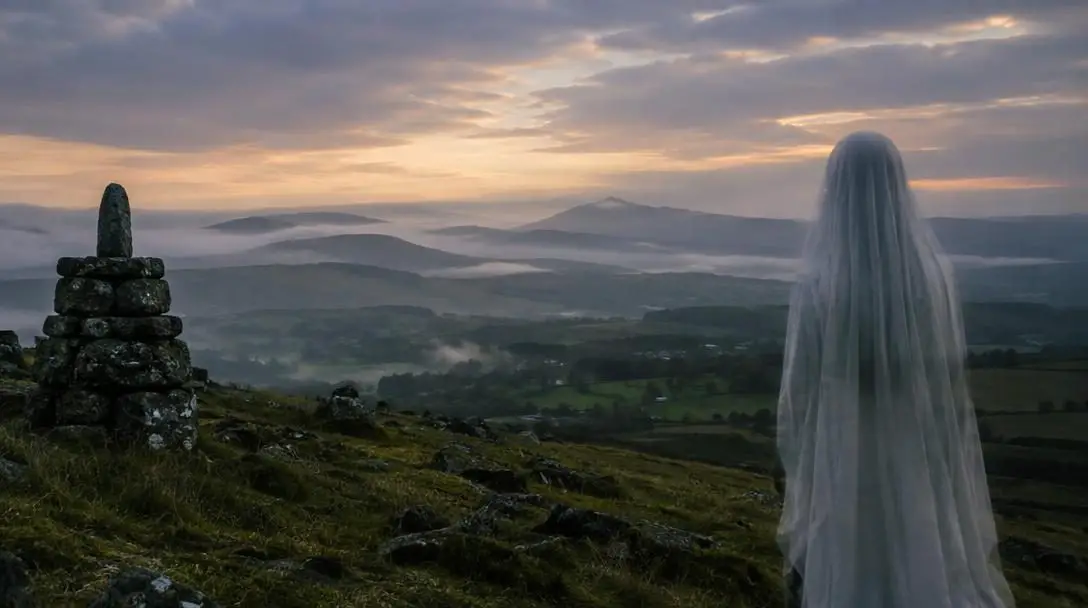
Paranormal beliefs have captivated human communities across every inhabited continent, enduring across generations as both an anchor of comfort and a source of dread. Far from being isolated fringe curiosities, convictions regarding supernatural phenomena represent deep-seated components of cultural heritage, oral history, and modern entertainment. By exploring these global narratives, observers can gain a clearer understanding of the universal human impulses that both connect and distinguish societies across geographic and social boundaries.
At their foundation, supernatural traditions provide structured explanations for occurrences that fall outside routine human experience. They directly confront humanity's most persistent questions: what transpires following physical death, whether humanity is alone in the vastness of space, what unseen forces inhabit untouched wilderness, and how communities endure sickness, vulnerability, and environmental peril. Across centuries, societies have formulated distinct, enduring frameworks to make sense of these existential mysteries.
Key takeaways
- Mainstream paranormal beliefs address universal human dilemmas surrounding mortality, cosmic isolation, and wild environments.
- Ghost traditions vary significantly by culture, ranging from vengeful spirits requiring appeasement to benevolent ancestors offering guidance.
- Cryptid and vampire lore often serve as psychological frameworks or environmental metaphors for disease, livestock loss, and wilderness navigation.
- Extraterrestrial lore merges traditional spiritual frameworks with modern anxieties over government secrecy and technological advancement.
- Modern witchcraft movements like Wicca emphasize environmental ethics and community harmony, contrasting sharply with historical European persecutions.
At a glance: Five universal paranormal traditions
While supernatural lore manifests in countless regional iterations, five broad traditions appear consistently across global cultures, each fulfilling distinct social and psychological roles.
| Tradition | Primary Cultural Manifestations | Core Societal Function | Modern Cultural Expression |
|---|---|---|---|
| Ghosts | Japanese yurei, Chinese Shen | Processing bereavement, honoring ancestors, and enforcing moral conduct | Ghost tours, paranormal investigations, and horror media |
| Aliens | UFO reports, abduction accounts, Area 51 | Navigating technological wonder, cosmic isolation, and institutional trust | Sci-fi cinema, whistleblower documentaries, and pop culture lore |
| Bigfoot | Indigenous sasquatch legends, North American wilderness lore | Fostering wilderness mystery, conservation curiosity, and explorer archetypes | Television docuseries, expeditionary fieldwork, and regional tourism |
| Vampires | Greek vrykolakas, South American Chupacabra | Explaining contagion, vitality loss, and agrarian economic threats | Gothic literature, television dramas, and urban fantasy franchises |
| Witchcraft | European trial records, contemporary Wiccan practices | Engaging personal agency, ecological stewardship, and community ethics | Modern pagan movements, eco-spirituality, and seasonal rituals |
Five foundational paranormal beliefs around the world
The global tapestry of the supernatural is anchored by five distinct categories of belief. Each category has adapted over generations, shifting from ancient oral accounts into modern media fixtures while maintaining its underlying cultural significance.
Ghosts
- Cultural variants: Japanese yurei, Chinese Shen
- Core concept: Disembodied spirits of the deceased remaining in the mortal plane
- Primary driver: Unfinished earthly business, memorial rites, and ancestral duty
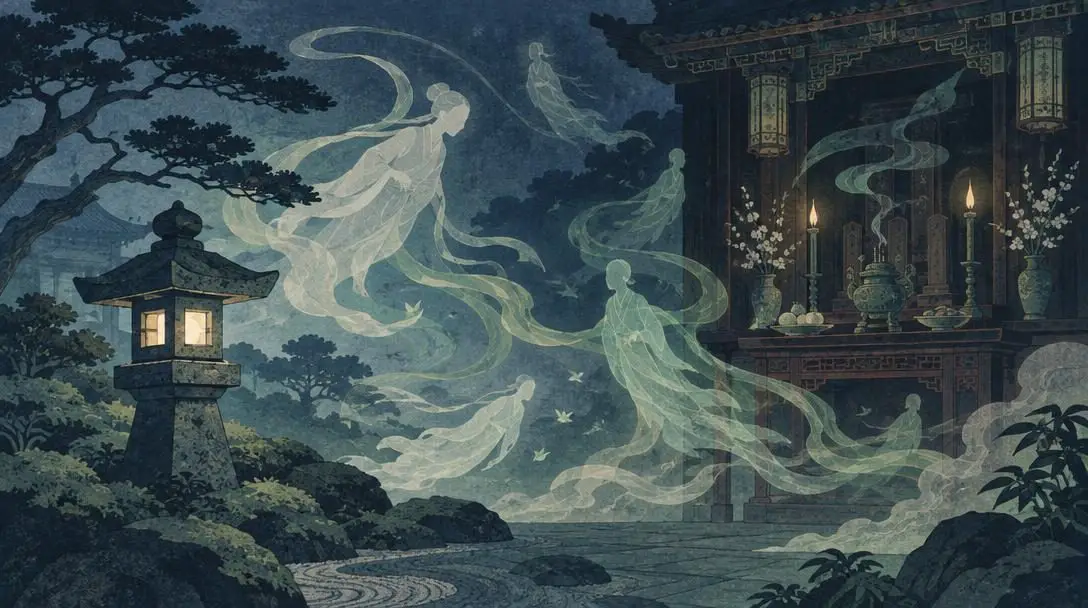
The conviction that human consciousness survives bodily death and remains accessible to the living is one of the most widespread paranormal concepts on Earth. Ghost narratives are deeply interwoven with funeral rituals, memorial practices, and distinct afterlife mythologies. In many societies, surviving family members believe that deceased relatives do not simply vanish; rather, they continue to co-exist alongside living descendants, often lingering because they have unfinished business left unresolved in life.
However, the emotional tone of ghost encounters varies radically depending on cultural framing. In Japan, traditional ghost lore includes the yurei, spirits depicted as restless, angry, and actively vengeful. These entities are believed to have suffered sudden, violent deaths or inadequate funeral rites, requiring rigorous spiritual appeasement to prevent harm. Conversely, traditional Chinese belief systems revere the Shen, benevolent ancestral spirits who offer guidance, reassurance, and protection to family lineages that honor them properly through regular memorial offerings.
Aliens
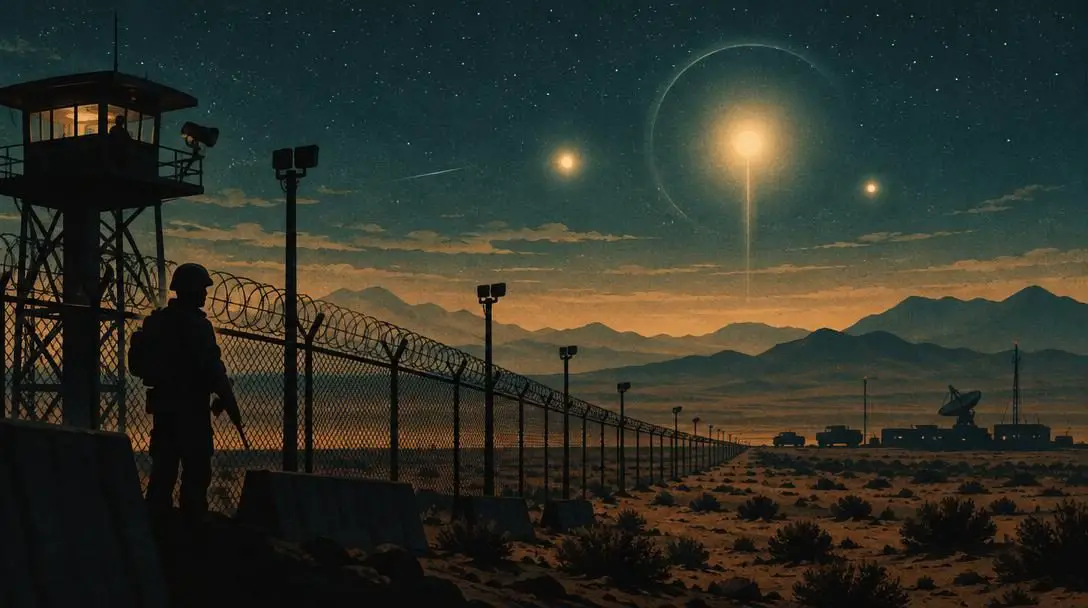
- Focal symbols: Unidentified flying objects (UFOs), reported abductions, Area 51
- Belief scope: Technical curiosity, government skepticism, and spiritual cosmology
- Primary driver: Search for cosmic company and suspicion of institutional secrecy
Convictions surrounding extraterrestrial life encompass unidentified flying objects, harrowing claims of physical abductions, and persistent interest in classified government operations. While modern media often frames alien encounters as an artifact of mid-twentieth-century Western pop culture, the belief system stretches far beyond contemporary tabloid reports. In multiple global societies, interactions with sky beings and cosmic entities are integrated directly into long-standing spiritual and religious traditions.
In modern lore, the narrative around extraterrestrials is heavily defined by institutional secrecy. The lore surrounding the United States military installation at Area 51 demonstrates how public curiosity regarding technological breakthroughs and deep-seated mistrust of government authorities can transform a remote defense facility into a global folklore icon. Sightings of advanced aerial phenomena and rumors of reverse-engineered craft allow communities to explore both technical wonder and sociopolitical skepticism through a single narrative lens.
Bigfoot
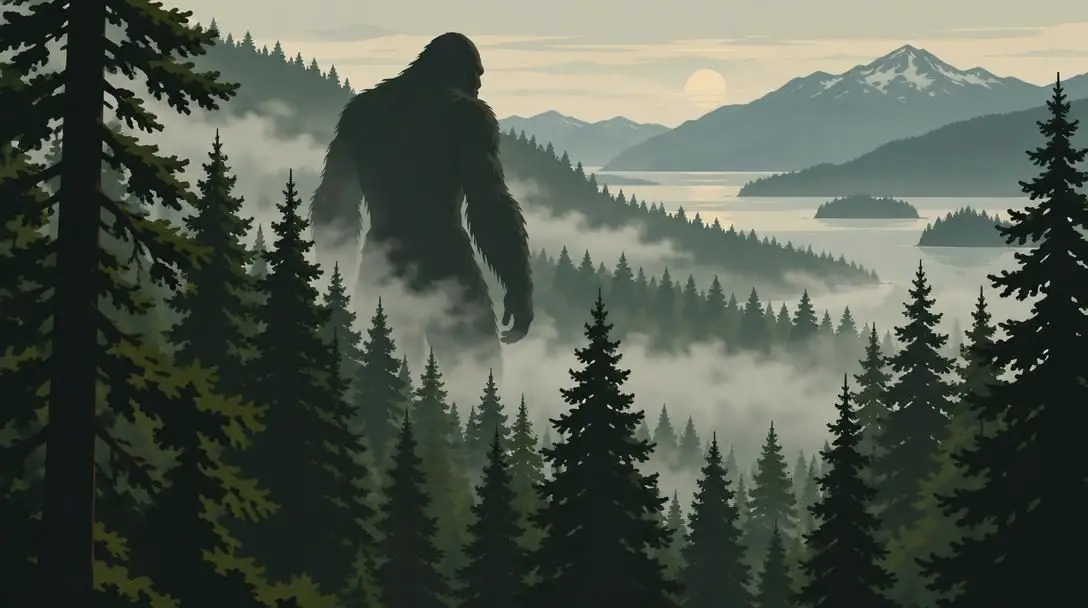
- Alternative names: Sasquatch
- Regional roots: North American forests, indigenous oral traditions
- Physical description: Large, bipedal frame, heavy musculature, distinct facial structure
The cryptid known throughout North America as Bigfoot or the sasquatch illustrates the transition of indigenous oral traditions into contemporary media-driven searches. For centuries, diverse indigenous nations across North America shared accounts of massive, hairy, upright-walking beings inhabiting dense forests. As immigrant populations expanded across the continent, these historical accounts were adapted into an enduring outdoor mystery sustained by recurring sightings, footprint casts, and fuzzy photographic evidence.
The creature is consistently described as a massive biped with a heavy build, thick hair, and recognizable facial features. This defined physical profile acts as an enduring mental template for outdoors enthusiasts and researchers. When individuals navigate dense, unfamiliar wilderness, their interpretations of sensory experiences are often shaped by these expectations. The ongoing search has spawned an expansive media ecosystem, including long-running documentary programs, cinematic treatments, and active field investigation organizations.
Vampires
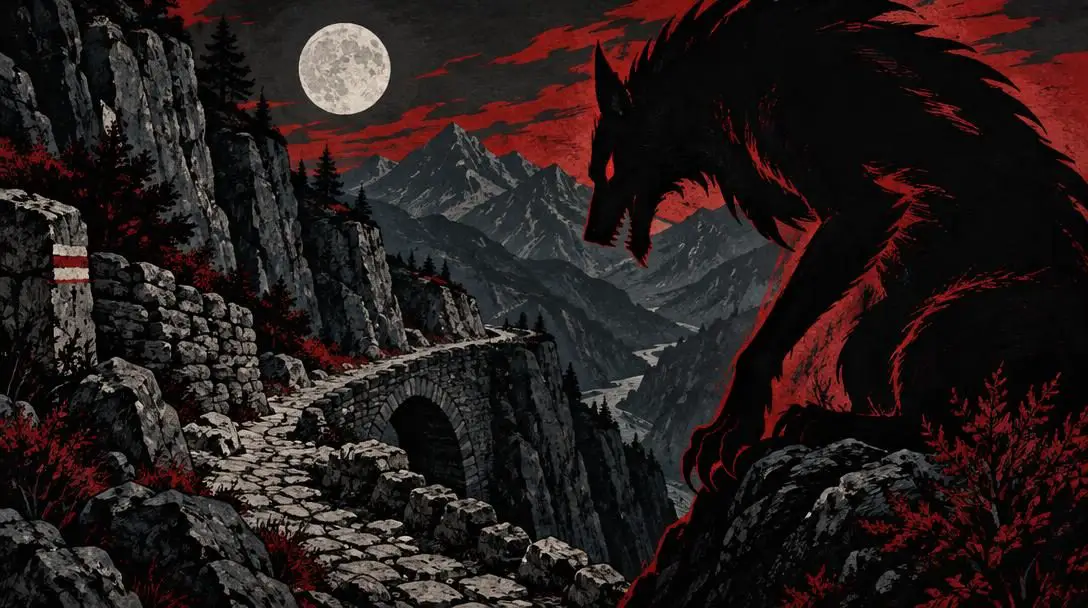
- Regional variants: Greek vrykolakas, South American Chupacabra
- Sustaining element: Consumption of the blood or vitality of the living
- Pop culture presence: Buffy the Vampire Slayer, Twilight
Predatory, blood-drinking entities appear across nearly every global folkloric tradition, frequently serving as somatic metaphors for infectious disease, sudden wasting, and agricultural vulnerability. The unifying attribute of vampire lore is an entity that requires the biological fluid of the living to maintain its existence. However, the specific forms these creatures take reflect local environments and community anxieties.
In Greece, the vrykolakas was traditionally conceived not as a refined aristocrat, but as an unsettling, reanimated corpse haunting rugged mountain passes and preying on isolated travelers. Across rural South America, the lore manifests as the Chupacabra, a predatory entity whose legend centers on the draining of blood from farm animals, particularly goats. This variation reflects the economic devastation that sudden, unexplained livestock mortality brings to agricultural households. Over the past century, these regional legends were thoroughly reinvented by Western entertainment, emerging as sympathetic antiheroes and romantic icons in television series like Buffy the Vampire Slayer and popular franchises like Twilight.
Vampiric legends historically transformed invisible vectors of disease, decay, and agricultural loss into tangible monsters that communities could confront and understand.
Witchcraft
- Historical record: Medieval and early modern European trials and executions
- Contemporary form: Wicca and related nature-based spiritual movements
- Core principles: Ritual energy work, environmental ethics, and community balance
Witchcraft encompasses both ancient folk practices of manipulating unseen natural energies and modern, organized spiritual systems. The history of witchcraft is fraught with tragedy, most notably during the medieval and early modern periods in Europe, where institutional panic, social upheaval, and religious conflicts resulted in widespread witch trials, torture, and state-sanctioned executions of thousands of individuals, primarily marginalized women.
In the contemporary era, witchcraft has undergone a profound philosophical transformation. Modern traditions like Wicca have established structured, peaceful belief systems centered around nature-focused rituals, lunar cycles, and seasonal shifts. Wiccans believe that human practitioners can consciously channel the active energies of the natural universe to facilitate healing and personal insight. Modern practitioners operate within explicit ethical guidelines that prioritize environmental stewardship, non-harm, and positive harmony within their wider communities.
How paranormal lore functions across cultures
The long-term resilience of supernatural narratives is not an accident of history. Lore persists because it performs vital psychological, social, and structural work within human communities. Examining these underlying mechanisms reveals why otherwise distinct cultures often produce strikingly similar folkloric frameworks.
One core mechanism is the social organization of bereavement. Believing that spirits linger allows communities to preserve relationships with deceased loved ones across generations. Memorial customs, ancestral shrines, and seasonal festivals offer predictable social forums for coping with grief, resolving family debts, and reaffirming moral obligations between ancestors and living kin.
Another prominent function is the externalization of societal anxieties. Whether focusing on shadowy government operations at Area 51 or the livestock-slaying attacks of the Chupacabra, supernatural lore provides an expressive outlet for anxieties that feel beyond ordinary control. Communities translate the fear of state opacity or agrarian ruin into vivid, tangible legends that can be shared, analyzed, and managed collectively.
Finally, cryptid and creature lore functions as a mechanism for environmental engagement. Narratives regarding Bigfoot establish borders between domestic safety and untamed wilderness. By peopling the dense woods with powerful humanoid beings, societies encode respect, caution, and awe into the physical geography, ensuring that travelers enter unfamiliar territory with heightened vigilance.
How to investigate folklore objectively
Analyzing supernatural narratives without falling into dismissive skepticism or uncritical credulity requires a systematic, evidence-based methodology. Researchers and enthusiasts can follow structured steps to understand legends within their proper contexts.
- Trace historical origins: Identify where the legend first entered recorded history. Determine whether the narrative stems from indigenous oral histories, ancient religious canons, judicial trial transcripts, or modern sensation-driven journalism.
- Differentiate regional variations: Avoid conflating unique cultural figures into generic archetypes. Analyze how specific environmental, geographical, and social factors distinguish entities like the Greek vrykolakas from the Latin American Chupacabra.
- Contextualize physical locations: When investigating specific geographical hotspots such as Area 51, study the verifiable military and industrial history of the location alongside the folklore to separate documentable operations from popular speculation.
- Document living community practices respectfully: When researching living traditions like Chinese ancestral veneration or modern Wiccan rituals, record practitioners' stated ethical codes, intentions, and lived experiences without imposing outside assumptions.
- Cross-reference sightings with environmental conditions: When assessing reports of cryptids like the sasquatch, analyze local fauna distributions, weather conditions, lighting limitations, and the observer's familiarity with native wildlife.
Common pitfalls when analyzing supernatural traditions
Examining paranormal lore requires navigating significant cultural nuances. Even experienced researchers frequently make critical errors when interpreting stories of the strange and unexplained.
- Stripping away cultural context: Assuming that all ghost lore shares the same meaning worldwide is a major analytical error. Interpreting the Japanese yurei through the same cultural lens as the Chinese Shen ignores crucial differences regarding how each society views familial duty, cosmic justice, and restless anger.
- Assuming beliefs are exclusively Western: Treating UFO sightings, alien contact narratives, or magical practices solely as products of Western pop culture overlooks the reality that extraterrestrial contact and magic have deep roots within global cosmological traditions across multiple continents.
- Confusing Hollywood media with living folklore: Conflating commercial film and television depictions—such as those popularized in Buffy the Vampire Slayer or the Twilight books—with original folklore leads to skewed impressions of how communities traditionally understood predatory undead entities.
- Dismissing unproven phenomena as culturally irrelevant: Refusing to examine legends like Bigfoot simply because physical specimen proof remains unconfirmed overlooks the profound cultural influence of the lore. The enduring pursuit alone shapes regional tourism, media production, and community identities.
- Misrepresenting modern witchcraft ethics: Projecting historical European stereotypes of malicious sorcery onto modern Wiccan communities misrepresents their contemporary philosophical tenets, which explicitly emphasize ecological stewardship and personal accountability.
The broader cultural and media landscape
As supernatural concepts move from oral storytelling into digital mass media, their functions and forms continue to shift. Examining these changes offers insight into modern media consumption and contemporary spiritual evolution.
A central dynamic is the transformation of terrifying monsters into sympathetic entertainment protagonists. In centuries past, the vampire was a revolting representation of decay, pestilence, and death. Modern media adaptations have recast these entities as charismatic, romantic figures exploring themes of immortality, alienation, and redemption. This shift illustrates how commercial storytelling adapts frightening folkloric archetypes to satisfy evolving societal tastes.
Similarly, the transition of witchcraft from a feared taboo punishable by death into legally recognized nature-based religions illustrates broader cultural realignments. As modern societies wrestle with industrialization, environmental degradation, and disconnected urban lifestyles, traditions that prioritize seasonal rhythms and environmental protection have found renewed resonance among younger generations.
Frequently asked questions
How do Japanese yurei differ from Chinese Shen?
Japanese yurei are traditionally depicted as restless, emotionally agitated, and vengeful spirits who suffered violent deaths or improper funeral rites, requiring specific rituals to pacify their anger. In contrast, Chinese Shen are understood as benevolent ancestral spirits who maintain a protective, supportive relationship with descendants who honor them through dedicated family memorials.
Why is Area 51 central to global extraterrestrial lore?
Area 51 became a central symbol of UFO culture because its real-world status as a highly classified, remote military testing ground provided fertile ground for speculation. The combination of verified government secrecy and unexplained aerial test flights allowed rumors of recovered alien technology to flourish into enduring international folklore.
How did historical vampire beliefs differ from modern media depictions?
Historical vampires, such as the Greek vrykolakas, were feared as terrifying, bloated, reanimated corpses that brought sickness and death to rural settlements. In contrast, modern depictions across film and literature recast vampires as polished, elegant, and morally complex figures exploring romantic and philosophical dilemmas.
What are the original historical roots of the Bigfoot legend?
Bigfoot traditions originated in the oral lore of indigenous North American peoples, who shared accounts of large, hair-covered, bipedal forest dwellers long before European contact. Over the twentieth century, these native accounts were absorbed by broader North American culture, evolving into an active cryptid hunt documented through television, books, and wilderness expeditions.
What is the relationship between modern Wicca and medieval witchcraft?
Medieval witchcraft was defined largely by judicial paranoia, theological panic, and social scapegoating that led to thousands of executions across Europe. Modern Wicca, by contrast, is an organized, twentieth-century spiritual tradition focused on nature veneration, ethical self-discipline, and environmental stewardship, deliberately rejecting harmful practices.
The bottom line
Mainstream paranormal beliefs endure across the modern world not because people lack scientific understanding, but because supernatural folklore addresses fundamental questions of human existence. Ghost narratives help communities honor their deceased forebears and face their own mortality. Extraterrestrial stories channel wonder and skepticism toward technology and the cosmos. Cryptids like Bigfoot allow modern people to retain an element of mystery within untouched wilderness, while vampire legends personify threats to health and livelihood.
By studying how these five traditions adapt across eras and borders, researchers and observers gain a deeper appreciation for humanity's shared creative heritage. Far from being mere relics of ancient superstition, paranormal lore remains a vibrant, evolving language through which societies explore fear, morality, and their place in the natural world.