
5 Products to Help Save You Money

With inflation on the rise and wages stagnant across many parts of the country, families everywhere are searching for realistic ways to protect their household budgets. The instinctive reaction during difficult financial periods is often to cut discretionary spending to zero and avoid opening the wallet altogether. While reducing unnecessary purchases is generally sound financial advice, blanket austerity overlooks an important economic reality: certain strategic purchases can actually generate substantial long-term savings.
The principle behind investing in reusable and highly efficient household items is fundamentally straightforward: you replace recurring, ongoing expenses with a single upfront purchase. Disposable consumer goods, outdated home climate systems, and wasted groceries steadily drain monthly cash flow. By introducing durable, purpose-built tools that eliminate the need for repeat consumables or slash resource consumption, households can permanently lower their baseline cost of living.
Key takeaways
- Investing in durable, reusable goods replaces continuous recurring expenses with a predictable, one-time expenditure.
- Minor shifts in home utility management and laundry routines can yield substantial reductions in monthly energy and supply costs.
- Preventing food waste through better preservation and home cooking represents one of the fastest routes to lowering grocery expenditures.
- Prioritizing purchases based on your personal spending leaks ensures the quickest financial return on investment.
At a glance: Upfront tools that cut ongoing costs
Before examining each tool in detail, review how these five investments address different recurring household drains, ranging from single-use beverage containers to utility bills and discarded groceries.
| Product | Category | Primary Financial Benefit | Key Capability |
|---|---|---|---|
| Hydro Flask Water Bottles | Beverages & On-the-Go | Eliminates single-use bottled drink purchases | Cold retention for 24 hours; warm retention for 12 hours |
| SimplrSpaces Wool Dryer Balls | Laundry Care | Replaces dryer sheets and liquid softeners while reducing cycle runtimes | Cuts drying times up to 40%; lasts up to 1,000 loads or 4 years |
| Google Nest Learning Thermostat | Home Climate Control | Lowers monthly heating and cooling energy usage | Learns user schedules and suggests optimal energy-saving temperatures |
| NutriChef PKVS Sealer | Food Storage | Prevents spoilage and freezer burn on bulk foods | Preserves food freshness up to five times longer than standard bags |
| Magic Chef MCPSMCSC10S7 6 Qt Multi-Cooker | Kitchen Appliance | Curbs costly restaurant takeout through effortless home meal prep | Six-in-one functionality including pressure cooking, searing, and slow cooking |
Hydration without the convenience markup
Grabbing a cold bottle of water, iced tea, or hot coffee while running errands or commuting may seem like a trivial expense, but repeated daily convenience purchases quietly erode family savings over the course of a year. Investing in an insulated, commercial-grade container ensures you are never reliant on roadside convenience stops or airport kiosks for clean, temperature-controlled hydration.
Hydro Flask Water Bottles

- Construction: 18/8 pro-grade stainless steel
- Temperature retention: Keeps cold for 24 hours, warm up to 12 hours
- Safety standard: BPA-free and phthalate-free
- Warranty coverage: Lifetime guarantee
Hydro Flask containers solve the dual problems of single-use plastic waste and ongoing beverage spending through heavy-duty engineering. The double-wall vacuum insulation maintains drinking temperatures over entire workdays, meaning morning ice water stays chilled through the afternoon heat, while hot brews retain their warmth through long morning meetings. Because the interior is built with high-grade stainless steel, flavors do not transfer between uses, preventing the unpleasant metallic or stale aftertastes common to cheaper alternatives.
Making a durable bottle part of your daily routine requires intentional planning before you leave the house:
- Fill the insulated bottle with your preferred cold beverage, ice, or hot coffee directly from home before setting out for the day.
- Place the container in a designated pocket of your work bag, backpack, or vehicle console so it is always accessible when thirst strikes.
- Use free municipal or commercial refill stations at airports, offices, transit hubs, and fitness centers instead of purchasing disposable bottles.
- Hand-wash the vessel and lid components regularly in accordance with care guidelines to protect the outer finish and maintain the silicone seals.
To get the longest life and highest return from an insulated bottle, keep several common pitfalls in mind:
- Leaving the bottle at home: Failing to integrate the bottle into your daily departure routine forces you right back into purchasing expensive single-use beverages.
- Infrequent cleaning: Allowing residue to accumulate around internal gaskets can degrade seals and create lingering odors.
- Neglecting pressure dynamics: Leaving hot liquids sealed inside the flask undisturbed for extended days can create internal pressure issues or make the lid difficult to loosen.
Slashing laundry cycles and supply bills
The laundry room is a major site of hidden recurring spending. Between chemical softeners, scented single-use dryer sheets, and extended appliance runtimes that burn electricity or gas, keeping a family's wardrobe fresh incurs substantial ongoing overhead. Transitioning to mechanical fabric softening eliminates the need to buy chemical consumables while noticeably shortening appliance operating cycles.
SimplrSpaces Wool Dryer Balls
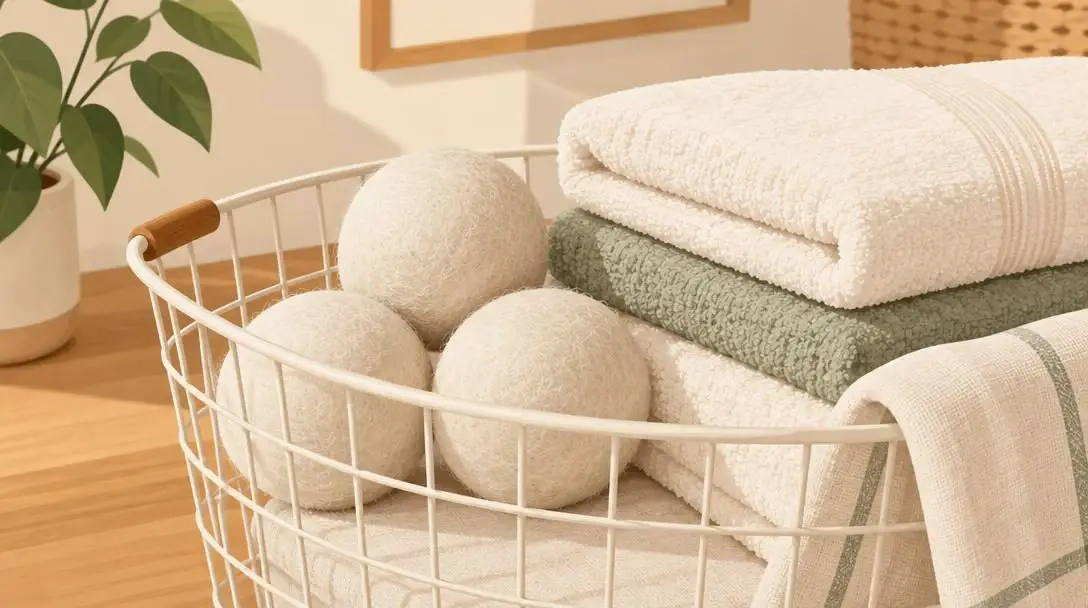
- Material: 100% organic wool
- Lifespan: Up to four years or 1,000 laundry loads
- Efficiency gain: Dries clothes up to 40% faster
- Hypoallergenic rating: Safe for sensitive skin, infants, and pets
SimplrSpaces Wool Dryer Balls function by physically separating clothing as the dryer drum tumbles. Standard wet laundry tends to clump together in a damp, dense mass, forcing the dryer heating element and blower fan to work overtime to push warm air through the core of the bundle. As these dense wool spheres bounce continuously between garments, they lift and separate fabric layers, permitting heated air to circulate freely through the entire tumble drum.
Beyond increasing airflow, the pure organic wool absorbs a portion of surface moisture during the early phase of the cycle and gently kneads fabric fibers. This mechanical action naturally fluffs towels, softens cottons, and reduces static cling without coating textiles in the synthetic chemical residues found in commercial dryer sheets and liquid softeners.
To integrate wool dryer balls into your laundry workflow seamlessly:

- Toss the wool dryer balls directly into the tumble dryer drum alongside your damp, freshly washed clothes.
- Shorten your baseline drying cycle duration by roughly one-third to compensate for the accelerated drying performance.
- Remove garments promptly once the shortened cycle concludes, leaving the balls inside the drum or in an adjacent open basket for the next load.
- Run them through everyday household laundry cycles, including delicate nursery items, pet bedding, and apparel for sensitive skin.
Avoid these operational errors when switching away from disposable sheets:
- Overloading the machine: Packing the dryer drum to maximum capacity prevents the balls from bouncing, completely eliminating their ability to separate garments and circulate air.
- Doubling up on chemicals: Continuing to pour liquid softener into the washer or tossing in dryer sheets wastes money on supplies that the dryer balls are specifically designed to replace.
- Running legacy timer cycles: Leaving the appliance on older, prolonged presets causes unnecessary fabric wear and wastes the energy savings generated by faster cycle times.
Intelligent climate management for utility bills
Heating and cooling account for the single largest share of residential energy usage. Traditional thermostats depend on manual adjustments, which means furnaces and air conditioning compressors frequently run at full blast in empty homes when occupants forget to adjust the wall unit before heading to work. An intelligent climate controller automates these adjustments to curtail wasted kilowatt-hours without sacrificing indoor comfort.
Google Nest Learning Thermostat

- Control system: Programmable automated learning algorithm
- Connectivity: Remote smartphone management from anywhere
- Energy feedback: Visual indicators for peak cost-saving settings
- System focus: Whole-home heating and cooling optimization
The Google Nest Learning Thermostat eliminates human error from climate control by developing a custom schedule based on observed user preferences. During the initial days following installation, the device monitors when you wake up, when you leave the home, what temperatures you prefer in the evening, and when you sleep. It then builds an automated schedule tailored precisely to your family's actual movement patterns.
The device also pairs with mobile devices to detect when the home is unoccupied, allowing the system to shift into an eco-friendly mode that prevents conditioning an empty space. Built-in visual guidance highlights when you select a target temperature that actively cuts power usage, encouraging subtle, financially rewarding adjustments over time.
To extract the highest utility savings from an intelligent thermostat:
- Mount and wire the hardware safely according to instructions, pairing the wall unit with your home wireless network.
- Adjust temperatures manually as needed over the first week to give the onboard algorithm an accurate profile of your living habits.
- Install the companion mobile application on your family members' smartphones to enable location-aware absent modes.
- Target the device's designated energy-saving temperature thresholds when cooling during summer peaks or heating in winter.
Watch out for behaviors that undermine the unit's smart features:
- Erratic manual overrides: Continually changing temperatures by extreme amounts disrupts the algorithm's learned schedule, preventing it from optimizing energy cycles.
- Ignoring mobile setup: Skipping the smartphone app integration prevents the unit from detecting when the house is empty, forfeiting away-from-home energy cuts.
- Disregarding visual efficiency cues: Neglecting the on-screen indicators that signal optimal energy ranges leads to unnecessary heating and cooling costs.
Halting grocery spoilage through vacuum preservation
Discarded food is among the most pervasive leaks in the typical family budget. Purchasing proteins and produce in bulk offers substantial per-pound discounts, but those savings quickly disappear if freezer burn or ambient oxygen spoils the food before dinner rolls around. Vacuum preservation provides an airtight shield that lets you capitalize on bulk pricing without risking spoilage.
The concept behind investing in reusable and efficient household items is simple: replace recurring, ongoing expenses with a one-time purchase.
NutriChef PKVS Sealer
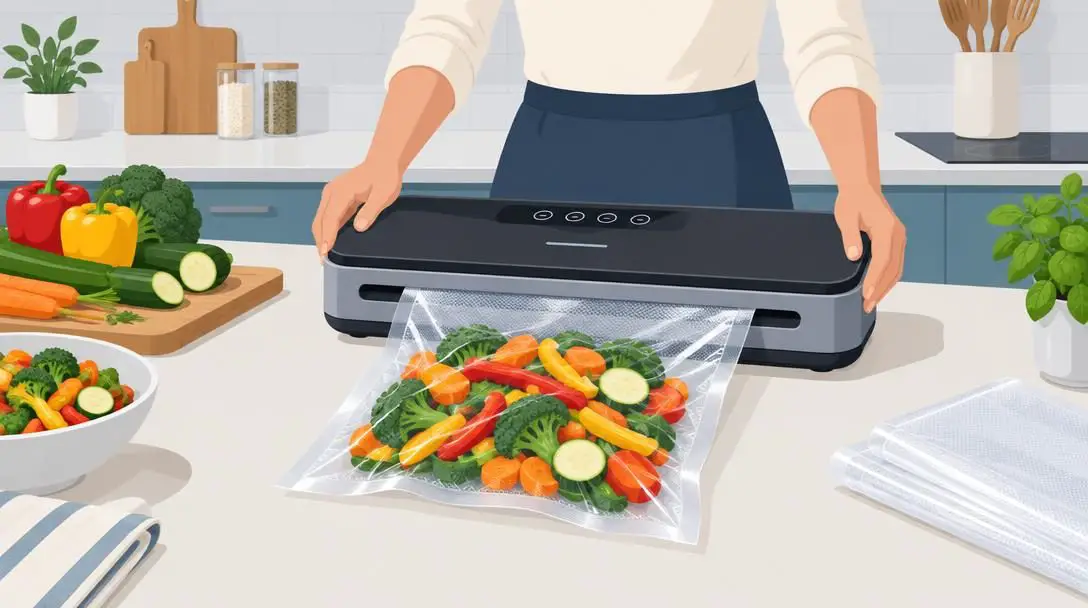
- Preservation capability: Keeps food fresh up to 5 times longer
- Sealing technology: Automated air-extraction and heat-sealing
- Storage safety: Freezer-safe barrier protection
- Primary target: Bulk meats, produce, and dry pantry goods
Air exposure is the root cause of food spoilage, surface mold, and freezer burn. Oxygen fuels aerobic bacteria and accelerates the oxidation of fats and delicate nutrients. The NutriChef PKVS Sealer uses an internal vacuum pump to pull ambient air out of specialized heavy-gauge barrier bags before clamping down with an integrated heating element to form an airtight weld.
By keeping oxygen away from food surfaces, the appliance prevents moisture from evaporating inside sub-zero freezers, eliminating the dry, leathery discoloration known as freezer burn. Meats, blanched vegetables, and firm cheeses can stay preserved in deep cold up to five times longer than items wrapped in standard zipper bags or plastic storage tubs, allowing families to shop monthly meat sales and divide bulk wholesale packs with complete confidence.
Follow an organized routine to maximize your bulk food preservation:
- Divide large bulk packages of meat, poultry, or produce into single-meal portions tailored to your household size.
- Insert the food into an appropriate sealer bag, ensuring the open end remains completely dry and flat across the sealing bar.
- Engage the automated sealing cycle to extract interior air and create a continuous, hermetic heat seal.
- Write the food description and freeze date directly on the bag's exterior panel before organizing packages flat in your freezer.
Avoid these frequent packaging blunders to ensure an airtight hold:

- Overfilling the packaging: Stuffing bags too full prevents the machine from seating the bag flat, resulting in weak or incomplete heat seals.
- Trapping excessive surface moisture: Attempting to seal very wet items without pre-freezing or patting them dry can draw liquid into the heat strip, preventing an airtight weld.
- Disorganized freezer storage: Stacking unmarked packages without dates leads to neglected items, defeating the cost benefits of extended shelf life.
Defeating the restaurant premium with low-effort home cooking
Between long workdays, school commutes, and evening responsibilities, dinner fatigue is the primary driver of expensive takeout and restaurant dining. Convenience food carries high markups for labor, packaging, and delivery. Equipping your counter with an all-in-one culinary workstation lowers the effort required to make wholesome, budget-friendly meals from scratch on busy weeknights.
Magic Chef MCPSMCSC10S7 6 Qt All-in-One Multi-Cooker
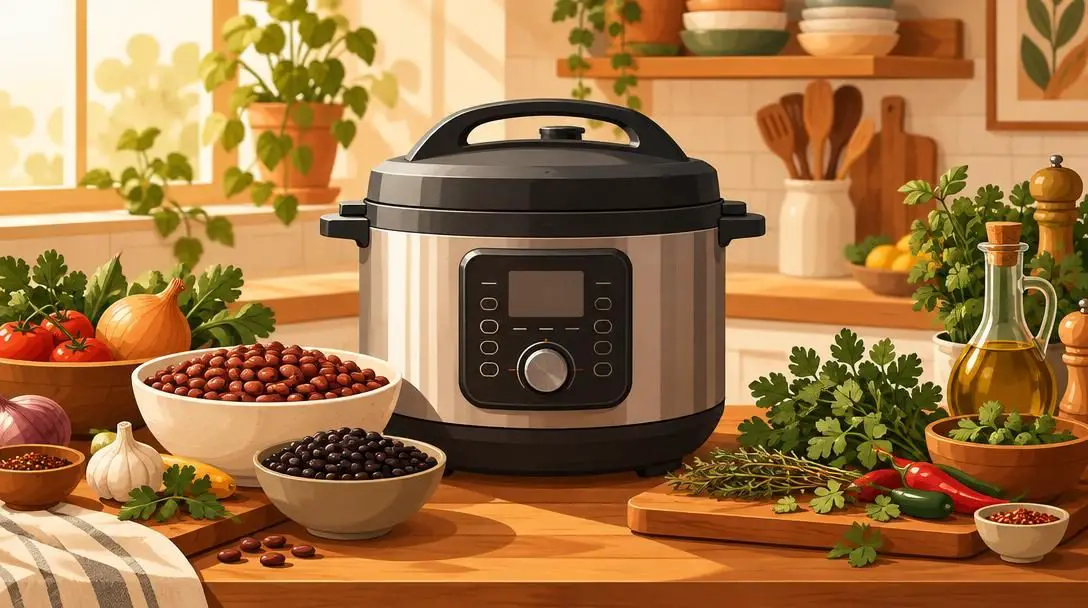
- Internal capacity: 6-quart cooking drum
- Primary functions: Pressure cook, slow cook, steam, and sear
- Specialty settings: Dedicated rice cooking and homemade yogurt cycles
- Design format: Compact, single-pot countertop appliance
The Magic Chef MCPSMCSC10S7 replaces an array of single-task kitchen tools by combining high-pressure steam management, slow simmering, surface searing, and controlled fermentation inside a single 6-quart footprint. The pressure cooking mode traps steam to build internal pressure, elevating the boiling point of liquids and forcing heat into tough fibers. This allows home cooks to prepare dried beans, whole grains, and budget-friendly cuts of meat in a fraction of the time required by standard stovetop simmering.
Because the unit features an integrated sear function, you can brown proteins and aromatics directly inside the inner pot before switching to a slow-cook or pressure-cook cycle, preserving rich flavors without dirtying multiple pans. Furthermore, the specialized yogurt setting lets you turn basic milk into gallons of fresh yogurt, eliminating the markup of pre-packaged single-serve dairy containers.
Use your multi-cooker to cut meal preparation costs step by step:
- Plan simple weekly meal plans focused on affordable staples, such as dry legumes, seasonal vegetables, and economical cuts of meat.
- Brown your proteins and vegetables using the built-in sear setting to lock in deep culinary flavor right in the pot.
- Select pressure cook for rapid weeknight meals or slow cook for hands-off preparation while you are away from the house.
- Prepare batch quantities of bulk grains, shredded proteins, or homemade dairy to refrigerate for low-cost weekday lunches.
Steer clear of these common multi-cooker pitfalls:
- Overcooking delicate items: Failing to account for how rapidly pressure breaks down tender vegetables can leave delicate ingredients mushy.
- Reverting to convenience orders: Leaving the machine in the cupboard on stressful evenings directly leads back to expensive food delivery.
- Misaligned pressure valves: Neglecting to ensure the steam release valve is set to the sealed position before starting prevents the pot from pressurizing properly.
Strategic spending: How to prioritize your initial purchase
When you are operating on a tight budget, buying multiple products simultaneously can strain your finances, defeating the initial goal of financial relief. A methodical, phased approach ensures each product pays for itself before you move to the next.
Start by auditing your household accounts over the preceding three months to identify your largest spending leak. If your monthly energy bills are driving high utility expenses, an automated climate controller offers the fastest payback period. If your bank statements show hundreds of dollars lost to mid-week takeout, drive-through coffees, or discarded groceries, food-centric tools will deliver an immediate, noticeable reduction in your living costs.
Focus on purchasing one tool at a time and deliberately weaving it into your daily routine. Once the initial investment has generated noticeable monthly savings, direct that freed-up capital toward your next efficiency upgrade.
Frequently asked questions
How can spending money on new items actually save money during inflation?
Investing in durable, high-efficiency tools replaces continuous, recurring expenses with a single upfront purchase. Items like insulated water bottles, reusable dryer balls, and multi-cookers eliminate the need to repeatedly buy single-use products, chemical supplies, or expensive convenience food, permanently lowering your ongoing household overhead.
How do wool dryer balls reduce household electricity and gas bills?
Wool dryer balls physically bounce between damp clothes in the dryer drum, lifting and separating fabric layers. This action allows heated air to circulate freely rather than struggling through a dense, wet mass. By increasing airflow and absorbing surface moisture, they cut drying times by up to 40%, letting you run shorter cycles and consume less energy.
Why is a smart learning thermostat better than a standard digital timer?
Standard programmable timers rely entirely on manual scheduling, which people often fail to set or update as their routines shift. A learning thermostat automatically analyzes your real-world habits, adjusts settings when you leave home, and displays energy-saving temperature suggestions, optimizing efficiency without requiring constant attention.
Can a food vacuum sealer really help lower a family's grocery budget?
Yes. A food vacuum sealer extracts oxygen and forms a protective, freezer-safe seal that preserves food up to five times longer than standard zipper bags or containers. This prevents freezer burn and spoilage, allowing households to buy meats and dry goods in bulk at wholesale prices without throwing away spoiled portions.
How does owning a multi-cooker reduce dinner expenses?
A multi-cooker simplifies scratch cooking by combining pressure cooking, slow cooking, searing, steaming, and rice making into one appliance. It allows families to tenderize affordable, budget-friendly cuts of meat, cook dried legumes quickly, and make low-effort home meals on busy weeknights, removing the temptation to order expensive restaurant takeout.
The bottom line
Financial security during periods of inflation does not require families to accept lower living standards or rely solely on extreme austerity. The real secret to durable household savings lies in eliminating recurring, low-value expenses that quietly drain checking accounts month after month. Moving away from single-use plastics, disposable laundry additives, uncontrolled home climate cycles, and discarded groceries creates structural, permanent relief across your domestic budget.
Every reusable tool and energy-efficient device you introduce into your home serves as a permanent hedge against inflation. By methodically identifying your family's biggest spending leaks and substituting recurring consumable costs with durable, high-utility equipment, you build a resilient household system that saves money every single day.