5 Songs That Went Viral on TikTok
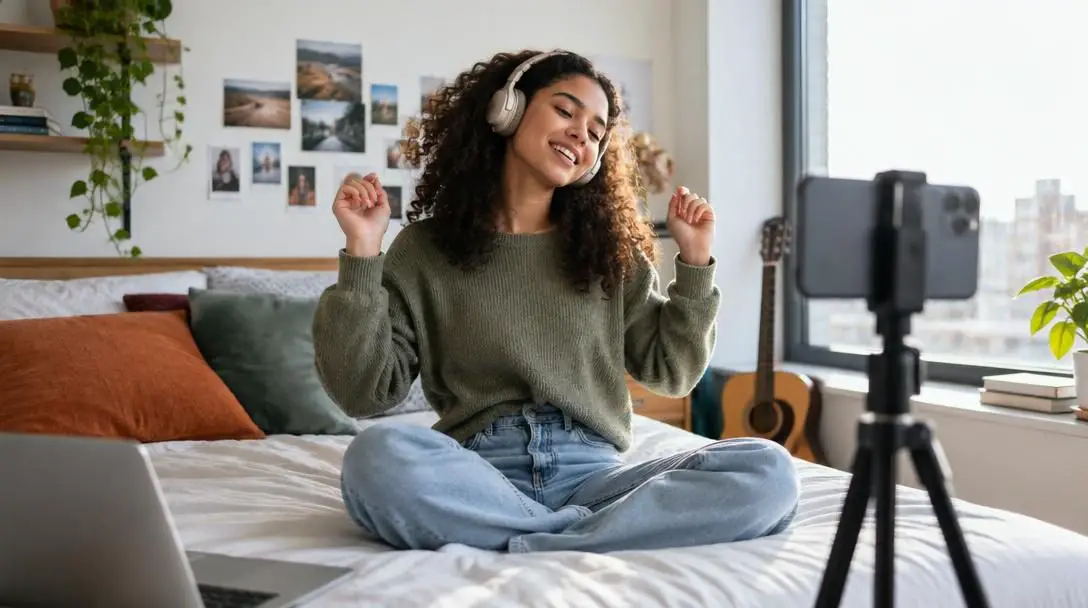
The global music industry has undergone a fundamental transformation, rendering obsolete the traditional model where record labels simply released a single and waited for radio stations, television appearances, and physical record sales to do the heavy lifting. In today's digital landscape, executives and independent musicians alike focus heavily on social media platforms, particularly TikTok, where user-driven video content turns short audio clips into global hits overnight. Because short-form video depends on captivating soundtracks, a catchy snippet attached to a dance routine or a comedy sketch can cross international borders and enter millions of personal streaming queues within hours.
This seismic shift in promotional priorities means that chart positions are increasingly won or lost on digital feeds. While some tracks represent sudden commercial breakthroughs for working artists, others elevate rising stars to superstar status or revive vintage recordings that originally debuted decades ago. Examining how these songs achieved astronomical reach reveals the underlying mechanics of modern digital entertainment and user-driven audio discovery.
Key takeaways
- Modern music discovery relies heavily on participatory social video rather than passive radio or television promotion.
- Choreographed dance routines, emotional live performances, and comedic audio formats can propel neglected album cuts or classic recordings to the top of global charts.
- Older tracks from previous decades can experience sudden commercial resurgences when remixed, repitched, or repurposed as soundtrack memes.
- Viral audio success requires versatile, high-impact hooks that everyday creators can easily adapt to their own video concepts.
At a glance: Five landmark viral tracks
The tracks that dominate short-form feeds follow remarkably diverse trajectories before arriving at mainstream chart dominance. The table below outlines how each featured song found its footing on digital feeds and translated that momentum into measurable commercial success.
| Song | Artist | Original Debut | Primary Viral Catalyst | Peak Commercial Impact |
|---|---|---|---|---|
| "Say So" | Doja Cat | 2019 (Album: Hot Pink) | Haley Sharpe dance challenge | Billboard Hot 100 Number 1 |
| "Savage" | Megan Thee Stallion | 2020 (EP: Suga) | Keara Wilson viral dance challenge | First Top 10 and Number 1 hit |
| "Remember (Walking in the Sand)" | The Shangri-Las | 1964 | Capone "Oh No" repitched remix | Massive search spike in November 2020 |
| "Paparazzi" | Lady Gaga | 2009 (Album: The Fame) | 2009 MTV VMA live performance audio | Resurgence in 2021 via satirical video trends |
| "Drivers License" | Olivia Rodrigo | 2021 (Album: Sour) | Somber and satirical user storytelling | Number 1 globally; two Grammy Awards |
Five standout tracks propelled by social video
The following five tracks exemplify the immense power of viral short-form video engagement, demonstrating how creator participation can alter an artist's career path or breathe new life into forgotten recordings.
"Say So" by Doja Cat
- Artist debut: Active on the music scene since 2014
- Album source: Hot Pink
- Viral trigger: Dance routine created by Haley Sharpe
- Chart achievement: Reached number one on the Billboard Hot 100
Although many casual listeners assumed Doja Cat was an overnight sensation when her breezy single "Say So" dominated airwaves, she had been releasing music since 2014. Her earlier discography, including her debut studio album Amala, had struggled to gain commercial traction, failing to crack the top 100 on the Billboard charts while her previous singles missed the top 40 entirely. When the album Hot Pink arrived, "Say So" was not initially positioned as the project's defining commercial spearhead.
Everything changed when creator Haley Sharpe published a synchronized dance routine set to the track's infectious groove. The choreography took off across the platform, turning an overlooked album cut into a worldwide cultural phenomenon. As millions of creators replicated the movements, the song migrated onto streaming playlists and radio stations, culminating in Doja Cat earning her first number-one hit on the Billboard Hot 100.
"Savage" by Megan Thee Stallion
- Career start: First commercial singles released in 2017
- Breakthrough dance creator: Keara Wilson (over 15 million views on original video)
- Platform milestone: Ranked as the most-played track on TikTok during its peak
- Commercial milestone: Scored Megan Thee Stallion's first top 10 and number one single
Megan Thee Stallion built steady underground and regional momentum following her initial commercial releases in 2017, generating solid listener interest with tracks like "Big Ole Freak" and "Cash S***." By 2019, she earned mainstream recognition through "Hot Girl Summer," which featured Nicki Minaj and Ty Dolla Sign. However, the release of "Savage" marked her transition into an undisputed superstar, driven almost entirely by user participation.
Choreographer Keara Wilson uploaded a sharp, rhythmic routine that resonated deeply with users stuck indoors during the onset of the COVID-19 pandemic. With millions of people confined to their living rooms and spending hours on their smartphones, Wilson's initial video surpassed 15 million views and set off a chain reaction of user submissions. The song quickly became the most played audio on the platform, vaulting Megan Thee Stallion into the Billboard top 10 and delivering her first career number-one record.
"Remember (Walking in the Sand)" by the Shangri-Las
- Original release date: 1964
- Viral adaptation: Repitched hip-hop remix known as "Oh No" by Capone
- Peak interest window: Global search queries spiked dramatically in November 2020
- Band catalog hits: "Leader of the Pack" and "Give Him a Great Big Kiss"
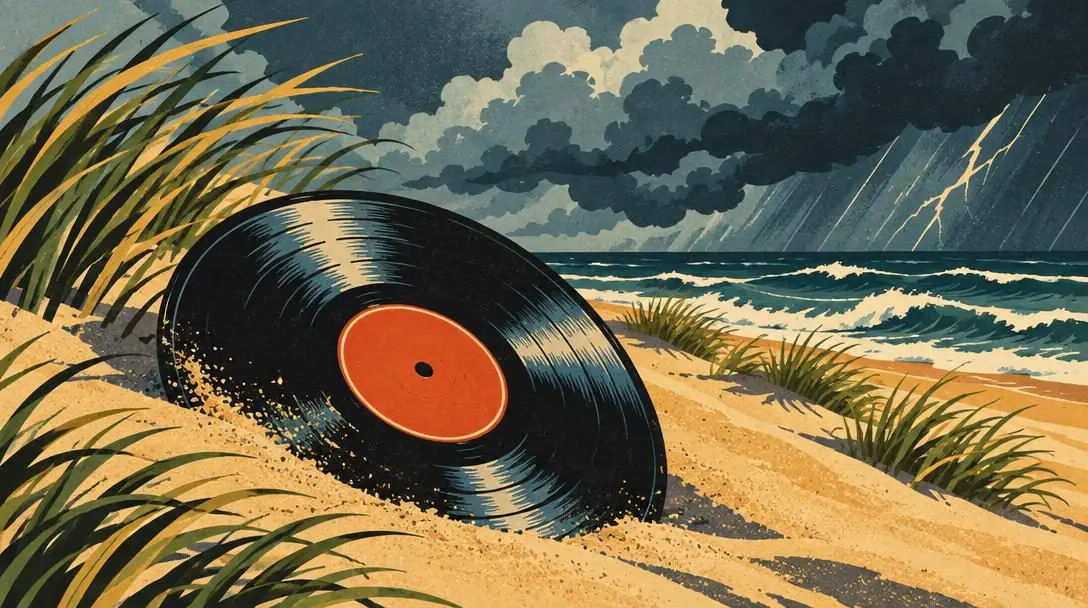
The viral power of modern video apps is not reserved exclusively for contemporary releases. One of the most ubiquitous sounds in digital media history traces its lineage back to 1964, when the American girl group the Shangri-Las recorded "Remember (Walking in the Sand)." Decades later, rapper Capone sampled the track's distinctive piano intro and mournful vocal line, which internet creators subsequently repitched, sped up, and looped into the inescapable "Oh No" audio template.
Though critics and listeners often found the high-pitched loop grating upon repeated listens, its cultural ubiquity was undeniable. The sound became the universal internet soundtrack for impending disaster, physical clumsiness, and moments of acute embarrassment. In November 2020, Google searches for "the Oh No song" exploded, introducing a modern generation to the Shangri-Las, who were previously celebrated for mid-century classics such as "Leader of the Pack" and "Give Him a Great Big Kiss."
"Paparazzi" by Lady Gaga
- Song composition date: Written in 2007; released on The Fame in 2009
- Original chart peak: Peaked at number six on the Billboard Hot 100
- Resurgence year: 2021
- Audio source: Live performance at the 2009 MTV Video Music Awards
Lady Gaga's "Paparazzi" was already a certified pop classic, having reached number six on the Billboard Hot 100 following its inclusion on her 2009 smash album The Fame. Over a decade after its initial chart run, the track experienced an unexpected second life across short-form video in 2021. Rather than pulling from the crisp, electronic studio recording, creators gravitated toward Gaga's raw, theatrical live rendition from the 2009 MTV Video Music Awards.
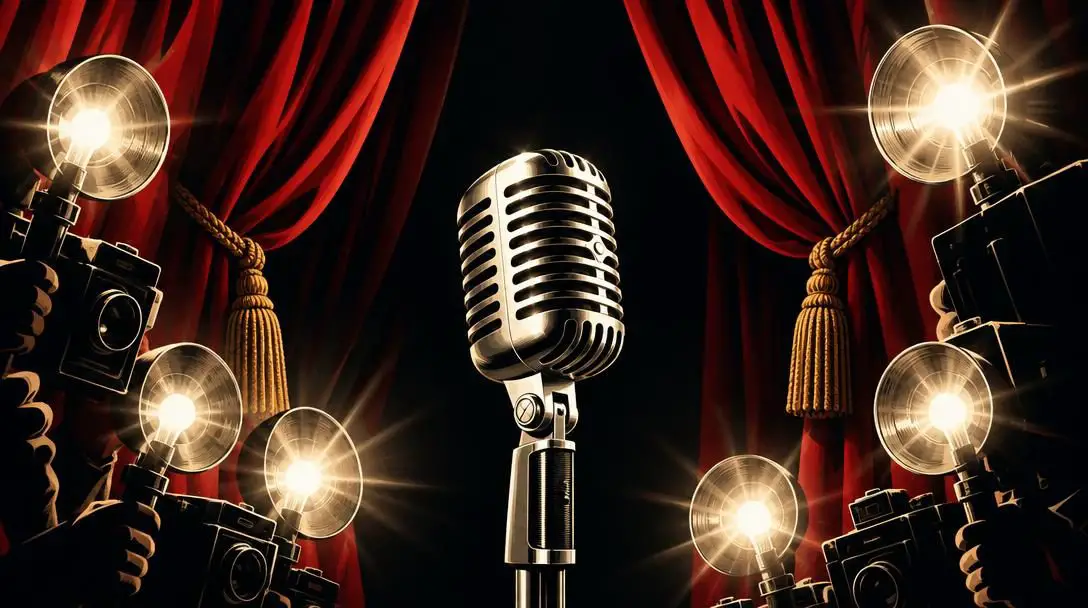
During that famous awards performance, Lady Gaga sang with ragged intensity while portraying a mortally wounded, blood-soaked starlet struggling under the flashbulbs of intrusive photographers. The audio captured her voice breaking with dramatic desperation, sounding radically different from the polished studio album. Creators extracted this emotional, distressed vocal snippet and paired it with comedic sketches depicting exaggerated obsession, satirical romantic melodrama, and playful character parodies.
"Drivers License" by Olivia Rodrigo
- Debut album: Sour (2021)
- Lead single: "Drivers License"
- Chart performance: Reached number one across every major international music chart
- Major accolades: Won Grammy Awards for Best New Artist and Best Pop Solo Performance
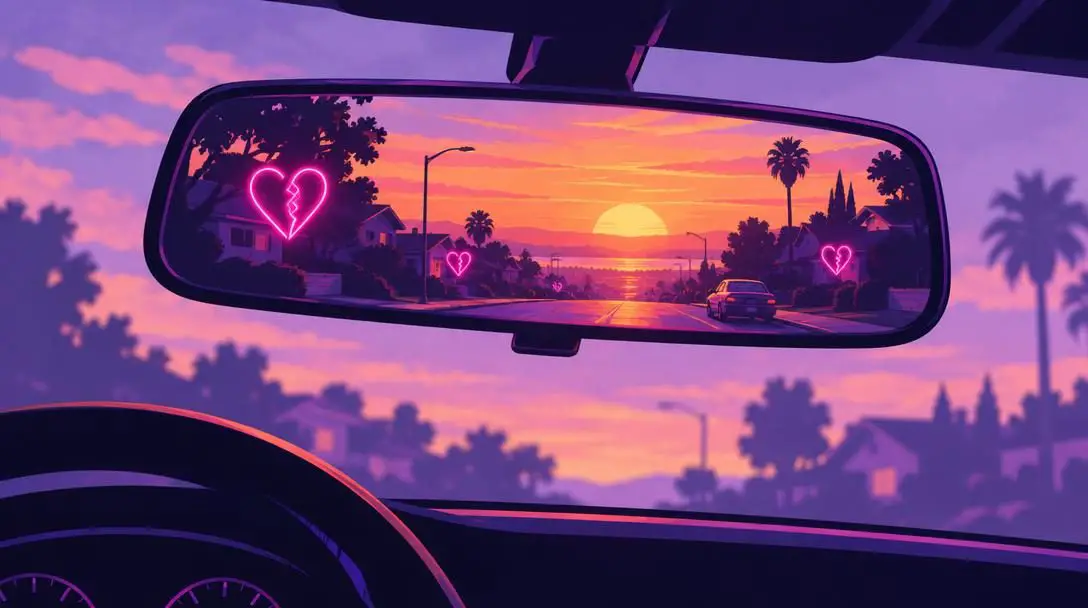
Before 2021, Olivia Rodrigo was primarily recognized as an actress in youth television. Her trajectory shifted instantly with the release of her debut single, "Drivers License," the emotional lead offering from her record-shattering album Sour. The song's intense cinematic buildup, vulnerable teenage heartbreak, and evocative suburban imagery struck a powerful chord across digital communities, transforming the song into an immediate viral template.
Listeners turned the ballad into an all-purpose narrative tool, creating sincere videos about real-world grief alongside tongue-in-cheek dramatic skits that exaggerated interpersonal conflict. This grassroots enthusiasm pushed "Drivers License" directly to the top position on every major music chart globally. The immense online momentum carried over to her full album, resulting in multiple Grammy Award wins, including Best New Artist and Best Pop Solo Performance.
The rapid rise of short-form video ecosystems transformed listeners from passive recipients into active participants who treat recorded music as an interactive medium.
Understanding the mechanics of viral audio discovery
To understand why these specific songs achieved such remarkable cultural penetration, one must examine how user habits have fundamentally altered the entertainment landscape. For decades, institutional gatekeepers controlled consumer access. Radio program directors, television producers, and record label executives decided which tracks received high-frequency rotation. While independent tracks occasionally crossed over, commercial success was largely dictated by centralized marketing budgets.
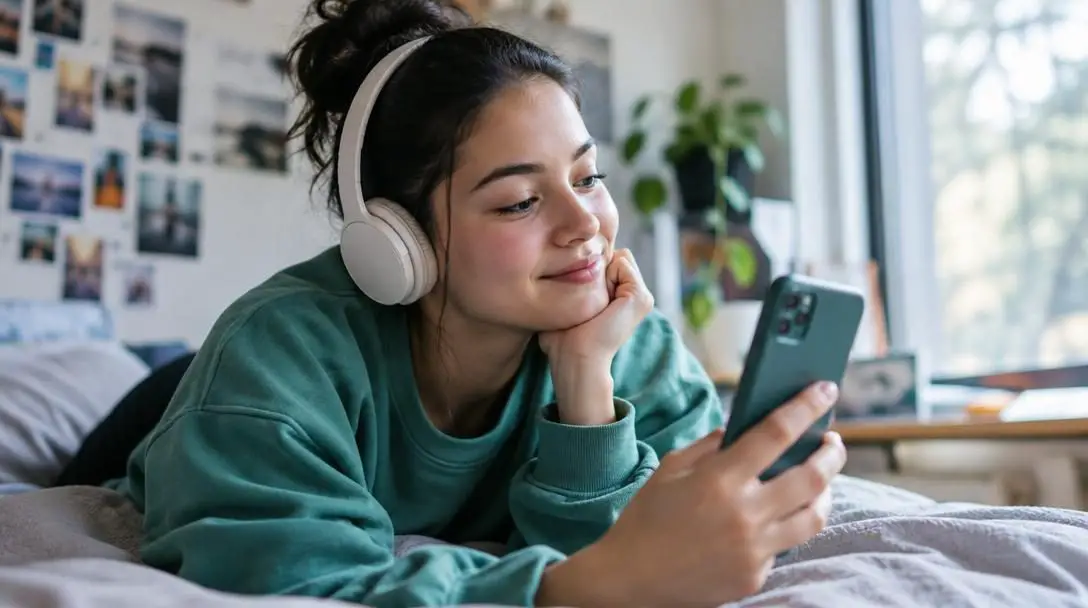
Short-form video ecosystems dismantled this top-down hierarchy. Rather than passively listening to a song during a commute or on a curated playlist, modern audiences use music as the foundation for their own self-expression. When a fragment of music connects with creators, several key dynamics govern its viral trajectory:
- Repeatability: Choreographed routines—such as the dances popularized for "Say So" and "Savage"—provide an accessible, easily copied framework that everyday users can master and perform in their own living spaces.
- Versatility and mood matching: Tracks that express unambiguous emotional states adapt easily to visual storytelling. Whether communicating raw grief, frantic excitement, or existential distress, versatile sound bites fit diverse visual formats.
- Meme potential: High-impact novelty tracks or distinct vocal clips, such as the altered Shangri-Las sample, function as universal punchlines that instantly explain visual gags without requiring dialogue.
- Algorithmic amplification: As community members repeatedly interact with an audio clip, platform algorithms interpret that engagement as a sign of broad interest, displaying the sound to wider demographics outside the original niche.
How creators can capitalize on trending sounds
Navigating modern social platforms requires a deliberate strategy. Creators and independent artists who wish to utilize trending audio to build an engaged following should follow a structured approach rather than posting indiscriminately.
- Spot rising audio before saturation: Regularly browse discovery pages to identify tracks that are appearing in unrelated niches but have not yet achieved millions of uses. Catching a trend on its upward curve maximizes potential reach.
- Isolate a punchy 15-to-30-second hook: When presenting original work or cutting a commercial track, choose a section that features an immediate rhythmic transition, emotional crescendo, or memorable lyrical phrase.
- Pair audio with clear visual context: Ensure the video's physical movement, pacing, or storyline directly aligns with the emotional beats of the sound file. A mismatch between sound and visual tone confuses viewers.
- Attribute original choreographers and trendsetters: When joining a specific dance craze or conceptual format, always tag and credit the originator in your caption to maintain goodwill within the creative community.
- Foster audience interaction in the comments: Respond actively to viewer questions and observe how other creators expand on your concept to keep the video circulating across platform feeds.
Common pitfalls in viral music marketing
While the rewards of viral audio are substantial, creators and promotional teams frequently make mistakes that undermine their long-term digital efforts. Avoiding these common traps is crucial for maintaining authentic engagement:
- Jumping on exhausted trends: Social media lifecycles move at a blistering pace. Attempting to capitalize on an audio meme that has already saturated user feeds often provokes annoyance rather than interest.
- Ignoring back catalogs and live material: Many artists mistakenly believe only brand-new, polished studio singles can gain traction, overlooking the massive appeal of live performances, alternative mixes, and historical releases.
- Failing to bridge platforms: Generating millions of casual views on short-form video means very little if the artist fails to funnel those listeners toward dedicated streaming platforms and album purchases.
- Sacrificing authenticity for algorithms: Producing hollow content solely designed to satisfy an algorithmic metric usually alienates dedicated fans without cultivating a loyal long-term community.
The future of music promotion and discovery
The relationship between short-form video and music marketing continues to evolve as platforms, record labels, and audiences adjust their expectations. Looking ahead, several factors will dictate how artists build durable careers in this fast-moving environment:
The primary hurdle facing contemporary artists is converting fleeting 15-second viral notoriety into long-term artistic sustainability. While a dance craze can elevate a song to number one on the Billboard charts, it does not automatically guarantee that those millions of viewers will buy concert tickets, purchase physical merchandise, or stream an entire body of work. Successful musicians must learn to treat viral moments as the front door of their career rather than the final destination.
Furthermore, because discovery algorithms change frequently, artists cannot afford to rely on a single channel for audience reach. A well-rounded marketing strategy requires diversifying presence across live touring, direct fan communities, and multiple digital outlets. As classic songs from bygone eras continue to find massive audiences through digital sampling, legacy artists and catalog owners will increasingly look to short-form audio as a primary vehicle for keeping historic music relevant to younger generations.
Frequently asked questions
Which song featured in this article was recorded earliest?
The earliest track is "Remember (Walking in the Sand)" by the Shangri-Las, which was originally recorded and released in 1964 before finding new life through modern remixes.
Who created the viral dance routine for Megan Thee Stallion's "Savage"?
The viral dance routine was created by Keara Wilson, whose original dance video accumulated well over 15 million views on the platform.
Why did Lady Gaga's "Paparazzi" resurface over a decade after its release?
The track resurfaced in 2021 because creators began using dramatic, emotionally distressed audio extracted from Lady Gaga's 2009 MTV Video Music Awards live performance for satirical and dramatic video skits.
What major awards did Olivia Rodrigo win after "Drivers License" went viral?
Following the massive worldwide success of "Drivers License" and her debut album Sour, Olivia Rodrigo won Grammy Awards for Best New Artist and Best Pop Solo Performance.
Did Doja Cat have commercial chart success before "Say So"?
No; although Doja Cat had been releasing music since 2014, none of her earlier singles had cracked the top 40, and her debut studio album Amala did not reach the top 100 on the Billboard charts.
The bottom line
Social media platforms have permanently dismantled the conventional boundaries of music distribution, transforming songs into interactive digital experiences. Whether through synchronized dance challenges created by everyday fans, dramatic live performance clips rediscovered years after the fact, or high-pitched comedic samples of 1960s girl group records, viral video channels provide unprecedented promotional velocity. For contemporary artists and industry executives, mastering the art of the short-form audio hook is no longer just a promotional novelty—it is an indispensable component of global chart success.