
5 Ways to Raise Your Coffee Game
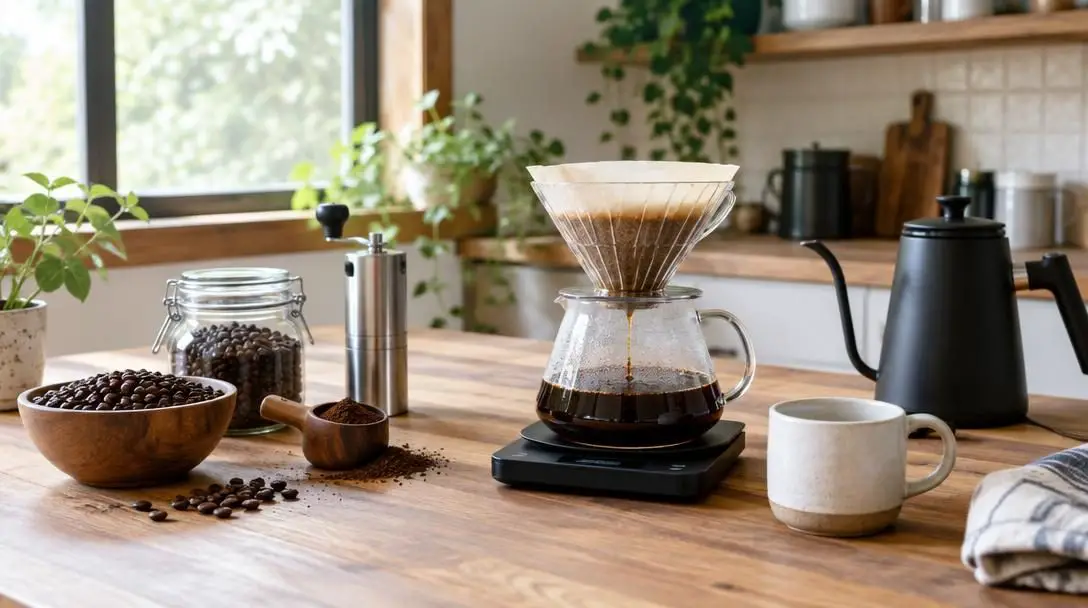
For millions of people worldwide, morning coffee is an automatic reflex designed to deliver a jolt of caffeine before a busy day begins. It is remarkably easy to accept thin, bitter, or muddy coffee simply because it is quick and familiar. Yet treating coffee solely as an energizing fuel ignores the complex sensory craft that makes the beverage truly exceptional. When brewed with care, coffee reveals subtle sweetness, delicate aromatics, and rich body rather than harsh astringency.
Transforming your daily cup does not require expensive commercial certifications, intimidating laboratory equipment, or endless hours of manual labor. Instead, great coffee is built on a practical understanding of extraction science, ingredient purity, and equipment cleanliness. By making five deliberate adjustments to your daily routine, you can elevate your coffee experience from a rushed morning chore into the most rewarding part of your morning.
Key takeaways
- Switching from pod machines to an automatic pour-over brewer dramatically improves flavor balance without sacrificing ease.
- Investing an extra twenty to thirty dollars in a conical burr grinder ensures uniform particle size and prevents bitterness.
- Using filtered tap water or spring water preserves the natural minerals essential for proper coffee extraction.
- Deep cleaning your equipment every two to four weeks with a 50-50 vinegar solution prevents rancid oil and mineral scale buildup.
- Designating fifteen to twenty minutes of distraction-free time turns daily coffee drinking into a calming personal ritual.
The Five Core Upgrades for Superior Home Coffee
Every step of coffee preparation shapes the final cup. By addressing your brewing equipment, maintenance habits, grinding tools, brewing water, and mindset, you can solve the most common issues that ruin home coffee.
Say Goodbye to Convenience Brewers
Pod brewers and instant granules remain popular staples because they demand almost zero thought or effort. Unfortunately, that extreme convenience exacts a steep price on cup quality. Pod machines rely on pre-packaged, stale grounds and force water through at unpredictable temperatures and rapid flow rates, leaving you with an under-extracted, watery, or flat cup. Stepping up your coffee game requires transitioning to a more intentional setup. If manual kettle pouring feels intimidating, an automatic pour-over machine serves as an ideal bridge. These brewers automate the precise heating and steady shower dispersion of hot water over a wide bed of grounds, delivering rich extraction and vibrant flavors with one-touch ease.
Clean Your Coffee Maker Thoroughly
Even the finest specialty coffee beans will taste sour and stale if forced through a dirty machine. Every brew cycle deposits microscopic coffee oils and organic compounds along the internal piping, brew basket, and carafe. Over time, these residual oils oxidize and turn rancid, tainting every fresh pot with a dull, burnt aftertaste. Additionally, dissolved minerals from heated water form hard scale along heating elements, reducing brewing temperatures below the threshold required for complete extraction. Giving your machine a deep clean every two weeks—or at least once a month—restores equipment efficiency and protects clean coffee flavors.
Invest in a Quality Conical Burr Grinder
Whole coffee beans operate as miniature freshness vaults, sealing delicate aromatic oils inside their porous structures. Once beans are ground, their exposed surface area multiplies thousands of times over, allowing oxygen to rapidly strip away sweetness and nuanced aromatics within minutes. Purchasing whole beans and grinding them immediately before contact with water is essential, but the type of grinder you use is equally decisive. Inexpensive blade grinders chop beans erratically, creating a chaotic mix of huge chunks and powdery dust. Upgrading to a conical burr grinder—often costing only an extra twenty to thirty dollars—crushes beans between precision-milled surfaces, yielding uniform particles that brew evenly.
Use Better Water
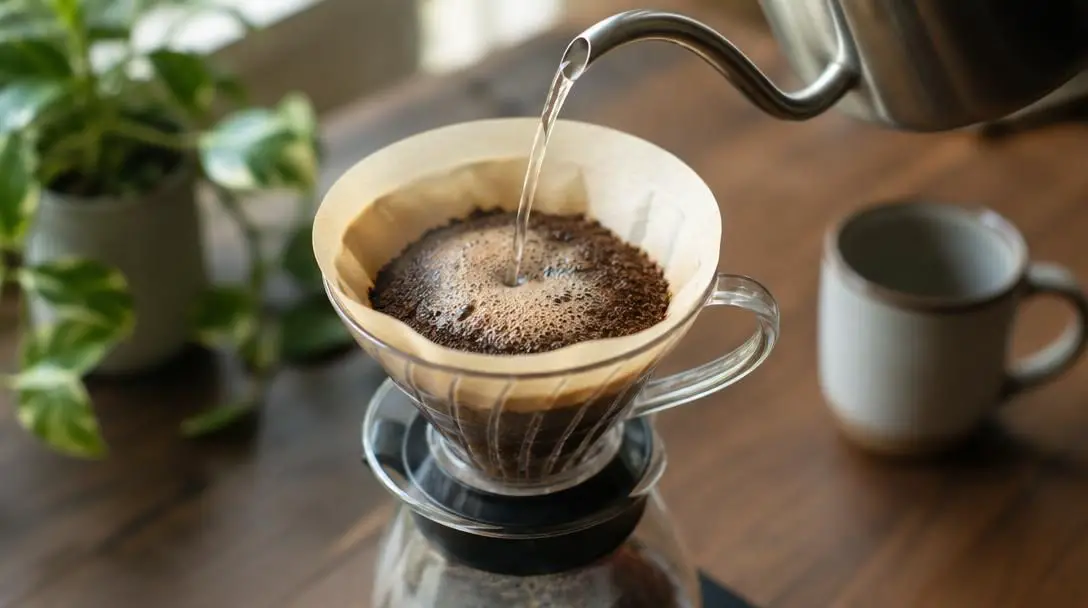
Water constitutes roughly 98 percent of a finished cup of coffee, making it the primary ingredient and the solvent responsible for all extraction. If your water tastes metallic, heavily chlorinated, or stale straight from the faucet, your brewed coffee will taste equally unappealing. Passing tap water through an activated carbon filter or purchasing bottled spring water instantly brightens your coffee. However, water can also be too clean: you should actively avoid distilled or reverse osmosis water. Without dissolved minerals like calcium and magnesium, ultrapure water extracts grounds too aggressively, pulling harsh, astringent tannins into the cup while leaving the underlying flavor unpleasantly hollow.
Turn Coffee into a Daily Ritual
Gulping lukewarm coffee from a travel mug while answering urgent work messages blinds your senses to the qualities of your beverage. Elevating your coffee game involves your attention just as much as your equipment. Carve out a sacred window of fifteen to twenty minutes each morning to prepare and enjoy your coffee without digital notifications or rushing. Inhaling the initial bloom of aromas, watching the brewing flow, and savoring the progressive temperature shifts as the coffee cools converts consumption into a grounding daily meditation.
Treating coffee as a deliberate morning ritual rather than a quick hit of fuel fundamentally changes your relationship with the day ahead.
Comparing Water Sources for Optimal Extraction
Because coffee extraction is a biochemical reaction between heated water and crushed coffee seeds, your choice of water directly dictates which flavor compounds dissolve into your mug. The table below highlights how different water profiles perform during extraction.
| Water Source | Mineral Composition | Extraction Behavior | Overall Flavor Result |
|---|---|---|---|
| Filtered Tap Water | Balanced minerals with chlorine and odors removed | Steady, controlled extraction of natural sugars and acids | Clean, bright, and nuanced flavor |
| Bottled Spring Water | Naturally occurring calcium and magnesium ions | Optimal binding with volatile aromatic oils | Rich body, rounded sweetness, and low bitterness |
| Distilled / Reverse Osmosis | Completely demineralized and ultrapure | Aggressive, unbalanced over-extraction of bitter tannins | Flat, harsh, astringent, and lifeless cup |
| Untreated Hard Tap Water | Excessive mineral carbonates and heavy scale | Muffled extraction that neutralizes pleasant acidity | Chalky, dull, and unpleasantly bitter notes |
The Science of Extraction and Grind Uniformity
To master coffee brewing, it helps to understand the physical mechanics occurring inside your filter basket. Coffee brewing is fundamentally a process of solvent extraction. When hot water washes through a bed of ground coffee, it dissolves gases, organic acids, lipids, caramelized sugars, and bitter plant fibers in a strict chronological sequence.
First to dissolve are the bright organic fruit acids, followed by the sweet, soluble sugars. The heavy, bitter tannins and astringent plant compounds extract last. The goal of any successful brewing method is to dissolve the delicious acids and sugars while leaving the bitter, woody fibers behind. Achieving this delicate balance requires total control over particle size and water contact time.
This dynamic illustrates why a conical burr grinder is indispensable. When an uneven blade grinder produces both fine dust particles and large boulders, the brewing water cannot extract the grounds evenly. The tiny dust particles extract almost instantly, dumping harsh, over-extracted bitterness into the liquid. At the same time, the dense boulders fail to yield their interior sweetness before the water drains through, contributing sour, under-extracted notes. A conical burr grinder ensures every particle is the exact same size, allowing all grounds to release their flavors at the identical rate for a smooth, unified profile.
Step-by-Step Daily and Monthly Coffee Workflows
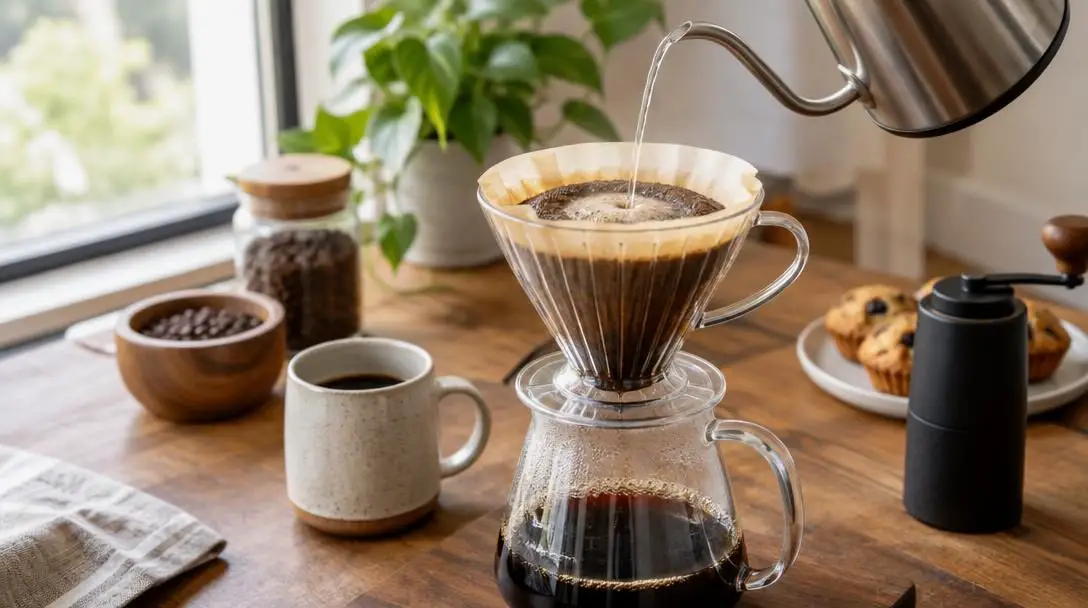
Consistency is the secret to brewing cafe-caliber coffee in your own kitchen. Establishing structured routines for your daily brewing and your monthly maintenance removes guesswork and protects your investment in quality ingredients.
Daily Morning Brewing Routine
- Fill your automatic pour-over reservoir with fresh spring water or filtered tap water, steering clear of distilled or reverse osmosis options.
- Weigh out only the precise amount of whole coffee beans you need for your immediate brew, keeping the rest stored in an airtight container protected from ambient light.
- Feed the beans into your conical burr grinder and grind immediately before brewing to prevent aromatic oxidation.
- Transfer the fresh grounds into the brewer filter basket, gently shaking the basket to create a completely level bed.
- Start the automated brew cycle right away to capture the volatile aromas released during grinding.
- Step away from your smartphone, computer, and chores to spend fifteen to twenty minutes enjoying the aroma, warmth, and flavor notes of your cup.
Bi-Weekly Deep Cleaning Routine
- Prepare a cleaning solution consisting of equal parts white vinegar and clean water, or mix a dedicated coffee machine descaling detergent according to package instructions.
- Pour the solution into the brewer reservoir and start a standard brewing cycle with an empty carafe in place.
- Pause the brew cycle halfway through to let the heated solution rest inside the internal boilers and tubing, dissolving built-up limescale and rancid oil films.
- Resume the machine to complete the cycle, then discard the collected cleaning fluid from the carafe.
- Fill the water tank with fresh, clean water and run two to three complete rinse cycles to flush out any remaining vinegar or detergent residues.
- Hand wash the removable filter basket and glass carafe with warm soapy water, and wipe down the brewer exterior with a damp microfiber cloth.
Common Coffee Pitfalls to Avoid
Even seasoned home brewers can fall victim to widespread habits that undermine their coffee. Eliminating these five common mistakes will immediately elevate your daily cup:
- Relying on pre-ground bags: Pre-ground beans lose their delicate flavor compounds within minutes of opening. Buying whole beans and grinding on demand is the single biggest upgrade you can make for fresh taste.
- Chopping with spinning metal blades: Blade grinders smash beans unevenly. The resulting mix of fine dust and coarse boulders ruins extraction consistency and guarantees a bitter or sour cup.
- Skipping deep cleaning cycles: A quick rinse under the tap does not remove baked-on coffee oils or internal scale. Over time, oxidized oils impart a rancid taste to fresh coffee.
- Brewing with mineral-free water: Using reverse osmosis or distilled water deprives the extraction process of calcium and magnesium, causing aggressive over-extraction and creating an astringent, hollow flavor.
- Treating coffee as pure fuel: Rushing through a piping-hot cup while multitasking dulls your palate. Coffee reveals its sweetest, most complex flavors as it slowly cools toward room temperature.
Expanding Your Coffee Journey
Once you have dialed in your water, grinder, cleaner brewer, and morning ritual, you have built the ultimate foundation for home coffee excellence. From here, you can explore nuanced variables to suit your evolving palate.
Begin by exploring different roast profiles. Lighter roasts retain origin characteristics, delivering lively fruit flavors, floral aromas, and crisp acidity. Medium roasts develop pleasant balances of caramel, cocoa, and nuts, while dark roasts emphasize smoky notes, bold body, and lower perceived acidity. Exploring single-origin beans from distinct growing regions—such as citrusy Ethiopian coffees, chocolate-forward Colombian beans, or earthy Indonesian varieties—will reveal just how versatile a simple coffee bean can be.
Frequently asked questions
Why shouldn't I use distilled or reverse osmosis water for coffee?
Distilled and reverse osmosis water lack dissolved mineral ions like calcium and magnesium. These minerals are required to attract and bind with the aromatic and flavorful compounds inside ground coffee. Without them, pure water extracts coffee aggressively and unevenly, resulting in a flat, bitter, and astringent beverage.
How much difference does a conical burr grinder really make?
A conical burr grinder makes an immense difference because it crushes beans into uniform particle sizes. Unlike blade grinders that chop coffee into a chaotic mix of fine powder and large chunks, a burr grinder ensures all grounds extract at the exact same rate, preventing sourness and harsh bitterness.
How often do I need to clean my coffee maker?
For the best flavor and machine performance, deep clean your brewer every two weeks using a 50-50 mix of white vinegar and water or a specialized coffee machine detergent. If you brew infrequently, cleaning once a month is the absolute minimum necessary to keep rancid oils and mineral scale at bay.
Are automatic pour-over machines better than pod machines?
Yes. Pod machines use pre-ground coffee that stales quickly and push water through too fast at unstable temperatures. Automatic pour-over machines heat water to optimal brewing ranges and distribute it evenly across freshly ground coffee, producing far better flavor, body, and balance.
How long can ground coffee sit before it loses its flavor?
Ground coffee begins losing its volatile aromatic compounds and oils within minutes of grinding due to rapid oxidation. For the best sweetness and complexity, you should always grind whole beans immediately before you brew.
The bottom line
Upgrading your morning coffee does not demand extravagant expenditures or the precise timing of a competition barista. By moving away from stale pods, grinding whole beans with an affordable conical burr grinder, brewing with balanced mineral water, and maintaining pristine equipment, you unlock the genuine potential of the coffee bean. Pair these practical adjustments with fifteen minutes of intentional, undistracted focus, and your morning brew will transform into an enriching sensory ritual that sets a positive tone for your entire day.