5 Ways to Transform Your Work Outfit for a Night Out
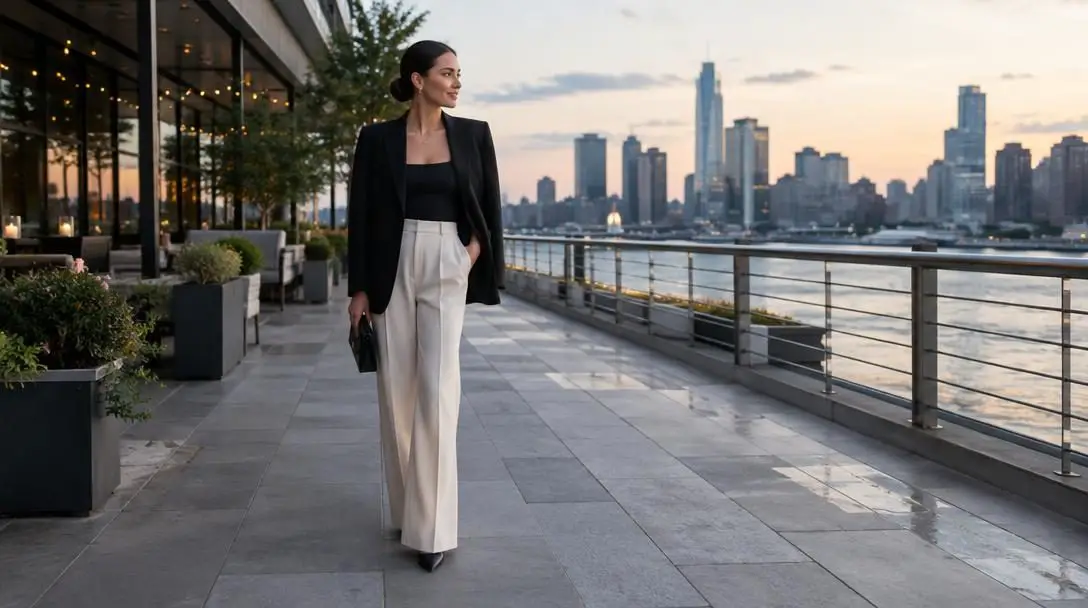
Balancing an active social calendar with demanding work hours is a familiar reality for modern professionals. Last-minute dinner invitations, networking happy hours, and spontaneous gatherings frequently arise with little notice, leaving virtually no time to commute home, unpack, and change into an entirely different wardrobe. Historically, corporate dress codes mandated stiff tailoring, conservative silhouettes, and strictly utilitarian garments that felt uncomfortably rigid and out of place in relaxed evening spaces. This divide often left professionals feeling either overdressed or under-styled when stepping straight from a meeting room into an evening lounge.
Today, the evolution of office culture and the widespread adoption of smart-casual dress codes have transformed everyday wardrobes into versatile, fluid systems. Rather than maintaining two entirely separate closets—one reserved strictly for professional duties and another for personal socializing—modern dressers rely on modular styling techniques. Understanding how to pivot an ensemble using strategic adjustments saves valuable personal time, eliminates the burden of carrying heavy garment bags, and ensures you feel confident in any environment.
Key takeaways
- Strategic styling focuses on shifting an outfit's visual center of gravity rather than changing every single garment.
- High-impact swaps—such as jewelry, shoes, outerwear, and grooming—dismantle corporate formality in minutes.
- Layering provides immediate control over texture and silhouette, letting you dress an outfit up or down instantly.
- Maintaining a curated desk-side transition kit ensures you are always prepared for spontaneous evening plans.
The visual mechanics of day-to-night dressing
Mastering day-to-night styling requires an understanding of how visual cues communicate context. Corporate apparel leans heavily on symmetry, neutral palettes, modesty, and structure. Workwear staples frequently utilize dense, tailored fabrics such as woven wool, structured twill, crisp cotton poplin, and heavy knits that communicate professionalism, authority, and task-oriented utility. These materials provide clean architectural lines, but they can project an unyielding rigidity once the working day concludes.
In contrast, nightlife settings embrace movement, playfulness, shimmer, saturated color, and relaxed silhouettes. Transforming an ensemble does not require discarding your daytime foundation; rather, it hinges on introducing deliberate contrast against your daytime pieces. Pairing an ornate necklace with a structured button-down shirt or wearing bold, textural boots beneath neutral trousers immediately shifts the eye away from the corporate canvas.
The goal of an outfit transformation is not to erase professional pieces, but to contrast them with elements suited for socializing.
By targeting high-visibility areas like the neckline, wrists, footwear, and face, you alter the outfit's visual balance. The structured baseline of a daytime outfit becomes an intentional design anchor rather than an office uniform, achieving a stylish balance between refinement and leisure.
5 ways to transform your work outfit for a night out
Reimagining your office attire for an evening event does not require a comprehensive wardrobe overhaul. By concentrating on five key styling methods, you can seamlessly navigate the shift from desk duties to dinner reservations with minimal effort and maximum visual impact.
1. Accessorize
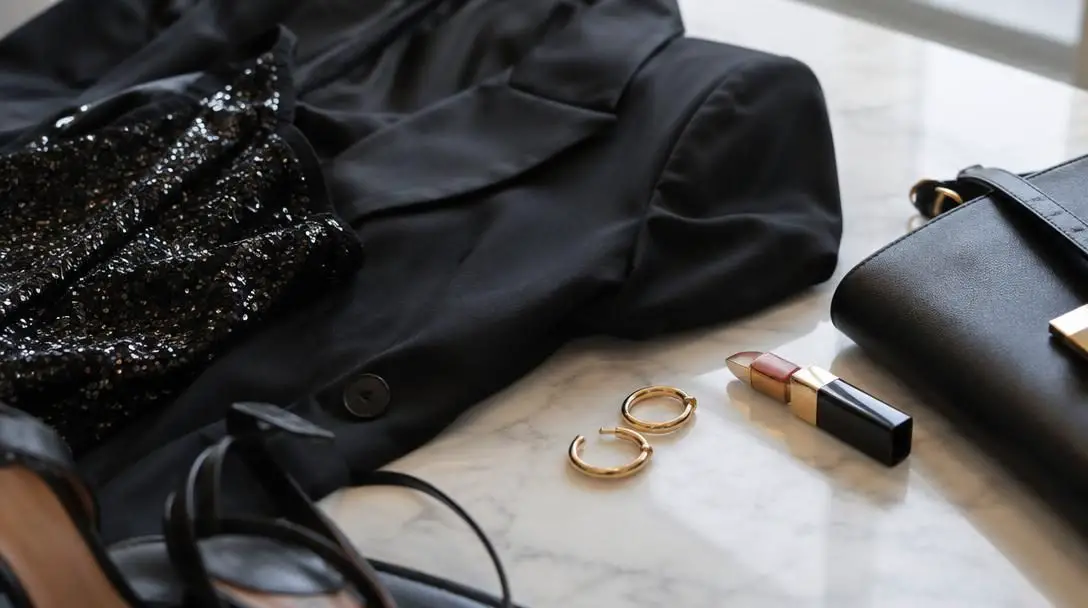
Accessories serve as the fastest way to alter the personality and tone of an ensemble. During normal office hours, jewelry tends to remain understated, delicate, or entirely functional to comply with professional norms. When shifting into an evening social setting, introducing statement jewelry—such as sculptural earrings, an eye-catching pendant, or layered necklaces—creates an instant focal point that elevates simple workwear.
Bags represent another critical accessory adjustment. Carrying a bulky commuter backpack or an overfilled laptop tote into an intimate dinner or cocktail lounge immediately signals an office mindset. Swapping out oversized utilitarian carriers for a compact clutch or an expressive statement bag instantly lightens your physical profile and recontextualizes your look. Additionally, incorporating an accent belt or a decorative scarf can cinch a silhouette, introduce vibrant color, or redefine the proportions of a basic shirt dress or tailored trouser combination.
2. Layering
Layering introduces dynamic texture, depth, and proportion to an outfit, allowing you to transition between formal and casual aesthetics seamlessly. Throughout the workday, a tailored blazer offers authority and structure. As evening approaches, shedding that structured layer or swapping it for an alternative outer garment completely changes the garment's visual framing.
For a relaxed, social gathering, you can replace a stiff blazer with an easy cardigan, a lightweight sweater, or an open vest to soften the silhouette. Conversely, adding structured layers with unexpected textures—such as swapping workwear for a leather or denim jacket—infuses an outfit with personality. Because outer layers can be added, removed, or draped over the shoulders within seconds, mastering layering affords you total control over how formal or effortless you appear.
3. Change shoes
Footwear dictates how an outfit carries itself, directly impacting your posture, stride, and the overall drape of your garments. While supportive loafers, minimalist ballet flats, or conservative dress shoes are standard choices for daytime comfort, they often project an exclusively professional demeanor. Swapping your daytime footwear for heels or sleek ankle boots immediately changes your visual line.
Footwear also offers an effortless medium for experimenting with bold colors and patterns. Introducing an animal print, an unexpected metallic finish, or a vibrant jewel tone on your feet draws attention downward and adds playfulness to monochromatic business separates. A thoughtfully selected pair of evening shoes reframes neutral corporate trousers or a tailored pencil skirt as an intentional fashion statement.
4. Makeup and hair
Grooming choices communicate ambiance just as powerfully as textiles. Daytime office routines generally favor fresh, neutral, and low-maintenance hair and makeup looks that withstand long hours under fluorescent lights. Applying a few focused touch-ups can shift your presentation toward evening glamor without requiring a complete wash and reapplication.
A fast cosmetic pivot can involve applying a bold lip color—such as a deep berry or classic red—or layering a darker shadow or liner onto your eyelids for a subtle smoky eye. For hair, unpinning daytime buns or ponytails into loose, tousled waves injects movement and effortless volume. Alternatively, sweeping your hair up into a polished, deliberate updo highlights your jawline and accentuates evening accessories like dangling earrings or an open collar.
5. Swap out key pieces
You do not need an entirely new wardrobe to prepare for a night out; swapping just one or two targeted foundation items can revolutionize your look. By retaining the primary base of your daytime outfit, you minimize the amount of extra clothing you need to transport while achieving a fresh aesthetic.
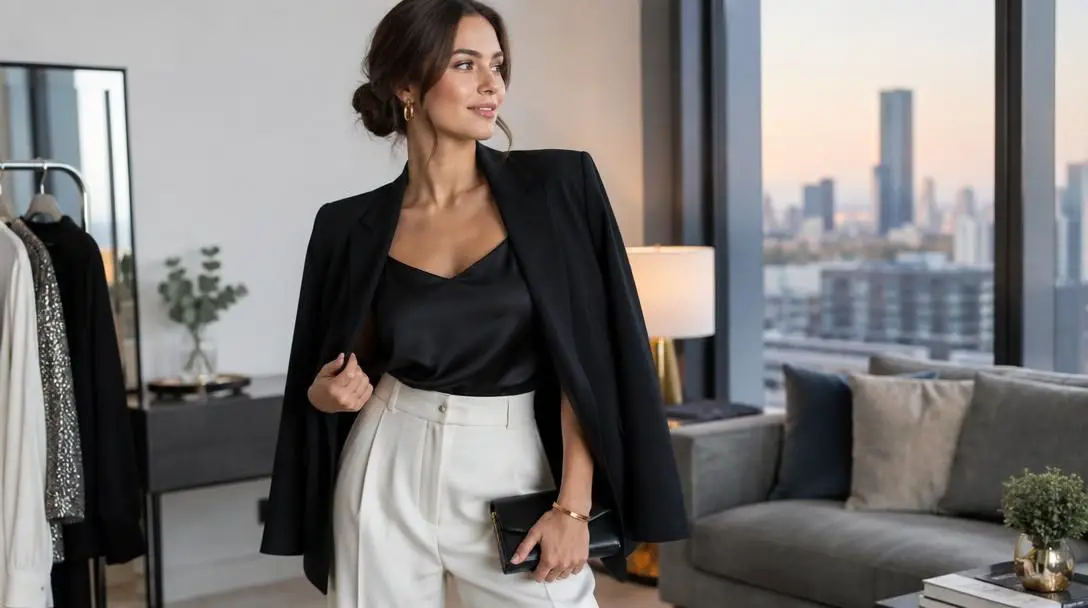
For instance, you might retain your professional silk button-down but trade your office trousers for an elegant skirt. Alternatively, you can keep your tailored pants intact while swapping your button-down shirt for an evening blouse featuring softer fabrics or an open neckline. Exchanging a formal blazer for a casual leather or denim jacket instantly strips away corporate stiffness, producing a modern ensemble grounded in balanced contrast.
At-a-glance: comparing day-to-night transformation strategies
Selecting the right transformation strategy depends on your available preparation time, the contents of your bag, and the formality of your evening destination. The table below outlines how each method alters your appearance.
| Strategy | Daytime Standard | Evening Adjustment | Styling Impact |
|---|---|---|---|
| Accessorizing | Subtle studs, plain watch, large work tote | Statement earrings, clutch, accent belt | Creates focal points and eliminates bulk |
| Layering | Tailored corporate blazer or no layer | Leather jacket, denim jacket, or soft cardigan | Softens formality or introduces edge and texture |
| Footwear | Practical flats, loafers, or muted pumps | Ankle boots, heels, or bold patterned shoes | Alters posture, garment drape, and visual energy |
| Hair & Makeup | Minimal makeup, functional ponytail or bun | Bold lip, smoky eye, loose waves, or updo | Elevates personal grooming to match evening lighting |
| Piece Swapping | Full business suit or blouse with tailored trousers | Skirt swap, evening blouse, or outer jacket change | Dismantles corporate symmetry while preserving comfort |
A seamless step-by-step transition protocol
Transitioning from the workplace to an evening venue works best when approached systematically. Following an orderly sequence prevents you from feeling rushed or misplacing essential items during the end-of-day rush.
- Assess your plans: Gauge the venue, expected crowd, and dress expectations of your destination to decide whether your look requires elevated drama, relaxed casualness, or refined polish.
- Gather your supplies: Take your evening clutch or desk-side kit to a restroom or quiet dressing area shortly before leaving the office.
- Refresh cosmetic foundations: Blot away midday shine, refresh your complexion, and apply an impactful lip color or build a smoky eye tone.
- Restyle your hair: Unfasten tight daytime styles to shake out soft waves, or secure your strands into an intentional, elevated updo.
- Ditch corporate accessories: Remove work badges, lanyards, bulky fitness trackers, and commuter accessories, stowing them safely in your office desk or locker.
- Introduce statement jewelry: Put on your bold earrings, accent necklace, or decorative belt to redefine your neckline and waistline.
- Execute footwear changes: Switch out daytime loafers or walking flats for your evening heels, patterned shoes, or ankle boots.
- Modify outer layers: Remove your office blazer in favor of a leather jacket, denim jacket, or vest, or drape a textured layer across your shoulders.
- Downsize your bag: Pack your keys, identification, phone, and makeup essentials into your evening clutch, leaving heavy work totes and tech gear behind.
Common day-to-night styling mistakes to avoid
When quickly changing clothes at the end of a tiring workday, it is easy to make hasty decisions that compromise your comfort or create a disjointed aesthetic. Keeping key pitfalls in mind ensures a smooth adjustment.
- Over-packing secondary garments: Bringing an entirely separate outfit in a large garment bag creates unnecessary physical hassle during your commute and defeats the efficiency of modular dressing. Limit carry-ins to one or two strategic pieces.
- Sacrificing physical comfort: Swapping sensible work shoes for untested or painful heels can ruin an otherwise enjoyable evening. Choose footwear that provides stability for standing, walking, and socializing.
- Ignoring silhouette proportions: Adding oversized sweaters or unstructured jackets over broad workwear garments can produce an unintentionally bulky profile. Always balance volume by pairing relaxed outer layers with fitted undergarments.
- Overloading dramatic focal points: Combining a heavy smoky eye, bright lipstick, oversized earrings, and a bold patterned shoe can overwhelm the eye. Select one or two dominant focal points and allow the rest of your ensemble to remain complementary.
- Carrying corporate baggage: Leaving an office badge around your neck or holding a nylon laptop briefcase in a dim restaurant immediately detracts from your evening aesthetic. Always store workplace gear out of sight.
Building a desk-side evening transition kit
The foundation of low-stress evening transitions is deliberate morning planning. When dressing at the start of your day, prioritize versatile core garments. Dark-wash denim, tailored high-waisted trousers, neutral pencil skirts, and minimalist shift dresses serve as ideal styling canvases. These foundational pieces look appropriately restrained during business hours yet adapt instantly to dramatic accents later in the evening.
In addition to thoughtful morning dressing, keeping an emergency transition kit in a desk drawer, locker, or vehicle ensures you are prepared for unexpected social opportunities. A well-curated kit should remain compact while housing versatile styling tools:
- A small cosmetic pouch containing a high-pigment lipstick, travel-sized mascara, and oil-blotting sheets.
- A selection of hair essentials, including bobby pins, a travel brush, and texturizing spray.
- A single pair of versatile statement earrings or a sculptural necklace stored in a protective pouch.
- A compact clutch that packs flat inside an everyday commuter bag.
- A trusted pair of sleek ankle boots or comfortable evening heels stored beneath your desk.
Frequently asked questions
Do I need to carry an entirely new outfit to work?
No. Carrying an entire second outfit is cumbersome and unnecessary. Successful day-to-night dressing relies on modular adjustments—swapping one or two key pieces, such as exchanging your work blazer for a leather jacket or switching trousers for an evening skirt, while retaining your basic base layer.
What are the most versatile daytime garments for evening plans?
Neutral tailored trousers, minimalist shift dresses, clean-cut button-down shirts, and dark pencil skirts serve as ideal daytime foundations. These structured items provide corporate polish during business hours and act as a neutral backdrop for bold evening accessories, footwear, and layers.
How can I transition my outfit if I cannot wear high heels?
Heels are not mandatory for evening wear. You can create an elegant look by swapping daytime loafers for pointed-toe flats, ankle boots, or footwear featuring bold colors, metallic finishes, or animal prints that inject visual interest without compromising comfort.
What is the fastest way to adjust my look in under five minutes?
The fastest five-minute transition consists of applying a bold lipstick, putting on statement earrings, swapping your daytime flats for heels or boots, and locking your bulky work bag at your desk in favor of a sleek clutch.
How do I prevent my daytime clothes from looking wrinkled by the evening?
Choose workwear made from structured or resilient materials such as wool blends, heavy twill, and structured knits over lightweight linen or delicate cotton poplin. These fabrics maintain their crisp shape throughout the workday, ensuring you look fresh when the evening begins.
The bottom line
Transitioning from the office to an evening event does not require carrying a heavy change of clothes or racing home against the clock. By understanding the visual contrast between corporate structure and evening playfulness, you can completely transform your presence with minimal adjustments. Whether by adding statement jewelry, changing your footwear, swapping a blazer for a jacket, or refreshing your grooming routine, small shifts yield dramatic results. Mastering these simple styling habits ensures that wherever your evening leads, you arrive looking polished, intentional, and entirely at ease.