Creating a Home Gym: 5 Ways to Turn Your Living Space into a Fitness Oasis
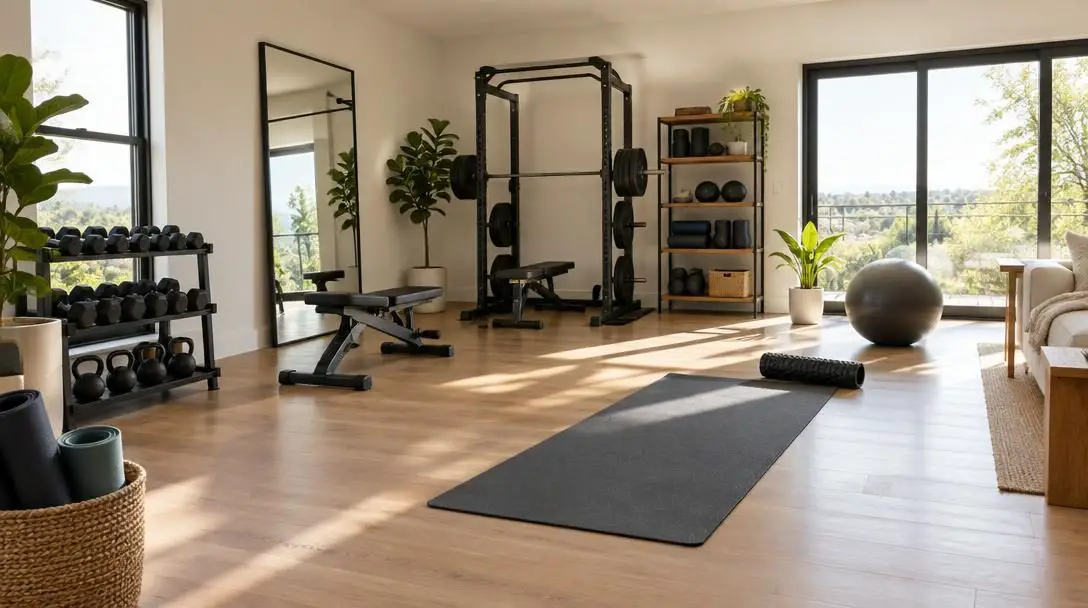
Transforming a residential room or corner into a dedicated workout space is one of the most rewarding investments you can make for your everyday health and long-term vitality. By bringing physical conditioning directly into your living quarters, you eliminate travel friction, streamline daily routines, and establish an environment tailored specifically to your personal wellness aspirations and design tastes.
Historically confined to dusty stationary bikes or solitary weights in an unfinished basement, residential training has evolved into a modern, accessible lifestyle choice. Shifting workouts into your home not only saves substantial commuting time and recurring membership fees, but it also delivers unmatched privacy and convenience, bypassing crowded commercial facilities and equipment queues.
Key takeaways
- Evaluating available floor dimensions, ceiling clearance, lighting, and durable flooring is the critical first stage of building a home gym.
- Curating equipment based on your immediate training goals and available budget allows for versatile workouts without overcrowding the area.
- Enhancing the training environment with thoughtful decor, motivating artwork, and high-quality audio creates an inviting space you look forward to visiting.
- Establishing consistent calendar appointments and incorporating active recovery exercises prevents training plateaus and physical burnout.
- Utilizing accountability partners, mobile fitness applications, and wearable trackers preserves long-term discipline when exercising without an on-site trainer.
The Evolution and Function of Residential Fitness
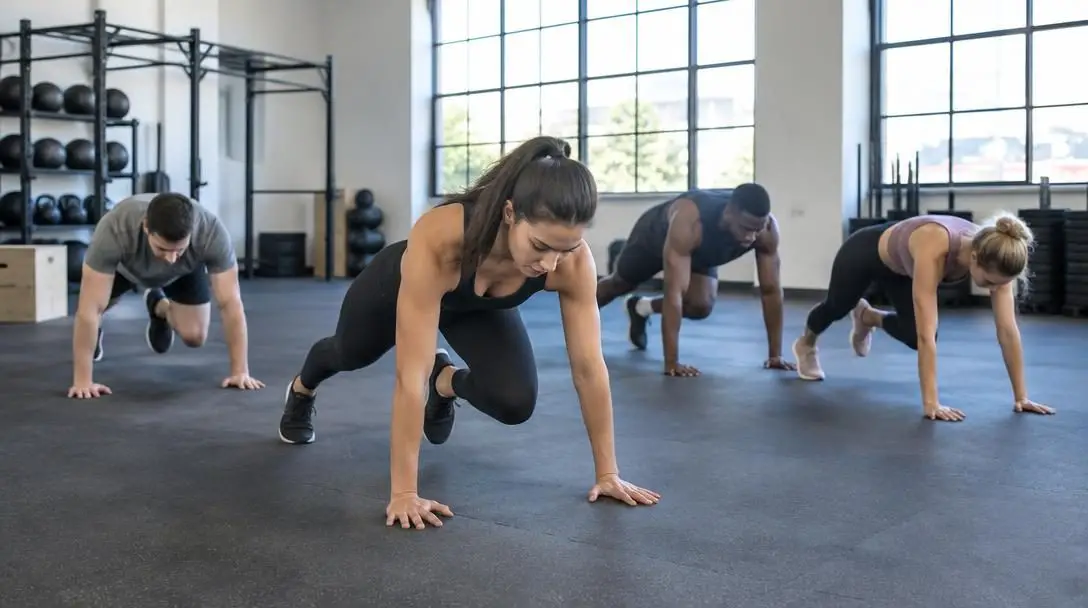
The demand for residential fitness gear and domestic workout programs experienced a dramatic surge when pandemic conditions initially required people to stay inside their residences. However, what began as a temporary workaround quickly proved to be a practical, permanent lifestyle adaptation. Individuals who previously spent hours commuting back and forth to crowded athletic centers discovered that having immediate access to a personalized workout environment removed the most daunting friction points associated with physical exercise.
A home fitness setup operates fundamentally as a behavioral cue. When an area is thoughtfully planned and dedicated to physical movement, stepping across its threshold signals immediate energy, discipline, and focus. Rather than trying to duplicate the sprawling floor plan and complex, specialized machinery of a commercial facility, a functional domestic gym concentrates only on the exact tools, functional clearance, and ambiance you need to accomplish your physical objectives safely and consistently.
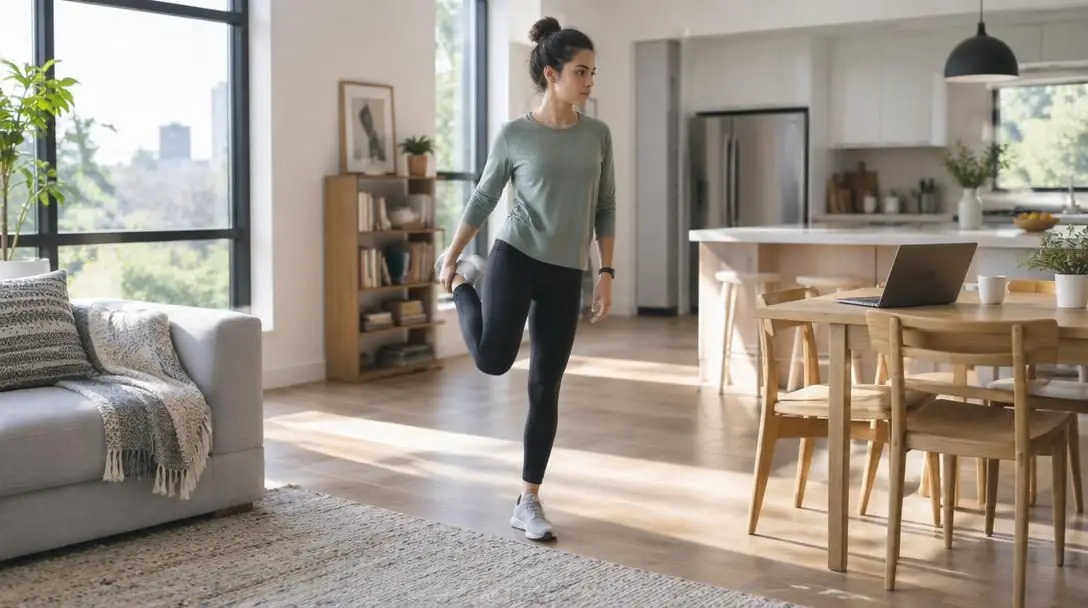
Converting everyday residential space into a dedicated fitness oasis allows for a seamless transition between daily life and regular physical activity.
Five Strategic Ways to Construct Your Fitness Oasis
Creating an inviting, highly functional training zone depends on five foundational pillars. Approaching the transformation methodically ensures that your floor plan remains organized, safe, and balanced between active exercise and rest.
Assessing Your Space
The primary task when building an exercise area is choosing the right location within your home's layout. This location could be a dedicated spare bedroom, a portion of a garage, or even an uncluttered corner within your living room. The precise square footage you require depends directly on the training modalities you favor. If your primary focus centers on mindful movement or yoga, a modest area accommodating a mat and basic props will suffice. Conversely, if your program emphasizes heavy strength training, you will require adequate room to safely position larger pieces of equipment, such as a weight bench and a barbell.
Careful measurement is essential before committing funds to any equipment purchases. When measuring, account for the length, width, and height of every prospective training tool, ensuring that you leave generous perimeter space so you can move naturally through full ranges of motion without colliding with nearby architecture. In addition to measuring boundaries, evaluate the room's environmental foundation. Hardwood or vinyl flooring is particularly well-suited for home exercise because both materials resist heavy wear, handle regular stress, and are straightforward to clean and sanitize. Bright, clear lighting is equally crucial to foster an alert, energizing atmosphere that sustains mental drive throughout demanding sessions.
Investing in Equipment
Once you understand your spatial boundaries, turn your focus toward outfitting the area with purposeful gear that matches your fitness level. Novices often find that minimal tools or bodyweight movements paired with resistance bands deliver sufficient stimulus to jumpstart adaptation. Seasoned athletes, however, may choose to integrate heavier, specialized implements to challenge muscular endurance and strength development.
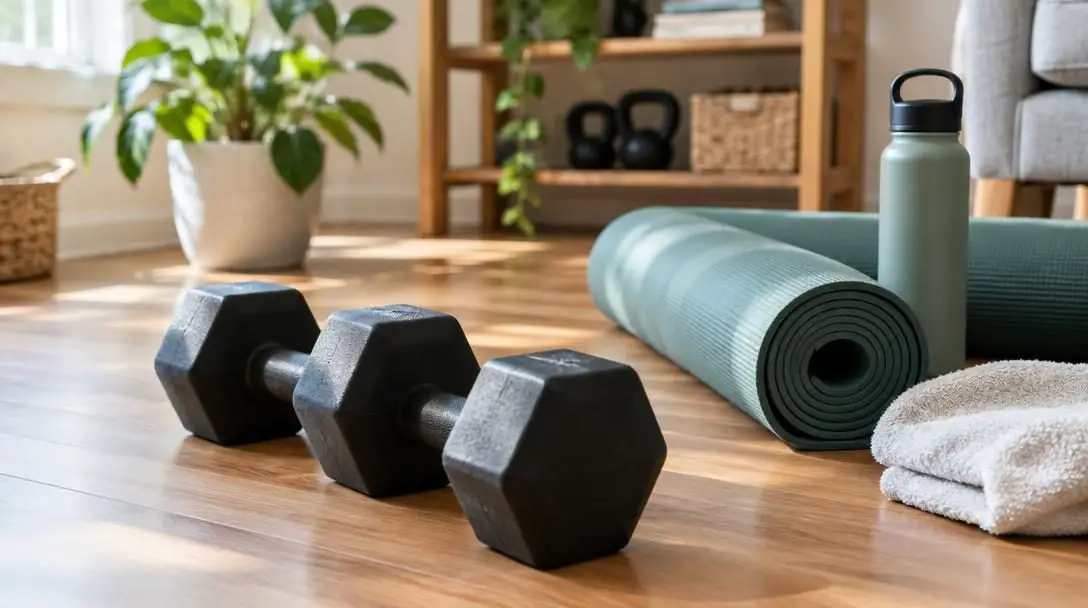
Selecting equipment requires balancing financial resources against personal fitness objectives. Rather than purchasing multi-station apparatuses that dominate square footage, prioritize versatile implements that support a broad spectrum of movements. Practical foundational pieces include:
- Dumbbells: Exceptional for unilateral resistance training, upper-body presses, and functional lunges across diverse loading ranges.
- Kettlebells: Ideal for dynamic posterior-chain movements, explosive swings, and core-stabilization exercises.
- Resistance bands: Highly compact, transportable accessories that provide continuous tension for warm-ups, strength drills, and mobility work.
- Stability ball: Valuable for core strengthening, balance conditioning, and seated posture adjustments.
- Jump rope: An efficient, low-footprint cardiovascular conditioning tool that enhances coordination and foot speed.
Adding Personal Touches
A training zone must be aesthetically appealing if you expect to use it day after day. Visual warmth and thoughtful interior details convert a cold, utilitarian space into an invigorating haven where you actively want to spend time. Incorporating living indoor plants introduces natural vibrancy, while framing inspirational quotes or custom artwork adds visual sophistication to bare walls.
You can also personalize the room by hanging posters or photographs of your favorite athletes whose discipline and achievements inspire your personal dedication. Sound plays an equally transformative role in maintaining training intensity. Investing in a high-quality sound system enables you to broadcast driving music, educational podcasts, or guided coaching cues with clarity, keeping your motivation high from your initial warm-up through your final cool-down stretch.
Creating a Routine
A well-appointed workout space offers little value if you fail to visit it regularly. Consistency requires establishing a distinct workout routine and preserving those time slots as non-negotiable appointments in your weekly schedule. Determine the days and hours that align best with your biological rhythm and work demands, and protect that time against non-essential domestic interruptions.
To avoid physical plateaus and cognitive burnout, structure your weekly calendar around a balanced variety of training stimuli. Combine cardiovascular intervals, progressive strength training, and mobility sessions. Long-term health and injury prevention also depend heavily on dedicated recovery work. Integrate restorative modalities such as targeted foam rolling or therapeutic yoga sessions into your weekly regimen, giving muscular tissues the care required to stay limber, resilient, and prepared for future training loads.
Staying Accountable
Without the communal energy of a fitness club or the watchful eye of an on-site coach, domestic training requires structured self-accountability. Solitary home training can sometimes lead to waning effort if you do not establish systems to track your execution over extended periods.
Enlisting a dependable workout partner or accountability buddy—whether they join you in person or connect digitally for scheduled sessions—creates positive social pressure that keeps motivation high. Additionally, integrating fitness applications and wearable technology provides objective performance data. Tracking heart rate, repetitions, or weekly completed sessions allows you to celebrate verifiable milestones and sustain your exercise habits over the long haul.
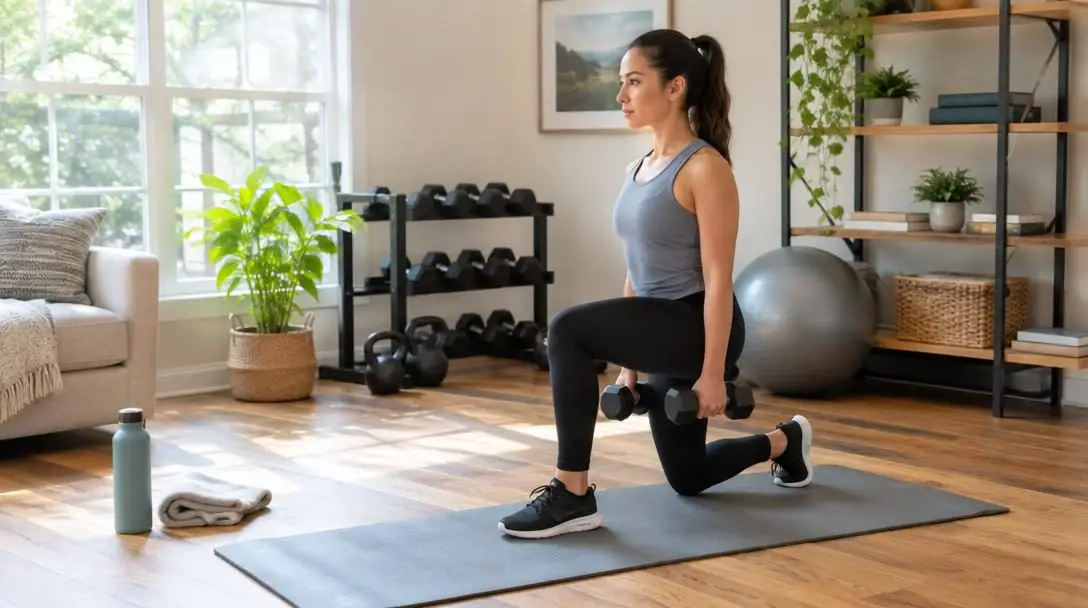
Comparing Essential Home Training Tools
Choosing the right foundational items involves weighing spatial demands against exercise versatility and storage convenience. The table below details how basic training tools support balanced physical development within residential spaces.
| Equipment Type | Primary Fitness Focus | Space Footprint | Key Training Benefit |
|---|---|---|---|
| Dumbbells | Muscular strength and hypertrophy | Compact to moderate | Supports bilateral and unilateral isolation or compound movements |
| Kettlebells | Cardiovascular power and endurance | Compact | Enables fluid, momentum-based compound swing and carry patterns |
| Resistance Bands | Mobility, rehab, and variable tension | Minimal | Delivers continuous tension across varied planes of movement |
| Stability Ball | Core conditioning and balance | Moderate | Challenges stabilizing muscles through dynamic, unstable surfaces |
| Jump Rope | High-intensity cardiovascular capacity | Minimal | Develops rapid footwork, agility, and elevated heart rate quickly |
| Barbell and Bench | Maximal strength and heavy loading | Large | Facilitates standard heavy compound lifts like presses and squats |
A Step-by-Step Blueprint for Preparing Your Training Space
Transforming an abstract concept into an organized, fully functional training oasis requires methodical execution. Following an orderly sequence prevents physical clutter and ensures safety before your first session begins.
- Designate and clear the zone: Choose your designated spare room, garage section, or living room corner. Strip away unused furniture, household boxes, and scattered items to leave a clear, hazard-free area.
- Measure horizontal and vertical boundaries: Record the precise floor width and length with a tape measure. Check the overhead vertical clearance to ensure jumping, pressing weights, or swinging implements will not strike ceilings or light fixtures.
- Evaluate and prepare the flooring: Inspect the underlying floor surface. Ensure your vinyl or hardwood flooring is level, stable, and thoroughly cleaned of dirt and grit to provide stable foot positioning.
- Acquire foundational gear progressively: Purchase essential initial implements such as a jump rope, resistance bands, or a basic dumbbell pair that directly matches your current fitness targets before investing in bulky benches or barbell racks.
- Establish functional safety clearance: Arrange your equipment so there is unobstructed open space around every item, allowing you to lunge, lie flat, or extend your limbs horizontally without striking walls.
- Configure lighting and sound fixtures: Set up bright, clean lighting to elevate alertness, and position your sound system to allow seamless audio control during training intervals.
- Personalize the atmosphere: Hang chosen motivational artwork, display inspirational quotes, or place indoor greenery around the perimeter to make the room visually inviting.
- Formalize your training calendar: Open your personal schedule and mark non-negotiable workout appointments, setting designated days and times to maintain habit momentum.
Common Setup Pitfalls to Avoid
When building a home gym, it is easy to miscalculate spatial demands or operational habits. Being mindful of these frequent missteps will save you resources, time, and potential frustration:
- Overcrowding the available floor plan: Purchasing too much equipment at once clutters the floor, restricting natural bodily movement and increasing the probability of tripping or injury.
- Neglecting vertical ceiling clearance: Focusing solely on floor square footage while ignoring ceiling height can prevent you from performing standing overhead presses, jumping rope, or stepping onto elevated platforms.
- Omitting recovery and cross-training: Focusing strictly on heavy resistance or continuous cardiovascular work while ignoring flexibility, foam rolling, and yoga risks physical fatigue and training plateaus.
- Operating without a dedicated schedule: Because the equipment sits within your home, it is tempting to postpone sessions to address domestic chores; lacking designated training hours quickly erodes workout consistency.
- Choosing inadequate flooring surfaces: Training on carpet or uneven, slippery surfaces can compromise joint stability, while delicate surfaces can be easily damaged and prove difficult to keep sanitary.
- Exercising in social isolation: Working out at home lacks the organic social reinforcement of a group class; failing to engage an accountability partner, app, or wearable tracker can cause motivation to drop over time.
Planning for Progression and Long-Term Maintenance
Once your fitness space is functional and your initial weekly schedule is underway, your focus must transition toward long-term sustainability and progression. As your conditioning improves, your training loads will naturally need to advance. Exercises performed with basic dumbbells or lighter resistance bands will eventually feel less challenging, signaling that it may be time to introduce heavier kettlebells, denser bands, or a structured bench and barbell setup.
Equally critical is monitoring how your musculoskeletal system responds to your home training environment. If you notice signs of cumulative fatigue or joint tightness, rebalance your schedule by dedicating additional days to mobility drills, yoga poses, and foam rolling. Regularly examine the data generated by your wearable fitness devices and tracking apps to celebrate performance gains, establish new targets, and preserve the internal drive needed to keep your fitness oasis an active, life-enhancing fixture of your home for years to come.
Frequently asked questions
How much space do I realistically need to create an effective home gym?
The necessary space depends on the modalities you practice. A simple yoga or bodyweight routine requires only enough space for an exercise mat and arm clearance, whereas weight training with a bench, barbell, and free weights requires a dedicated area of several square feet with generous perimeter safety clearance.
What type of flooring works best for a residential workout space?
Hardwood or vinyl flooring is ideal for a residential gym setting because both surfaces provide durable support under heavy use, handle regular foot traffic, and are very simple to clean and sanitize after vigorous exercise sessions.
What basic equipment should I buy first when outfitting a home gym?
Foundational pieces include versatile, compact implements such as a set of dumbbells, a kettlebell, a jump rope, resistance bands, and a stability ball. These tools allow you to perform a wide variety of strength, cardiovascular, and mobility exercises without demanding excessive storage space.
How can I stay motivated to exercise regularly when training alone at home?
You can sustain consistent motivation by enlisting an in-person or virtual accountability partner, tracking progress metrics and heart rate with wearable fitness trackers, logging milestones in fitness apps, and scheduling non-negotiable workout blocks directly into your calendar.
Why is it important to include recovery practices like yoga and foam rolling in my routine?
Incorporating stretching, yoga, and foam rolling supports muscle tissue recovery, prevents overuse injuries, reduces stiffness, and helps you avoid physical plateaus by ensuring your body stays resilient between intense strength or cardio sessions.
The bottom line
A home gym is far more than an assemblage of exercise gear; it is an intentional, personal sanctuary devoted to your physical vitality and mental resilience. By taking the time to assess your layout, selecting versatile equipment, and introducing personal aesthetic touches, you seamlessly integrate active wellness into everyday domestic life. Supported by structured routines and reliable accountability systems, your residential fitness oasis will remain an empowering, health-enhancing environment for years to come.