5 Weirdest Pregnancy Cravings
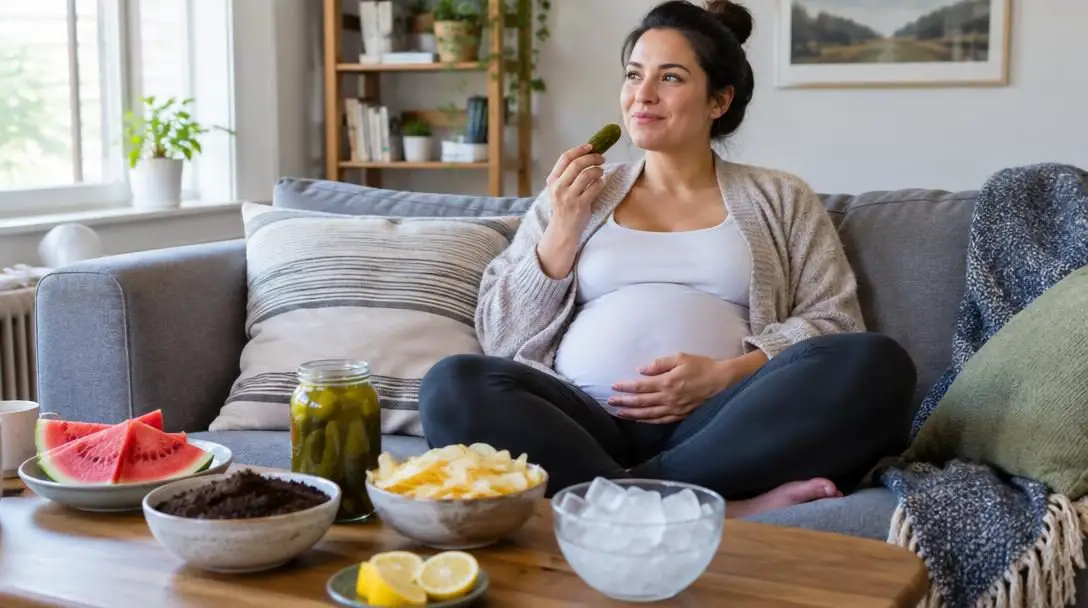
The image of an expectant mother sending her partner into the night for an unusual snack is an enduring staple of family lore and popular culture. While sudden midnight requests for bizarre food combinations can sound eccentric or even comical, pregnancy cravings are a legitimate physiological experience. Far from being random whims or instances of a mother being picky, these urges are physical symptoms linked directly to the complex bodily transformations that take place during gestation.
Every pregnancy is distinct, meaning cravings can range from everyday staples like fresh fruit and ice to jarring flavor pairings or even non-food items. By looking at the biological drivers behind these appetite shifts, expectant families can better understand why the body asks for specific textures and nutrients, while knowing when an unusual yearning signals the need for professional care.
Key takeaways
- Pregnancy cravings stem from rapid hormonal fluctuations, altered sensory perceptions, and the body's shifting nutritional demands.
- Folklore linking sweet cravings to baby girls and salty cravings to baby boys remains popular despite having no scientific backing.
- Craving non-food items like chalk, dirt, or paper is a medical condition known as pica that warrants prompt clinical evaluation.
- Animal proteins such as rare steak should always be cooked thoroughly to protect against preventable foodborne hazards.
- Tracking meals, identifying underlying nutrient needs, and practicing mindful moderation make managing odd food urges much simpler.
The Biology Behind Changing Appetites
Pregnancy cravings develop through an intricate blend of physical, hormonal, and sensory transformations. As the body adapts to support fetal development, internal systems send urgent signals that influence appetite, satiety, and food preference.
The continuous fluctuation of hormones alters internal body chemistry, changing neurological pathways responsible for appetite and mood. At the same time, pregnant women often experience a heightened sense of smell and changed taste buds. A dish that once seemed delicious can suddenly cause intense revulsion, while foods previously ignored may become irresistible.
Underlying nutritional requirements also play a critical role in steering these urges. When either the mother or the developing baby requires a boost of a specific nutrient, the body often prompts a strong craving for foods containing that element. For example, peanut butter is a common craving because it provides healthy fats, iron, vitamin E, and calcium. Craving it may simply be the body's method of demanding those vital nutrients.
Folklore and Old Wives' Tales
Generations of families have tried to decode pregnancy cravings using traditions and folk wisdom. The most enduring myth suggests that a mother's cravings indicate the biological sex of her baby: longing for sweet foods supposedly means she is carrying a girl, while yearning for salty foods signals an impending boy.
Another popular belief holds that the craving originates from the baby's personal taste rather than the mother's body. Many parents maintain that the quirky snacks craved during gestation eventually turn into their child's favorite foods later in life. While these ideas lack scientific backing, they remain entertaining talking points for growing families.
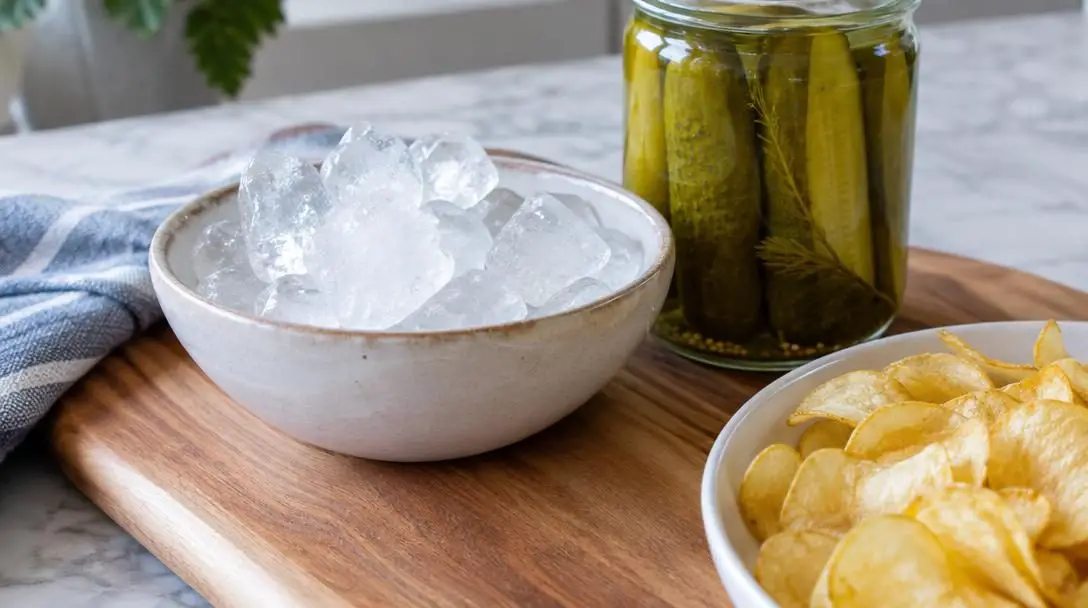
Cravings represent a real physical symptom linked directly to the complex bodily transformations that take place during gestation.
At a Glance: The 5 Weirdest Cravings
What one person finds bizarre, another might consider entirely normal. Even so, certain craved foods and textures stand out for their unconventional pairings and physiological origins.
| Craved Item | Flavor or Texture Profile | Potential Underlying Driver | Safety Classification |
|---|---|---|---|
| Pickles and Ice Cream | Salty, sour brine paired with sweet, chilled dairy | Sodium, calcium, and contrasting sensory relief | Safe to consume |
| Rare Meat | Dense, iron-rich animal protein | Urgent demand for iron and protein | Unsafe unless fully cooked |
| Peanut Butter and Pickles | Acidic crunch paired with dense, savory fat | Sodium, healthy fats, and trace minerals | Safe to consume |
| Chalk | Dry, powdery, non-edible mineral | Pica linked to severe nutrient deficiencies | Hazardous non-food item |
| Chocolate and Beef Jerky | Sweet confection drizzled over chewy, salty beef | Sodium, sugar, and rapid energy requirements | Safe to consume |
The 5 Weirdest Pregnancy Cravings Examined
The following items highlight how hormonal shifts, sensory changes, and nutritional needs can manifest as unexpected snack choices.
Pickles and Ice Cream
- Flavor Dynamic: Salty and sweet combination
- Suspected Nutrients: Sodium and calcium
- Edibility: Safe
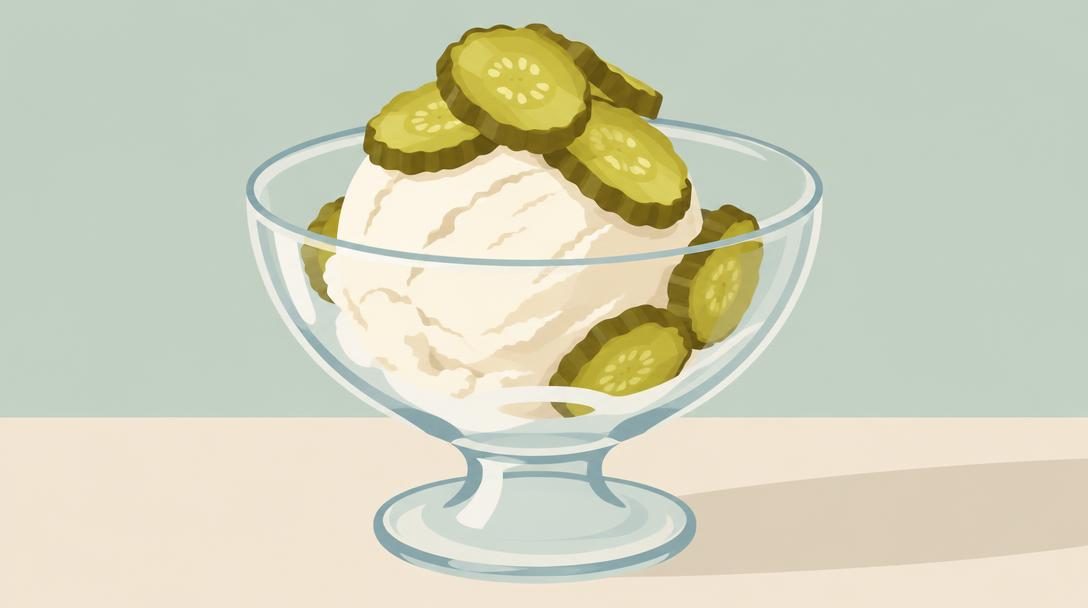
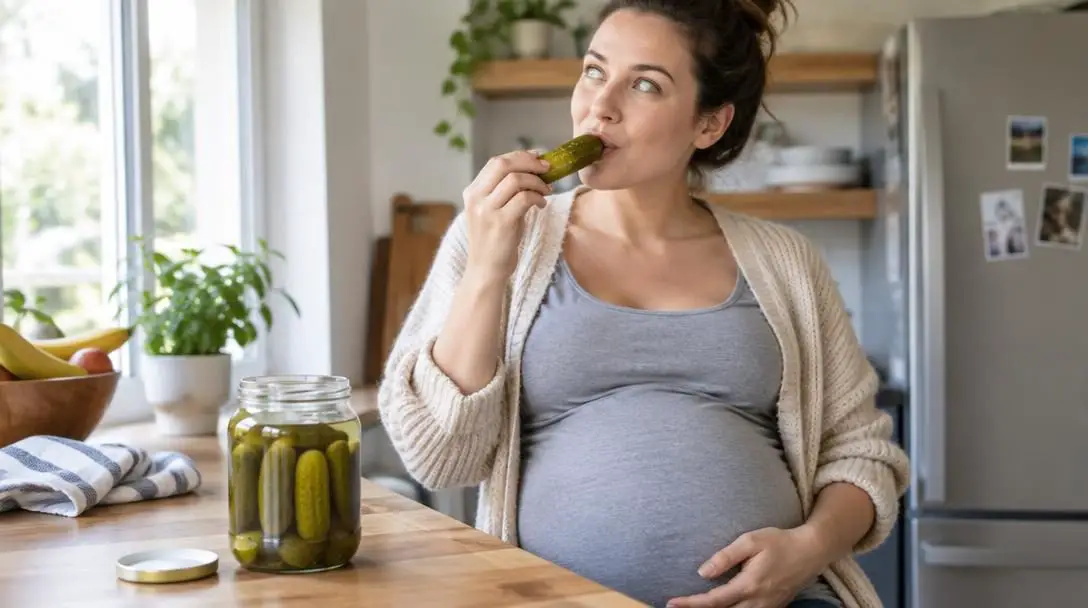
Combining pickles with ice cream is perhaps the most famous pregnancy craving in popular culture. While it sounds jarring to casual observers, the pairing addresses two distinct physical urges simultaneously. The sour, brined cucumbers provide an immediate hit of sodium, which the body often seeks during pregnancy, while the cold, creamy ice cream delivers calcium along with a sweet counterbalance.
Rare Meat
- Flavor Dynamic: Savory animal protein
- Suspected Nutrients: Iron and protein
- Edibility: Hazardous if undercooked
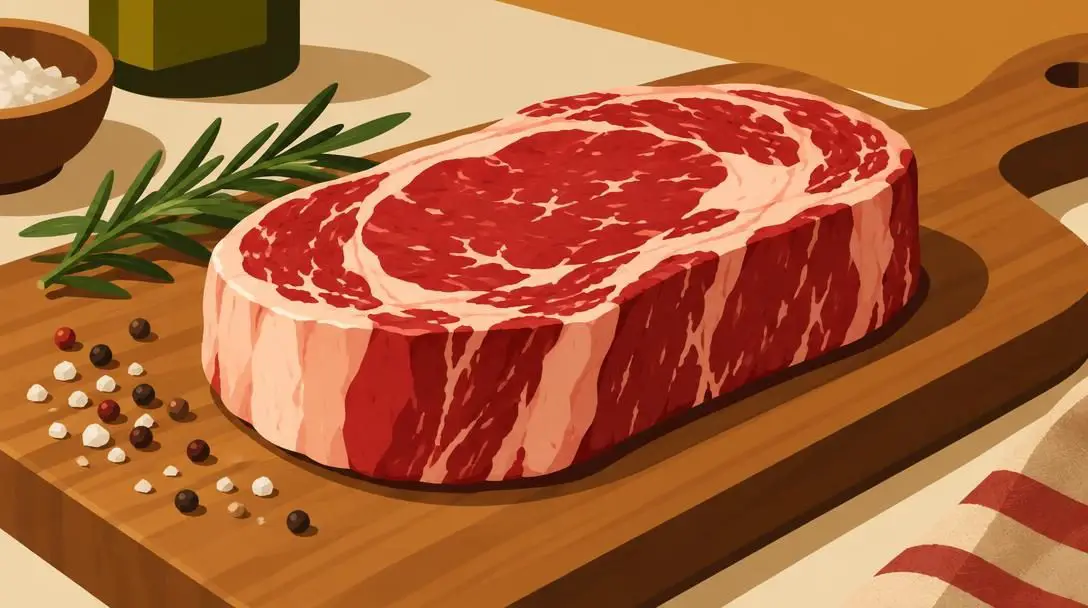
Even women who rarely ate red meat before pregnancy can find themselves craving rare or raw steak. Fetal growth dramatically increases maternal requirements for iron and protein, and an intense craving for undercooked red meat reflects that biological surge. However, consuming undercooked meat carries serious risks of foodborne illness, meaning all meat must be cooked thoroughly before eating.
Peanut Butter and Pickles
- Flavor Dynamic: Salty, acidic, and fatty
- Suspected Nutrients: Sodium, healthy fats, iron, and vitamin E
- Edibility: Safe
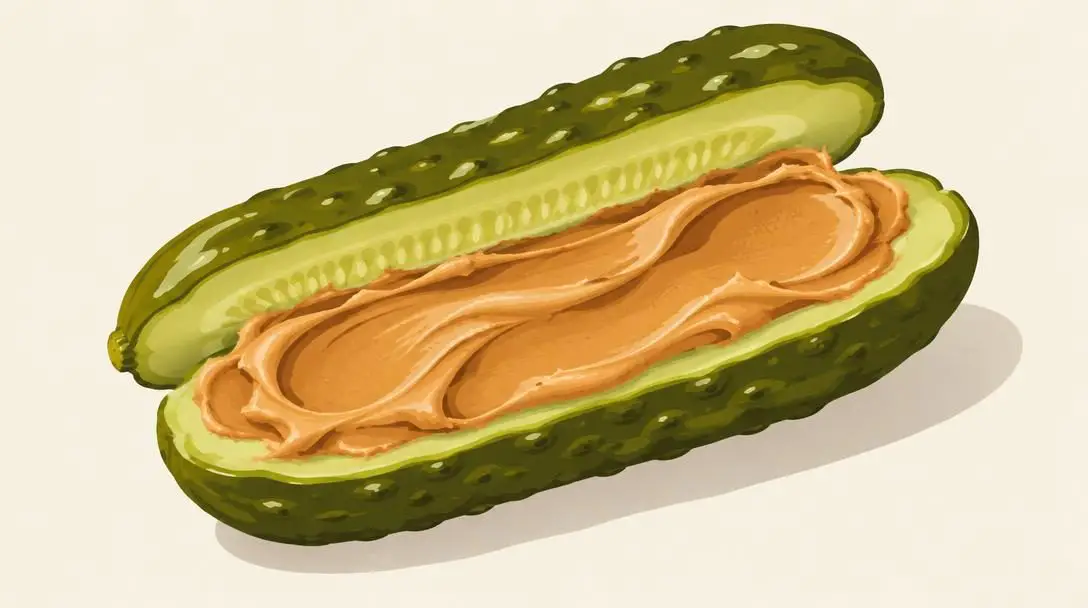
Pickles frequently appear in odd food pairings, but slathering them with peanut butter remains one of the most eccentric snacks reported by expectant mothers. The recipe merges the sharp, vinegary snap of pickled cucumber with the thick, rich consistency of peanut butter. This pairing provides a blend of sodium, good fats, iron, and vitamin E in a single bite.
Chalk
- Flavor Dynamic: Powdery, non-food substance
- Suspected Nutrients: Mineral deficiencies (pica)
- Edibility: Strictly unsafe
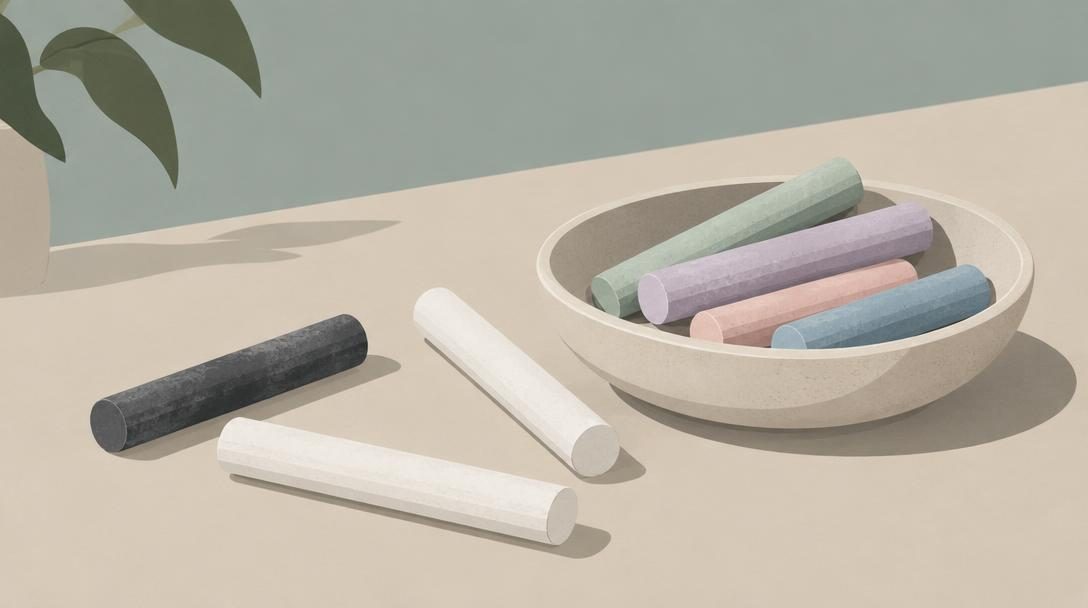
Not all intense urges involve food. A surprising number of pregnant women experience a strong desire to chew or swallow chalk, dirt, or paper. While folklore sometimes dismisses this as an unconventional way to settle morning nausea, the urge to eat non-food substances is a medical disorder known as pica. It indicates that the body is experiencing severe nutritional gaps that need direct medical treatment rather than indulgence.
Chocolate and Beef Jerky
- Flavor Dynamic: Sweet and tough savory
- Suspected Nutrients: Sodium, sugar, and protein
- Edibility: Safe
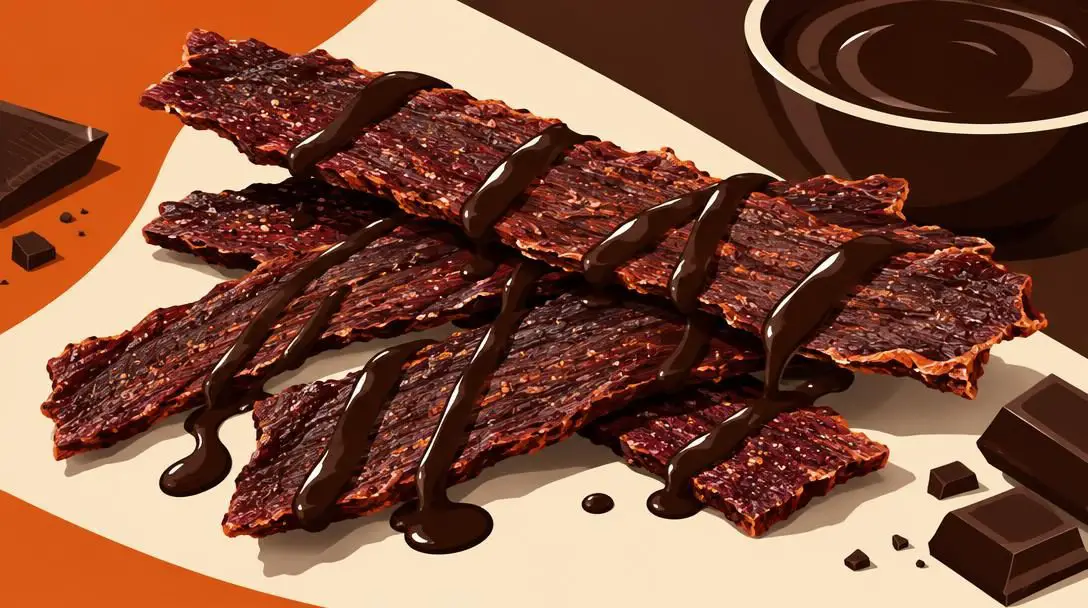
Drizzling chocolate syrup over beef jerky or snacking on both items together is an extreme variation on the classic sweet-and-salty balance. The tough, cured chew of the jerky provides sodium and protein, while the chocolate offers immediate sweetness. Although unconventional, this snack pairing is safe to eat in moderate portions.
Step-by-Step: How to Manage Intense Cravings Safely
Experiencing strong urges does not mean an expectant mother must give in to every impulse, especially if the craved item is unwholesome or dangerous. Use these sequential steps to evaluate and handle cravings as they appear.
- Identify the root nutrient: When a craving hits, ask what underlying mineral or macronutrient the body might be requesting. A longing for pickles or jerky usually points to sodium, whereas ice cream or peanut butter may signal a need for calcium, healthy fats, or protein.
- Select wholesome food alternatives: If the desired item is packed with excess refined sugars or unwholesome ingredients, look for a balanced substitute. Fresh fruit can satisfy sugar cravings, while peanut butter offers rich fats, iron, and calcium without unnecessary additives.
- Practice mindful portion moderation: When a craved food is safe to eat, such as chocolate or a pickle, enjoy a modest portion. Allowing a small serving satisfies sensory urges without displacing nutrient-rich meals.
- Keep a daily food log: Record when cravings strike, their intensity, and what you ate beforehand. Logging these details reveals whether urges correlate with dehydration, skipped meals, or sensory triggers.
- Enforce strict food safety standards: Never compromise on food preparation. Cook all animal proteins thoroughly to protect against preventable foodborne infections, even when rare steak is the craved item.
Common Mistakes to Avoid
Navigating sudden shifts in appetite can be confusing for both expectant mothers and their partners. Being mindful of these pitfalls helps keep maternal and fetal health on track:
- Consuming non-food items: Swallowing chalk, paper, or dirt is dangerous. Relying on folklore that claims these substances calm morning sickness delays vital medical care for pica.
- Assuming all cravings must be satisfied: Treating every food urge as an absolute mandate can lead to excessive intake of sugary or ultra-processed snacks.
- Ignoring essential food safety: Eating undercooked or rare steak to satisfy an iron craving carries preventable bacterial risks that far outweigh short-term satisfaction.
- Dismissing cravings as pure imagination: Labeling a mother's cravings as mere pickiness can cause unnecessary friction. Recognizing their biological origin promotes better support at home.
- Using food tastes to predict baby sex: Making nursery or medical plans based on old wives' tales regarding salty or sweet snacks leads to false expectations.
Frequently asked questions
Do pregnancy cravings reveal whether you are having a boy or a girl?
No. While folklore claims that sweet cravings indicate a girl and salty cravings indicate a boy, there is no scientific evidence supporting this idea. Cravings stem from hormonal shifts, sensory changes, and nutritional needs rather than the baby's biological sex.
Why do pregnant women crave non-food items like chalk or dirt?
Craving non-food items is a medical condition known as pica. It is not an attempt to calm an upset stomach, but rather a warning sign of severe underlying nutrient deficiencies that require immediate clinical evaluation by a healthcare provider.
Is it safe to eat rare steak if the craving is overpowering?
No. While a craving for rare meat often reflects the body's surged requirement for iron and protein, consuming undercooked meat increases the risk of foodborne illnesses. All animal proteins must be prepared thoroughly during pregnancy.
Can eating certain foods while pregnant shape a child's future preferences?
Many mothers share stories of their children loving the unusual foods craved during pregnancy, but these accounts are traditional family lore rather than scientifically proven facts.
What should you do if an unhealthy craving becomes constant?
Pause to identify the root nutrient your body is seeking, such as protein, healthy fats, or sodium. Look for wholesome alternatives like fresh fruits or nutrient-rich peanut butter, and practice portion moderation rather than overindulging in unwholesome foods.
The Bottom Line
Pregnancy cravings are a natural, physically grounded part of gestation. Driven by fluctuating hormones, heightened senses, and vital nutritional requirements, they provide fascinating insight into how the body adapts to support new life. While classic combinations like pickles and ice cream or peanut butter and pickles are harmless to enjoy in moderation, non-food cravings like chalk demand prompt medical evaluation for pica.
By prioritizing food safety, identifying what nutrients the body truly needs, and maintaining open communication with partners and healthcare providers, expectant mothers can safely enjoy the quirky culinary journey of pregnancy.