
Correcting Your Posture Is Hard: 5 Steps To Help Make It Easier
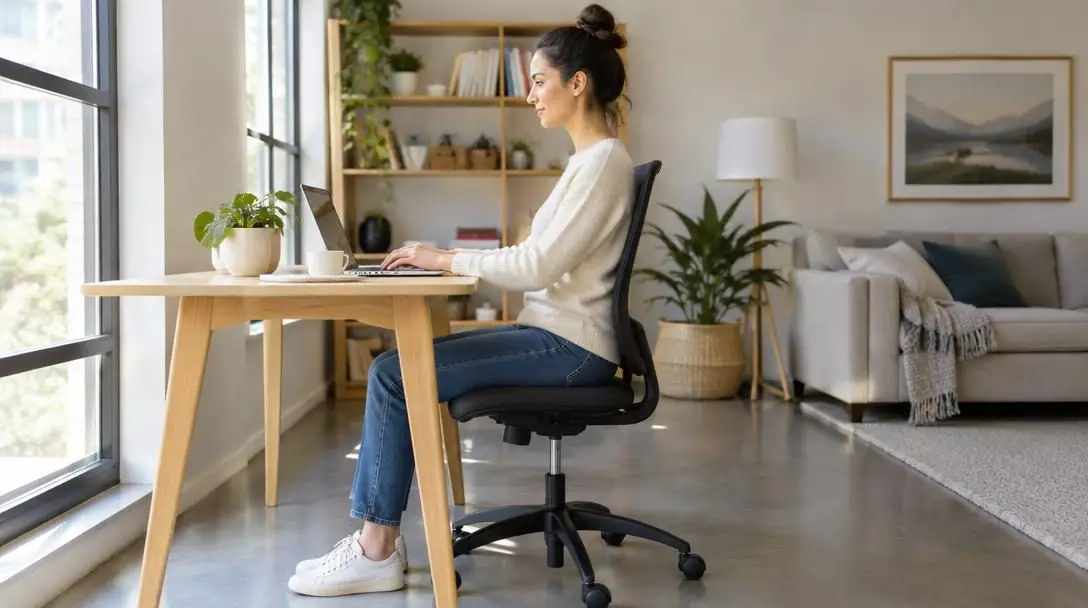
In the modern world, daily routines constantly conspire to pull the human body out of its natural physical alignment. Throughout an ordinary day, people repeatedly hunch their shoulders to look down at handheld mobile devices, droop forward in office chairs while laboring at desks, and sprawl across soft sofas to unwind in front of the television. While these resting positions may feel completely effortless in the immediate moment, remaining in them places an unnatural, sustained burden on the musculoskeletal system over extended periods.
Maintaining a poor physical position does not merely affect how you present yourself to the world; it carries real physical consequences that undermine your overall well-being. Chronic slouching leads directly to spinal weakness, along with persistent back pain and neck pain. Over time, collapsing the torso can compress internal organs, impairing functions like digestion. Because modern environments are intentionally constructed around screens, sedentary workstations, and plush seating, correcting your posture is genuinely difficult, but understanding how alignment works is the first step toward lasting relief.
Key takeaways
- Chronic slouching weakens the spine, triggers persistent back and neck pain, and compresses internal organs to impair digestion.
- True postural stability relies on vertical skeletal alignment and core support rather than forcefully wrenching your shoulders backward.
- Small ergonomic adjustments, such as raising mobile phones to eye level and keeping feet flat on the floor, prevent repetitive strain.
- Active movement through disciplines like yoga, Pilates, and walking builds the structural strength required to sustain balanced posture.
The Mechanics of Balanced Postural Alignment
To correct poor posture effectively, it helps to understand what balanced alignment looks like and how the body supports it. Rather than being a rigid, stiff pose held through sheer willpower, healthy posture relies on balanced stacking of the skeletal structure, supported by engaged musculature. When your body is aligned properly, gravity works with your skeleton rather than against your muscles.
Ideally, when viewing your profile in a side-view mirror, your primary weight-bearing landmarks should align vertically: your ankles, knees, hips, and shoulders ought to form a continuous, balanced line. When these major joints sit directly over one another, the skeleton carries the majority of your body weight, which minimizes unnecessary muscular strain and prevents fatigue.
Many people mistakenly attempt to fix poor alignment by forcefully yanking their shoulder blades together. However, true postural stability originates from your core and pelvic foundation. When you tighten your abdominal muscles, pull upward through the groin, and extend the back, the shoulders naturally fall back into their proper resting place without forced muscular tension. At the same time, maintaining a healthy spinal curve in the lumbar region protects the lower vertebrae from bearing excessive, uneven loads throughout the day.
True postural stability originates from your core and foundation rather than forced tension in the shoulders.
Five Actionable Steps to Improve Your Alignment
Retraining your body requires conscious, consistent action across everyday situations. By addressing how you stand, sit, interact with technology, stay active, and track your habits, you can establish lasting physical balance.
| Step | Focus Area | Primary Action | Key Adjustment |
|---|---|---|---|
| Step 1 | Standing Posture | Ground-up skeletal alignment | Engage the core and align joints over ankles |
| Step 2 | Sitting Mechanics | Workstation ergonomics | Keep feet flat and preserve the lumbar curve |
| Step 3 | Device Usage | Screen interaction | Lift devices to eye level instead of dropping the chin |
| Step 4 | Physical Activity | Muscular conditioning | Strengthen supporting muscles and maintain a healthy weight |
| Step 5 | Daily Reminders | Habit reinforcement | Use timers, cues, and accountability partners |
Step 1: Stand Up Straight from the Ground Up
Telling someone to stand up straight is common advice, but executing it correctly requires a methodical approach. Instead of wrenching your upper body backward, build your alignment systematically from your feet upward:
- Position your feet pointing straight ahead, set hip-width apart on a solid, level surface.
- Align your knees directly over your ankles as best as you are able, avoiding locked joints or letting your knees collapse inward.
- Continue aligning upward through your hips, ensuring your pelvis sits neutrally beneath your torso rather than tilting excessively forward or backward.
- Engage your midsection by tightening your abdominal muscles and pulling up through your groin.
- Extend your back upward, allowing your shoulders to move back naturally and line up with your hips.
Building your stance from the ground up ensures that each joint supports the structure above it. When your feet and knees provide a level base, your pelvis and spine can settle into neutral positioning without relying on overworked neck or shoulder muscles to keep you upright.

Step 2: Practice Healthy Sitting Habits
For desk workers, sitting for long stretches is often unavoidable. However, remaining seated does not have to result in spinal damage if you practice deliberate sitting mechanics. Slumping into a chair compresses the vertebrae and strains the connective tissue of the lower back.
To sit with proper support, sit evenly without leaning forward toward your screen or slumping off to one side. Keep both feet flat on the floor, pointing forward and separated hip-width apart. Every few minutes, consciously roll your hips forward and straighten your back to preserve the natural lumbar curve. Ensure your vision is properly supported; if you wear glasses, verify that your prescription allows you to read comfortably while keeping your back completely straight.
Incorporate movement into your desk routine by standing, stretching, and walking occasionally throughout the workday. Changing positions redistributes pressure across different muscle groups and restores healthy circulation.
Step 3: Practice Healthy Device Usage
Handheld mobile devices may be responsible for more neck and back pain than any other modern invention. Walking down any sidewalk reveals crowds of people bent sharply over their screens, appearing as though their devices are physically tugging them downward. Dropping your head forward multiplies the effective gravitational weight placed on the cervical spine.
You can stop this strain with simple adjustments:
- Instead of bending your neck down toward your phone, bring the phone up to your eye level.
- Look down at the screen by shifting only your eyes, keeping your head and neck upright.
- Pay attention to your eyewear, making sure your prescription is up to date so you do not tilt or strain your head to read text clearly.
- Break up prolonged usage by periodically straightening up, extending your neck, and looking back overhead.
- Release built-up tension by pivoting your head slowly from side to side and gently leaning it to the left and to the right.
Step 4: Be Active and Maintain Physical Health
Sedentary lifestyles weaken the muscles that keep the spine upright. Regular movement keeps joints mobile and builds the structural strength required for effortless alignment. A body that stays active develops the dynamic endurance needed to sit and stand well without early fatigue.
Engage in general movement; just about any exercise, including walking, dancing, and playing sports, contributes to better posture. Incorporate targeted disciplines like yoga, tai chi, Pilates, and specific strength and stretching exercises, all of which work wonders for physical stability. If your daily work keeps you tied to a chair, learn and practice targeted exercises that you can perform directly from your desk chair.
In addition to regular exercise, work to maintain a healthy body weight. Carrying extra pounds forces your abdominal muscles to work in a stressful, inefficient way, pulling the spine out of position and exaggerating the lower back curve.

Step 5: Remind Yourself to Straighten Up
Almost anyone can manage to sit or stand properly for a few minutes, but very few people can maintain proper form indefinitely without thinking about it. When immersed in a deep task at a desk, an hour or more can slip by while slouching without you ever noticing. Establishing regular cues creates accountability and trains subconscious habits.
Try these strategies to keep alignment top of mind:
- Place a visual prompt, such as a sticky note that says "Sit Up!", directly on your computer monitor.
- Set a recurring timer on your watch or phone to beep every ten minutes, prompting an immediate body check.
- Turn transitions into postural cues by being deliberate about your body position whenever you stand up, sit down, or walk up and down stairs.
- Partner with a coworker or friend as a "posture buddy" so you can monitor and remind each other to reset your posture throughout the day.
Common Posture Mistakes to Avoid
When attempting to correct long-term alignment problems, people often make fundamental errors that cause discomfort or slow down their progress. Being aware of these pitfalls prevents unnecessary strain.
- Overcorrecting the upper body: Jerking the shoulders backward without supporting the movement from the core creates tension across the upper back and neck, rather than addressing the root cause.
- Ignoring foot and knee positioning: Trying to straighten the spine while your feet are tucked under a chair or turned at awkward angles undermines your body's base of support.
- Holding rigid postures without moving: Remaining frozen in what feels like a "perfect" upright position can cause muscle fatigue. Natural health requires occasional stretching, walking, and resetting.
- Neglecting vision issues: Trying to sit upright while squinting through an outdated glasses prescription causes you to crane your neck forward unconsciously to read your screen.
- Bending the neck down to check notifications: Dropping the chin toward the chest every time a phone buzzes creates recurring stress on the cervical spine.
Setting Up Your Environment for Success
Improving how you carry yourself is an ongoing process that requires evaluating your everyday environment. As you begin integrating these five steps, take a comprehensive look at the spaces where you spend the most time, especially your primary workspace.
Check whether your chair supports an upright posture with your feet resting flat on the floor, or whether the furniture encourages drooping and leaning. If you experience persistent discomfort despite these adjustments, look into ergonomic modifications, such as introducing a sit-to-stand desk or trying out a knee chair to keep your core engaged throughout the day.
Next, evaluate your digital habits. Pay attention to how many hours each day you spend looking at handheld screens. Make an effort to consciously bring your phone up to eye level and schedule periodic breaks to extend your neck overhead and stretch sideways. Finally, consider how you can build a more active lifestyle by identifying physical activities you enjoy—whether joining a Pilates class, walking daily, practicing tai chi or yoga, or performing stretches in your desk chair. By combining active movement, consistent daily reminders, and mindful alignment from your feet to your head, you can counteract the postural strains of the modern world.
Frequently asked questions
Why does slouching cause digestive issues?
Collapsing the torso forward compresses the internal organs within the abdominal cavity. Over time, this physical compression can impede the normal function and movement of the digestive tract, leading to poor digestion.
Should I pull my shoulders back to fix my posture?
No. Forcefully pulling your shoulders backward causes tension across the upper back and neck. Proper posture originates in the core; tightening the abdominal muscles, pulling up through the groin, and extending the back allows the shoulders to settle backward naturally.
How can I prevent neck strain while using a smartphone?
Instead of bending your neck downward toward your device, bring the phone up to eye level and lower only your gaze. Additionally, take regular breaks to extend your neck overhead, pivot your head side to side, and lean it toward each shoulder.
What role does body weight play in spinal alignment?
Carrying extra pounds forces the abdominal muscles to work in a stressful and inefficient manner. This imbalance pulls the spine out of its neutral alignment, increasing strain on the lower vertebrae.
How can vision problems affect how I sit?
If you wear an outdated glasses prescription or struggle to read text on your screen, you will unconsciously crane your neck and lean your head forward, pulling your entire spine out of balanced alignment.
The bottom line
Reclaiming healthy posture in a world dominated by sedentary desks and handheld screens requires daily awareness, but it does not demand perfection or rigid poses. By establishing balanced alignment from the ground up, engaging your core, adjusting how you interact with devices, and incorporating purposeful movement into your routine, you can protect your spine, relieve chronic pain, and safeguard your long-term health.