5 Women’s Fashion No-Nos That Are Actually OK
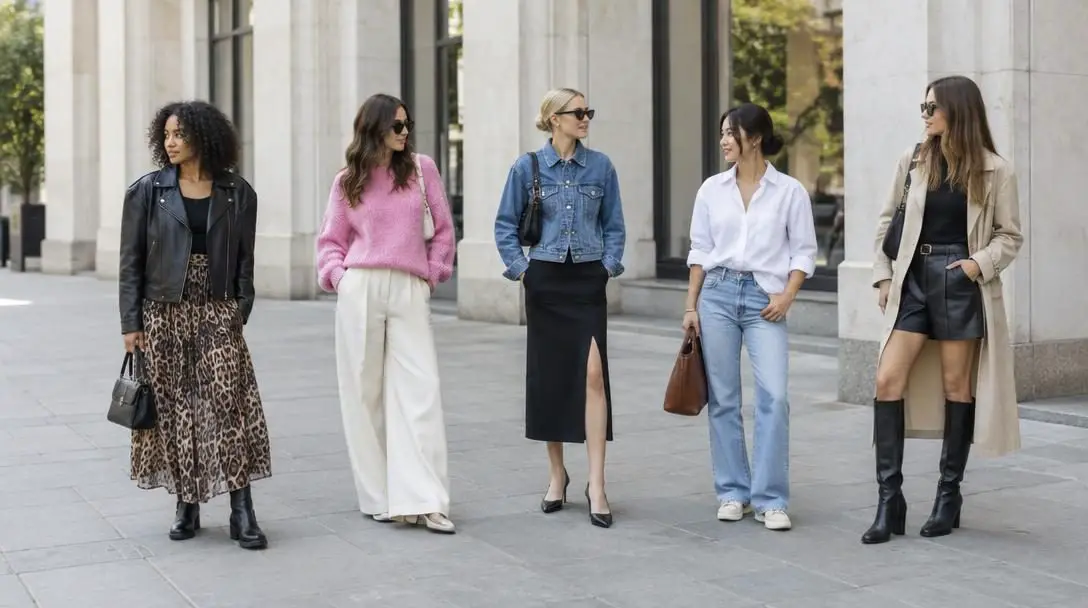
Fashion rules have historically functioned as rigid aesthetic boundaries, dictating what individuals should wear based on inflexible, traditional conventions. For decades, traditional style guides insisted that certain textures, patterns, and silhouettes were inherently unflattering, warning that volume must always be suppressed, that metallic jewelry should never be mixed, and that bolder prints belonged exclusively to specific eras or should be banished altogether. These outdated proscriptions often led people to worry more about avoiding fashion missteps than about finding clothes that brought genuine joy and personal satisfaction.
In modern style culture, the conversation has moved away from restrictive prohibitions toward individuality, personal comfort, and creative self-expression. Many long-standing aesthetic taboos were merely temporary visual preferences rather than universal truths. When you carry yourself with genuine confidence and understand how proportion and texture interact, so-called fashion faux pas become chic, dynamic opportunities to elevate your personal wardrobe.
Key takeaways
- Ruffles provide fluid visual movement and feminine texture rather than unnecessary bulk when an item fits properly.
- Bold animal prints act as versatile, nature-inspired neutrals when worn with confidence or integrated through statement accessories.
- Combining gold and silver jewelry looks deliberate and modern when the metals are layered evenly rather than isolated.
- Flowing, billowy tunics remain effortlessly stylish across all seasons when balanced against fitted bottoms like leggings or slim jeans.
- High heels and stilettos can be worn proudly at any height as long as you take the time to practice your stride for comfort.
At a glance: Five outdated rules and how to wear them
Traditional style guidelines often treated these five style choices as unflattering errors. Today, simple styling adjustments make them staple elements of a versatile wardrobe.
| Style element | Old fashion critique | Modern styling approach | Best pairing strategy |
|---|---|---|---|
| Ruffled garments | Adds unwanted bulk and ruins clean lines | Adds fluid movement and feminine texture | Focus on an appealing cut that fits comfortably |
| Animal prints | Too loud, dated, or visually aggressive | Functions as a spirited, organic statement | Anchor with neutral basics or wear as accessories |
| Mixed jewelry metals | Warm and cool tones clash unnaturally | Creates deliberate contrast and dimension | Layer silver and gold together on the same wrist |
| Billowy tunics | Oversized cuts overwhelm the wearer | Delivers year-round comfort and effortless drape | Balance wide tops with fitted leggings or jeans |
| Super-high heels | Impractical, dramatic, or outdated | Elongates the silhouette and projects authority | Break in shoes at home to master a confident stride |
Five outdated fashion faux pas that are actually fine
Reclaiming disputed garments starts with unlearning rigid advice. These five specific pieces and styling decisions have earned unfair reputations over the years, yet each can serve as an expressive anchor in your rotation.
Ruffled Dresses and Bathing Suits
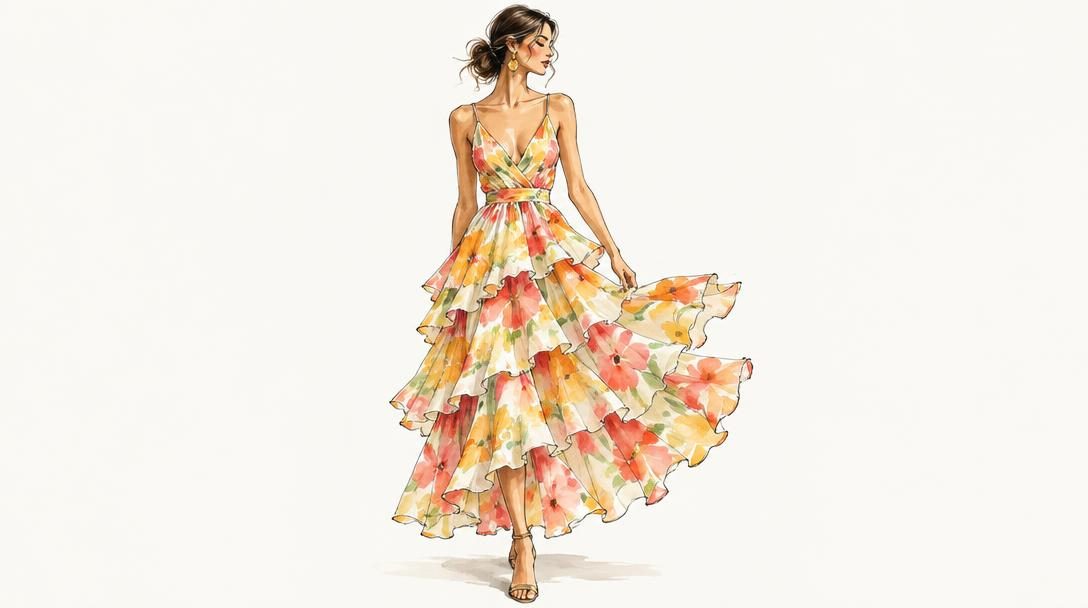
Traditional fashion commentators frequently warned against ruffles, claiming that extra layers of fabric add unnecessary bulk and disrupt clean lines. The fear was that frills would visually enlarge a silhouette or appear overly fussy. In practice, however, ruffles introduce an airy, flirty dynamic that adds lively dimension to swimsuits and dresses alike.
Because ruffles are suspended along the seams of a garment, they catch the air and shift alongside your body as you move. This creates a gorgeous, kinetic effect that brings flat fabrics to life. Rather than fretting over whether frills add bulk, evaluate the garment primarily on whether you appreciate its underlying cut. If the structural lines fit well and feel comfortable, wearing ruffles with pride produces a chic, feminine statement.
Bold Animal Prints
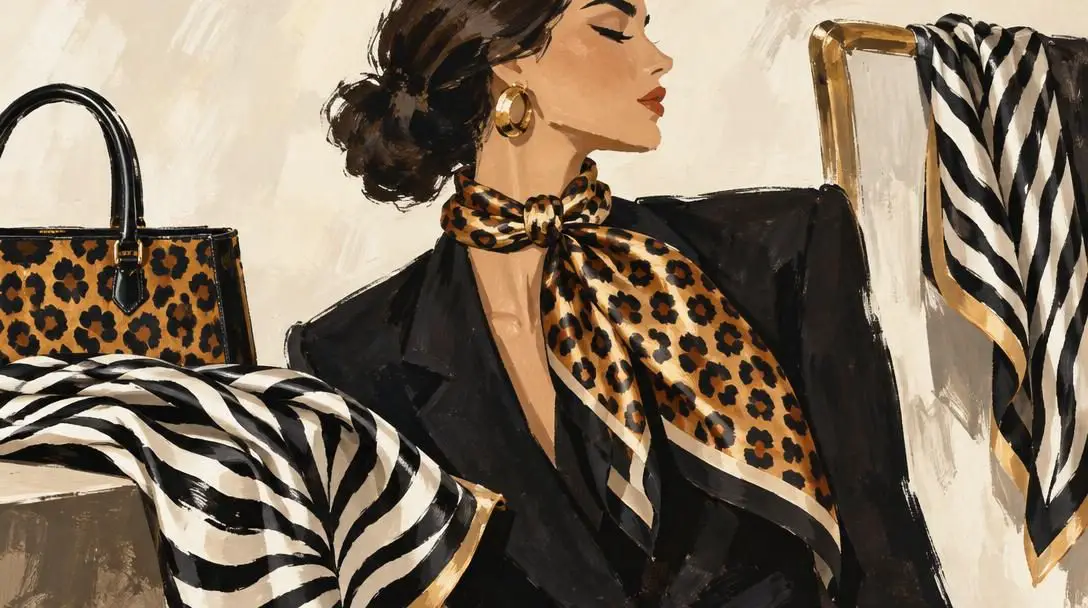
Certain critics have dismissed animal patterns as dated or garish, counseling shoppers to steer clear of cheetah spots, leopard rosettes, and zebra stripes. Yet nature-inspired prints possess an organic quality that transcends passing trends. There is no legitimate reason to banish animal patterns from your closet if you enjoy wearing them.
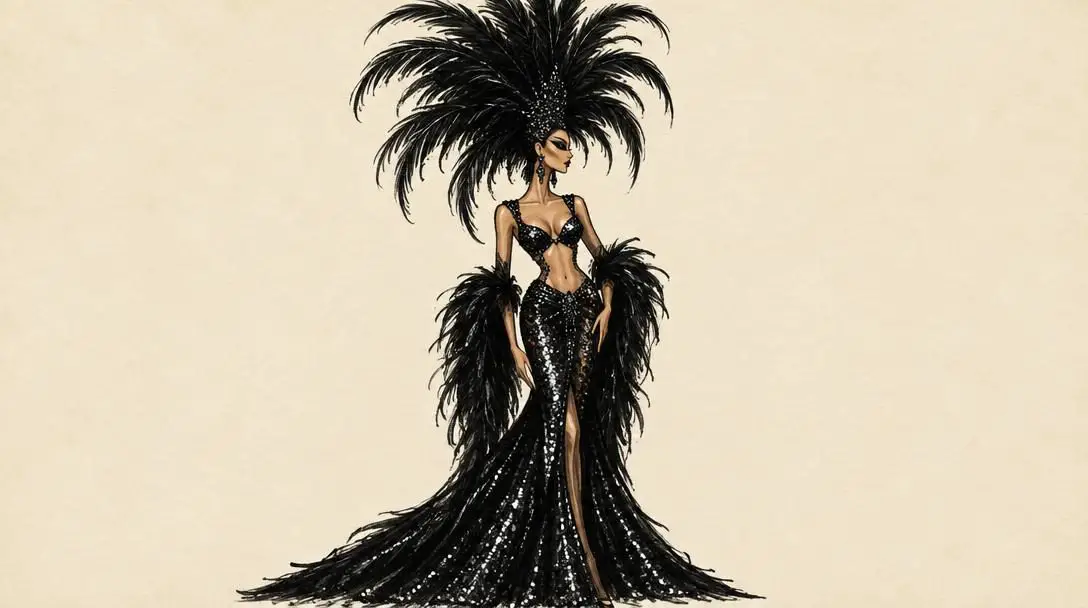
The secret to carrying bold patterns lies in owning the aesthetic. If an all-over patterned outfit feels too intense for your daily routine, you can easily temper the design by working with accents. A cheetah-print silk scarf, a zebra-stripe clutch, or a pair of patterned loafers can instantly energize a monochromatic, understated ensemble. Used deliberately, animal prints inject an immediate wow factor into baseline staples.
Mixed Gold and Silver Jewelry
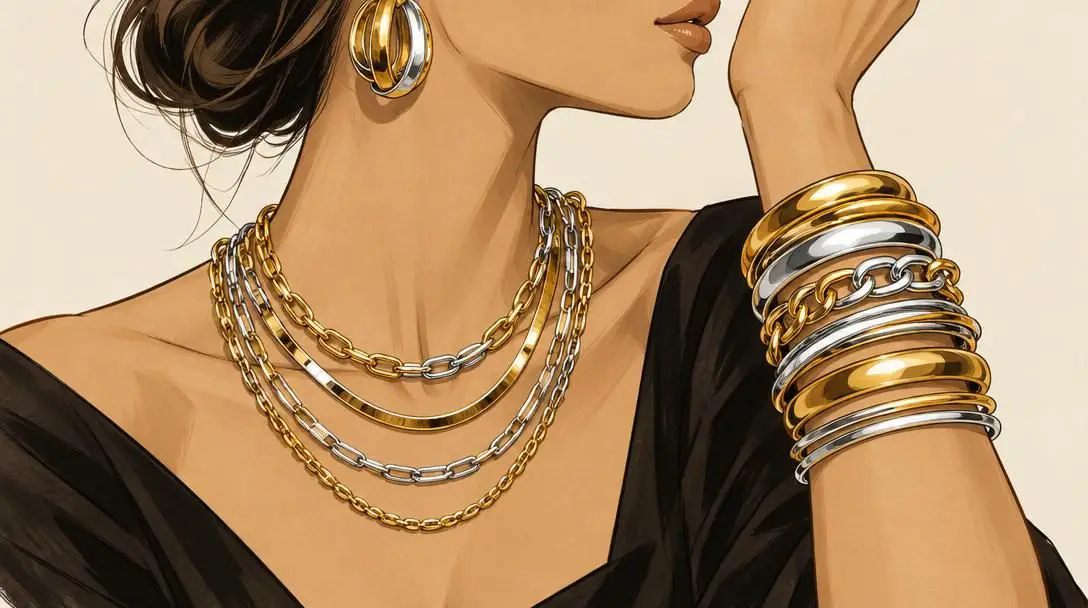
A classic commandment of twentieth-century accessorizing dictated that cool silver and warm gold must never occupy the same outfit. Critics argued that the contrasting undertones would compete against one another, creating a haphazard, accidental aesthetic. However, deliberately combining mixed metals creates an intricate, visually captivating display that feels far more modern than rigid, matching sets.
To make the combination work, focus on balanced distribution rather than isolated placements. If you wear silver earrings and a lone gold ring, the pairing might appear unintentional. Conversely, stacking silver and gold bangles together on one wrist creates harmony. You can also experiment within single metal families by pairing rich yellow gold alongside softer rose gold tones for a subtle, multi-tonal shine.
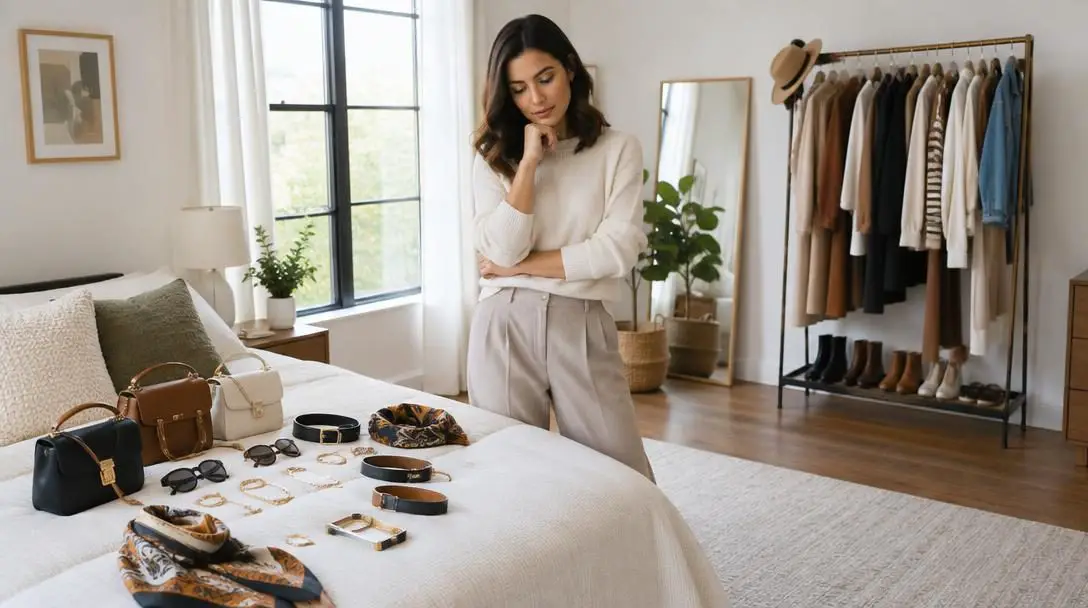
Mixing silver and gold jewelry works brilliantly when you treat the pairing as an intentional, even blend rather than an accidental mismatch.
Flowing, Billowy Tunics
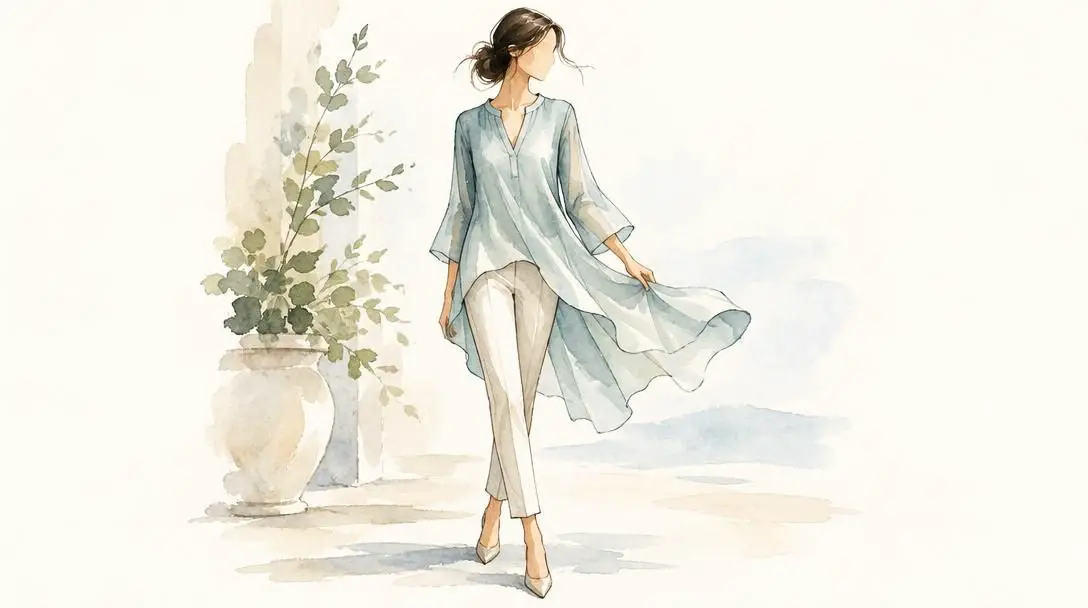
Many traditional dressing manuals warned against loose, oversized tops, cautioning that excess drape would drown the wearer’s body. Because of this, billowy tunics were often unfairly sidelined in favor of strictly tailored, restrictive cuts. In truth, tunics offer an exceptionally comfortable, airy alternative suitable for every season of the year.
Visual harmony with a tunic depends entirely on counterbalancing proportions. When you choose a loose, voluminous top, anchor the lower half of your body with streamlined pieces like dark leggings or fitted skinny jeans. The surface of the tunic also guides how you should finish the look. A plain tunic in a natural shade such as white or light blue acts as an open canvas for bold statement jewelry, whereas an intricately patterned tunic calls for minimal, understated accessories so the fabric remains the star.
Super-High Heels
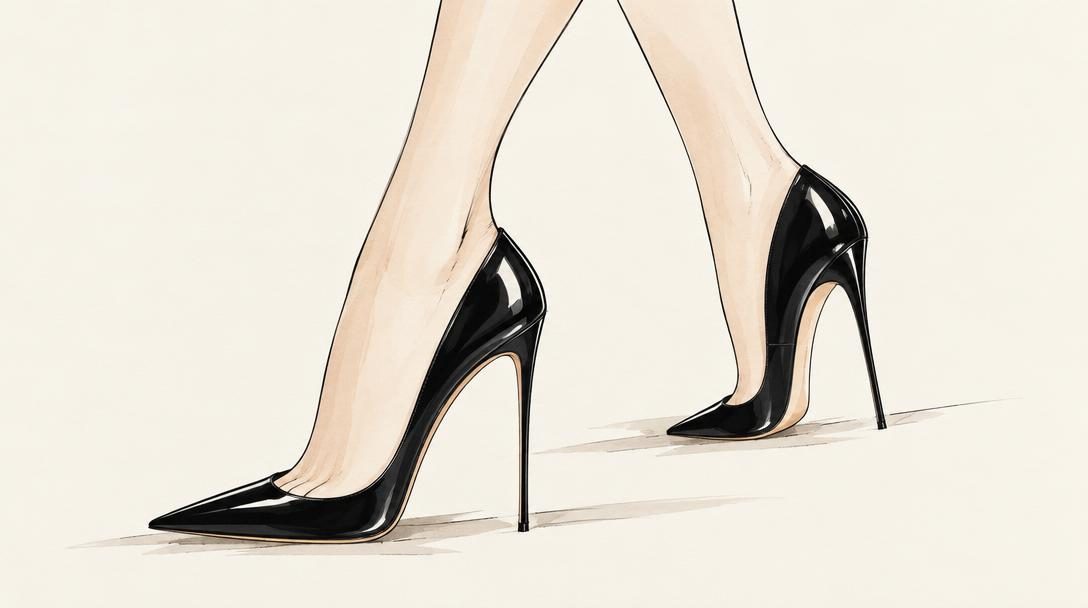
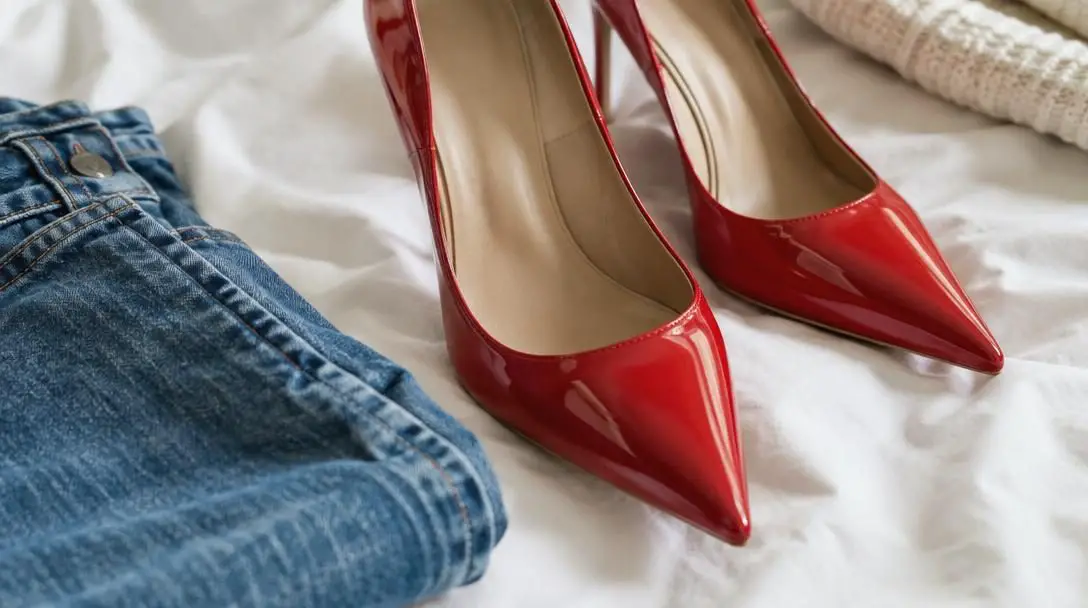
Sky-high stilettos frequently spark controversy in style roundups, where commentators argue whether elevated heels are impractical, uncomfortable, or outdated. While low-profile footwear certainly has its place, you should never feel pressured to abandon tall heels if you love how they make your legs look and how they enhance your presence.
Carrying off super-high heels boils down to physical ease and a steady stride. If you feel wobbly, the solution is not to retire the shoes forever, but rather to give your feet and posture time to adjust. Wearing your heels around your home for several evenings trains your leg muscles, helps you get used to the elevated angle, and ensures that you can walk out your front door with the commanding presence of a runway model.
The mechanics of visual balance and confidence
Breaking historical style rules successfully requires a basic understanding of visual weight, proportion, and focal points. When fashion experts historically rejected ruffles, mixed metals, or billowy cuts, they were reacting to extreme instances where an outfit lacked structural intention. Understanding how these elements balance each other removes the risk of looking disheveled.
Visual counterweights preserve your shape even when wearing voluminous or striking pieces. When you layer an oversized tunic over sleek, body-skimming pants, the fitted bottom provides a visual anchor that keeps the silhouette clean and deliberate. Similarly, ruffles and animal prints draw the eye immediately; by keeping surrounding layers straightforward and well-fitted, those bold choices function as intentional focal points rather than overwhelming visual noise.
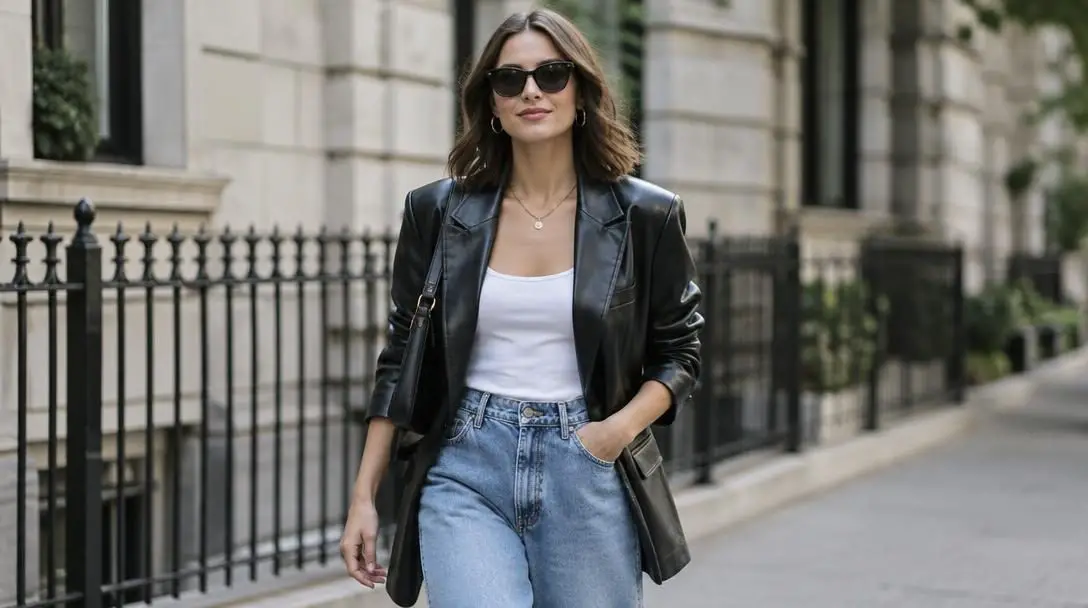
Ultimately, personal confidence ties visual mechanics together. How an outfit looks depends heavily on posture and demeanor. Hesitation often manifests as stiff shoulders or awkward movements, which can make an adventurous garment seem ill-fitting. Conversely, approaching your clothing choices with enthusiasm and comfort instantly transforms an unconventional combination into an intentional, self-assured personal style.
Step-by-step guide to wearing disputed styles
If you have spent years avoiding these items out of habit, working them back into your wardrobe can feel daunting. Follow this step-by-step method to incorporate these expressive pieces seamlessly into your weekly outfits.
- Assess the underlying cut: Before buying or wearing a ruffled swimsuit or dress, ensure the foundational fit flatters your frame so the frills serve as dynamic movement rather than visual clutter.
- Start small with statement prints: If an all-over cheetah or zebra ensemble feels overwhelming, integrate an animal-print scarf, belt, or pair of flats against a solid neutral outfit to elevate the look gradually.
- Group your metals together: When combining silver, yellow gold, or rose gold jewelry, stack them in the same focal area—such as on a single wrist or nested around your neck—to ensure the pairing looks coordinated and deliberate.
- Anchor billowy silhouettes with fitted bottoms: Pair flowing tunics with snug leggings, slim trousers, or fitted jeans to maintain a balanced, proportionate frame across any season.
- Match accessories to the tunic's fabric: Leave busy, printed tunics unencumbered by heavy jewelry, and use solid white or blue tunics as blank canvases for eye-catching statement pieces.
- Break in tall heels indoors: Wear your stilettos or super-high heels around the house for several evenings in a row, allowing your ankles to adapt and your stride to settle naturally.
- Step outside with absolute confidence: Carry your chosen outfit with complete self-assurance, recognizing that personal pride and comfort are the true markers of great style.
Styling pitfalls to steer clear of
Embracing flexibility in your wardrobe does not mean tossing intentionality aside. By staying mindful of a few common styling errors, you can ensure your outfits remain sharp and cohesive.
- Isolating contrasting metals across the body: Wearing a single gold earring and an isolated silver ring can make the combination look like an accident; always interweave the tones by stacking or grouping them.
- Over-accessorizing busy patterns: Layering bulky, colorful necklaces over an already intricate, patterned tunic creates visual clutter and distracts from the garment's print.
- Under-accessorizing plain natural fabrics: Leaving a solid white or blue tunic entirely bare misses a prime opportunity to inject personality through tailored jewelry or vibrant accents.
- Taking unpracticed high heels directly to public events: Heading straight out to a long gathering without breaking in high heels can lead to discomfort and an unsteady, halting gait.
- Letting outside critiques overrule comfort: Shelving clothes you love simply because traditional lists label them fashion no-nos needlessly limits your personal self-expression.
Assessing your wardrobe for hidden opportunities
Breaking free from outdated fashion rules provides the perfect excuse to conduct a thorough inventory of your current closet. Many people have stunning garments stashed in storage simply because old conventions labeled them risky or difficult to style. Dusting off these forgotten pieces gives your regular clothing rotation an immediate upgrade without requiring a shopping trip.
Pull out patterned pieces, flowy tunics, and statement accessories to see how they interact with your everyday basics. You might discover that a zebra-print belt brings a fresh edge to an ordinary pair of black trousers, or that combining separate silver and gold necklaces yields a striking layered effect. When your wardrobe decisions prioritize how a piece makes you feel rather than strict, arbitrary boundaries, getting dressed becomes an enjoyable, creative routine.
Frequently asked questions
Do ruffles make every outfit look bulkier?
No. While traditional critiques claimed ruffles add excessive volume, their primary visual effect is fluid movement and texture. As long as the underlying cut of the dress or swimsuit fits your body well, ruffles provide a flattering, dynamic drape that shifts naturally as you walk.
How can I wear animal prints without looking over-the-top?
The easiest way to wear animal prints subtly is to use them as accents. Instead of wearing an all-over cheetah or zebra dress, try introducing a patterned scarf, belt, or pair of shoes against a neutral baseline outfit to add a spirited pop of interest without dominating your silhouette.
What is the easiest way to make mixed silver and gold jewelry look deliberate?
Layer the metals in the same area rather than separating them. Stacking silver and gold bracelets together on the same wrist or layering necklaces of varying tones demonstrates that the contrast was a conscious styling decision rather than an accidental pairing.
Can you wear flowing tunics during colder months?
Yes. Tunics are an adaptable option for every season. In colder weather, pair your tunic with warm leggings or fitted jeans and layer a structured coat over top to maintain structural balance while staying comfortable.
How long should I practice walking in super-high heels before wearing them out?
Wearing your heels around the house for just a few evenings helps your stride adjust to the elevation. This brief practice period breaks in the footwear, trains your balance, and ensures you feel completely comfortable moving smoothly before stepping outside.
The bottom line
Fashion guidelines were never meant to be permanent laws etched in stone. Traditional declarations regarding ruffles, animal prints, metallic pairings, billowy silhouettes, and high heels were rooted in outdated concepts of restraint rather than modern personal expression. Today, personal style is defined by how comfortably and authentically you carry yourself.
By pairing volume with structure, layering mixed metals deliberately, and wearing bold patterns with pride, you can dismantle old fashion no-nos and unlock a far more dynamic wardrobe. Trust your personal preferences, prioritize how clothes feel on your body, and step forward knowing that genuine confidence is the single most flattering accessory you can wear.