5 Men’s Fashion No-Nos That Are Actually OK

For generations, traditional menswear has operated under an unyielding set of sartorial commandments. Established tailoring codes dictated the precise fraction of an inch a shirt cuff could show past a jacket sleeve, demanded that shirts remain firmly anchored inside waistbands, relegated athletic footwear strictly to tracks and gym lockers, and strictly forbade the coexistence of competing patterns. For modern dressers seeking to curate a refined yet comfortable presence, these historic conventions often feel less like helpful roadmaps and more like an intimidating obstacle course where a single departure from custom risks being labeled a fashion failure.
Personal style, however, is an evolving craft rather than a rigid legal code. Today's menswear movement embraces fluidity, ease, and intentionality, offering men the latitude to challenge outdated dogmas and personalize their everyday wardrobe. Many long-standing fashion faux pas can be transformed into striking elements of personal expression when worn with self-awareness, precise fit, and unwavering poise. Ultimately, the dividing line between looking unkempt and looking effortlessly sophisticated does not rest on adherence to Victorian tailoring rules, but on how harmoniously an outfit is constructed and the genuine confidence of the wearer.
Key takeaways
- Breaking traditional menswear conventions requires deliberate execution, proper garment proportions, and intentional fit.
- Unconventional casual staples, like untucked dress shirts and clean athletic sneakers, can pair seamlessly with formal tailoring when the context and venue align.
- Skin care and minimalist accessorizing are crucial to pulling off bold silhouettes such as deep v-neck shirts and sweaters.
- Visual harmony when mixing patterns depends on balancing scales and wearing the combination without hesitation.
At a glance: Five menswear rules worth reconsidering
| Formerly Forbidden Style | Traditional Objection | Modern Guideline for Success | Recommended Venue or Context |
|---|---|---|---|
| Deep V-Neck T-Shirt or Sweater | Deemed overly revealing or visually distracting | Keep the rest of the look classic, avoid chest bling, and moisturize exposed skin | Casual outings, warmer weather social settings |
| Untucked Dress Shirt | Viewed as sloppy, unfinished, and careless | Ensure a tailored hemline that falls at the right height and matches the outfit's relaxed vibe | Laid-back dinners at the beach, weekend BBQs, informal gatherings |
| Sneakers as Dress Shoes | Seen as inappropriate and disrespectful to formal tailoring | Wear sparkling clean, pristine sneakers that match the formality and vibe of the suit | Creative workplaces, modern smart-casual events, contemporary suiting occasions |
| Mixing Patterns | Criticized for creating chaotic visual clashes | Coordinate complementary designs, like a patterned jacket over a checkered shirt, with confidence | Parties, daytime social functions, stylish casual gatherings |
| Thin Necktie | Dismissed as an outdated, aging trend | Pair with a clean, crisp, modern-cut suit for a sleek, retro silhouette | Evenings out, modern office settings, semi-formal occasions |
Five traditional menswear no-nos that actually look great
Dismantling fashion boundaries is not an excuse for carelessness; rather, it is an exercise in discerning which historical restrictions can be set aside to enhance your personal style and physical comfort. When approached with deliberate intention, these five classic menswear taboos become versatile, stylish assets.
Deep v-neck t-shirt or sweater
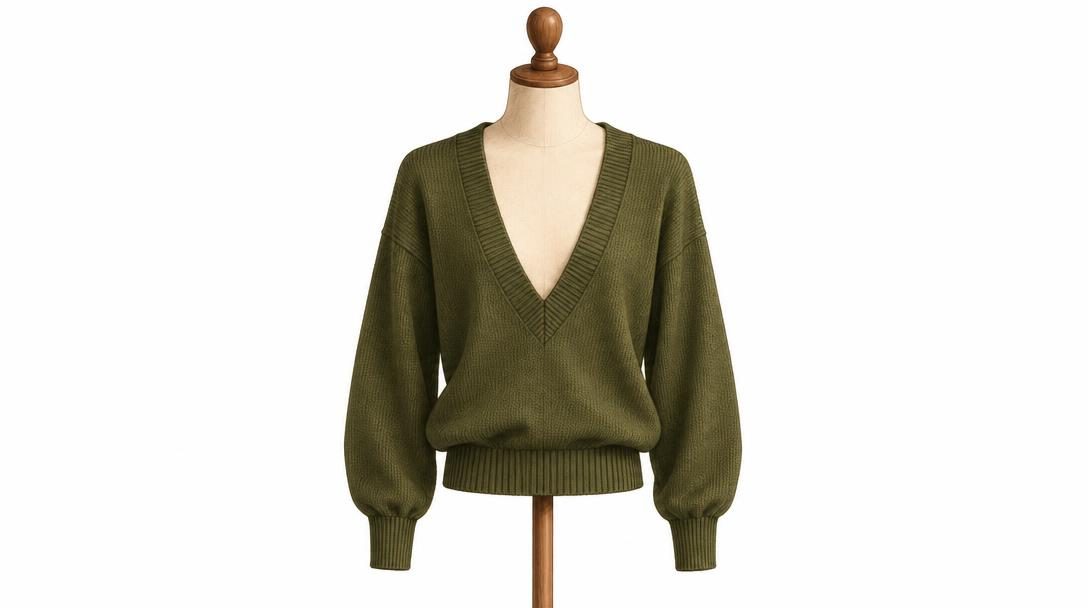
Critics frequently write off the deep v-neck t-shirt or sweater, arguing that the exaggerated drop at the collar is difficult to pull off and reveals too much of the chest. Yet when worn by someone with the chest to carry it, this neckline creates an appealing, elongated vertical line that naturally flatters the upper body. The secret to mastering the deep v-neck lies in rigorous restraint across the rest of the ensemble.
Because the neckline itself serves as a bold structural focal point, the surrounding garments should remain simple, understated, and classic. Attempting to fill the exposed space by layering heavy jewelry or bling will only clutter your visual presentation and overpower the garment. Furthermore, skin presentation is a fundamental component of pulling off this piece: skipping your daily moisturizer is a mistake, as bare skin must appear smooth, healthy, and thoroughly maintained.
Untucked dress shirt
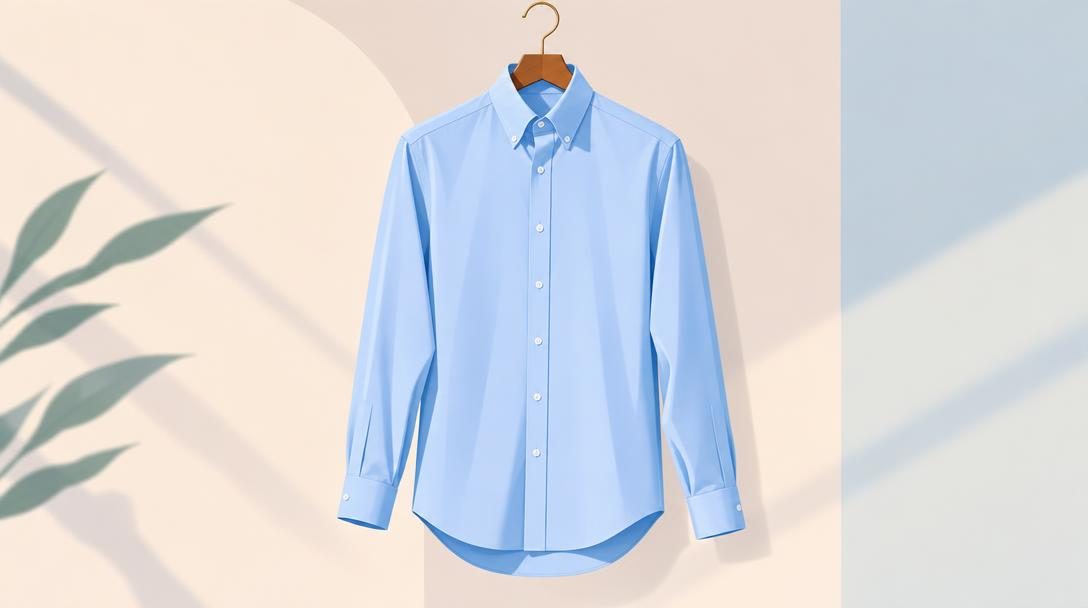
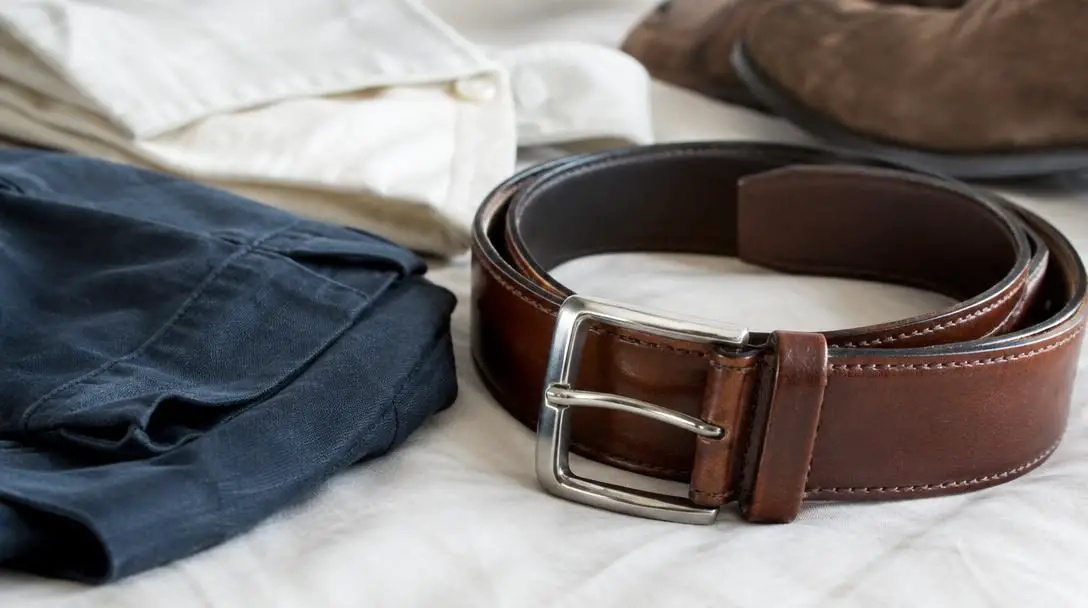
Within traditional formal menswear, leaving a dress shirt untucked has long earned an immediate thumbs-down, routinely dismissed as lazy, unfinished, or disheveled. However, when the fit is dialed in and the styling is deliberate, an untucked dress shirt delivers a relaxed, engaging, and casually refined appearance that is far superior to stiff, over-formal options.
The untucked aesthetic functions best in relaxed environments, serving as a standout choice for an informal gathering with friends, a backyard gathering, or a laid-back dinner at the beach. Achieving this balance depends entirely on proportion. Traditional dress shirts are cut with extended tails engineered to stay buried deep inside formal trousers; letting these long tails hang over your seat disrupts your body's visual balance. Enlist the help of a skilled tailor to shorten the hem and refine the torso so the shirt lands at a deliberate, flattering height that complements the casual vibe of the entire outfit.
Sneakers as dress shoes
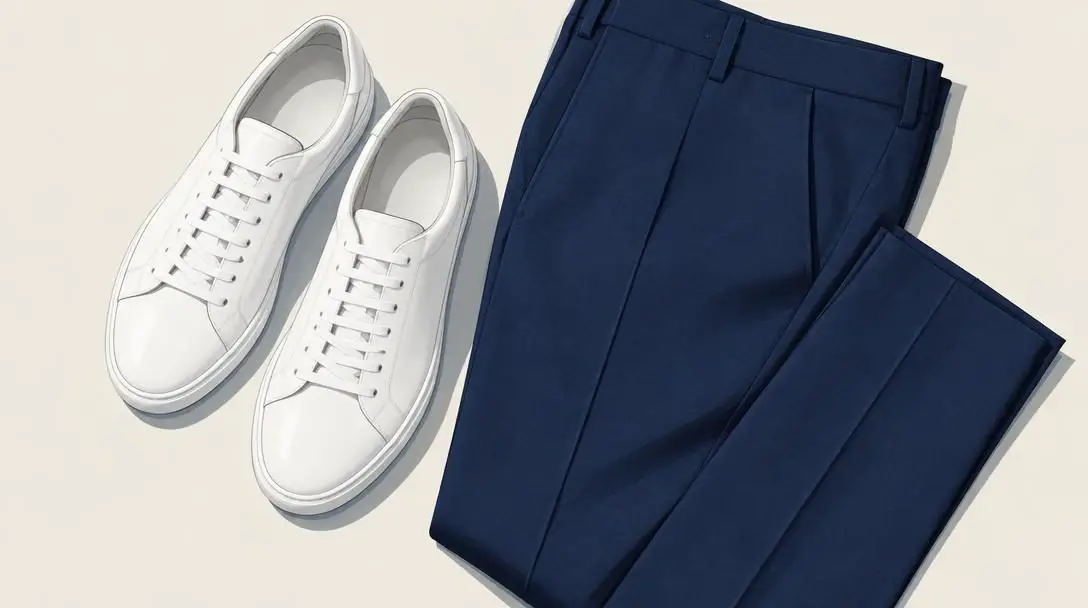
Historically, wearing athletic footwear alongside tailored suiting was considered an absolute fashion mistake. For decades, trainers paired with trousers were strictly the domain of commuters who immediately swapped into leather oxfords or brogues upon reaching their office desks. In modern menswear, however, wearing comfortable sneakers with a well-tailored suit has transitioned from a practical workaround into an admired, fashion-forward statement.
Executing this pairing requires uncompromised cleanliness and visual cohesion. Your athletic shoes must be absolutely sparkling clean, showing no traces of sidewalk grime, dirt, scuffs, or gym wear. Furthermore, the character of the shoe must harmonize with the suit itself. A tailored cotton, linen, or lightweight wool suit pairs effortlessly with minimalist leather trainers, whereas pairing bulky basketball shoes with a delicate textile like a velour suit breaks aesthetic coherence and looks entirely accidental.
Mixing patterns
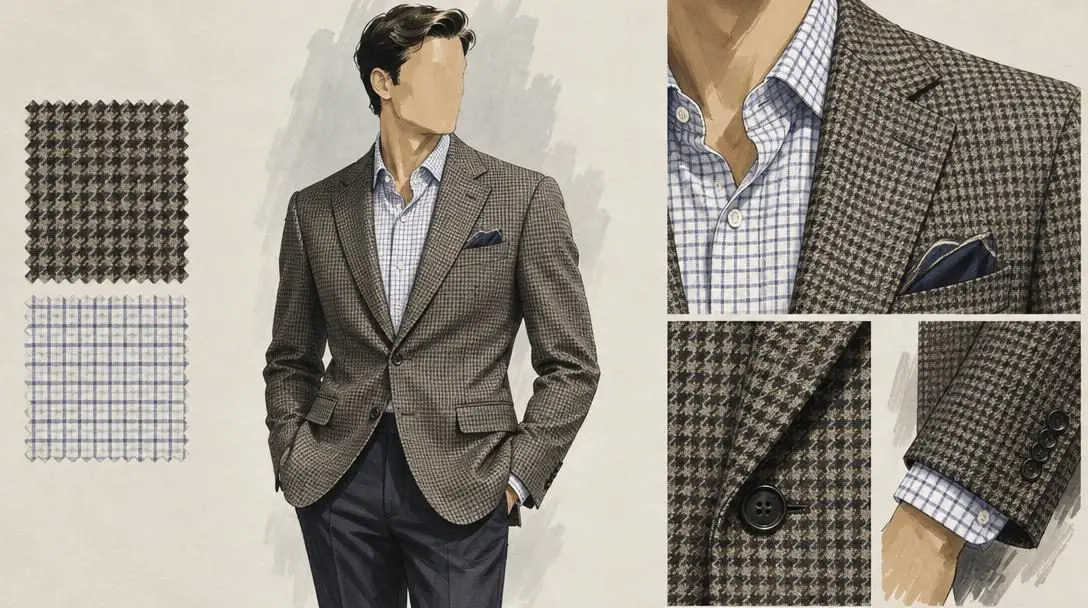
Traditional sartorial guidelines advise men to restrict their outfits to a single patterned garment, surrounding it with strictly solid fabrics to minimize the risk of clashing. While playing it safe prevents jarring combinations, it also robs an ensemble of visual depth, texture, and creative personality. In practice, mixing patterns can look exceptionally sharp when handled with deliberate care.
A classic illustration of this technique is layering a well-chosen checkered shirt beneath a subtle patterned jacket. Because the human eye reads different scales differently, pairing patterns of contrasting densities prevents the designs from fighting for attention. Finding the right harmony between checks, plaids, stripes, or geometric motifs rarely happens on the very first try. You must be willing to experiment in front of the mirror, mixing and matching pieces until the combination feels visually anchored and comfortable for you to wear with an open smile and total confidence.
Thin necktie
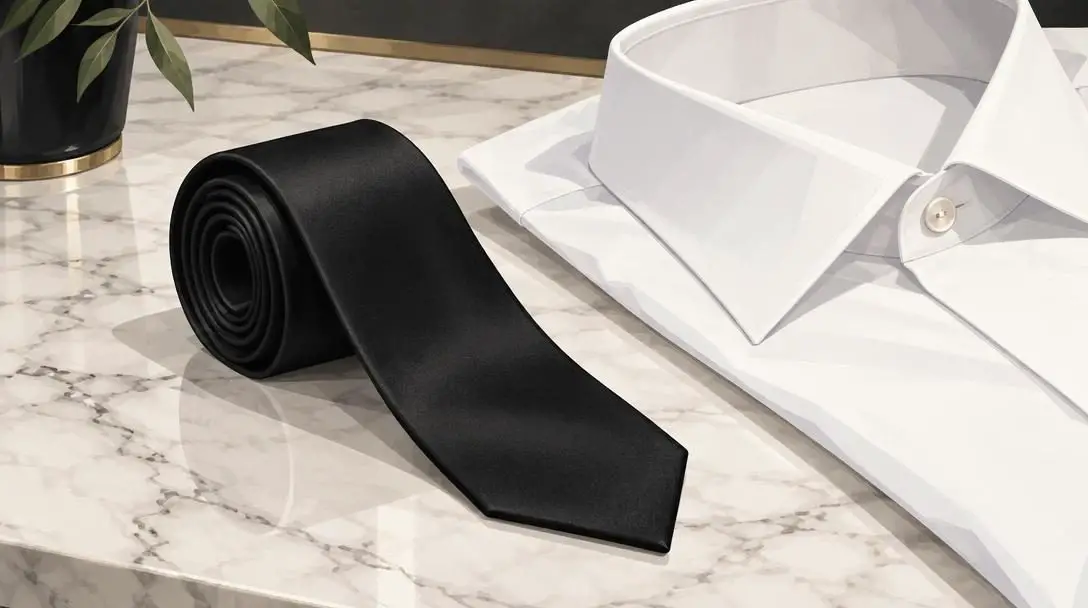
Modern fashion columnists frequently dismiss the thin necktie as an outdated remnant of past eras, warning men that narrow ties will needlessly age their appearance. This criticism fails to appreciate the enduring charm and minimalist grace of streamlined tailoring. When combined with a clean, crisp, contemporary suit, a skinny tie provides a sharp silhouette that invokes a fond feeling of simpler times.
The skinny tie functions as a classic accessory because it strips away visual bulk around the collar and lapels. Rather than dominating the chest like wide, heavily padded ties, a slender tie frames the shirt placket with retro refinement. It works particularly well with narrow suit lapels and spread collars, proving that narrower dimensions can retain an enduring place in a well-curated wardrobe.
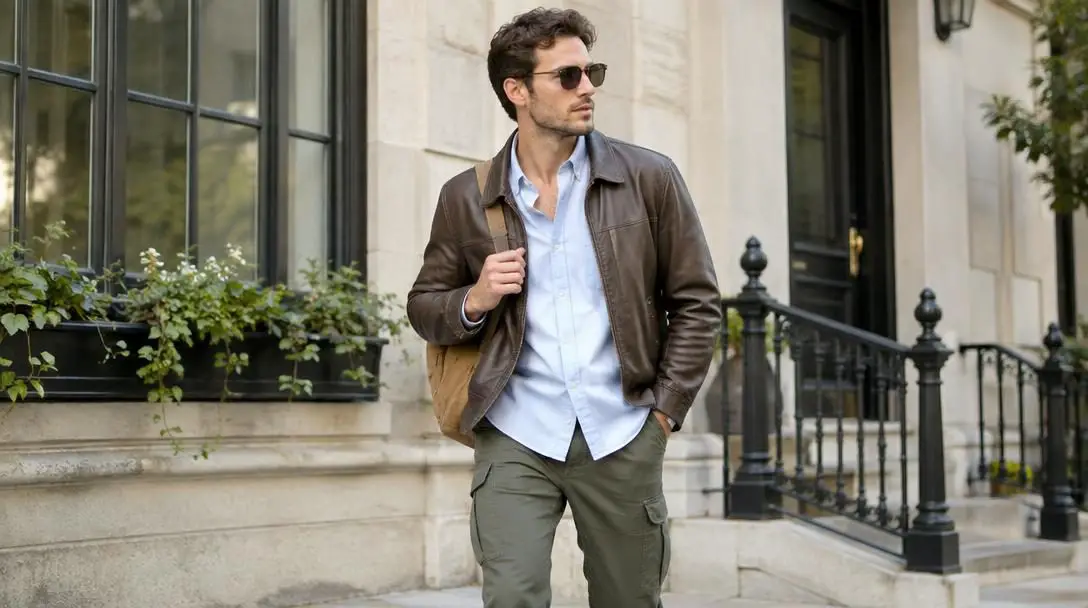
Confidence plays the most significant role in whether an unconventional garment works or falls flat.
Visual mechanics: Why these unconventional choices work
To bend classical fashion conventions without looking sloppy, a man must understand the underlying visual principles that govern how an outfit is processed. Garments do not exist in isolation; they create lines, balances, contrasts, and movement across the human frame.
- Vertical proportions: Deep v-necklines and skinny ties manipulate vertical sightlines. A deep v-neck opens up the torso, emphasizing upper-body breadth, while a thin necktie draws a neat, uncrowded line down the chest that harmonizes with trim lapels.
- Intentionality of fit: An untucked shirt only succeeds when its length, shoulder seams, and side tapers make it clear that leaving it untucked was a calculated style choice rather than morning forgetfulness.
- Textural and formality contrast: Combining pristine sneakers with crisp suiting blends high-formality tailoring with everyday athletic comfort. This tension brings dynamic energy to an outfit, making formal wear appear accessible and relaxed.
- Visual movement: Layering multiple patterns—such as wearing a textured or patterned jacket over a checkered shirt—creates visual depth that prevents a multi-layered outfit from appearing flat or monochrome.
Step-by-step guide to incorporating rule-breaking styles
Transitioning away from conservative style conventions toward more relaxed, expressive territory requires patience, experimentation, and attention to detail. Follow this ordered roadmap to integrate these unconventional pieces into your everyday rotation seamlessly.
- Assess your existing wardrobe: Take inventory of your current clothing. Evaluate your dress shirts to identify which ones feature shorter hemlines, inspect your sneakers to ensure you have a pair in immaculate condition, and determine if you have the chest profile and basic layers to support a deep v-neck.
- Consult an experienced tailor: Take your candidate dress shirts and suiting to a trusted tailor. Have the dress shirt hems raised so that they rest cleanly across your mid-zipper, and ensure your suit trousers are hemmed with a slight or zero break to spotlight your clean footwear.
- Refine your grooming routine: Elevate your personal presentation to match your sartorial ambitions. Prioritize moisturizing your neckline and upper torso when planning to wear open-collar or deep v-neck garments, and inspect your skin for dry patches.
- Curate footwear and accessories: Dedicate an afternoon to detailing your sneakers. Scrub the outsoles, clean the uppers, and replace worn laces so they are sparkling clean. Strip away heavy neck jewelry and excessive bling when wearing low necklines to keep your silhouette minimal and focused.
- Test pattern combinations at home: Stand in front of a full-length mirror and test pairings of patterned jackets and checkered shirts. Experiment with varying pattern densities until you find a balance that looks cohesive and makes you feel completely self-assured.
- Match your outfit to the setting: Confirm that the formality of your ensemble matches the venue. Reserve untucked dress shirts and relaxed tailoring for casual dinners at the beach or beachside barbecues, while reserving full formal attire for black-tie weddings and high-stakes corporate functions.
Common sartorial traps to avoid
When men attempt to execute these formerly forbidden styles and stumble, the issue almost never stems from the concept itself, but rather from careless execution. Steer clear of these frequent mistakes to ensure your outfits always look sharp and deliberate:
- Ignoring the formality of the venue: Wearing an untucked dress shirt or casual sneakers to a strictly formal event, such as a black-tie wedding, shows a disregard for the hosts rather than personal flair. Context is always paramount.
- Over-accessorizing exposed necklines: Attempting to decorate an open collar or deep v-neck shirt with heavy gold chains or excessive bling overwhelms the clean lines of the cut and distracts the eye.
- Skipping skin hydration: Exposing the chest with a deep v-neck requires clean, healthy-looking skin; neglecting to moisturize leaves the exposed area looking dull and neglected.
- Sporting dirty or incompatible sneakers: Pairing scuffed athletic shoes with a formal suit ruins the entire ensemble. Similarly, pairing clunky athletic footwear, such as basketball shoes, with delicate materials like a velour suit breaks visual harmony.
- Letting untailored shirt tails hang loose: Wearing an untucked dress shirt that has not been properly shortened makes your legs look shorter and projects a sloppy, disorganized appearance.
- Displaying visible hesitation: Fidgeting, pulling at your collar, or visibly questioning your appearance will broadcast discomfort. An unconventional outfit demands absolute confidence to succeed.
Frequently asked questions
Can any dress shirt be worn untucked?
No. Most traditional dress shirts are cut with long, curved tails specifically designed to remain tucked inside formal trousers. Wearing these shirts untucked results in fabric hanging past the seat, which looks untidy. Only wear shirts that have been tailored to fall neatly around the mid-zipper area.
What makes sneakers look appropriate with a business or casual suit?
To successfully wear sneakers with suiting, the shoes must be sparkling clean, free of everyday scuffs or gym dirt, and feature a streamlined profile that matches the vibe of the suit. Bulky athletic footwear, like basketball shoes, should not be paired with delicate fabrics such as velour.
Is a thin necktie still acceptable for formal occasions?
Yes. While some trend forecasters dismiss skinny ties as outdated, a thin necktie paired with a crisp, cleanly tailored suit provides an enduring, retro-inspired aesthetic that projects timeless elegance.
How can I successfully wear a deep v-neck without looking tacky?
Keep the remainder of your outfit classic, simple, and uncrowded. Avoid piling on bling or heavy jewelry, and always use moisturizer so that your exposed skin looks fresh and smooth.
Where is an untucked dress shirt most appropriate?
An untucked dress shirt is an exceptional choice for relaxed, informal occasions such as an informal gathering with friends, a laid-back dinner at the beach, or a beachside BBQ. It should never be worn to deeply formal events like a black-tie wedding.
The bottom line
Menswear conventions exist to provide structure, but they should never serve as a creative prison. Dressing exceptionally well is an ongoing practice of balancing comfort, fit, and deliberate choices. When you understand the proportions of your garments, enlist a tailor to refine hemlines, keep your footwear immaculate, and care for basic grooming, you earn the freedom to bypass traditional fashion rules.
Every garment you choose should serve your lifestyle, whether that means staying comfortable in clean sneakers during a long day or enjoying the breezy ease of an untucked linen shirt at an oceanfront gathering. Ultimately, authentic personal style is anchored in self-assurance. When you cultivate genuine confidence in the mirror and step out with a warm smile, you possess the power to make virtually any sartorial choice your own.