Birds With the Highest Global Population
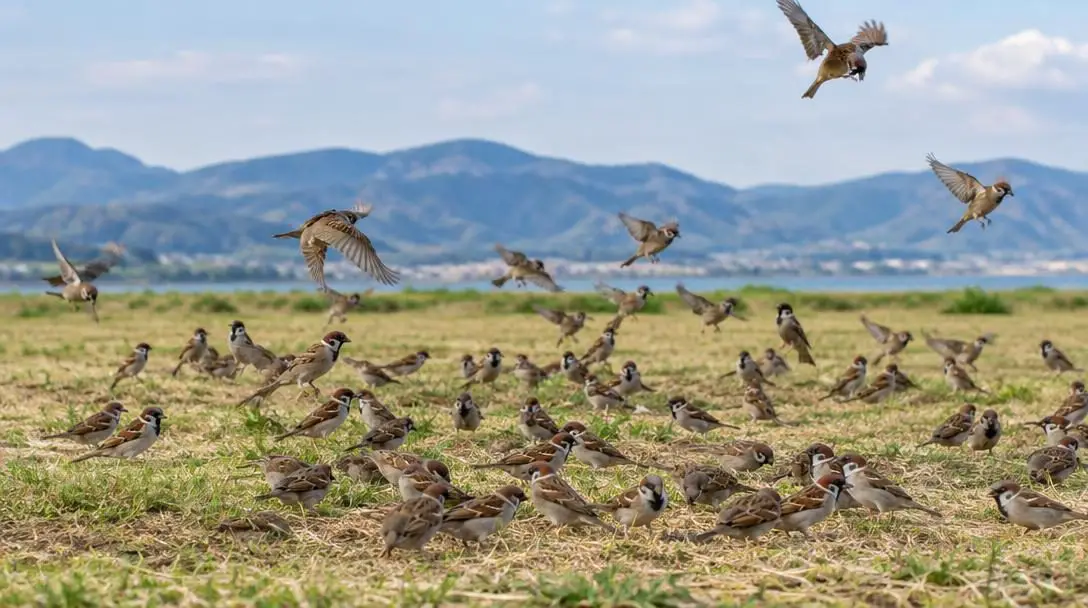
Across the globe, avian life thrives in nearly every terrestrial habitat, from remote scrublands and agricultural valleys to dense suburban developments. While many wild bird species struggle with fragmented territories or localized population drops, a select group of birds has achieved staggering population totals that span into the millions and billions. These avian populations represent a wide spectrum of the animal kingdom, encompassing domesticated poultry cultivated for human subsistence, resilient backyard songbirds, heavily managed game species, and prolific agricultural pests.
Understanding which birds command the largest numbers worldwide reveals much about global food systems, habitat adaptability, and wildlife resource management. Whether sustained by human agricultural practices or broad ecological versatility, the most populous birds on Earth illustrate how reproductive biology and human enterprise continuously reshape avian demographics across continents.
Key takeaways
- The domesticated chicken represents the single most populous bird on Earth, numbering approximately 34 billion individuals as of 2022.
- Native to sub-Saharan Africa, the red-billed quelea is the world's most abundant wild bird species, with a population reaching roughly 1.5 billion.
- North American songbirds and game birds boast massive numbers, led by the chipping sparrow at 1 billion and mourning doves at nearly 350 million.
- Seasonal sporting activities produce dramatic population swings, such as reducing global common pheasant counts from over 50 million in October to approximately 5 million by February.
- Dietary versatility and agricultural food subsidies play decisive roles in helping both wild flocks and domestic poultry sustain populations in the hundreds of millions or billions.
At a glance: The world's most populous bird species
The vast numerical divide between domesticated livestock and wild birds underscores the enormous role that human cultivation plays in global biomass. Below is a comparison of the most populous bird species recorded across the planet, reflecting their broader status, estimated counts, and regional distributions.
| Species | Ecological Category | Estimated Global Population | Primary Geographic Distribution | Key Environmental or Dietary Trait |
|---|---|---|---|---|
| Domesticated Chicken | Agricultural livestock | Approximately 34 billion | Global (over 9 billion in the U.S.) | Simple to rear; most widely consumed farm animal |
| Red-Billed Quelea | Wild flocking bird | Approximately 1.5 billion | Sub-Saharan Africa | Feeds on sorghum, wheat, corn, and rice; agricultural pest |
| Chipping Sparrow | Wild songbird | Approximately 1 billion | North and Central America | Consumes seeds, fruits, and pest insects across woodlands and parks |
| Mourning Dove | Wild game bird | Nearly 350 million | North America | Prolific breeder; subject to an annual 20-million-bird sport harvest |
| American Robin | Wild songbird | Estimated 311 million | Canada, United States, and Mexico | Familiar backyard forager known for distinctive eggs and singing |
| Red-Winged Blackbird | Wild songbird | Up to 150 million | North and Central America | Year-round resident across U.S. and Mexico; feeds on grain and insects |
| Common Pheasant | Introduced game bird | Over 50 million (pre-hunting season) | Asia, Europe, and introduced worldwide | Managed autumn game bird harvested down to 5 million each winter |
Driven by global dietary reliance on poultry, domestic chickens outnumber every wild bird species on Earth by tens of billions of individuals.
The most populous bird species worldwide
Whether produced in vast commercial facilities, nesting across expansive national forests, or gathering in destructive feeding swarms over cultivated grain, each of these species has developed an exceptional foothold on the planet. Here is how their counts and habitats compare.
Domesticated Chicken
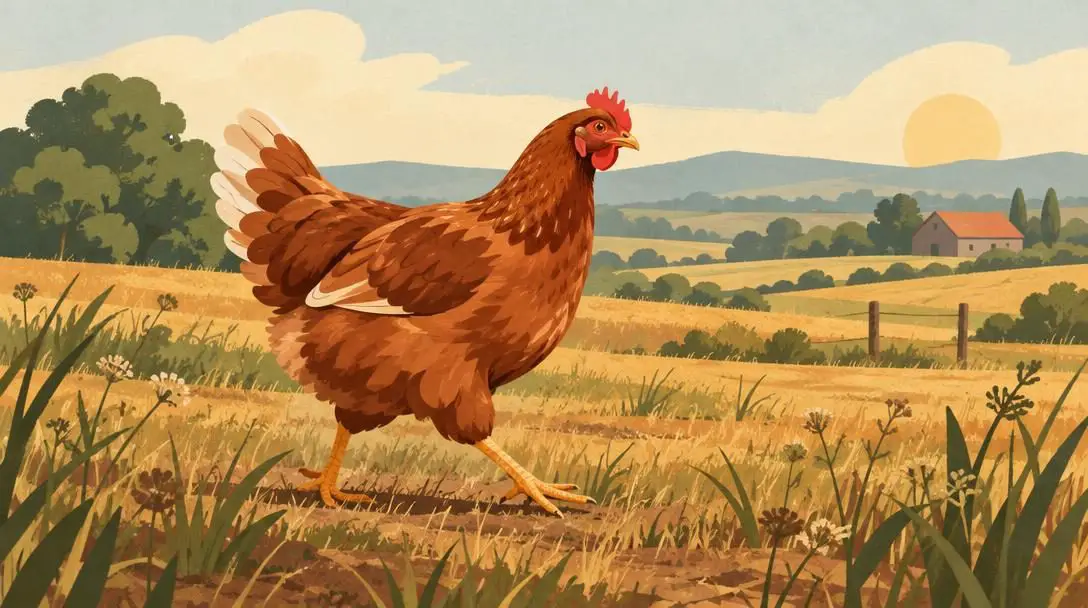
- Estimated Population: Approximately 34 billion (as of 2022)
- Primary Range: Worldwide, with over 9 billion in the United States
- Primary Role: Global agricultural livestock and primary poultry food source
The domesticated chicken sits unmatched at the summit of global bird populations. As of 2022, international estimates placed the total count of chickens at approximately 34 billion individuals. This colossal number is driven directly by human farming and dietary habits, as chicken represents the most frequently consumed livestock on Earth. Because chickens are compact, highly efficient feed converters, and relatively straightforward to manage at an industrial scale, commercial agricultural facilities maintain billions of birds simultaneously. In the United States alone, the poultry sector sustains more than 9 billion chickens, reflecting how deeply entrenched this animal is within modern agricultural supply chains.
Red-Billed Quelea
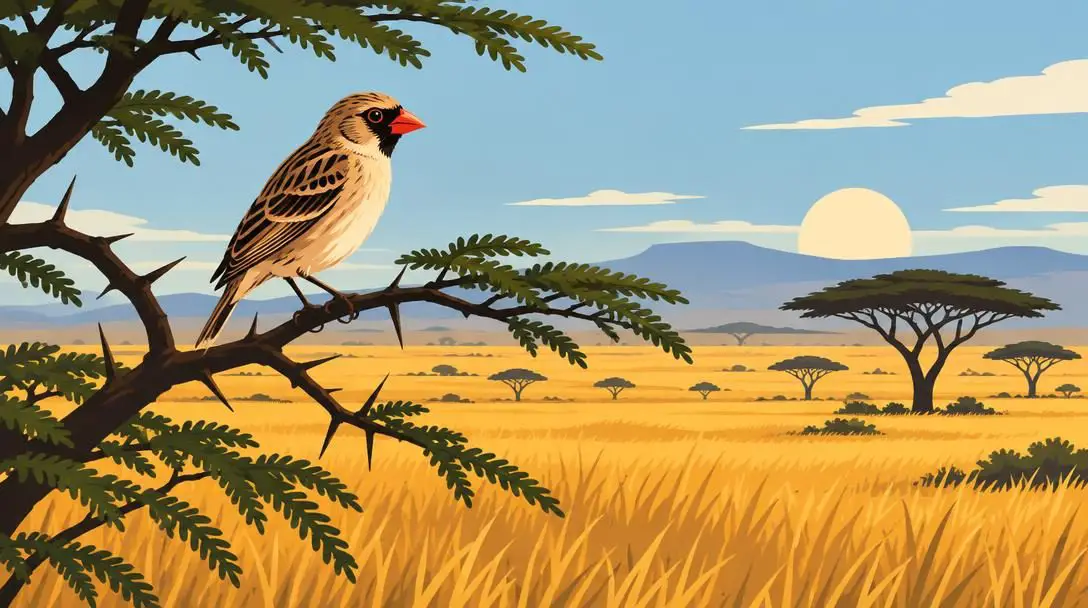
- Estimated Population: Approximately 1.5 billion
- Primary Range: Sub-Saharan Africa
- Physical Size: Averages 4.7 inches long; weighs under 1 ounce
Holding the title of the world's most populous wild bird, the red-billed quelea numbers around 1.5 billion across sub-Saharan Africa. Despite its tiny frame—measuring an average of just 4.7 inches in total length and weighing less than an ounce—this diminutive songbird exerts a massive collective impact. Red-billed queleas gather in gigantic feeding flocks that sweep across open savannas and farming regions. They target cultivated grains, including sorghum, wheat, corn, and rice. Because these swarms descend upon farmlands in vast numbers, regional farmers routinely view the red-billed quelea as an agricultural nuisance comparable to plagues of locusts, prompting extensive control efforts to protect essential regional food supplies.
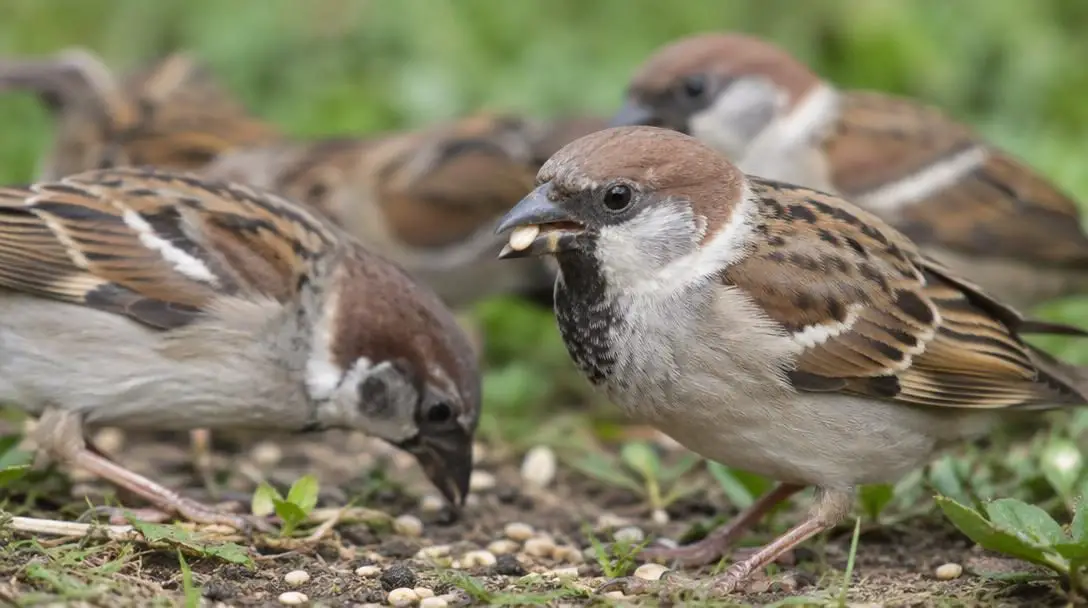
Chipping Sparrow
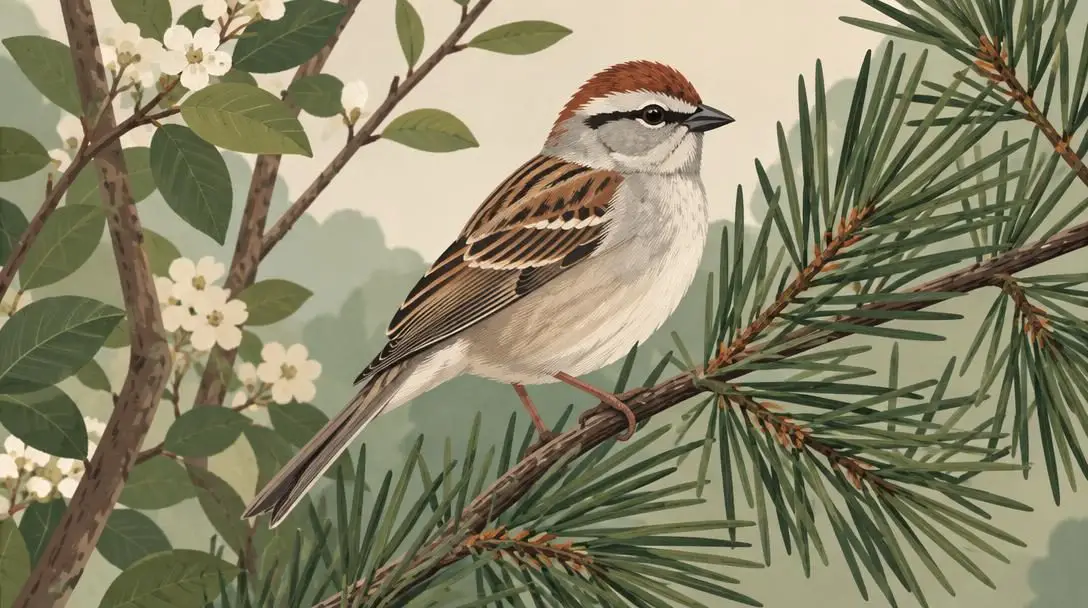
- Estimated Population: Approximately 1 billion
- Primary Range: North America and parts of Central America
- Primary Habitat: Woodlands, suburban parks, and forest borders
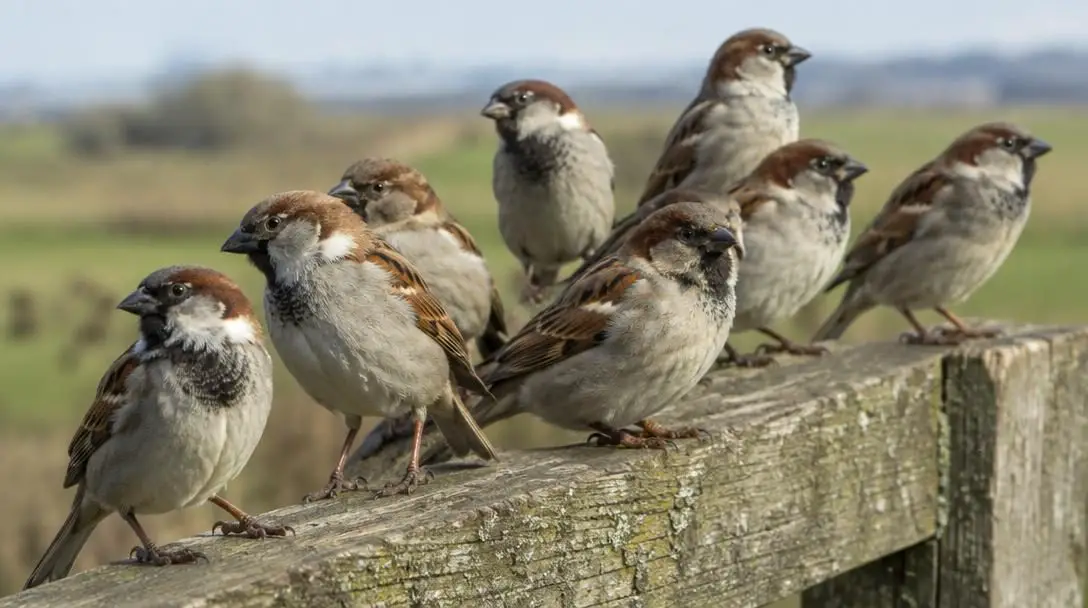
The chipping sparrow represents one of the greatest ecological success stories among Western Hemisphere songbirds, with numbers estimated at roughly 1 billion birds. Found across wide swaths of North America and into portions of Central America, this tame and adaptable sparrow thrives in both native woodlands and developed parklands. Unlike agricultural nuisance birds, the chipping sparrow maintains a reputation as a welcome neighborhood presence. Its daily foraging routine consists of consuming weed seeds, small berries, and various nuisance insects, allowing the species to serve as a natural form of pest management in gardens, public parks, and residential yards.
Mourning Dove
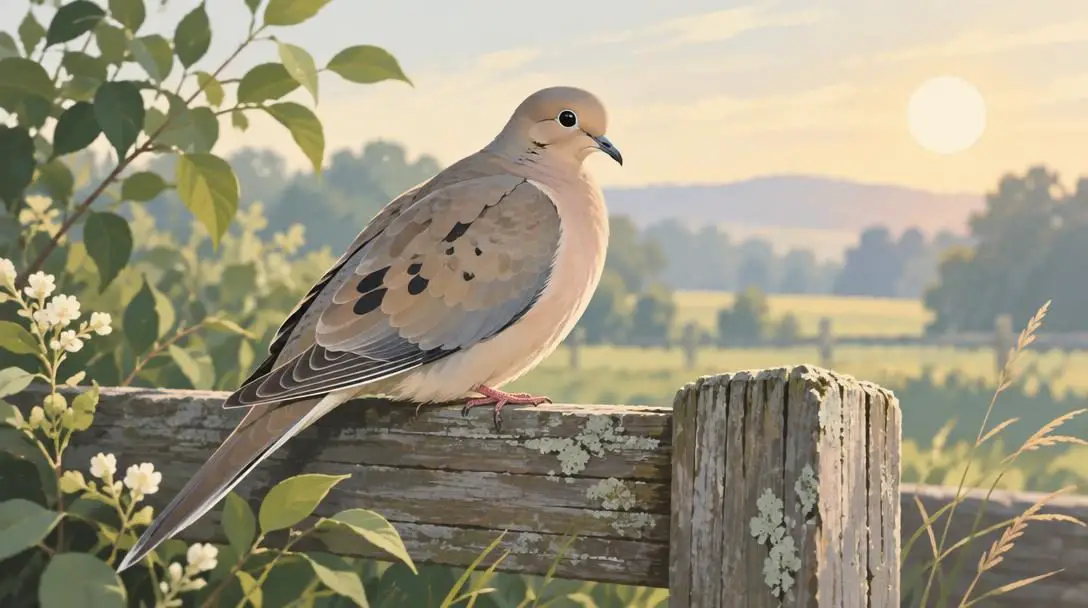
- Estimated Population: Nearly 350 million
- Primary Range: North America
- Harvest Volume: Approximately 20 million birds taken annually by hunters
Numbering nearly 350 million individuals throughout North America, the mourning dove is both an abundant neighborhood visitor and the most heavily hunted game bird on the continent. Renowned for its gentle cooing call and graceful flight, the mourning dove carries deep cultural significance, frequently appearing at funeral ceremonies to symbolize the spiritual release or peaceful departure of a loved one. Behind this gentle symbolism lies an exceptionally prolific reproductive cycle. Mourning doves breed frequently throughout the warmer months, producing large numbers of offspring that keep populations dense despite an annual sporting harvest that removes roughly 20 million individuals each year.
American Robin
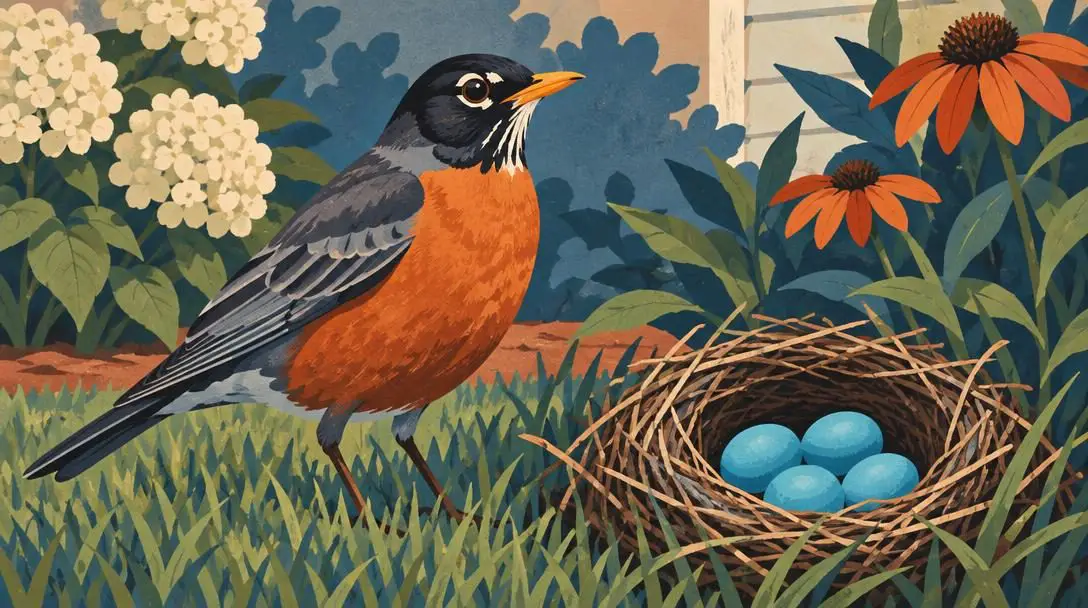
- Estimated Population: Estimated 311 million
- Primary Range: Canada, the United States, and Mexico
- State Symbol: Official state bird of Michigan, Connecticut, and Wisconsin
Boasting a population of approximately 311 million birds, the American robin ranks among the most widespread and recognized wild birds in North America. Distributed throughout Canada, all of the contiguous United States, and deep into Mexico, the robin is celebrated for its warm brick-red breast, melodious morning vocalizations, and distinctive sky-blue eggs. Its comfort around human development has made it an iconic backyard sight, foraging across lawns for worms and seasonal fruits. Reflecting its widespread cultural appeal and prominent ecological presence, three U.S. states—Michigan, Connecticut, and Wisconsin—have designated the American robin as their official state bird.
Red-Winged Blackbird
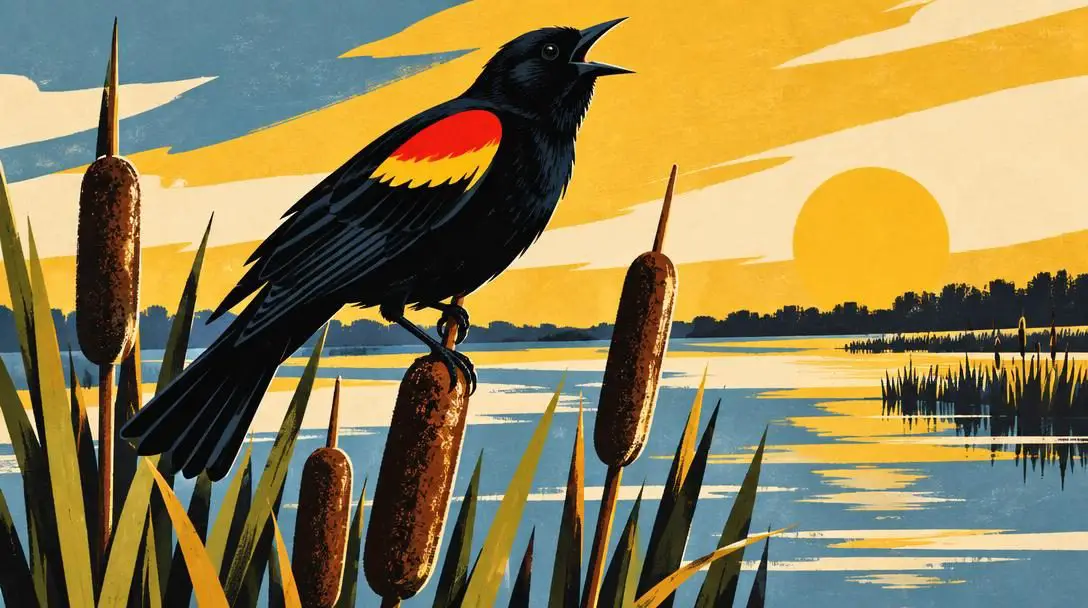
- Estimated Population: Up to 150 million
- Primary Range: North America (breeding in Canada, year-round in the U.S. and Mexico)
- Dietary Breadth: Grains, weed seeds, insects, and small fruits
The red-winged blackbird maintains a flourishing population of up to 150 million birds across North America. Males are instantly identifiable by their glossy black plumage offset by vivid red and yellow shoulder epaulets, which they flash prominently while singing atop marsh reeds and fence posts. Red-winged blackbirds maintain broad breeding ranges across Canada during the spring and summer while inhabiting the entirety of the United States and the majority of Mexico throughout the year. Their diet is diverse; they readily feed on cultivated crops like corn and rice, but they offset this damage by devouring vast quantities of crop-destroying insects during the summer breeding months.
Common Pheasant
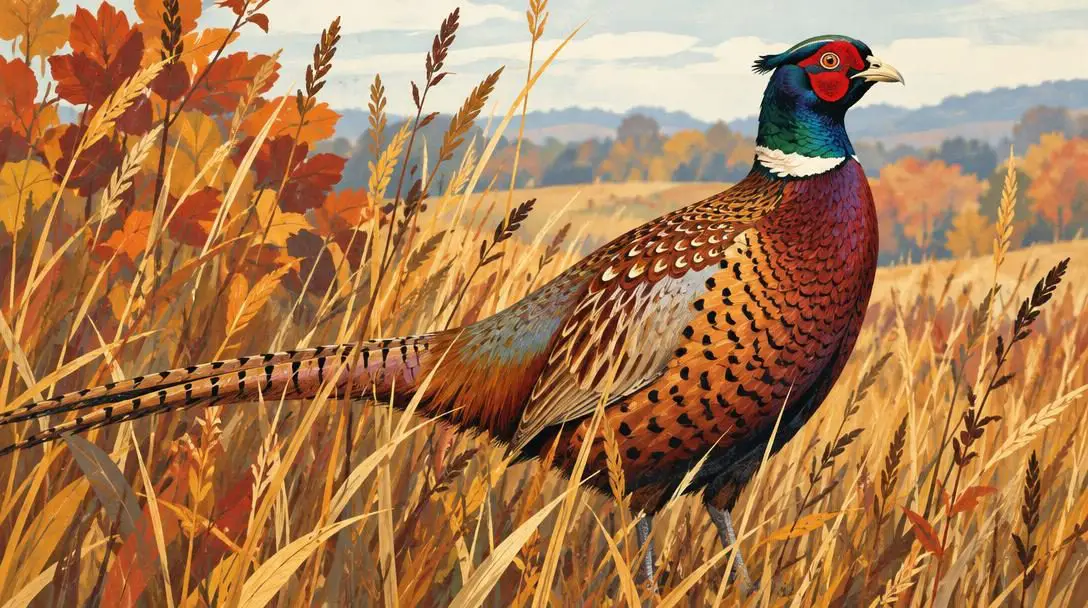
- Estimated Population: Over 50 million prior to autumn sporting seasons
- Native Range: Asia and parts of Europe (widely introduced globally)
- Hunting Dynamics: Harvest reduces populations from over 50 million to 5 million annually
Encompassing roughly 50 recognized subspecies native across Europe and Asia, the common pheasant has been intentionally introduced to open country, farmlands, and game preserves worldwide. Revered by sport hunters, the species experiences one of the most pronounced seasonal demographic drops of any animal on Earth. Before the annual hunting period commences in early October, the global pheasant population stands at more than 50 million birds. Between October and early February, regulated sport hunting harvests reduce the population down to around 5 million surviving individuals. Because pheasant meat is straightforward to butcher and closely mimics chicken in both appearance and culinary flavor, it remains one of the world's most pursued game birds.
How population dynamics and human controls shape bird counts
The stark population differences among these high-count birds stem from a complex interaction between natural evolutionary traits and direct human intervention. Understanding why some species climb into the billions while others plateau requires evaluating several key demographic drivers.
- Intensive livestock cultivation: Chickens exist at numbers exceeding 34 billion solely because modern agricultural enterprises deliberately breed, feed, and shelter them to supply global markets with eggs and poultry meat.
- Exploitation of agricultural food subsidies: Species like the red-billed quelea and the red-winged blackbird have transformed human farms into personal foraging grounds, finding massive, reliable energy reserves in expansive plantings of rice, corn, wheat, and sorghum.
- Broad generalist foraging habits: Birds such as the chipping sparrow and American robin thrive in altered environments because their diets are flexible, alternating effortlessly between seasonal wild berries, weed seeds, and invertebrates.
- Continuous year-round residency: Red-winged blackbirds and mourning doves secure strong footholds across multiple climate zones, avoiding long-distance oceanic migrations and maintaining strong reproductive territories across North America.
- Intensive hunting and seasonal management: Regulated sporting seasons systematically harvest surplus birds to balance regional game carrying capacities, most visibly demonstrated by the 45-million-bird seasonal reduction seen in global pheasant populations.
Practical steps for interacting with high-population birds
Whether managing an agricultural field, maintaining a suburban backyard, or participating in regulated sporting traditions, human activities intersect daily with these abundant species. The following steps outline how to effectively observe, protect, or manage these high-density birds.
- Foster backyard habitats for native songbirds: Encourage species like the American robin and chipping sparrow by preserving open lawn areas bordered by natural shrubs, native woodlands, or park-like spaces. Chipping sparrows actively clean gardens of unwanted insect pests and seeds, while robins forage on accessible soil invertebrates.
- Assess wild bird impacts on commercial crops: Determine whether flocking species are serving as net agricultural benefits or detriments. While red-billed queleas act as purely destructive seed pests across African grain fields, red-winged blackbirds consume both commercial corn and the harmful insects that infest crops, meaning deterrence methods should be applied selectively.
- Plan sporting outings around regional game calendars: If hunting common pheasants, schedule activities between early October and early February, taking advantage of the period when pre-season populations of 50 million are sustainably harvested down toward regional winter baselines.
- Contribute to regulated game management: When pursuing mourning doves across North America, ensure all local harvest reporting requirements are satisfied, supporting data collection for an annual harvest that removes approximately 20 million doves from an overall stock of 350 million.
- Process harvested game using standard poultry techniques: When butchering game species such as common pheasants, treat the carcass similarly to domestic chicken. Pheasants offer a familiar muscle structure, dressing out easily and yielding lean, pale meat with a mild, chicken-like flavor profile.
Common misconceptions regarding abundant bird species
Because these species are so ubiquitous, public perceptions about their environmental roles, population counts, and agricultural impacts are frequently distorted. Avoiding these common errors ensures a more grounded understanding of avian demographics.
- Assuming that all abundant wild birds are crop pests: While the red-billed quelea causes catastrophic damage to African grain operations, high population counts do not inherently indicate ecological harm. The chipping sparrow numbers roughly 1 billion individuals, yet it remains a harmless, beneficial presence that aids in controlling weeds and pest insects.
- Classifying mixed-diet birds strictly as agricultural nuisances: Growers frequently treat red-winged blackbirds as enemies of commercial corn and rice crops. This view overlooks the fact that blackbirds consume massive volumes of damaging insects throughout their breeding season, offsetting much of their grain consumption.
- Expecting the most populous bird to be a wild species: Observers often look to abundant seabirds or songbirds when guessing the planet's largest avian count. However, the domestic chicken outstrips all wild candidates combined by several multiples, sitting at roughly 34 billion birds worldwide.
- Treating game bird population counts as permanent year-round figures: Citing the global pheasant population as 50 million individuals ignores the massive annual mortality of the sporting season, which removes roughly 90 percent of the pre-season count before regional populations rebound in the spring.
- Confusing regional state bird designations: Due to the widespread familiarity of the American robin across North America, casual observers often mistakenly identify it as the state bird across dozens of jurisdictions. In reality, the American robin is officially designated by only three states: Michigan, Connecticut, and Wisconsin.
Frequently asked questions
What is the most populous wild bird in the world?
The red-billed quelea holds the title of the world's most populous wild bird, boasting an estimated population of roughly 1.5 billion individuals across sub-Saharan Africa. Unlike domesticated chickens, which rely on human agricultural breeding, queleas maintain these massive counts entirely in the wild.
Why do common pheasant numbers drop so sharply each winter?
Prior to the autumn hunting season in early October, the global population of common pheasants exceeds 50 million birds. Between October and early February, regulated sport hunting across Europe, Asia, and North America harvests tens of millions of birds, reducing the total count down to roughly 5 million until breeding resumes.
How many mourning doves are hunted each year in North America?
Hunters in North America harvest approximately 20 million mourning doves annually. Despite this high harvest volume, the total population of mourning doves remains resilient at nearly 350 million individuals thanks to their prolific multi-brood breeding habits throughout the spring and summer.
Are red-winged blackbirds considered helpful or harmful to farmers?
Red-winged blackbirds play a dual role in agricultural ecosystems. While they can damage standing crops by eating commercial corn and rice, they also provide substantial benefits to farmers by devouring large numbers of insect pests and weed seeds that would otherwise damage agricultural fields.
Which U.S. states have selected the American robin as their official state bird?
The American robin serves as the official state bird for Michigan, Connecticut, and Wisconsin. It was chosen for its vibrant plumage, pleasant song, unique sky-blue eggs, and ubiquitous presence in residential yards across the northern United States.
The bottom line
The planet's most populous birds reflect a dynamic balance between human reliance on livestock, intentional game stewardship, and wild ecological adaptability. At the apex sits the domesticated chicken, whose staggering 34 billion individuals reflect the modern world's immense appetite for poultry and eggs. In the wild, species like the red-billed quelea and the chipping sparrow demonstrate how natural flocking behaviors, broad diets, and expansive habitats can sustain populations in the hundreds of millions or billions without direct human propagation.
At the same time, birds such as mourning doves, American robins, red-winged blackbirds, and common pheasants highlight how closely avian life intertwines with human landscapes. Whether serving as cultural symbols, natural pest controls, game quarry, or agricultural rivals, these resilient species prove that adaptability and reproductive vigor remain the ultimate keys to flourishing in an increasingly crowded world.