The Insider’s Guide: 5 Ways to Get to Know the Real France
France remains one of the world's premier travel destinations, drawing tens of millions of visitors each year who arrive eager to witness its historic avenues, celebrated landscapes, and legendary culinary heritage. Yet behind the famous postcard sights lies an undeniable divide: many travelers spend their entire journeys within a tourist bubble, remaining detached observers rather than authentic participants in the French rhythm of life. Because the French take tremendous pride in their cultural customs, architecture, and language, approaching the country through an impersonal, commercialized lens often leads to mutual misunderstanding.
Bridging this gap requires stepping away from well-trodden tourist traps and learning to appreciate the everyday habits of the people who live there. By embracing time-honored rituals—lingering over long outdoor meals, speaking basic French courtesies, admiring provincial Gothic architecture, and exploring sweeping mountain ranges—you unlock the authentic warmth and character that define the real France.
Key takeaways
- Savoring traditional meals and wine at sidewalk cafes allows you to adapt to the unhurried pace of authentic French life.
- Making a genuine effort to speak basic French greetings breaks down social barriers and is met with genuine local warmth.
- Exploring architectural landmarks like Notre Dame de Strasbourg and Montmartre's Sacre-Coeur Basilica reveals a heritage that extends well beyond typical sightseeing.
- Venture beyond big cities into the 35,000 square kilometers of the French Alps to encounter serene mountain villages untouched by commercialization.
Essential Ways to Experience the Real France
Experiencing France like an insider demands intentionality and a willingness to step outside your comfort zone. Rather than rushing through an exhaustive checklist of standard monuments, genuine cultural immersion happens when you dedicate time to the places, pastimes, and everyday environments where French life actually unfolds.
| Experience | Primary Setting | Key Highlight | Cultural Value |
|---|---|---|---|
| Sidewalk Cafe Dining | Town and city streets nationwide | Lingering over food and wine | Unrushed leisure as a social ritual |
| Everyday Linguistic Courtesy | Shops, bistros, and transit points | Using basic French greetings | Mutual respect and personal acknowledgement |
| Cathedral and Monument Exploration | Paris, Strasbourg, and regional centers | Masterpieces like Sacre-Coeur and Strasbourg | Pride in national architectural heritage |
| Navigating Urban Transit | Parisian streets and boulevards | Observing traffic or taking a fast-paced cab | Witnessing vibrant, controlled urban chaos |
| Alpine Hiking and Village Life | The French Alps | 35,000 square kilometers of nature | Pristine landscapes and traditional hamlets |
| Haute Couture Window Shopping | The Champs-Élysées, Paris | World-class designer storefronts by day and night | Appreciation for fine craftsmanship and fashion |
Sidewalk Cafes and Culinary Culture
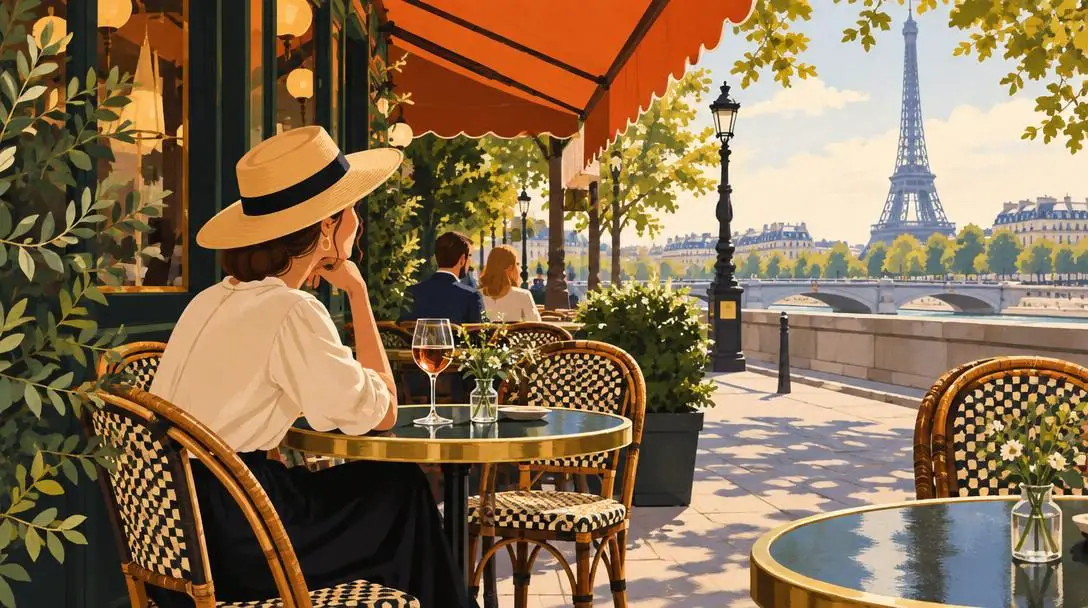
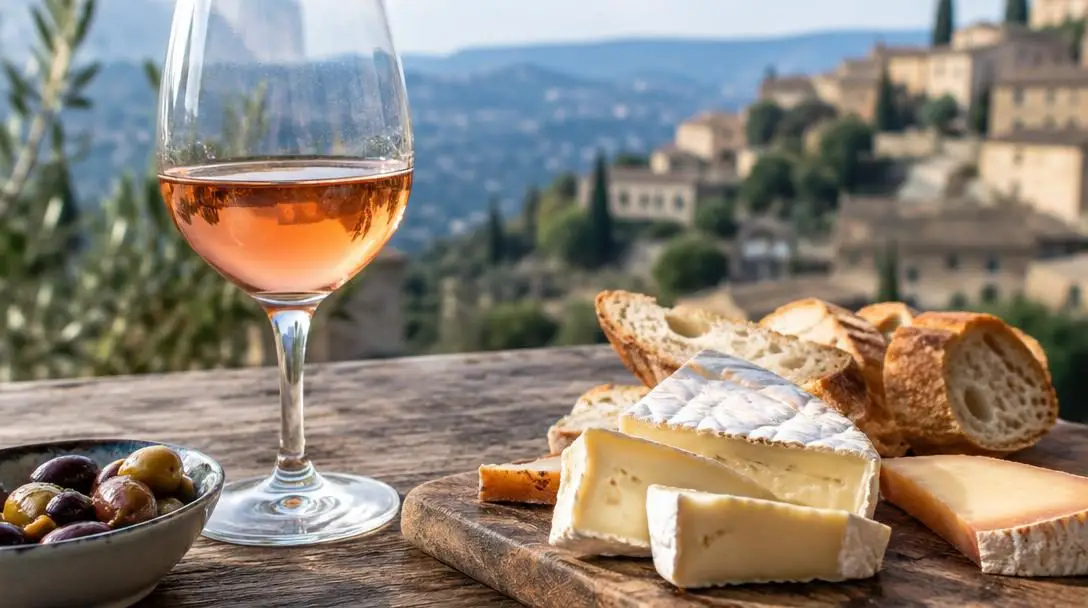
French food is regarded worldwide as an exquisite art form, and in France itself, it is celebrated as a cherished national treasure. The true center of this gastronomic heritage is not found exclusively in Michelin-starred palaces, but across the thousands of open-air sidewalk cafes that line urban boulevards and village squares alike. These cafes represent the beating heart of social life. Taking a seat outdoors, ordering a classic meal, and sipping a glass of regional wine offers an immediate introduction to French hospitality. The pace here is deliberately unhurried: waitstaff do not clear your table to seat new patrons quickly, because dining is understood as a vital pleasure rather than a chore to be completed on a schedule.
Everyday French Language and Etiquette
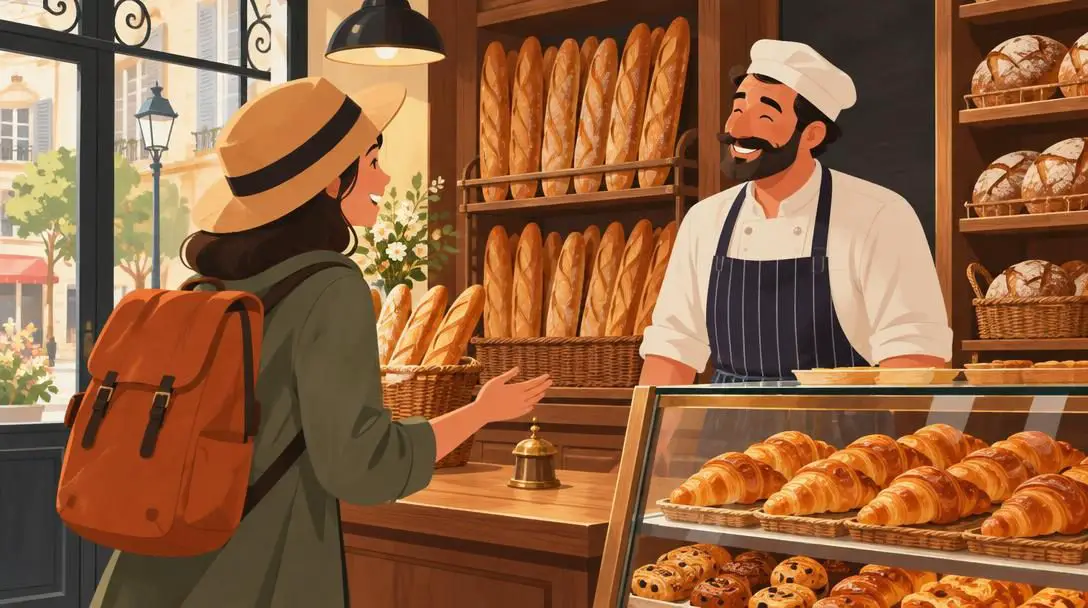
One of the most persistent travel myths is that French locals are dismissive or rude to foreign visitors. In truth, French people are among the kindest and most courteous hosts you will encounter, provided you show basic consideration for their culture. The French hold their language in high esteem, and entering a bakery, boutique, or restaurant without uttering a simple greeting can feel abrupt and offensive to local ears. Making a conscious effort to learn and speak even a few fundamental phrases demonstrates humility and goodwill. That small linguistic gesture instantly dissolves tension, inviting warm smiles, helpful advice, and sincere interactions.
Magnificent Cathedrals and Monuments
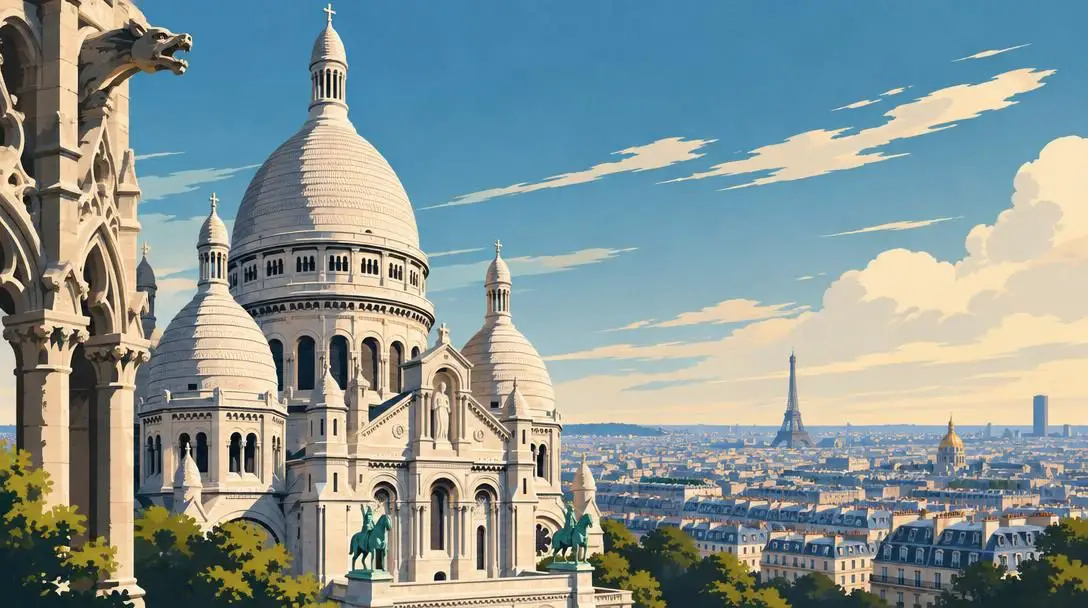
- Key Paris Landmark: Sacre-Coeur Basilica in Montmartre
- Key Regional Marvel: Notre Dame de Strasbourg
- Signature Feature: Panoramic views across Paris from Montmartre
France is home to some of the world's most stunning religious monuments, each reflecting centuries of artistic and architectural brilliance. While Notre Dame in Paris attracts global acclaim, virtually every major French city boasts a cathedral of remarkable scale and beauty. In eastern France, Notre Dame de Strasbourg stands as an astonishing testament to Gothic engineering and stone masonry. Back in the capital, ascending the high hill of Montmartre leads travelers to the pristine white domes of the Sacre-Coeur Basilica. Standing in front of this monument treats you to a breathtaking, panoramic view of Paris stretching toward the horizon, connecting architectural majesty with unforgettable urban vistas.
The Thrill of Parisian Traffic and Taxis
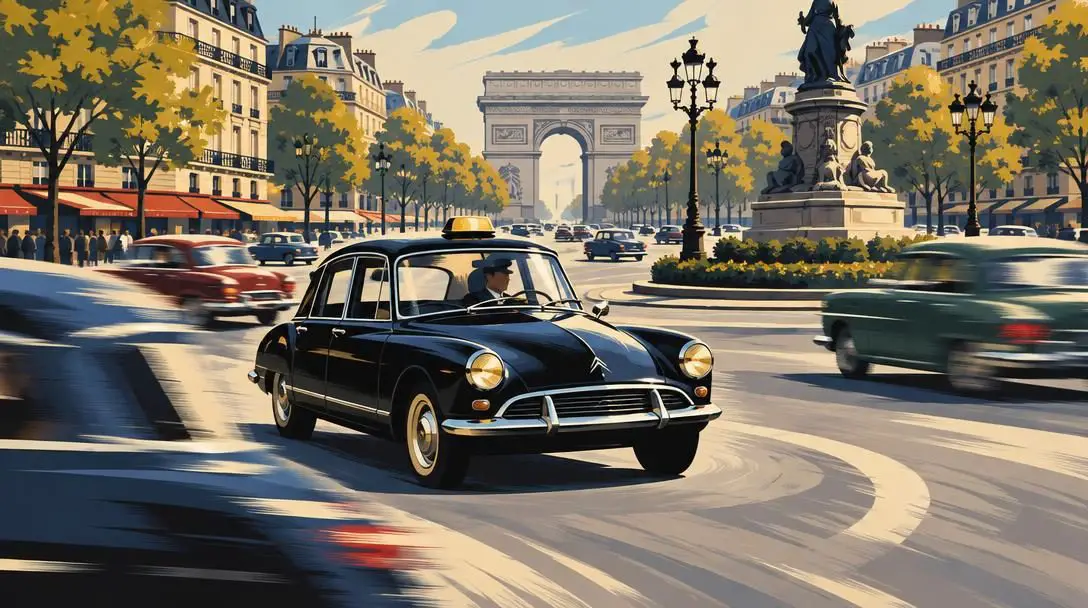
For an entirely different sensory experience, take time to observe the legendary spectacle of Parisian driving. Moving through Paris by road is a masterclass in controlled chaos, rivaled only by the frenetic streetscapes of Rome. Roundabouts and grand boulevards frequently operate under an unspoken system of aggressive negotiation where traffic laws often seem like mild suggestions. Hailing a taxi to cross town offers an adrenaline-filled look at the city, revealing professional drivers whose reflexes and spatial precision easily outmatch New York cab drivers. What begins as a simple commute turns into a memorable adventure through the city's pulse.
The Pristine Trails of the French Alps
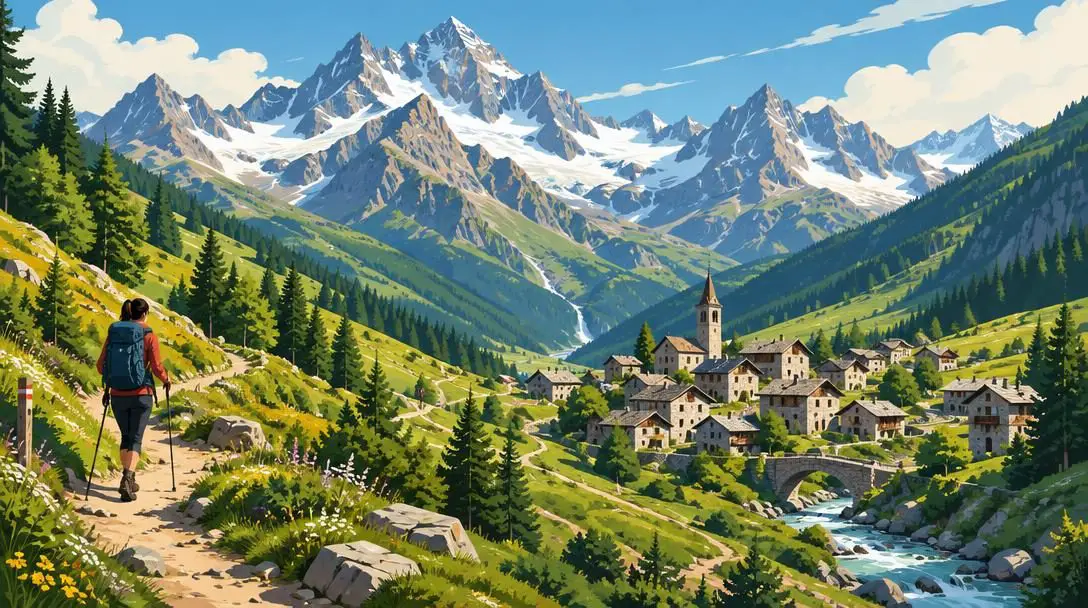
- Geographic Footprint: 35,000 square kilometers
- Natural Highlights: Alpine ridges, serene valleys, untamed trails
- Cultural Element: Authentic mountain villages untouched by commercialization
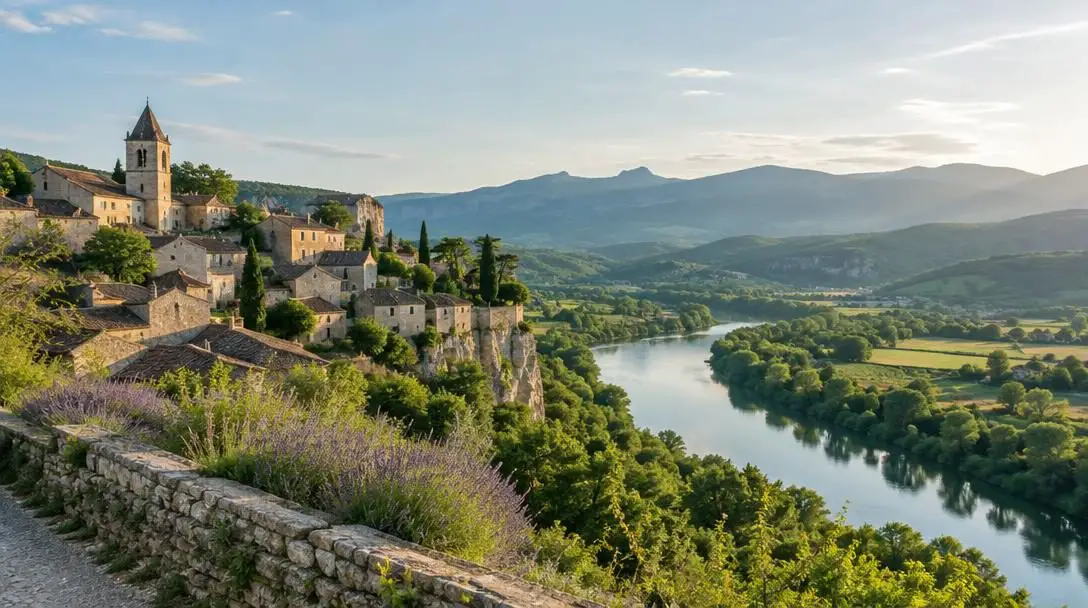
While many travelers automatically think of Switzerland when dreaming of alpine grandeur, France features an enormous expanse of dramatic mountain wilderness. With 35,000 square kilometers of Alpine peaks and valleys, the French Alps deliver world-class outdoor exploration paired with deep-seated rural traditions. Hiking through these mountain trails brings travelers into contact with small, authentic hamlets that remain largely untouched by mass tourism. In these peaceful alpine communities, ancient farming traditions, artisanal cheese making, and serene mountain vistas showcase a side of the country that feels worlds apart from the urban bustle of Paris.
Moving past common tourist traps allows you to discover the warmth, architectural brilliance, and regional richness that define the real France.
Haute Couture and Evening Strolls on the Champs-Élysées
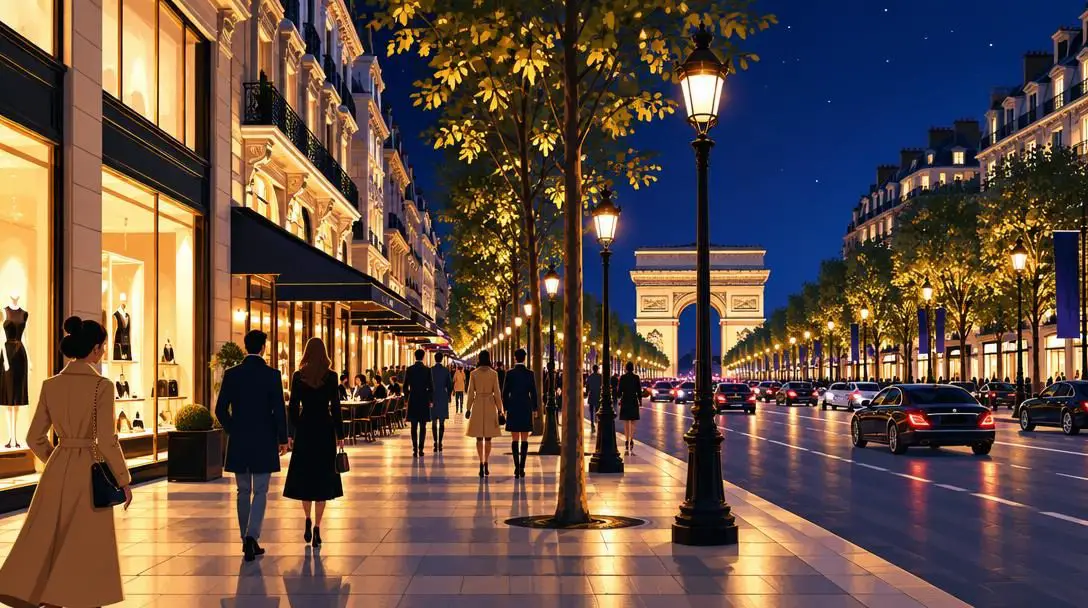
- Location: 8th arrondissement of Paris
- Primary Focus: Haute Couture fashion and design houses
- Atmospheric Peak: Evening strolls under grand illumination
France has shaped global fashion, antique curation, and luxury design for centuries. Strolling along the iconic Champs-Élysées provides an up-close masterclass in this devotion to Haute Couture. Window shopping by day lets you study the meticulous styling and artistic storefront designs of the world's most famous fashion houses. Returning after dusk reveals a different atmosphere altogether, as glowing lanterns and illuminated monuments transform the broad avenue into a glittering promenade that epitomizes Parisian glamour and creative ambition.
How Cultural Immersion Works in French Daily Life
Connecting with French culture requires understanding the underlying values that govern daily social rituals. In France, everyday life is structured around three core pillars: leisure, linguistic pride, and regional identity. Recognizing how these values shape local expectations will help you avoid cultural friction and experience the country through the eyes of its residents.
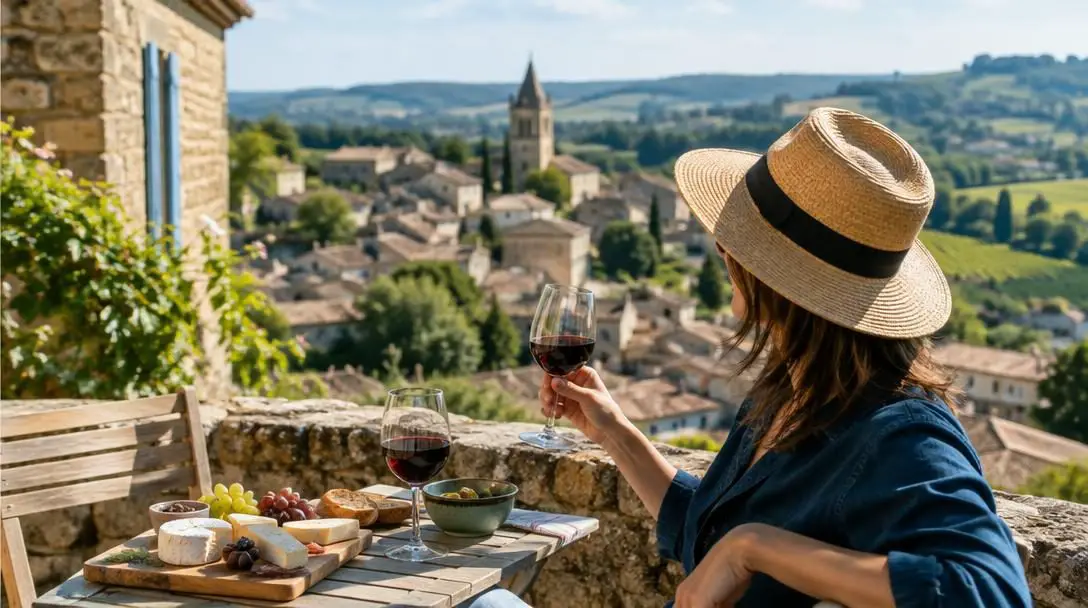
The first pillar centers on the sanctity of mealtime. In many fast-paced cultures, dining is treated as a logistical necessity to fit between obligations. In France, eating is an intentional social ritual. When customers sit at an outdoor terrace or order dinner at a neighborhood bistro, they are engaging in a shared cultural pastime. Waiters view lingering as a sign of appreciation rather than an inconvenience. By allowing lunch or dinner to unfold slowly over multiple courses and wine, you align yourself with the authentic cadence of local living.
The second pillar involves conversational decorum. French society places great importance on polite boundaries and personal acknowledgement. A customer who approaches a counter and immediately demands goods without a polite greeting risks being perceived as rude. Simply opening every interaction with a pleasant French greeting acknowledges the dignity of the person assisting you. Once this mutual respect is established, local hospitality opens up effortlessly.
The third pillar is intense regional pride. France is not a monoculture defined solely by the borders of Paris. From the Germanic influences visible in the architecture of Strasbourg to the rustic mountain traditions of the Alps, each territory guards its distinct heritage fiercely. Travelers who show interest in regional culinary specialties, local landmarks, and provincial history will find that residents take immense pleasure in sharing their traditions.
Practical Steps for Traveling Like a Local
- Learn conversational fundamentals: Memorize everyday greetings and courtesy phrases prior to departure, deploying them consistently whenever stepping into shops, boarding transportation, or ordering food.
- Embrace sidewalk cafe life: Seek out lively terraces, take a seat outdoors, and order regional wine and classic fare without checking the clock or rushing through courses.
- Expand your architectural itinerary: Travel beyond the French capital to inspect provincial masterworks like Notre Dame de Strasbourg, and climb the heights of Montmartre to Sacre-Coeur Basilica for panoramic vistas.
- Experience city transit directly: Dedicate an afternoon to observing the dynamic movement of Parisian intersections, and take a local taxi ride across the city to experience French urban navigation firsthand.
- Trek across the French Alps: Dedicate time to exploring the 35,000 square kilometers of alpine scenery, trekking into small, authentic villages that preserve pastoral lifestyles.
- Promenade along the Champs-Élysées: Admire the creative displays of Haute Couture fashion houses during the day, then return at night to see the grand avenue illuminated.
- Support traditional local food purveyors: Skip international fast-food chains entirely, spending your dining budget at independent neighborhood bistros, bakeries, and farmers markets.
Common Mistakes to Avoid
- Assuming locals are naturally unfriendly: Failing to greet merchants and service staff in French often sparks chilly responses that travelers mistakenly attribute to inherent rudeness.
- Rushing dining experiences: Expecting rapid-fire restaurant service or demanding checks prematurely disregards the leisurely, deliberate nature of French gastronomy.
- Restricting architectural sightseeing to Paris: Overlooking regional structures such as Notre Dame de Strasbourg deprives you of some of Europe's greatest Gothic achievements.
- Viewing Switzerland as the sole alpine destination: Neglecting the 35,000 square kilometers of natural terrain in the French Alps limits your appreciation of France's outdoor geography.
- Relying on international fast-food chains: Settling for convenient brands like McDonald's causes travelers to miss out on the incredible artisanal foods that make French cuisine a national treasure.
- Skipping evening strolls along grand boulevards: Seeing famous avenues like the Champs-Élysées only under daylight cuts short your experience of French city life after dark.
- Confining your trip exclusively to tourist centers: Sticking strictly to overcrowded tourist corridors prevents you from discovering quiet neighborhoods and authentic alpine hamlets.
Frequently asked questions
Is it true that French people dislike speaking to foreign travelers?
No. The stereotype of the rude local usually arises when visitors fail to observe basic conversational etiquette. When you begin interactions with courteous French greetings, locals are exceptionally welcoming and generous with their time.
Why do meals take so much longer at French cafes and bistros?
In France, dining is viewed as a leisurely social experience and an appreciation of national culinary craftsmanship. Waitstaff consider it unprofessional to rush patrons, meaning your table remains yours for the duration of your stay.
What makes the French Alps worth visiting over other mountain regions?
Covering 35,000 square kilometers, the French Alps offer vast trails and dramatic peaks alongside quiet, authentic villages that maintain traditional rural customs and have escaped heavy commercial development.
Are taxis in Paris safe given the aggressive traffic?
Yes. While Parisian traffic looks chaotic and fast-paced compared to many cities, local taxi drivers possess remarkable technical skills that outmatch drivers in other major hubs like New York, making cab rides thrilling yet reliable.
Why should I visit regional cathedrals like Notre Dame de Strasbourg?
Regional cathedrals showcase distinct architectural traditions and profound historical craftsmanship, proving that France's greatest artistic and cultural achievements are spread throughout the country rather than confined to Paris.
The bottom line
Discovering the authentic spirit of France requires shifting your perspective from that of a passive sightseer to an active, thoughtful participant. The country rewards those who slow down: travelers who linger at sidewalk cafes, practice basic linguistic courtesy, marvel at soaring cathedrals like Strasbourg and Sacre-Coeur, and explore the wild majesty of the French Alps. By abandoning commercial shortcuts and opening yourself up to traditional customs, you will bypass common travel frustrations and experience the profound warmth, architectural beauty, and regional pride that make France truly extraordinary.