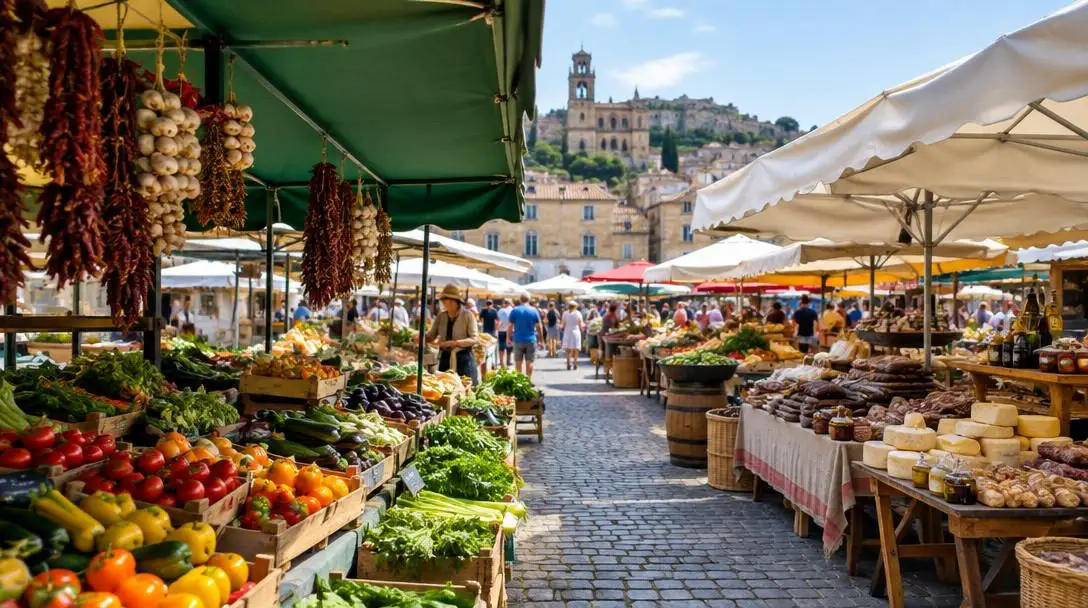
The Insider’s Guide: 5 Ways to Get to Know the Real Italy
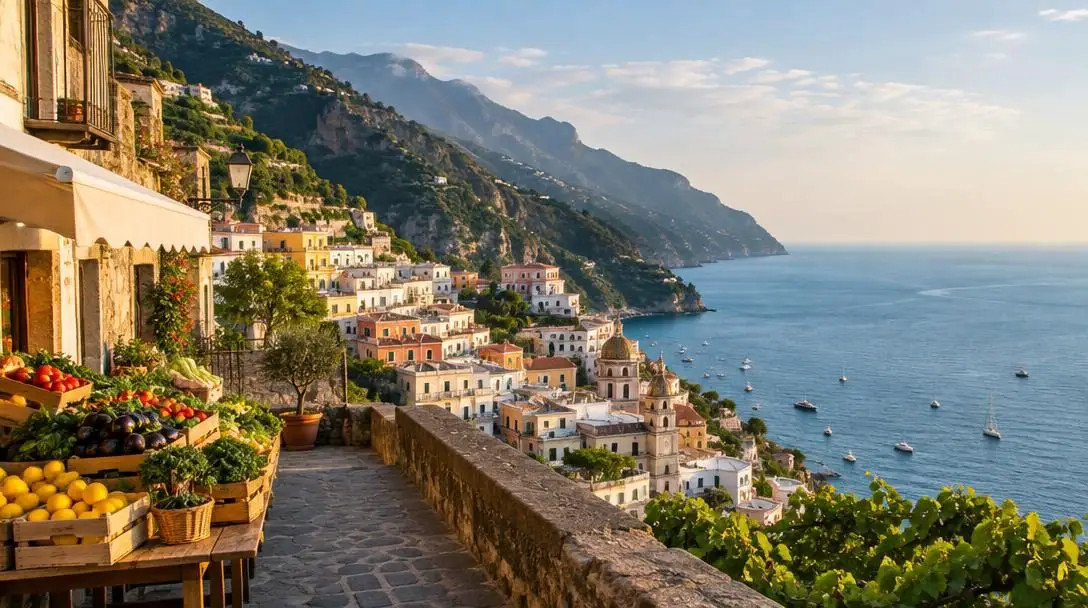
Every year, millions of international travelers head to the famous boot-shaped peninsula with nearly identical checklists in hand. Traditional guidebooks leave little ambiguity about how to spend time in tourist Italy: visit the ancient Colosseum in Rome, ride a classic gondola along the waterways of Venice, and eat a slice of authentic pizza in Naples. While these world-renowned sights possess unmistakable historic significance, they frequently present a polished, crowded veneer designed almost exclusively for visitors from abroad. Experiencing the country at its best requires looking beyond the obvious landmarks and seeking out the everyday culture that defines modern life across the nation.
Moving from a tourist mindset to an insider perspective means shifting focus from merely checking boxes to understanding the cadence of day-to-day existence. If you truly want to connect with the country, stepping off the beaten track allows you to engage directly with the people, customs, and regional flavors that make Italian communities thrive.
Key takeaways
- Walking just two or three blocks away from major monuments reveals authentic, family-run cafes and affordable local eateries.
- Slowing down your itinerary and staying in a single neighborhood builds genuine relationships with local residents and shopkeepers.
- High-speed passenger trains like La Frecce offer an efficient, comfortable window into everyday Italian transit routines.
- Learning essential vocabulary such as buon giorno signals respect and unlocks deeper cultural connections with native speakers.
- High-quality artisanal gelato displays subdued, natural colors and highlights regional recipe traditions like Florentine pinolata or Pugliese gelso.
The Pitfalls of the Tourist Bubble
The famous sites of Italy are crowded for a very simple reason: that is precisely where the masses of visitors are funneled day after day. When travelers gather in massive clusters around central landmarks like the Colosseum or the major canals of Venice, commercial corridors immediately pop up to take advantage of the foot traffic. Visitors descend on the nearby gift shops and restaurants situated right next to these attractions, often paying outrageous prices for cheap trinkets and grub that no self-respecting Italian would ever touch.
This dynamic creates an artificial environment where visitors interact only with hospitality staff and fellow travelers rather than experiencing local society. In iconic public spaces, the financial contrast can be stark. For example, a single cup of espresso can easily cost 15 euros when ordered on St. Mark’s Square in Venice, where visitors pay a steep markup for the immediate setting. In contrast, the exact same beverage tastes so much better at a modest 1.50 euros in some no-name cafe located just a short walk away. Beyond saving money, stopping at that neighborhood counter allows you to drink your coffee standing up like a real Venetian, joining an authentic ritual repeated millions of times each morning across the country.
Five Strategic Shifts to Experience Everyday Italy
Engaging with the real Italy does not require complex preparation, massive budgets, or exclusive access. It requires subtle behavioral shifts that encourage natural interactions with everyday environments and regional customs. Adopting these five strategies will help you break through the tourist facade.
1. Take a Side Street
The first strategy is deceptively simple: take a side street. Wandering away from major squares and primary tourist corridors leads directly to the spaces where everyday citizens live, shop, and socialize. Away from the main avenues, you discover the places that the locals visit, where the food is cheaper, the service is personal, and the surroundings are authentic. It is down these quiet alleys that family-run businesses continue uninterrupted, providing a clear window into regional life. You can watch artisans practicing their crafts, discover bakeries producing fresh regional bread, and escape the sensory overload of tourist-clogged corridors.
2. Go Slow
A common trap for international travelers is trying to pack the entire country into an impossibly tight schedule. When rushing through an intense itinerary, a visitor might wonder: if it is Monday, must it be Milan? Or maybe it is Matera? It is difficult to really know what you are experiencing if you are hell-bent on seeing the entire country in seven days. If your journey consists primarily of running from site to site just to capture photo opportunities to post on Instagram, it becomes nearly impossible to tell the difference among locations.
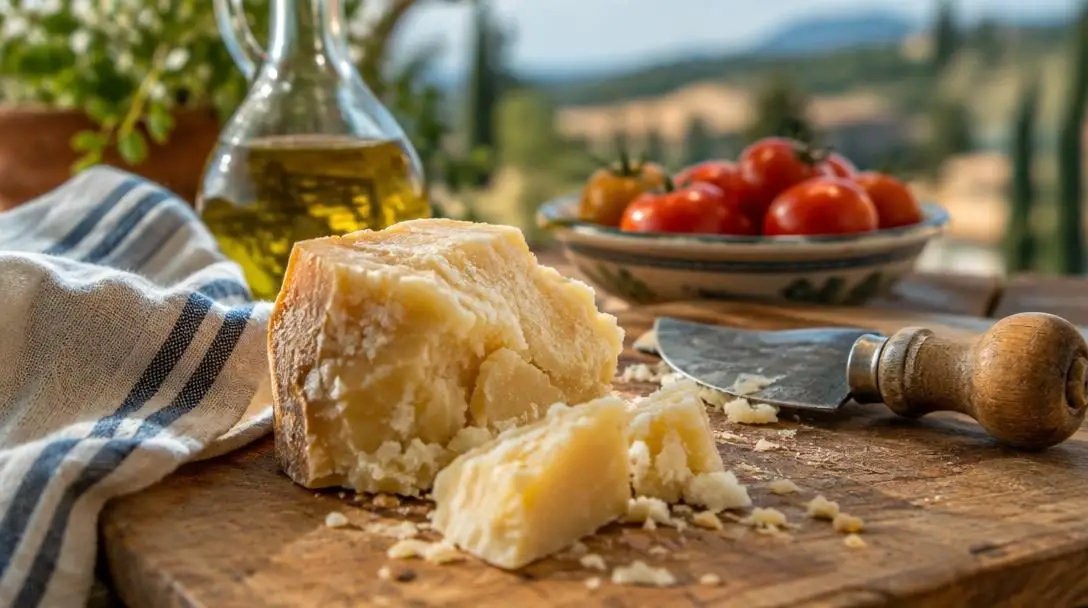
Slowing down and focusing attention on one location allows you to notice subtle details and experience the true cadence of daily life.
It is far better to slow down and focus your attention on one location. When you settle in, you start noticing the details and get a better feel of what real life is like for the locals who live there. Over time, neighborhood shopkeepers and neighbors may even call you by name and invite you in for some wine once they see that you are a constant, respectful presence in their community.
3. Get on a Train
When Italians need to travel from Rome to Milan, they do not bother with flights or congested highways; they get on a train. Taking the train is comfortable, inexpensive, and fast. By traveling on the rails, you ride alongside the natives going about their daily business, observing regional routines while watching the beautiful countryside pass by outside the window.
Modern infrastructure makes this remarkably efficient: on the high-speed La Frecce, the journey between Rome and Milan takes under three hours, delivering you directly into the center of the next city. Rail travel eliminates airport security hassles, baggage claim delays, and long transfers from remote airfields, leaving you fresh and ready to explore upon arrival.
4. Learn the Language
Italian is lovely to say and even more beautiful to sing, and it is the unifying voice of the boot-shaped peninsula. Making the effort to understand the tongue and local dialect offers rich insights into how the people of Italy think, feel, and see the world. When you converse in Italian, it demonstrates directly to the person you are speaking with that you truly care about their culture and their country.
Preparation is easy because there is no shortage of ways to learn, including online courses, smartphone apps, desktop programs, and live language classes. You do not need to achieve fluency before your flight departs. Ultimately, an authentic Italian adventure begins not when you set foot in the country, but the moment you learn how to say buon giorno.
5. Eat Gelato with Discernment
Gelato fills the stomach when you are hungry and cools the body when it is hot outside. However, this classic Italian version of ice cream is not a generic, uniform dessert; it differs significantly by area. In Florence, the traditional recipe mix calls for more eggs, yielding a rich base. In Southern Italy, recipes lean on more sugar. Flavor choices also vary distinctly across the map: you can try pinolata, made with pine nuts, in Florence; sample torrone, featuring nougat candy made with honey and nuts, along the Amalfi Coast; or taste gelso, highlighting local mulberry, in Puglia.
Selecting authentic gelato requires careful observation. For the best and most authentic flavors, look for shops that advertise their gelato as house-made, marked with the phrase fatto in casa. Pay close attention to the display counters and seek out subdued colors. Artificially bright mounds often indicate artificial additives and thickeners. Genuine fruit varieties reflect the real ingredients used to prepare them: varieties made from true bananas, for example, are always gray and never bright yellow.
Regional Flavors and Recipes: Gelato at a Glance
Understanding regional variations helps you appreciate how Italian culinary traditions reflect local agriculture and historical recipe developments across diverse provinces.
| Region or Destination | Traditional Base Style | Signature Regional Flavor | Key Ingredient Profile |
|---|---|---|---|
| Florence | Rich base prepared with extra egg yolks | Pinolata | Local pine nuts folded into sweet cream |
| Southern Italy (General) | Lighter, sweeter base featuring higher sugar content | Varies by coastal town | Sun-ripened citrus, stone fruits, and sweetened cream |
| Amalfi Coast | Balanced sweet cream base | Torrone | Chewy nougat pieces crafted with honey and mixed nuts |
| Puglia | Fruit-forward seasonal base | Gelso | Hand-harvested dark mulberries native to the region |
Step-by-Step Guide to Immersive Italian Travel
Implementing these immersive travel habits can be done gradually throughout your trip. The following steps provide practical ways to integrate these strategies into daily exploration.
- Commit to spending at least a few days based in a single neighborhood, city, or village rather than changing hotels every night, allowing you to settle into a natural local rhythm.
- Begin your mornings by walking into a neighborhood bar away from central plazas, ordering an espresso at the counter, and observing the regulars starting their day.
- Prioritize passenger rail travel by booking tickets on La Frecce for intercity connections between metropolitan centers like Rome and Milan, enjoying the comfort and countryside views along the way.
- Set aside dedicated study time prior to your trip to practice essential conversational phrases, greetings such as buon giorno, and polite vocabulary using apps or classes.
- When exploring dining options, walk two or three blocks off the primary tourist avenues and search for small eateries catering to resident workers and families.
- Inspect gelaterias carefully before ordering, verifying that they offer house-made products described as fatto in casa, and double-check that the fruit flavors display subdued, natural hues like gray banana rather than neon yellow.
Mistakes That Distance You From Local Culture
Breaking away from the standard tourist approach takes awareness, as many common travel habits can unintentionally isolate you from genuine local culture. Be mindful of these frequent errors when planning your time:
- Overloading the calendar: Trying to visit Milan, Matera, and several other regions in a seven-day window, resulting in transit fatigue rather than meaningful cultural connection.
- Chasing social media photos: Focusing excessively on staged Instagram shots, which distracts from noticing subtle environmental details and spontaneous personal interactions.
- Patronizing monument-adjacent businesses: Sitting down at cafes and souvenir stands situated directly in front of major sights like St. Mark’s Square or the Colosseum, where prices are inflated and quality is routinely compromised.
- Relying exclusively on English: Making no attempt to use basic Italian greetings, missing an immediate opportunity to show respect for the country and its citizens.
- Assuming all gelato is identical: Ignoring regional recipe distinctions such as egg-heavy mixes in Florence, sweeter Southern varieties, or specialty ingredients like pinolata, torrone, and gelso.
- Choosing gelato by color vibrancy: Buying brightly colored mounds under the mistaken impression that vivid neon shades represent freshness, rather than recognizing that true artisan flavors display natural, subdued tones.
Frequently asked questions
Why is coffee so expensive in places like St. Mark’s Square?
Cafes located on iconic public squares charge steep premiums for their outdoor tables and immediate monument views. A cup of espresso on St. Mark’s Square can reach 15 euros, whereas stepping away to a neighborhood bar allows you to stand at the counter and pay around 1.50 euros for the exact same beverage.
How fast does the train travel between Rome and Milan?
Using the high-speed La Frecce train service, the journey between Rome and Milan takes under three hours. The route connects city center to city center, bypassing airport transit hassles and highway traffic.
What should I look for to identify authentic gelato?
Look for signs reading fatto in casa (house-made) and inspect the color of fruit flavors. Authentic gelato uses natural ingredients resulting in muted tones, such as banana gelato that appears soft gray rather than artificial neon yellow.
What regional gelato flavors should I look for in Florence, Amalfi, and Puglia?
In Florence, try pinolata made with local pine nuts and an egg-rich base. Along the Amalfi Coast, look for torrone, which features honey-and-nut nougat candy. In Puglia, seek out gelso, an artisan flavor made with regional mulberries.
Why is it better to visit fewer cities on an Italian vacation?
Rushing through multiple cities like Milan and Matera in a single week leaves little time to observe daily life. Settle into one location so neighborhood shopkeepers recognize you, allowing you to experience the natural rhythm of the community.
The bottom line
Getting to know the real Italy does not require abandoning famous destinations altogether, but it does demand a change in how you navigate them. By swapping crowded tourist plazas for quiet residential side streets, choosing high-speed trains over rushed flights, learning basic greetings in Italian, and savoring authentic regional food, you transition from a passive spectator into an engaged guest. Embracing a slower pace transforms your trip from a superficial checklist into a memorable, culturally rich journey.