The Insider’s Guide: 5 Ways to Get to Know the Real South Africa
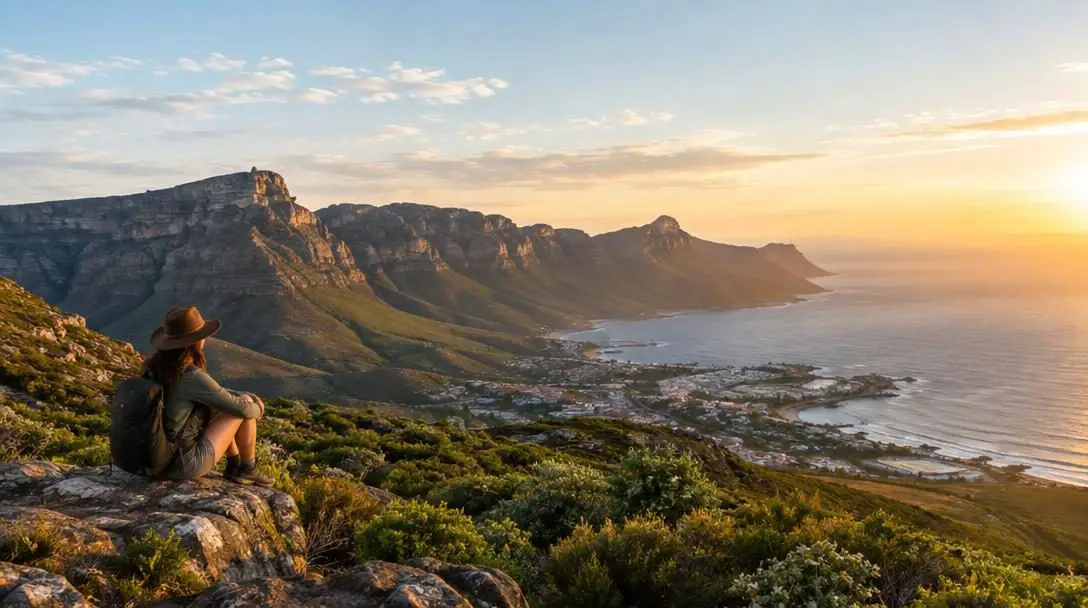
South Africa is a destination defined by stark contrasts and immense geographic diversity, offering an extraordinary breadth of encounters for travelers willing to look beyond standard sightseeing checklists. From sweeping interior bushveld and rugged semi-desert plains to dramatic coastlines where oceans collide, the country invites exploration across multiple terrains, ecosystems, and cultural histories.
To truly grasp the authentic character of the nation, travelers must move across varied transit styles—road tripping along mist-shrouded coastal bluffs, tracking wildlife through protected wilderness areas, riding heritage rail lines across trans-continental routes, and savoring centuries of viticultural craft. Embracing these distinct journeys reveals the vibrant heart and natural heritage that make South Africa globally renowned.
Key takeaways
- Exploring South Africa effectively requires embracing multiple travel modes, from self-drive coastal tours to historic luxury rail.
- Kruger National Park offers versatile wilderness lodging that ranges from rustic canvas tents and treehouses to high-end safari lodges.
- South Africa's winemaking tradition in Paarl and Stellenbosch dates back to the 17th century and features distinctive Cape Dutch architecture.
- The iconic Blue Train connects Pretoria and Cape Town across an expansive 994-mile journey featuring fine dining and heritage stops.
- Water-based excursions present unique views of marine wildlife, including coastal penguins, offshore whales, and river-dwelling hippos and crocodiles.
Five authentic ways to explore South Africa
South Africa rewards travelers who match their itinerary to the unique cadence of its diverse landscapes. Rather than rushing through broad regions, focusing on these five foundational experiences allows you to connect deeply with the nation's natural beauty, local heritage, and world-class hospitality.
| Experience | Primary Region | Transit Style | Signature Feature |
|---|---|---|---|
| The Garden Route | Western Cape | Independent self-drive | 124 miles of coastal lakes, beaches, and protected forests |
| Kruger National Park Safari | Northeastern wilderness | Guided game-drive vehicle | Diverse native wildlife tracking and varied bush accommodations |
| The Blue Train | Pretoria to Cape Town | Luxury passenger rail | 994-mile trans-country route with fine dining and off-train excursions |
| Western Cape Wine Region | Paarl and Stellenbosch | Chauffeured cellar tour | 17th-century winemaking traditions and Cape Dutch architecture |
| Coastal & Waterway Expeditions | Cape Peninsula and coastal rivers | Chartered marine vessels | Whale watching, diving sunken shipwrecks, and penguin encounters |
The Garden Route
- Distance: Approximately 124 miles
- Geographic span: Mossel Bay to Storms River
- Key park: Garden Route National Park
- Primary terrain: Coastal lakes, beaches, and indigenous reserves
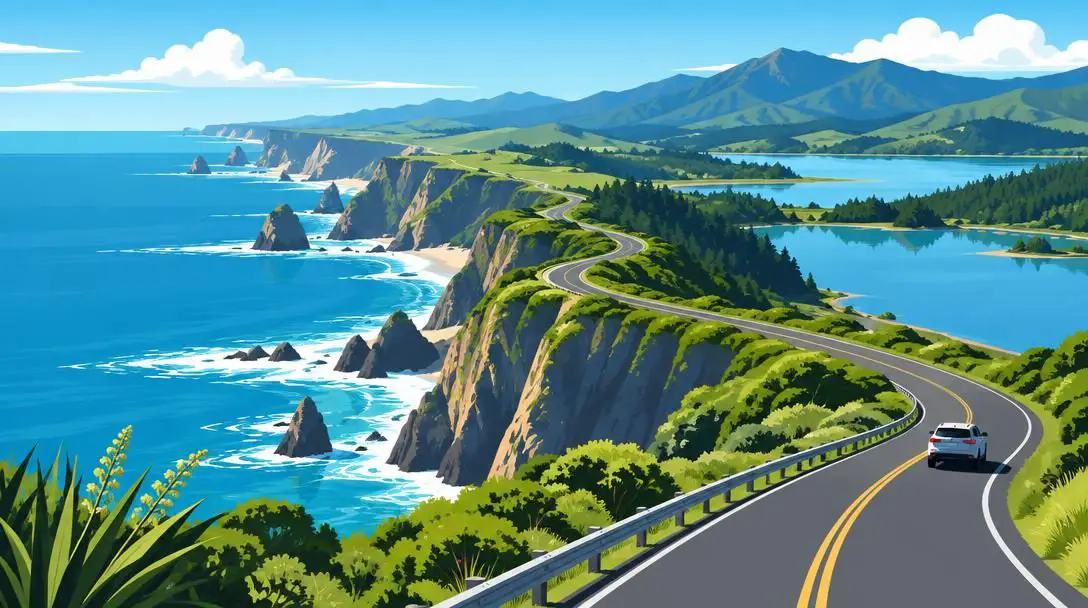
The Garden Route represents one of the world's most scenic coastal driving corridors, threading along the Western Cape between the coastal hubs of Mossel Bay and Storms River. Covering approximately 124 miles, this manageable stretch of roadway is renowned for its sheer versatility and natural beauty, inviting travelers to rent a car and navigate its treasures at an unhurried pace.
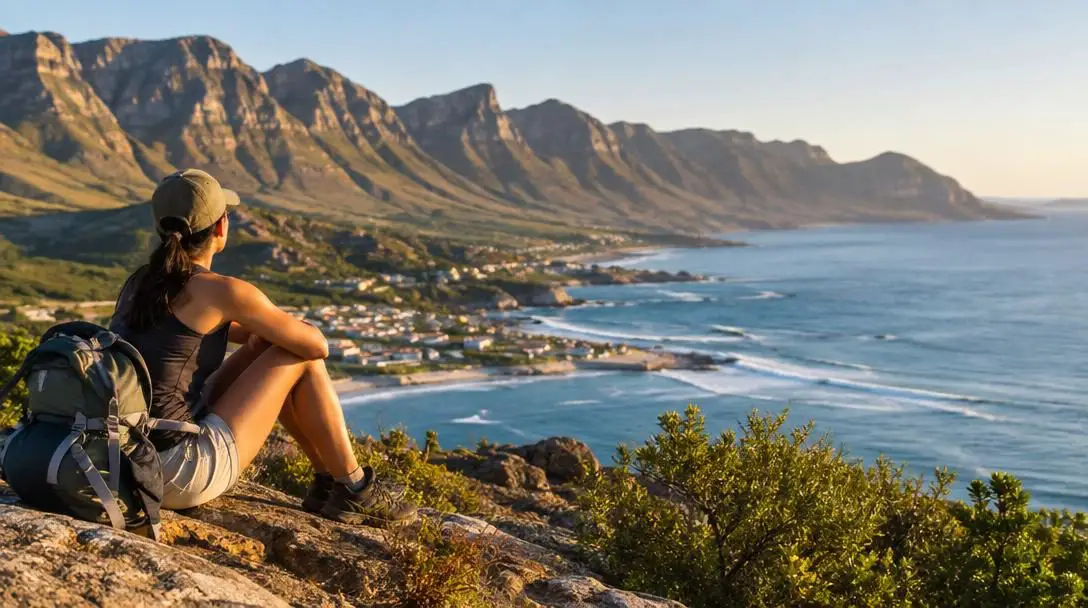
Along the route, travelers can transition from wide sandy beaches to quiet inland lakes within minutes. You can paddle across tranquil waterways, hike through old-growth forests, and explore the sprawling coastal ecosystems safeguarded within the Garden Route National Park. The ability to pull off the road and explore quiet coves, dramatic river gorges, and coastal nature reserves makes this journey an indispensable self-drive adventure.
Kruger National Park Safari
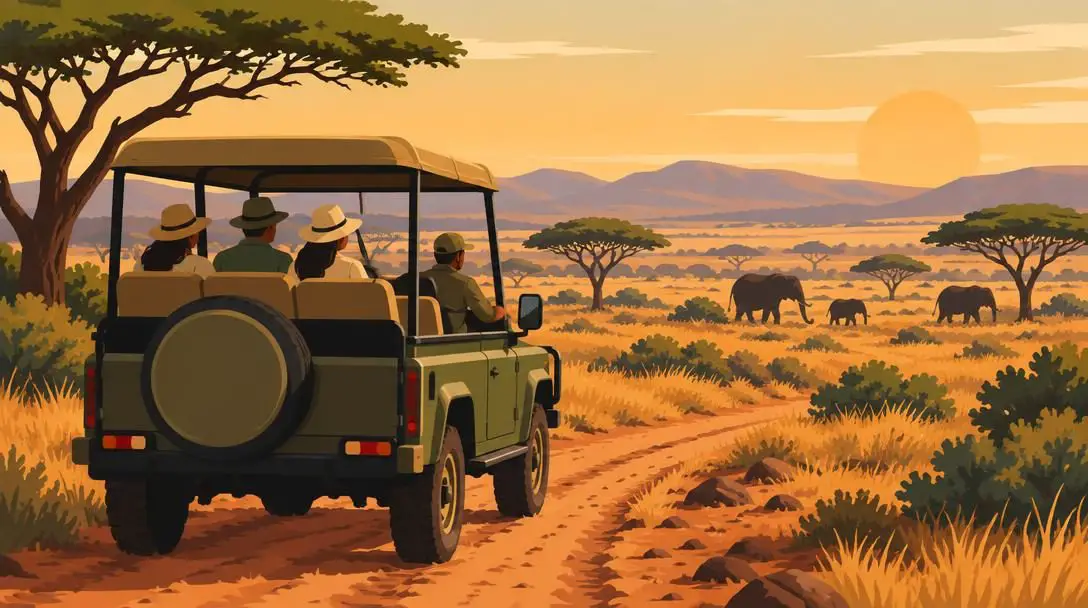
- Primary focus: Guided wildlife safaris
- Landscape: Interior bushveld and wilderness
- Lodging styles: Canvas tents, treehouses, and luxury lodges
A guided safari in Kruger National Park provides an unparalleled window into South Africa's diverse wildlife populations. Kruger's expansive interior wilderness serves as a haven for countless indigenous species, supported by complex ecosystems that require deep local knowledge to interpret. Taking part in professional guided tours ensures that visitors navigate the bush safely while gaining an educational understanding of animal behavior, tracking techniques, and conservation methods.
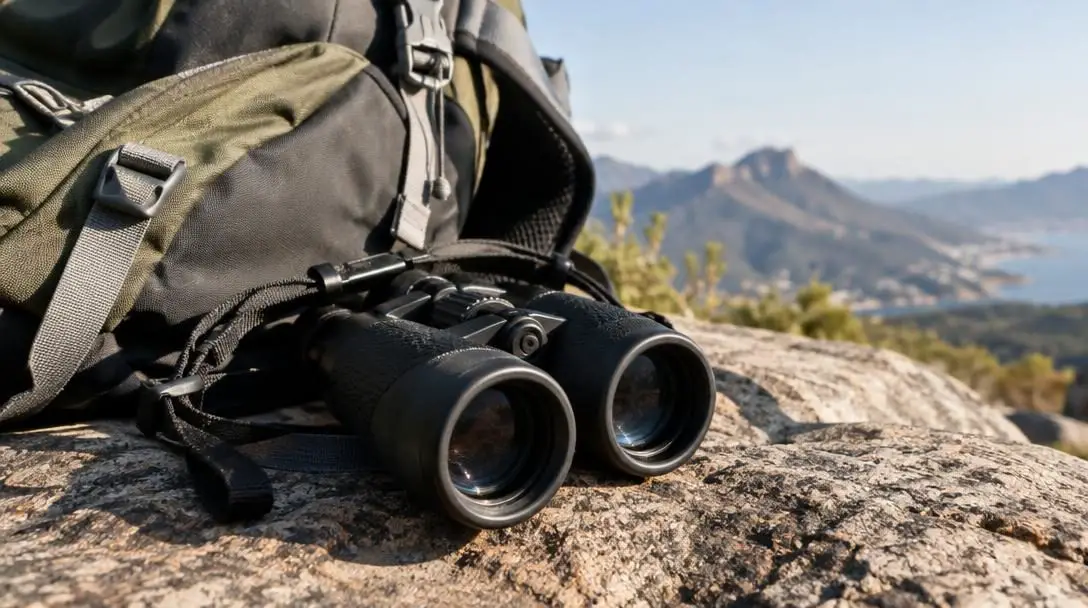
Kruger is equally notable for the wide variety of overnight accommodations nestled directly within the park environment. Travelers looking for close-to-nature simplicity can choose rustic canvas tents, while those seeking an elevated vantage point can sleep in treehouse outposts under the stars. For guests wanting exceptional pampering, world-class luxury safari lodges offer complete comfort right along active game trails.
The Blue Train
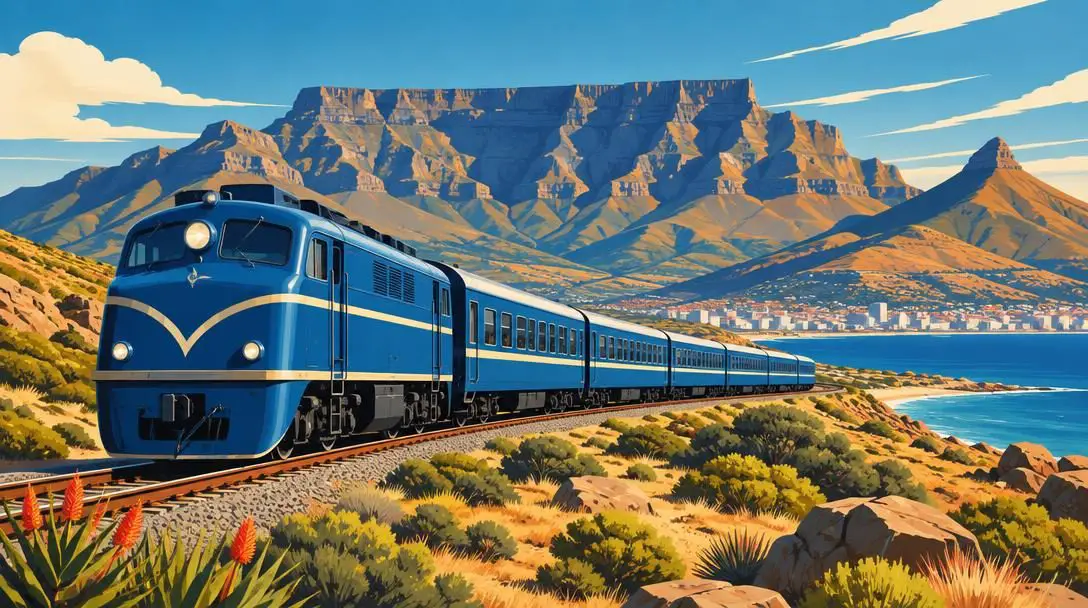
- Distance: Approximately 994 miles
- Terminal stations: Pretoria and Cape Town
- Scenic highlights: Table Mountain, Cape Winelands, and semi-deserts
- Onboard features: World-class dining and curated heritage excursions
Standing as an enduring emblem of luxury travel, The Blue Train elevates long-distance rail travel into an unforgettable personal indulgence. Operating along an iconic 994-mile route between Pretoria and Cape Town, this legendary locomotive turns transit across the nation's interior into a moving, five-star hotel experience.
From the comfort of private suites, passengers witness an ever-evolving South African panorama. The journey passes sweeping agricultural farmlands, cuts across stark semi-desert landscapes, and descends past the dramatic, majestic silhouettes of the Cape Winelands and Table Mountain. With formal fine dining, premier local wines, attentive personal service, and structured off-train heritage stops, the voyage captures the golden age of passenger rail.
The Blue Train turns a 994-mile trans-continental transit into an indulgent journey through the country's most dramatic interior landscapes.
Touring the Western Cape Wine Region
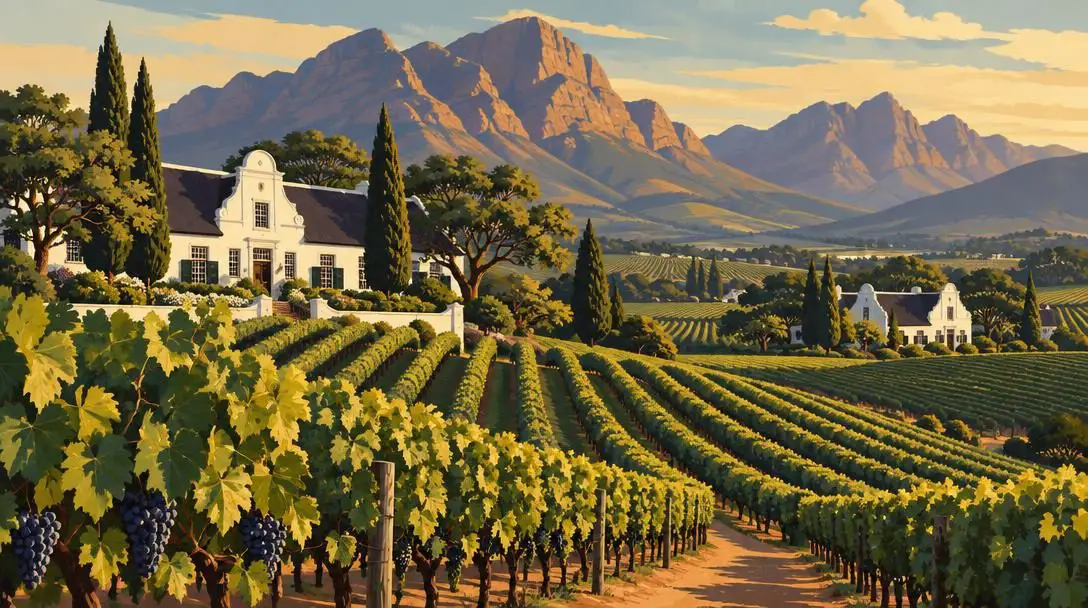
- Heritage era: 17th-century origins
- Primary centers: Paarl and Stellenbosch
- Signature elements: Ancient soils, maritime climate, and Cape Dutch architecture
South Africa boasts a rich and storied viticultural tradition that began in the 17th century when early European settlers recognized the extraordinary agricultural potential of the Western Cape. Concentrated around the historic towns of Paarl and Stellenbosch, the nation's premier wine estates thrive on a combination of ancient soils and cool maritime breezes that create microclimates ideal for exceptional winemaking.
Booking an exclusive guided cellar tour allows travelers to sample exceptional regional vintages while discovering the intricate heritage behind every bottle. Beyond the wine tastings, these sprawling estates showcase striking whitewashed Cape Dutch architecture, historic manor houses, and tranquil vineyard valleys, demonstrating how classical methods and modern viticultural techniques seamlessly intersect.
Coastal and Waterway Expeditions
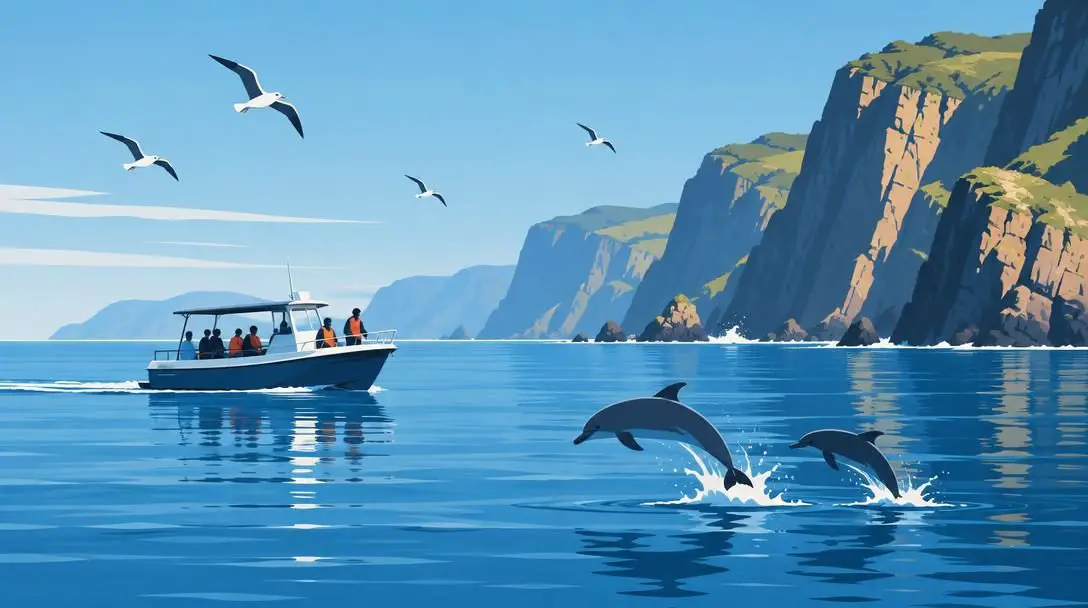
- Departure hubs: Cape Town harbor, coastal rivers, and marine bays
- Wildlife encounters: Whales, dolphins, penguins, hippos, and crocodiles
- Specialty sport: Scuba diving on shipwrecks and inland caves
South Africa's expansive shoreline and inland river systems provide some of the most dynamic perspectives on the country's untamed natural environments. Water-based outings range from relaxed leisure cruises to adrenaline-pumping marine expeditions, accommodating travelers of all comfort levels.
In Cape Town, visitors can board an evening sunset Champagne cruise to admire the iconic skyline and coastline from the water. Wildlife enthusiasts can embark on dedicated ocean voyages to spot dolphins and migrating whales, or travel to Penguin Island to watch charming colonies of penguins along the rocky shores. Further along coastal rivers, specialized riverboat excursions bring passengers within sight of native hippos and crocodiles. For underwater explorers, South Africa's coasts rank among the world's finest scuba destinations, offering access to historic sunken shipwrecks, submerged cavern systems, and thriving reef habitats.
Historical heritage and regional context
To fully appreciate these diverse destinations, travelers should understand the environmental and historical context that shaped them over the centuries:
- Centuries of viticulture: Viticulture in the Western Cape dates back to the 1600s. Early settlers utilized the Mediterranean-style climate and fertile valley soils of Paarl and Stellenbosch to establish an industry that remains a cornerstone of the nation's cultural and culinary identity.
- Historic railway development: The trans-country rail line connecting Pretoria to Cape Town was constructed as an essential transport backbone for industrial and commercial growth. The Blue Train eventually turned this functional overland passage into a globally recognized luxury passenger route.
- Pioneering conservation management: Kruger National Park was established as a protected wildlife sanctuary, dedicated to safeguarding the intricate balance of the southern African bushveld. Its establishment created a sustainable refuge where vulnerable species thrive under dedicated stewardship.
- Maritime trade and coastal lore: South Africa’s treacherous, storm-swept coastal waters served as a critical trade passage for centuries. The meeting of ocean currents generated hazardous shipping conditions that left a legacy of submerged shipwrecks, while carving out intricate sea caves and nutrient-rich habitats for marine mammals.
Step-by-step planning guide for travelers
Executing an itinerary that balances wildlife, luxury transit, coastal drives, and culinary tours requires structured advance preparation. Follow these practical steps to design a seamless trip across South Africa:
- Map your geographic trajectory: Determine the logical sequence of your destinations to avoid backtracking. For instance, you might schedule a luxury journey aboard The Blue Train from Pretoria to Cape Town, spend several days exploring the Western Cape winelands, and then begin an eastward road trip along the Garden Route.
- Reserve unique accommodations well in advance: Specialty wilderness lodging—including Kruger National Park's elevated treehouses, canvas tent camps, and private luxury safari lodges—books out months ahead of time, as do the private cabins aboard The Blue Train.
- Book specialized tours and charters early: Secure reservations for chauffeured winery excursions in Stellenbosch and Paarl, sunset Champagne cruises departing Cape Town, and guided scuba diving expeditions before arriving in the country.
- Gather necessary travel and driving clearances: Ensure you hold an authorized international or local driving permit to rent a vehicle for the Garden Route, and bring official dive certification cards and medical documentation if you plan to dive historic shipwrecks and sea caves.
- Pack tailored gear for multiple microclimates: Bring warm, neutral-colored layers for brisk early morning game drives in Kruger, durable walking shoes for rocky coastal trails along the Garden Route, elegant evening wear required for dinner service on The Blue Train, and suitable aquatic gear for coastal cruises and water sports.
Common travel mistakes to avoid
Even well-traveled visitors can make logistical errors when visiting South Africa for the first time. Keep these common oversights in mind when organizing your itinerary:
- Rushing the Garden Route: Attempting to drive the entire 124-mile corridor between Mossel Bay and Storms River in one day leaves no time to explore the beaches, coastal lakes, and hiking trails within the Garden Route National Park.
- Skipping professional safari guides: Venturing into Kruger National Park without an experienced wildlife guide significantly decreases your chances of tracking elusive species and deprives you of critical insights into the bushveld ecosystem.
- Underestimating continental transit distances: South Africa covers a massive geographic area. Forgetting that Pretoria and Cape Town are separated by nearly 1,000 miles can cause travelers to severely miscalculate internal travel times.
- Self-driving through wine estates: Attempting to navigate the rural roads of Paarl and Stellenbosch while tasting wines is unsafe; booking an organized, guided cellar tour provides stress-free transit and exclusive cellar access.
- Ignoring variable sea conditions: Coastal weather patterns along the Cape Peninsula can shift abruptly, leading to the cancellation of dolphin cruises, whale watching trips, or offshore scuba dives if you fail to allow flexible buffer days.
Frequently asked questions
Where does the Garden Route start and end?
The Garden Route spans approximately 124 miles along the Western Cape, running between Mossel Bay in the west and Storms River in the east, encompassing coastal lakes, beaches, and the protected forests of Garden Route National Park.
What accommodation styles are available in Kruger National Park?
Kruger National Park features a diverse range of accommodations to match different travel styles, including rustic canvas tents for an authentic camping experience, elevated treehouses for panoramic wilderness views, and high-end luxury safari lodges with full amenities.
How far does The Blue Train travel on its journey?
The Blue Train travels an iconic trans-country route of approximately 994 miles between the cities of Pretoria and Cape Town, passing through farmlands, semi-desert landscapes, the Cape Winelands, and the backdrop of Table Mountain.
Which towns are at the heart of South Africa's historic wine country?
The Western Cape's wine country is centered around the historic cities of Paarl and Stellenbosch, both known for centuries-old winemaking heritage dating back to the 17th century and iconic Cape Dutch architecture.
What wildlife can travelers see on South African water expeditions?
Water-based excursions offer encounters with marine mammals such as whales and dolphins, colonies of penguins at Penguin Island, and freshwater wildlife such as hippos and crocodiles along coastal riverbanks.
What makes South Africa a premier destination for scuba divers?
South Africa’s dramatic coastal topography and maritime history provide world-class scuba diving opportunities, featuring direct exploration of historic sunken shipwrecks, submerged inland caves, and diverse marine reef habitats.
The bottom line
South Africa defies simple categorization, rewarding visitors with a rich tapestry of adventures that stretch across coastal highways, ancient vineyards, open savannahs, and sweeping railroad tracks. By combining the independence of the Garden Route, the raw wonder of a Kruger safari, the old-world luxury of The Blue Train, the refined vintages of Stellenbosch and Paarl, and the vibrant life along the coast, you can experience a complete and authentic journey through this remarkable nation.