
5 Ways Your Health Can Be Impacted By Pests
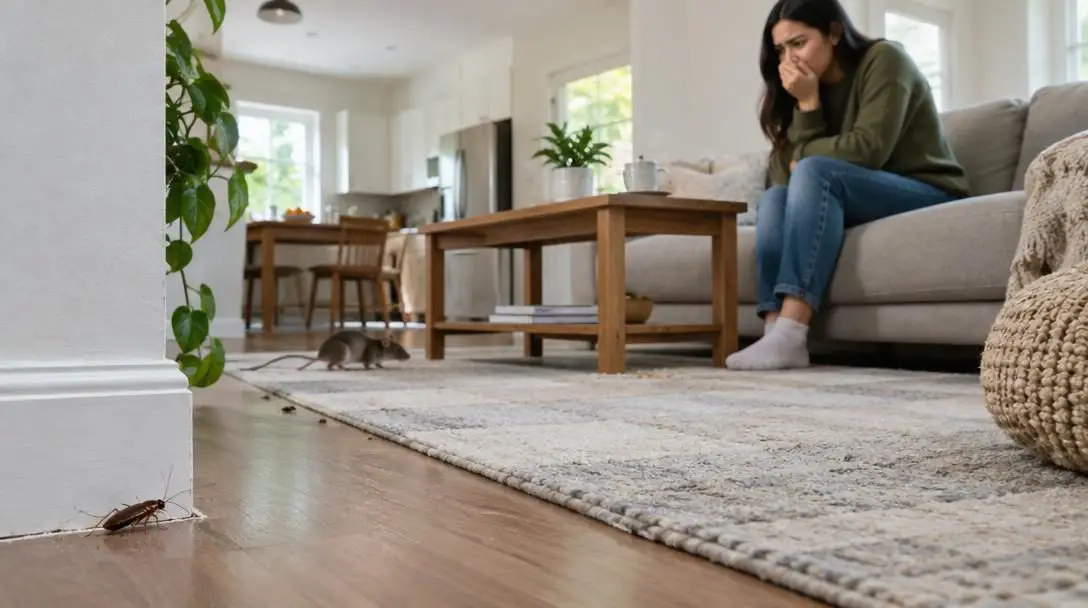
Pests are often viewed as simple structural nuisances or unpleasant household sights, but their presence inside residential and commercial spaces alters the biological balance of the indoor environment. Whether macroscopic invaders like rodents, ants, and cockroaches, or microscopic threats like bacteria and viruses, these organisms interact directly with air supplies, food preparation areas, and living quarters. When pests establish themselves inside homes or businesses, the health consequences can escalate rapidly from minor irritations to medical emergencies.
Understanding how pest biology intersects with human health is crucial for identifying early warning signs, reducing exposure hazards, and maintaining long-term wellness. From microscopic airborne proteins that inflame sensitive airways to blood-borne viral pathogens transmitted through bites, pests introduce multiple biological vectors into everyday living spaces. Learning how these organisms operate enables property owners to implement practical, targeted measures to safeguard their living environments.
Key takeaways
- Cockroaches produce the allergenic protein tropomyosin in their saliva, droppings, and body parts, making them a primary environmental trigger for asthma attacks.
- Mosquitoes transmit serious viral illnesses, including West Nile Virus, Eastern Equine Encephalitis, and Zika Virus, directly into the bloodstream during feeding.
- Vector-borne pests such as ticks and rodents introduce pathogens through bites, nesting materials, dried urine, and fecal matter.
- Insect stings can trigger life-threatening anaphylactic shock in sensitized individuals, requiring immediate emergency intervention with an epinephrine injector and a 911 call.
- Microscopic organisms, including bacteria, viruses, prions, and protozoans, qualify as biological pests and can be controlled using EPA-registered antimicrobial pesticides.
How pests threaten human biological health
The interactions between human biology and pest activity occur across several distinct pathways. Macroscopic creatures like insects and rodents contaminate surfaces, shed allergenic proteins, and harbor blood-feeding parasites. Concurrently, acellular and microscopic biological agents settle across high-touch points throughout kitchens, bathrooms, and ventilation systems. When these biological factors intersect, human occupants experience respiratory distress, systemic infections, or severe immunological reactions.
The following five mechanisms explain the primary physiological ways that pests jeopardize human health and well-being.
Asthma and respiratory distress
Individuals living with asthma and severe allergies often experience sharp increases in respiratory distress when pests infiltrate their indoor spaces. Among household pests, cockroaches represent one of the most hazardous triggers for chronic pulmonary inflammation. These insects carry a biological protein known as tropomyosin, which functions as a potent allergen for the human respiratory tract.
Tropomyosin is not confined to one single aspect of the insect's anatomy. It is distributed across every part of a cockroach, including its saliva, discarded exoskeletons, and fecal matter. As roaches move within wall voids, beneath cabinetry, and around appliances, they leave behind droppings and shed skins. Over time, these dried biological residues disintegrate into microscopic airborne dust particles. When inhaled, these fine proteins irritate sensitive bronchial linings, triggering bronchial constriction, severe wheezing, chest tightness, and sudden allergy flare-ups that require immediate pest elimination.
Mosquito viruses
Mosquitoes are among the most persistent outdoor vectors encountered near ponds, lakes, camping sites, and unmanaged outdoor spaces. While a mosquito bite is frequently perceived as an uncomfortable nuisance that creates itchy, localized swelling on the skin, the secondary consequences of mosquito feeding can be severe. Mosquitoes act as vectors for debilitating viral diseases that enter human circulation through saliva delivered during blood meals.
Primary viral infections transmitted by mosquitoes include West Nile Virus, Eastern Equine Encephalitis, and Zika Virus. Once introduced into the bloodstream, these pathogens can prompt a broad array of acute physiological symptoms. Infected patients often experience sudden fevers, aching muscles and joints, severe headaches, swollen lymph nodes, and prominent skin rashes. Because viral transmission happens during the bite itself, suppressing mosquito breeding environments and applying EPA-registered repellents is an essential health precaution.
Vector-borne diseases
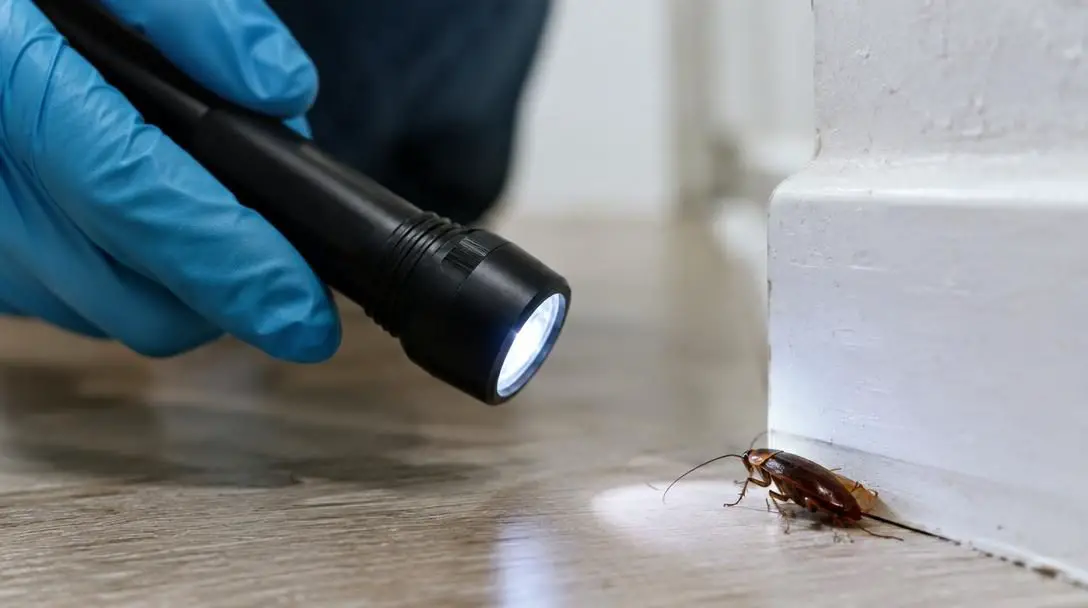
Mosquitoes are not the sole organisms capable of transmitting dangerous and potentially fatal infectious agents. A vector is any living organism that transports an infectious disease agent from an infected animal or human reservoir to a susceptible host. Common outdoor and indoor vectors include ticks, rodents, and a variety of other wildlife species that interact with human environments.
Rodents, including mice, introduce biological hazards directly into structures through their urine, droppings, and nesting debris. Ticks, which latch onto skin during outdoor recreation or yard maintenance, can transmit dangerous pathogens directly through their bites. When ticks or rodents infiltrate commercial properties or private residences, they introduce infectious agents that require prompt containment. Using targeted EPA-registered pesticides and repellents limits the opportunity for these biological transporters to spread systemic illness.
Vectors serve as living transporters that carry disease agents from one host to another, turning ordinary living spaces into pathways for systemic infection.
Anaphylactic shock
For most people, a sting from a bee or another venomous insect produces transient, localized pain, mild swelling, and redness. However, for individuals who have developed an allergy to insect venom, a single sting can initiate anaphylactic shock, a systemic, rapid-onset allergic reaction that constitutes a life-threatening medical emergency.
Anaphylaxis takes place when the immune system mounts an exaggerated reaction to foreign proteins present in insect venom, causing a sudden, massive release of histamine throughout the body. This systemic immune cascade causes blood pressure to fall precipitously and air passages to constrict, accompanied by rapid swelling of the throat, tongue, and facial tissues. When anaphylaxis occurs, calling 911 immediately and administering an auto-injectable dose of epinephrine are critical actions to stabilize the airway and maintain circulation.
Microbial diseases and infections
Pest classifications are not limited to visible insects and mammals. Diverse microscopic organisms and acellular agents also function as biological pests. This category encompasses harmful bacteria, viruses, prions, and protozoans. These microscopic agents cause a wide spectrum of serious infections, diseases, and acute gastrointestinal or systemic illnesses.
Because microbial pests cannot be seen by the naked eye, they frequently bypass ordinary visual detection. They multiply rapidly across damp surfaces, food preparation counters, bathroom fixtures, and high-frequency touch surfaces whenever temperatures and moisture levels permit. To neutralize these invisible hazards, residential and commercial facilities rely on EPA-registered antimicrobial pesticides designed specifically to destroy harmful microflora and acellular particles before they can trigger human disease.
Comparing major biological pest categories
Different pests create distinct health hazards and require specific management strategies. The table below outlines how common pest groups interact with human health and the primary methods used to suppress their activity.
| Pest Category | Primary Health Threat | Transmission Route | Key Mitigation Strategy |
|---|---|---|---|
| Cockroaches | Asthma flare-ups and respiratory allergies | Inhalation of airborne tropomyosin from saliva, shed skin, and droppings | Moisture management, deep cleaning, and structural crack sealing |
| Mosquitoes | West Nile Virus, Eastern Equine Encephalitis, Zika Virus | Saliva injection into the bloodstream during feeding | Draining standing water and applying EPA-registered repellents |
| Ticks and Rodents | Vector-borne pathogens and contamination | Bites, contact with nesting material, urine, and droppings | Sealing entry points, clearing vegetation, and deploying EPA-registered controls |
| Stinging Insects | Acute anaphylactic shock and systemic allergic reactions | Direct venom injection via defensive stings | Carrying prescribed epinephrine and removing structural nests safely |
| Microbial Pests | Bacterial, viral, and protozoan infections | Contact with contaminated food prep areas, bathrooms, and high-touch objects | Regular sanitation with EPA-registered antimicrobial pesticides |
Practical steps to eliminate pests and protect health
Controlling pest populations requires a methodical approach that combines basic sanitation, exclusion techniques, and registered chemical controls. Property owners can systematically reduce pest encounters and protect indoor environmental health by executing the following operational steps.
- Clean your property frequently: Sweep hard floors, vacuum carpets, scrub cooking spaces, and wipe down countertops regularly to eliminate crumbs, food debris, and grease accumulations that nourish cockroaches, rodents, and ants.
- Eliminate standing water: Inspect gutters, plant saucers, buckets, and exterior yard depressions. Empty any stagnant water sources where mosquitoes could breed and complete their life cycles.
- Manage indoor moisture levels: Repair leaking plumbing fixtures under sinks, fix running toilets, and ensure crawlspaces, attics, and basements remain adequately ventilated to deprive humidity-seeking pests of essential moisture.
- Seal entry points: Check the building perimeter for openings around door sweeps, window screens, utility penetrations, and foundation cracks. Seal gaps with appropriate building materials to block access for mice, ants, and cockroaches.
- Apply EPA-registered pesticides and repellents: Deploy registered pest control products according to manufacturer directions to suppress established insect populations and deter biting vectors around personal and commercial spaces.
- Apply EPA-registered antimicrobial pesticides: Disinfect high-touch objects, bathrooms, and food preparation surfaces using approved antimicrobial formulations capable of destroying harmful bacteria, viruses, and protozoans.
- Keep prescribed medications accessible: Individuals with documented insect venom allergies should store prescribed epinephrine injectors in convenient, accessible locations and instruct companions on basic emergency management procedures.
Common mistakes in pest management
When dealing with domestic or workplace pest issues, property managers and homeowners often make critical missteps that inadvertently prolong an infestation or worsen existing respiratory and physical hazards. Avoiding these frequent missteps will lead to safer, faster, and more lasting results.
- Ignoring early warning signs: Overlooking isolated insect sightings, single ant trails, or solitary rodent droppings allows initial colonizers to establish massive reproductive populations before control actions begin.
- Overusing or misapplying chemical controls: Spraying unregistered chemical compounds or applying excessive volumes of pesticides can introduce toxic irritants into the breathing air while missing hidden insect nests.
- Relying solely on treatments while skipping sanitation: Applying traps, sprays, or repellents without removing underlying food residues, standing water, and structural nesting sites guarantees that pests will return once chemical barriers degrade.
- Neglecting allergen cleanup: Killing cockroaches without thoroughly cleaning up their remaining droppings, broken body fragments, and dried secretions leaves the allergenic tropomyosin protein circulating within indoor air.
- Failing to wear protective equipment during cleanup: Sweeping dry rodent waste or cockroach residue without respiratory protection aerosolizes biological allergens and infectious particulates, dramatically increasing the risk of acute inhalation.
Long-term considerations for a healthier environment
Maintaining a safe living or working space requires continuous vigilance and periodic assessments of the property's exterior and interior spaces. Long-term risk mitigation should begin with an evaluation of the building's indoor air quality and occupant wellness. If family members or workplace employees experience unexplained flare-ups of asthma symptoms, recurrent skin irritations, or unexplained allergic reactions, check warm, concealed areas—such as underneath refrigerators, behind dishwashers, and inside service closets—for hidden cockroach debris.
Next, focus on the building envelope and perimeter grounds. Check the immediate property boundary for conditions that foster insect breeding, especially standing water containers, unmaintained birdbaths, or clogged roof gutters that can harbor mosquitoes carrying West Nile Virus, Eastern Equine Encephalitis, or Zika Virus. At the same time, inspect structural siding, foundation mortar, and window screening for gaps where ticks, rodents, or ants could enter.
Finally, incorporate structural exclusion, routine sanitation, and regulated antimicrobial treatments into standard maintenance schedules. Integrating EPA-registered antimicrobial pesticides on high-contact indoor surfaces alongside physical exclusion strategies forms a comprehensive barrier against both visible vectors and microscopic biological pests.
Frequently asked questions
How do cockroaches cause asthma symptoms?
Cockroaches carry an allergenic protein named tropomyosin, which is found in their body tissues, saliva, and droppings. When their waste and shed skins break down into microscopic particles, they become airborne and irritate human bronchial airways upon inhalation, triggering wheezing and asthma attacks.
What viral diseases can mosquitoes transmit to humans?
Mosquitoes can carry and transmit several serious viral pathogens directly into the circulatory system, including West Nile Virus, Eastern Equine Encephalitis, and Zika Virus. These infections often cause symptoms such as fevers, headaches, rashes, swollen lymph nodes, and muscle aches.
What should you do if an insect sting causes severe allergic symptoms?
If an insect sting induces signs of anaphylactic shock—such as facial swelling, throat tightness, breathing difficulty, or a rapid drop in blood pressure—call 911 immediately and administer an auto-injectable dose of epinephrine if prescribed.
Can microscopic organisms like bacteria and viruses be classified as pests?
Yes. Microscopic organisms and acellular particles, including bacteria, viruses, prions, and protozoans, are considered biological pests because they can colonize surfaces, contaminate food and water, and cause serious human diseases. They are controlled using EPA-registered antimicrobial pesticides.
Why is it dangerous to sweep up rodent droppings without protection?
Dry-sweeping rodent droppings or cockroach debris aerosolizes dried urine, feces, and allergenic proteins into the surrounding air. Inhaling these airborne biological particles increases the risk of serious respiratory reactions and pathogen transmission.
The bottom line
Pests are far more than a cosmetic annoyance or an inconvenience to property owners. Through airborne allergenic proteins like cockroach tropomyosin, blood-borne viral transmissions from mosquitoes, vector-borne diseases carried by ticks and rodents, acute anaphylaxis from stinging insects, and surface contamination from microbial organisms, pests pose diverse, serious threats to human health. Protecting living and working environments requires proactive structural exclusion, consistent sanitation, standing water elimination, and the targeted application of EPA-registered pesticides and antimicrobial treatments. Taking swift, organized action at the first sign of pest activity ensures that indoor spaces remain clean, safe, and supportive of long-term biological health.