5 Facebook Trends To Know About

When Facebook was first founded more than 15 years ago, it operated as a straightforward digital directory designed specifically for college students. Users could post basic personal updates, connect with campus classmates, and expand their social circles within a contained academic environment. That early text and photo network bore little resemblance to the expansive ecosystem operating today. Through continuous algorithmic adjustments, structural development, and high-profile corporate acquisitions, the network evolved from a collegiate bulletin board into a multifaceted titan of the global technology sector.
Throughout every chapter of this multi-decade evolution, founder Mark Zuckerberg has steered the company through uninterrupted transformation. The platform has repeatedly reshaped how individuals communicate and businesses conduct commerce, introducing dynamic feeds, marketplace hubs, and integrated messaging networks. Understanding the overarching patterns driving the service today is essential for anyone seeking to engage audiences or run an enterprise online. Five distinct trends currently define the platform's trajectory, signaling where capital, engineering resources, and user engagement are concentrating.
Key takeaways
- Live broadcasting continues to expand across both general streams and dedicated gaming broadcasts.
- Automated conversational chatbots allow organizations and community administrators to streamline direct customer inquiries around the clock.
- Short-form video published through Reels offers content discovery and creator monetization via ad revenue sharing and user-purchased digital stars.
- Hardware and spatial computing research driven by Reality Labs underpins a major long-term pivot toward virtual and augmented environments.
- The company-wide transition toward the Metaverse represents an institutional ambition to build the successor to the mobile internet.
Platform Trends at a Glance
To navigate the ongoing shifts within the ecosystem, creators and brand managers must understand the technological mechanisms and primary objectives behind each core feature.
| Trend | Primary Format | Core Mechanism | Key Benefit |
|---|---|---|---|
| Live Streaming | Real-time video | Low-latency compression and broadcast feeds | Immediate viewer engagement and community building |
| Automated Chatbots | Direct messaging | Rule-based filtering and automated scripts | Continuous administrative support and instant answers |
| Facebook Reels | Vertical short-form video | Feed-level algorithmic distribution | Discovery beyond existing followers and monetization via stars |
| Virtual & Augmented Reality | Immersive hardware/software | Spatial computing and motion-tracking headsets | Three-dimensional interaction through Reality Labs engineering |
| The Metaverse | Interconnected digital spaces | Cross-platform virtual environments | Unified infrastructure for work, education, shopping, and play |
The Five Major Trends Defining the Network
The strategic priorities of the platform now span everything from automated customer support interfaces to next-generation optical hardware. These five initiatives demonstrate where user activity and organizational investments are actively focusing.
Facebook Live and Facebook Gaming

While external platforms like Twitch have long dominated video game live broadcasting, competition within the interactive streaming sector remains fierce. Following the shutdown and subsequent integration of Microsoft's Mixer service, the network seized the opportunity to aggressively expand Facebook Gaming. In parallel with specialized gaming streams, the broader Facebook Live infrastructure has grown into a versatile, widely adopted broadcasting hub. From breaking community news to spontaneous organizational updates, real-time broadcasts continue to draw increasing daily viewership and higher aggregate engagement per session.
Automated AI Chatbots

Managing direct customer inquiries around the clock presents a major operational hurdle for growing brands. To address this demand, the network provides automated messaging bots that handle frequent customer interactions without requiring human oversight at all hours. Configured directly through page settings, these conversational tools immediately answer repetitive inquiries regarding operating hours, service locations, and standard procedures. Even non-commercial administrators running community hubs leverage these tools to filter routine inquiries, allowing moderators to concentrate their attention on complex user requests.
Facebook Reels

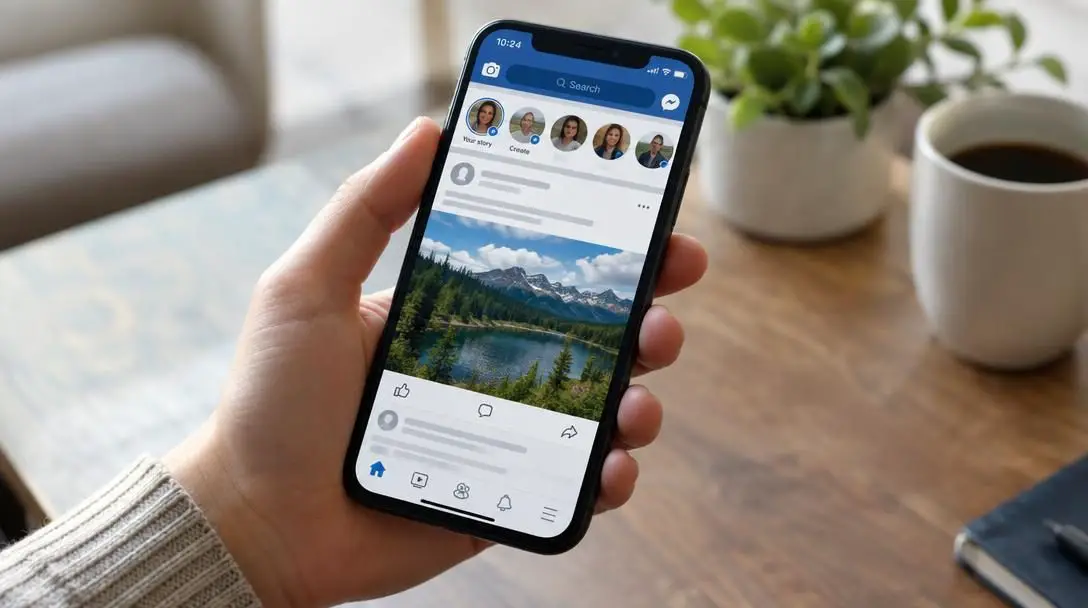
To keep pace with the shifting consumption habits of modern audiences, short-form video has been elevated throughout the central interface in the form of Facebook Reels. Echoing the creative style seen in Instagram stories and vertical video feeds, Reels allows users to publish dynamic, fast-paced multimedia clips directly into the primary News Feed. Crucially, the feature includes native monetization pathways. Creators can earn revenue shares from placed advertisements and receive financial support through viewer-purchased stars, turning routine creative output into a viable income channel.
Reality Labs and Immersive VR
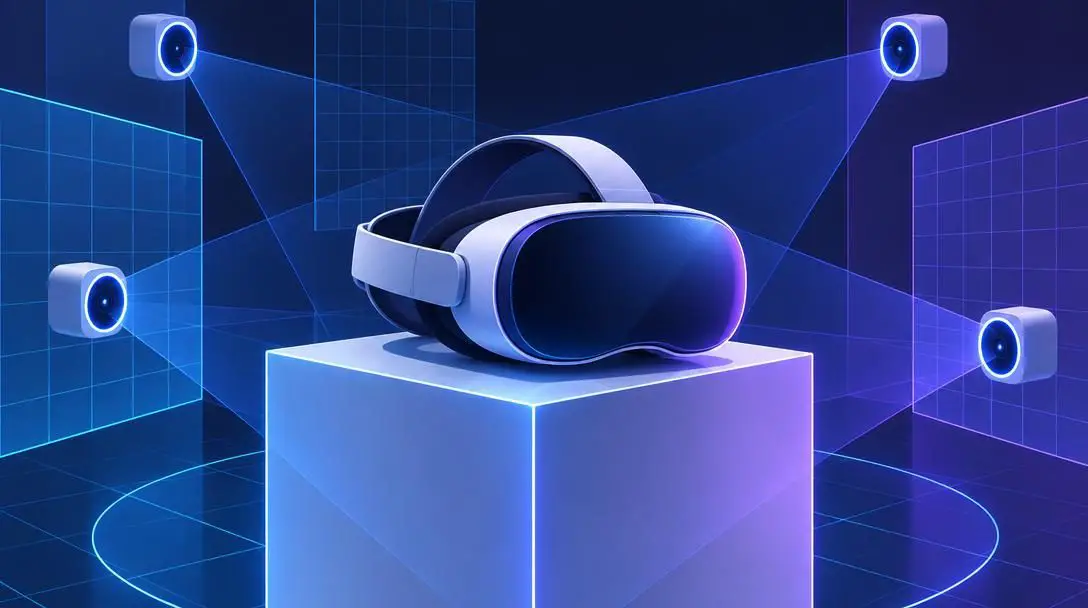
The company views immersive sensory technology as the ultimate foundation for the future of social networking and the internet at large. The initial groundwork for this transition took shape in 2012 when the virtual reality company Oculus was founded. Seven years later, the enterprise acquired Oculus, folding its talent and patents into the division now known as Reality Labs. Under this division, engineers produce accessible consumer hardware, spatial tracking systems, and immersive software environments, establishing early dominance in consumer-grade virtual reality.
The Metaverse
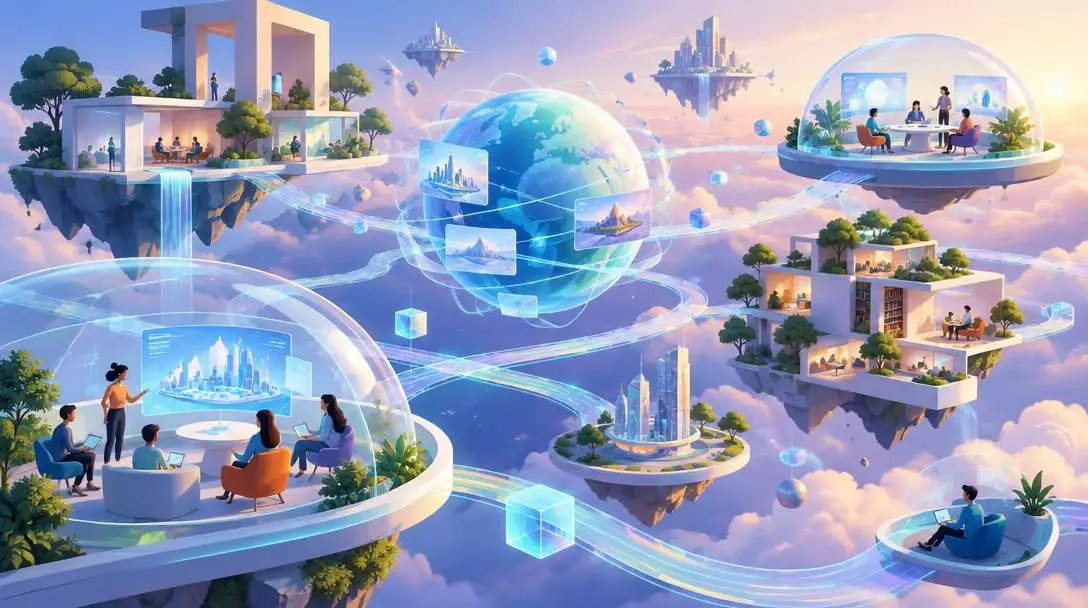
The organization formalized its institutional pivot in late 2021 by rebranding its parent corporation from Facebook to Meta. Despite initial skepticism from industry observers, the move represents an enduring, strategic realignment. Chief Executive Mark Zuckerberg conceptualizes the Metaverse as the natural successor to the mobile internet era. Rather than confining online activity to flat screens and scrolling feeds, the vision encompasses an interactive collective environment linking classroom instruction, enterprise workspace collaboration, digital retail stores, and online gaming worlds.
The transition toward the Metaverse represents the next evolution in digital connection and the direct successor to the mobile internet.
Under the Hood: How the Core Technologies Operate
Making effective use of these emerging features requires an understanding of their underlying technical architecture. Each tool uses distinct software systems to maximize delivery efficiency and capture audience attention.
Short-form video distribution within Facebook Reels relies on a dedicated recommendation pipeline that serves vertical content beyond an account's direct circle of friends or followers. When an audience member watches a clip, the interface provides integrated transactional options. Viewers can purchase digital packages of stars and award them to creators during or after viewing. When combined with program-eligible display advertising, these microtransactions are calculated and disbursed directly to the creator's payout account.
Automated messaging relies on customizable decision trees and prompt-matching algorithms established within business page configurations. When an incoming private message arrives, the system scans the text against pre-programmed prompts and predetermined keywords. Upon identifying a match, the automated interface dispatches the corresponding factual response within seconds. If an inquiry fails to match existing conversational paths, the system routes the message to the human administrative queue.
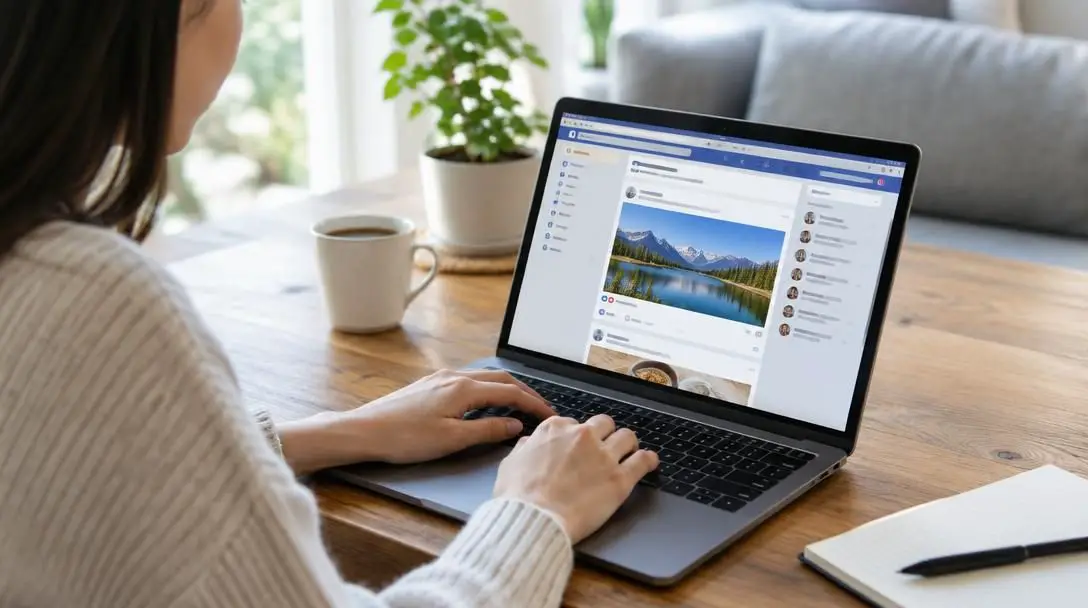
Live streaming services operate via real-time compression algorithms and low-latency distribution channels capable of processing video simultaneously from handheld smartphones or dedicated desktop broadcasting software. Viewers can post comments, trigger animated reactions, and submit questions, establishing an interactive feedback loop that occurs concurrently with the video broadcast.
Immersive spatial environments, engineered through the Reality Labs division, merge hardware and software to track user movement within 3D coordinate planes. Headsets equipped with motion sensors, optical cameras, and spatial audio process local user inputs while connecting to distributed virtual rooms. This architecture allows multiple users to share a simulated environment for enterprise meetings, collaborative design, or gaming sessions.
Step-by-Step Playbook for Adopting New Features
Creators, marketers, and community managers should take structured steps to integrate these developments into their regular digital routines without exhausting operational resources.
- Integrate vertical video into your production calendar: Produce concise, 9:16 vertical clips designed for Facebook Reels. Focus on quick informational breakdowns, product tutorials, or community updates that communicate value within the initial three seconds of viewing.
- Configure basic page messaging automations: Navigate to your page management console and establish automated responses for your five most common inquiries, including operating hours, shipping guidelines, and contact links.
- Schedule a structured live broadcasting session: Plan an interactive broadcast on Facebook Live or Facebook Gaming. Write a basic outline of talking points in advance and monitor the real-time comment feed to answer viewer questions directly on camera.
- Test emerging spatial and augmented reality formats: Experiment with augmented reality creative filters across platform cameras and assess how virtual workspace tools developed by Reality Labs can fit into your internal operations.
- Consolidate identity across platform properties: Unify profiles, asset libraries, and business configurations across Meta-managed properties to maintain brand consistency as cross-platform interactive spaces expand.
Strategic Pitfalls and Common Mistakes
Adopting new features without considering production standards and audience expectations can backfire. Organizations frequently encounter several common pitfalls when modernizing their platform strategies:
- Repurposing horizontal video for Reels feeds: Uploading landscape-oriented or low-definition clips directly into vertical video spaces creates an unappealing viewing experience and hurts retention metrics.
- Over-automating conversational channels: Eliminating human touchpoints entirely leaves users stranded when dealing with nuanced complaints, billing disputes, or non-standard inquiries.
- Broadcasting without an agenda: Launching a live stream without a predetermined topic or structural outline leads to awkward lulls, drifting presentations, and elevated audience drop-off rates.
- Over-relying on static text posts: Restricting output exclusively to plain text and traditional photographs ignores algorithmically favored multimedia tools like Reels, resulting in reduced organic reach.
- Dismissing long-term spatial hardware investments: Disregarding advances in virtual reality, augmented reality, and the broader Metaverse initiative risks leaving brands unprepared as the underlying consumer internet evolves past flat-screen applications.
Frequently asked questions
How do content creators make money using Facebook Reels?
Creators can monetize their short-form videos through revenue-sharing programs tied to advertisements displayed alongside their content, as well as by receiving digital stars that fans purchase and send as direct financial support.
Do I need advanced coding skills to build an automated page chatbot?
No coding experience is required. The platform provides built-in menu settings that allow page managers to construct rule-based conversational workflows and auto-responses for common questions using simple text fields.
What is the difference between Facebook Live and Facebook Gaming?
Facebook Live is a general broadcasting tool meant for any personal or organizational broadcast, while Facebook Gaming is an optimized hub tailored for video game streaming with dedicated gaming features, communities, and viewer dashboards.
Why did the parent company rebrand to Meta in late 2021?
The rebranding signified an institutional evolution beyond traditional social media apps, signaling a permanent corporate commitment to developing the Metaverse, immersive hardware, and post-mobile computing environments led by Reality Labs.
Can non-commercial community pages benefit from messaging automation?
Yes. Non-profit, educational, and community page administrators routinely use automated messaging to answer frequently asked group rules, event dates, and general information, reducing daily moderation overhead.
The Bottom Line
The progression from a simple collegiate networking site to a multifaceted tech conglomerate illustrates the company's commitment to persistent technological adaptation. Modern platform success requires moving beyond traditional text updates to embrace short-form video discovery, interactive real-time broadcasts, and automated communications. At the same time, maintaining awareness of Reality Labs' long-term research into virtual reality and the Metaverse positions creators and enterprises to thrive as digital connection transitions into three-dimensional spaces.