5 YouTube Trends To Know About

When YouTube made its debut in 2005, it operated primarily as an unpolished, casual video board where everyday users posted clips of friends hanging out and doing goofy activities. In those early years, low-resolution uploads, casual home recordings, and unedited slices of everyday life defined the digital community. Fast forward to the present day, and the platform has transformed into an entertainment giant, ranking as the second most visited website in the world behind only its parent company, Google.
That meteoric expansion has been powered by a relentless volume of daily uploads and the emergence of video creation as a lucrative digital profession. As viewing habits migrated away from traditional broadcast television toward on-demand digital entertainment, YouTube developed into a search engine, a social network, and a multi-billion dollar commercial economy. Staying ahead in this rapidly evolving ecosystem requires an understanding of what audiences want to watch and how modern content production functions.
Key takeaways
- YouTube has evolved from a casual home-video hub into the internet's second most visited website behind Google.
- Sensory-driven ASMR content has expanded into a major category, with over 80 percent of Gen Z tuning in for sleep, focus, or relaxation.
- Short-form meme clips and curated compilation channels have surged as YouTube counters the competitive rise of TikTok.
- Mainstream Hollywood stars are building personal vlogs on the platform to secure supplemental income and project authentic, relatable personas.
- Ad spending reached $6.86 billion in the first quarter of 2022 alone, while interactive live streaming challenges Amazon's Twitch with built-in viewer donations.
The Evolution of Modern Video Entertainment
The transition of YouTube from a video repository into a cultural centerpiece reflects broad shifts in how global audiences interact with digital media. In its opening years, viewers were satisfied with short, pixelated recordings captured on basic consumer cameras. However, the continuous evolution of mobile smartphones, faster internet connections, and refined platform algorithms prompted users to expect higher production standards and more varied programming.
Because billions of visits register across the site every day, YouTube now competes directly with streaming services, digital social feeds, and legacy television networks. Uploading videos has shifted from an amateur pastime into a legitimate business model. To sustain this momentum, the platform continually adapts to shifting user habits and external competition, creating fertile ground for specialized content categories and new commercial opportunities.
Five Major YouTube Trends Defining the Platform
The modern YouTube landscape is shaped by dynamic shifts in viewer demographics, production styles, and monetization strategies. While thousands of individual content niches thrive across the site, five overarching trends illustrate where the platform is directing its attention, resources, and audience engagement.
Autonomous Sensory Meridian Response (ASMR)
Autonomous sensory meridian response, widely known as ASMR, represents a remarkable content revolution on YouTube. Although the physical tingling sensation associated with ASMR has existed indefinitely, treating it as an intentional science and entertainment genre is relatively new. Creators began publishing early ASMR recordings on the platform roughly a decade ago, but the past year has seen an unprecedented explosion in audience interest.
Today, numerous video creators dedicate their entire channels exclusively to ASMR production. Because these soothing audio-visual recordings are typically long in length, they generate substantial watch time and perform exceptionally well for automated ad placement. The format resonates strongly with younger demographics: more than 80 percent of Gen Z viewers report watching ASMR content to aid with relaxation, focus, or falling asleep.
Meme Accounts and Short-Form Compilations
Humor has always formed the backbone of viral video sharing, and internet users worldwide consistently gravitate toward memes. While short, punchy video jokes gained widespread popularity years ago on Vine, digital entertainment operates in cycles. Thanks largely to the rise of TikTok and YouTube's strategic maneuvers to counter that competitor, short-form humor has reclaimed its spot at the pinnacle of digital media consumption.
Channels focused entirely on meme culture are expanding at a rapid pace. Successful operators often blend quick, standalone meme shorts with extended compilation videos that curate multiple viral clips into longer collections. This hybrid structure gives emerging channels an accessible avenue to capture new viewers through rapid humor while securing extended viewing minutes through longer playlists.
Celebrity Vlogs and Hollywood Talent
A noticeable shift on YouTube is the steady influx of traditional Hollywood celebrities launching their own personal channels. Backed by extensive established fanbases, high-profile figures are utilizing the platform in their free time to generate supplemental advertising revenue and brand partnerships. Mainstream stars such as Dwayne "The Rock" Johnson, Will Smith, and Ryan Reynolds have each established popular personal video blogs, and more notable names join them regularly.
Beyond opening a new stream of earnings, video blogging provides significant public relations value for Hollywood stars. The casual, direct-to-camera format breaks down the barrier between screen icons and ordinary fans. By showing glimpses of their everyday routines, behind-the-scenes projects, and candid thoughts, wealthy celebrities can project an approachable and relatable image during an era that prioritizes authentic self-presentation.
By speaking directly to the camera, mainstream Hollywood stars use the casual vlog format to build genuine relatability with ordinary viewers.
Advertising Revenue Expansion
When YouTube first introduced automated video advertisements, parent company Alphabet viewed the feature as a modest way to gather extra pocket change. Over the ensuing years, advertising has grown into a corporate revenue powerhouse measured in billions of dollars per quarter. Underscoring this immense financial scale, YouTube collected $6.86 billion in ad revenue in the first quarter of 2022 alone.
Although that impressive quarterly total technically fell short of heightened financial projections, it highlights the financial weight the platform carries in the digital economy. Geopolitical headwinds, including the conflict in Eastern Europe and Russia, have introduced external pressures on marketing budgets. Nevertheless, once those conditions stabilize, overall ad totals are projected to surge once more. At the same time, independent creators are mastering platform monetization policies after earlier periods of ambiguity surrounding eligible content.
Live Streaming and Interactive Communities
Live broadcasting has quickly evolved into an indispensable component of the YouTube experience. In the past, tech giant Microsoft attempted to enter the dedicated live streaming market in an effort to challenge Twitch, an Amazon subsidiary, but ultimately failed to gain traction. YouTube, by contrast, has firmly established itself as Twitch's chief rival in real-time broadcasting.
While gaming remains a primary focus, YouTube broadcasts span a wider variety of programming, including live news coverage, sports commentary, and interactive talk shows. This broad topic accessibility has fueled impressive viewership growth. Built-in tools that allow fans to donate directly to streamers during broadcasts further elevate the medium, anchored by household digital personalities like Mr. Beast, PewDiePie, and Dr. Disrespect.
At a Glance: Comparing Modern YouTube Trends
Understanding how different video formats compare helps both creators and media analysts identify where audiences spend their attention and how creators sustain their operations.
| Trend | Primary Format | Target Appeal | Monetization Mechanism |
|---|---|---|---|
| ASMR | Extended audio-visual recordings | Relaxation, sleep, and focus for Gen Z | Long-duration ad placements |
| Meme Accounts | Short clips and curated compilations | Fast-paced humor and viral sharing | High view volume and playlist watch time |
| Celebrity Vlogs | Behind-the-scenes personal vlogs | Relatable access to Hollywood stars | Ad revenue and personal public relations |
| Advertising Boom | Pre-roll, mid-roll, and display ads | Commercial brand reach across global audiences | Automated revenue sharing via Alphabet |
| Live Streaming | Real-time gaming, news, and talk shows | Interactive community engagement | Direct viewer donations and regular ads |
How Platform Trends Work Together
Although these five trends operate across different production styles, they form an interconnected content ecosystem that keeps viewers engaged on YouTube for extended periods. User habits in one category consistently feed traffic and revenue into another, creating compounding advantages for the platform and its top creators.
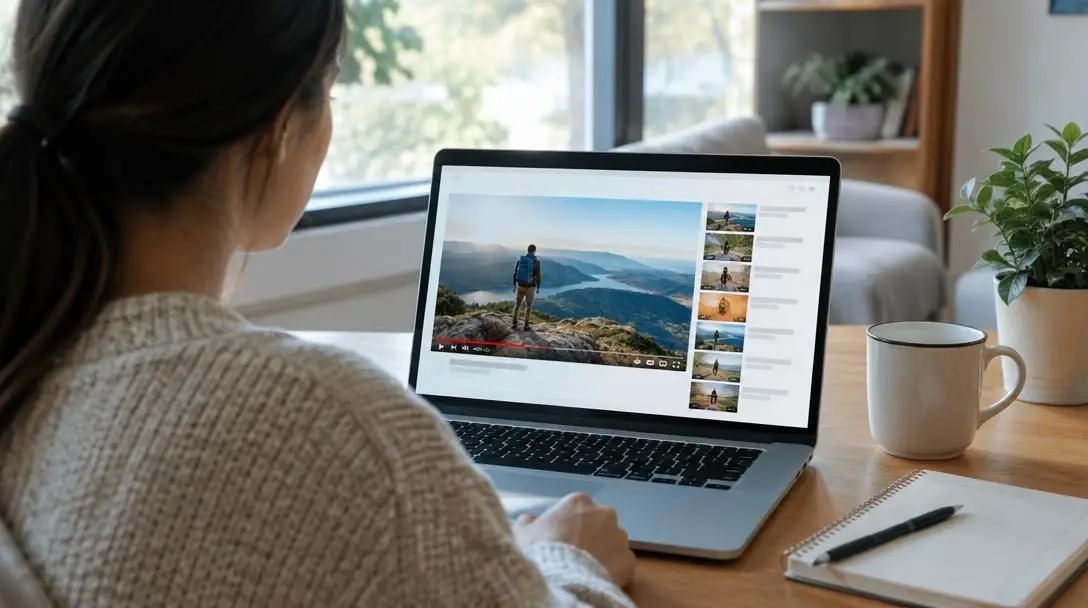
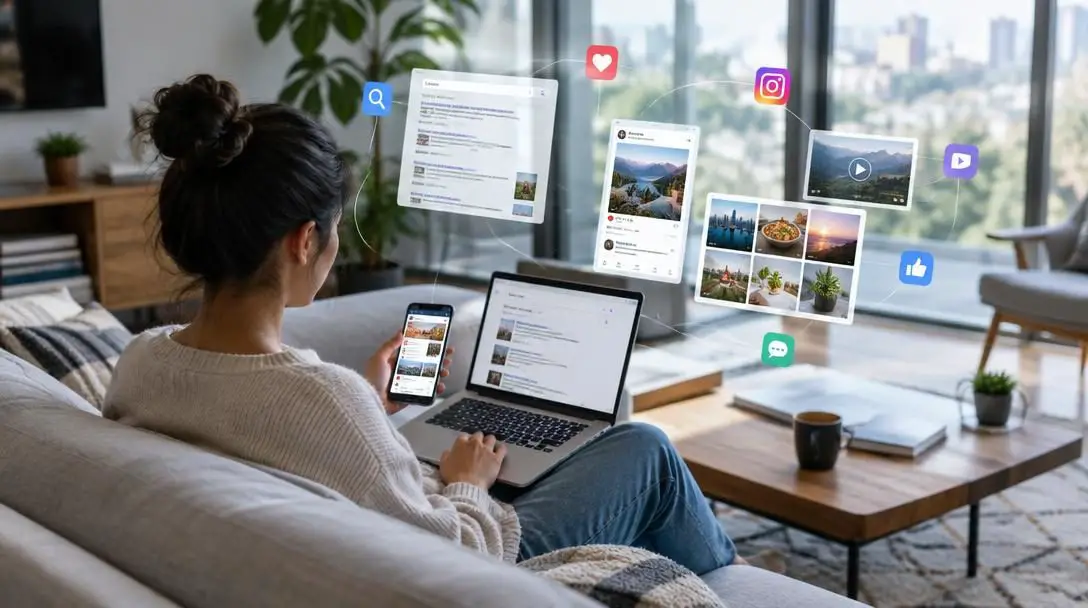
Younger demographics illustrate this dynamic clearly. A viewer might discover a creator through a quick, humorous meme clip shared via short-form video feeds. That same viewer may later unwind by playing an extended, multi-hour ASMR recording while studying or sleeping. Later in the week, they might tune into an interactive, hours-long live stream hosted by gaming stars such as Mr. Beast or PewDiePie, participating in real-time discussions alongside thousands of other viewers.
This cross-format consumption structure benefits overall financial sustainability. High ad revenue generated across the broader platform funds reliable technical infrastructure and creator incentives. Extended formats, such as marathon live streams and lengthy ASMR sessions, generate high aggregate watch time that maximizes regular ad opportunities, while interactive live streaming introduces direct viewer donations to complement traditional advertising.
A Strategic Roadmap for Navigating Modern YouTube
Whether launching a brand-new channel or modernizing an existing video catalog, succeeding on the contemporary platform requires an intentional, organized production workflow. Creators can build sustainable channels by approaching their video strategy methodically.
- Select a clear content focus: Choose a specific category that aligns with your available skills, whether that involves high-fidelity audio for ASMR, comedic timing for meme clips, or personality-driven vlogs.
- Master technical production requirements: Invest in the specific gear your niche demands, such as specialized microphones for sensory audio or streamlined editing software for fast-paced comedic compilations.
- Establish transparent monetization routes: Review platform advertiser-friendly guidelines to ensure your uploads remain eligible for automated ad revenue, while exploring live streaming tools to enable direct audience donations.
- Implement a dependable upload schedule: Maintain consistent publishing habits so regular viewers and algorithmic discovery systems can anticipate your releases, whether you host live streams like Dr. Disrespect or post weekly curated compilations.
- Prioritize authentic viewer rapport: Adopt the relatable presentation style modeled by mainstream stars like Dwayne "The Rock" Johnson and Will Smith by speaking candidly to your audience regardless of production budget.
Common Content Mistakes to Avoid
Navigating the rapid shifts of modern online video can be difficult. Creators often encounter predictable missteps that stifle audience growth or jeopardize their earning potential.
- Overlooking platform monetization rules: Unclear understanding of advertiser-friendly guidelines can trigger demonetization, stripping a channel of its automated advertising earnings.
- Relying on a single content length: Publishing exclusively short meme clips can suppress total watch hours, while producing solely long live broadcasts can make organic viewer discovery difficult.
- Ignoring live audience participation: Broadcasters who fail to read chat messages or acknowledge fan donations risk alienating the dedicated community that drives real-time streaming success.
- Assuming star power replaces quality: While figures like Ryan Reynolds arrive with established public profiles, their channels succeed because they offer engaging, candid material rather than distant, low-effort clips.
Market Competition and the Future Video Landscape
Looking ahead, several global developments will influence how YouTube expands its video dominance. The ongoing battle for live streaming supremacy against Twitch, supported by parent company Amazon, will continue to intensify. As more top personalities sign platform deals and broader topics like sports, political news, and podcasts expand into real-time broadcasting, YouTube's accessibility across varied subjects remains a distinct competitive advantage over gaming-centric alternatives.
Macroeconomic factors will also play a decisive role in video economics. While international friction and the conflict in Eastern Europe and Russia have introduced temporary pressures on corporate ad spending, the platform remains an essential marketing vehicle for Alphabet. Once broader economic conditions normalize, advertising spending is expected to accelerate significantly, unlocking higher payouts for independent video producers.
Finally, content formats will continue their natural cyclical movements. The resurgence of meme culture illustrates how digital audiences frequently rediscover older storytelling styles through modern platform features. Tracking audience demographics, audio preferences, and evolving monetization tools will remain vital for creators seeking to build enduring channels.
Frequently asked questions
Why has ASMR become so popular on YouTube?
ASMR content has exploded because viewers rely on its soothing, intentional audio and visual triggers for relaxation, focus, and sleep. It is particularly popular among Gen Z audiences, with more than 80 percent of that demographic watching ASMR videos.
How much advertising revenue does YouTube generate?
YouTube generates billions of dollars in advertising each quarter. In the first quarter of 2022, the platform brought in $6.86 billion in ad revenue alone, representing a vital commercial pillar for its parent company, Alphabet.
Why are Hollywood celebrities making personal vlogs on YouTube?
Mainstream actors like Dwayne "The Rock" Johnson, Will Smith, and Ryan Reynolds use YouTube to generate supplemental income in their free time while using the casual, personal vlog format as a powerful public relations tool to appear relatable to everyday viewers.
How does YouTube compete with Twitch in live streaming?
While Microsoft failed in its attempt to rival Amazon's Twitch, YouTube has emerged as Twitch's primary competitor by streaming not only gaming but also sports, news, and talk shows, supported by direct fan donations and top creators like PewDiePie, Mr. Beast, and Dr. Disrespect.
What caused the resurgence of short-form meme channels?
Following the decline of early platforms like Vine, internet video returned to short humor due to the rapid rise of TikTok and YouTube's strategic push into short-form content, allowing standalone memes and extended compilation channels to grow quickly.
The Bottom Line
YouTube's transformation from a humble clip-sharing board in 2005 into the world's second most popular digital destination reflects its ability to adapt to shifting user habits and economic opportunities. By accommodating everything from extended sensory ASMR recordings and quick viral memes to celebrity vlogs, multi-billion dollar ad systems, and interactive live streams, the platform provides a complete digital media ecosystem. Creators and brands that respect these platform trends, diversify their content lengths, and maintain direct connections with their audiences are best positioned to thrive in the modern online video economy.