5 Tips for Kick-Ass Salads
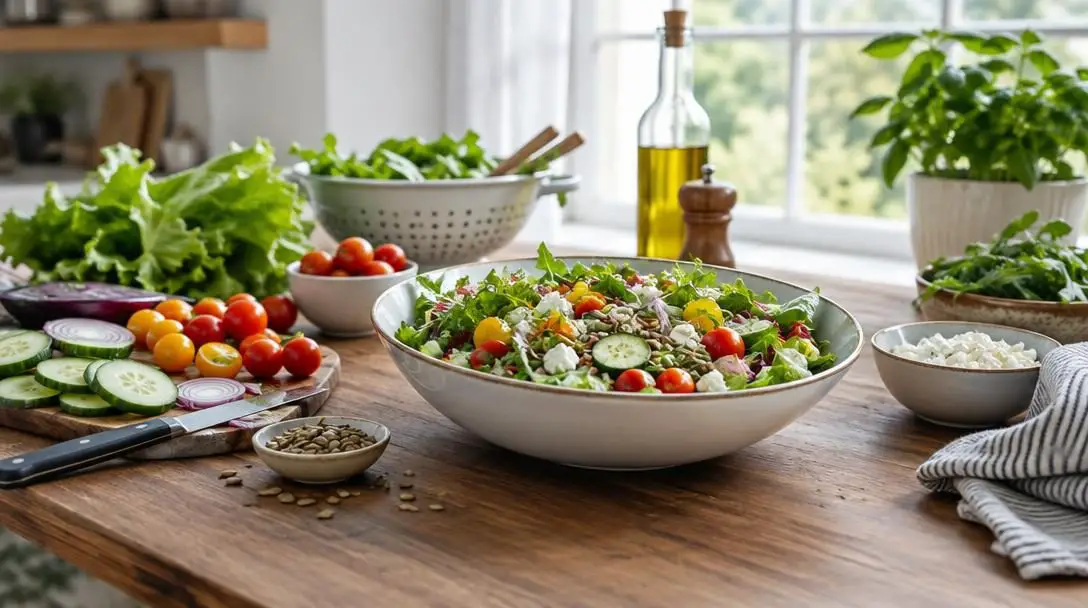
If you have ever ordered a salad at a sit-down restaurant, you have likely marveled at how much better it tastes than anything you throw together in your own kitchen. At dining establishments, greens arrive crisp, light, and uniformly coated, with every bite offering a harmonious balance of crunch, acid, and seasoning. In contrast, homemade salads often end up as uninspiring bowls of cold, wet leaves swimming under a heavy puddle of bottled dressing.
The gap between restaurant-quality salads and disappointing home creations is not due to guarded culinary secrets or professional-grade machinery. Instead, commercial kitchens approach salads as balanced, carefully constructed culinary compositions. By understanding how moisture management, leaf selection, sourcing, scratch-made emulsified dressings, and proper tossing techniques work together, anyone can effortlessly transform an uninspiring side bowl into a memorable, vibrant centerpiece.
Key takeaways
- Surface water is the primary enemy of good salad because it repels oil-based dressings and dilutes flavor.
- Combining distinct greens like arugula, kale, romaine, and spinach builds superior texture and complex flavor profiles.
- Whisking homemade vinaigrettes provides total control over acid and oil ratios without commercial stabilizers.
- Pre-tossing greens in a wide bowl guarantees an even, featherlight coating on every single leaf.
Why restaurant salads taste better than homemade versions
In most homes, salads are treated as a rushed afterthought. Cooks rinse greens under running tap water, shake them over the sink, slice a few vegetables with whatever knife is handy, and dump everything into a bowl before splashing cold, store-bought dressing directly on top. This sequence virtually guarantees that water remains trapped on the surface of the lettuce, creating a physical barrier that prevents oils and seasonings from adhering. The result is a bowl of watery, bland leaves with pockets of heavy, greasy sauce pooled at the base.
Professional line cooks view raw produce through a different lens. In commercial kitchens, fresh greens are treated as delicate, living ingredients that require meticulous washing, centrifugal drying, and gentle handling. Dressings are blended from scratch to achieve a precise equilibrium between sharp acidity, rich lipids, and savory seasonings. Furthermore, restaurant cooks understand that tossing greens in a roomy mixing vessel allows a minimal amount of dressing to glaze every surface evenly. Elevating your home cooking simply requires adopting these systematic kitchen habits.
The five essential techniques for better salads
Mastering the art of the salad comes down to five foundational techniques. Each step targets a specific physical or chemical reason why home salads fall flat, from moisture control to ingredient distribution.
| Technique | Primary benefit | Key tool or component | Impact on the dish |
|---|---|---|---|
| Salad spinner drying | Removes surface moisture | Salad spinner basket | Allows oil-based dressings to adhere firmly |
| Greens diversification | Layered textures and tastes | Assorted leafy greens | Eliminates monotonous bites |
| Direct local sourcing | Peak sweetness and crunch | Farmer's market produce | Delivers vibrant natural flavor |
| Scratch-made dressing | Custom acid-to-fat balance | Whisk or mason jar | Ditches stabilizers and artificial thickeners |
| Wide-bowl pre-tossing | Uniform leaf coating | Large mixing bowl and tongs | Prevents dressing pooling at the bottom |
Moisture control with a salad spinner
Excess water is the single most common factor that ruins a homemade salad. When washed greens remain damp, water droplets cling to the waxy cuticle of the leaves. Because oil and water are chemically immiscible, any oil-based vinaigrette applied to wet lettuce will immediately slide off, gathering at the bottom of the dish while leaving the greens unseasoned and limp.
Investing in a standard salad spinner completely solves this issue. The tool uses centrifugal force to pull water droplets off the leaves and propel them through the perforated inner basket into the outer collection basin. Drained leaves emerge dry to the touch, structurally resilient, and primed to grab onto vinaigrettes. Drying greens thoroughly also significantly prolongs their crispness, keeping the finished dish fresh throughout the meal.
Leaf diversity beyond iceberg
While standard iceberg lettuce provides a refreshing, watery crunch, relying on it alone results in a one-dimensional profile. Building a dynamic base requires combining multiple varieties of leafy greens that contribute complementary textures, structural strengths, and flavor notes.
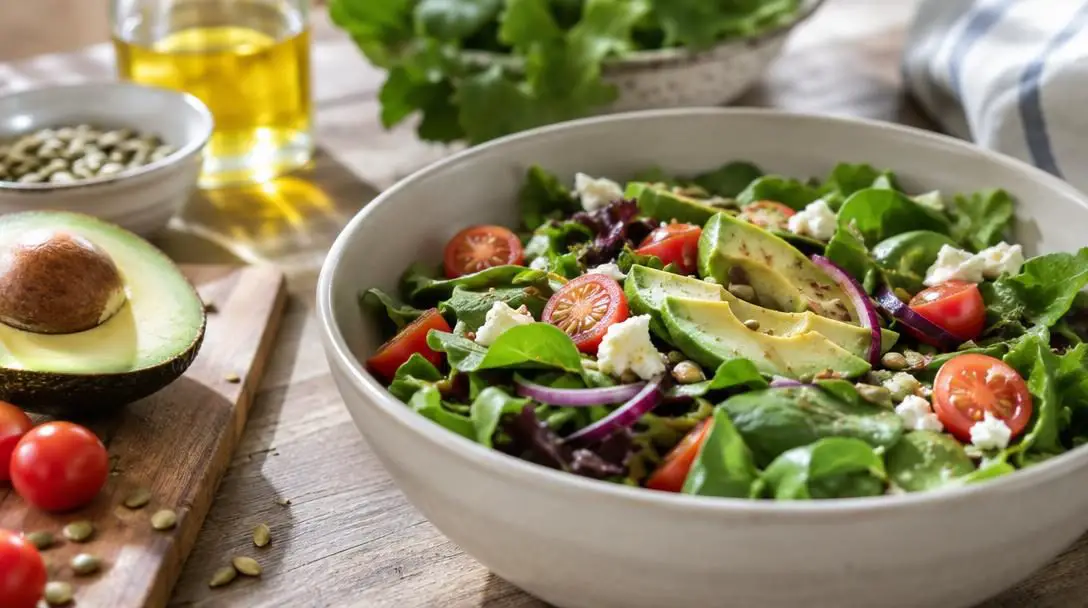
Consider blending sturdy romaine for crispness with tender baby spinach for earthy sweetness. Adding arugula introduces a sharp, peppery punch, while finely sliced kale brings dense chew and a hearty, mineral backbone. By balancing mild, bitter, tender, and crunchy leaves, each forkful offers an engaging mix of flavors and textures that prevents palate fatigue.
Peak freshness from local sources
The baseline flavor of any raw salad depends entirely on the initial quality of your produce. Supermarket greens, cucumbers, and tomatoes often endure long transit cycles and extended refrigeration in commercial distribution networks. This prolonged storage dulls natural sweetness, degrades delicate aromas, and turns crisp textures soft and mealy.
Sourcing your ingredients from a neighborhood farmer's market bridges this freshness gap. Produce sold directly by regional growers is harvested close to its peak ripeness rather than picked prematurely for long shelf life. Farm-fresh tomatoes retain their aromatic floral notes, while locally picked cucumbers and lettuces boast maximum hydration and snap. Using superior raw ingredients means you need far less effort to make the finished bowl taste exceptional.
Balancing flavor with scratch dressings
Bottled dressings found in grocery aisles are formulated for extreme shelf stability, meaning they are frequently loaded with artificial preservatives, excessive gums, and generic flavor balances. They tend to mask the flavor of fresh vegetables behind cloying sweetness or dense, synthetic emulsifiers.
Whipping up a vinaigrette from scratch takes only a couple of minutes and affords total authority over flavor dynamics. A classic vinaigrette relies on a balanced ratio of good-quality oil to acid, usually olive oil paired with vinegar or citrus juice, seasoned with minced garlic, kosher salt, and freshly cracked black pepper. Making it fresh allows the aromatic nuances of extra-virgin olive oil and the bright snap of acid to shine, creating a dressing that elevates rather than suffocates the greens.
Making dressing from scratch ensures that bright, fresh acidity enhances your vegetables instead of burying them under heavy commercial preservatives.
Even coating through pre-tossing
A classic home-cooking blunder is plating naked greens and pouring a puddle of dressing directly across the top. This produces an unbalanced meal where the upper layer of leaves is drowned in oil and vinegar, while the lower layers remain completely untreated.
Restaurant cooks always toss salads in a large, curved mixing bowl before transferring them onto serving dishes. This step ensures that every leaf receives an imperceptible, microscopic layer of seasoned oil. As the leaves glide past one another in the presence of dressing, the liquid distributes evenly over every contour, ensuring consistent flavor and texture across every bite.
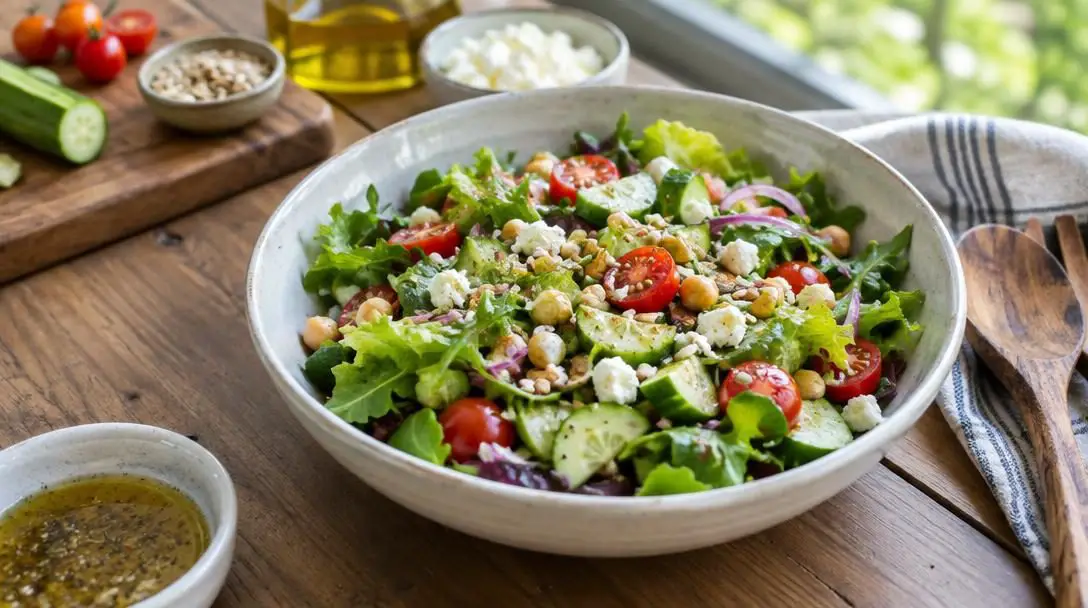
Step-by-step guide to crafting a restaurant-quality salad
Executing an exceptional salad requires adhering to a deliberate order of operations. Taking a structured approach prevents wilting, maintains crunch, and ensures every element is seasoned to perfection.
- Wash and dry the greens thoroughly: Submerge your selected leaves in a basin of cold water to float away grit and soil. Transfer them in uncrowded batches to a salad spinner and spin vigorously until the leaves are dry to the touch.
- Tear and chop into uniform pieces: Cut or tear your greens into manageable, bite-sized fragments. Chop hardy additions like kale into fine ribbons, and remove tough central ribs where necessary to make eating comfortable.
- Prepare seasonal vegetables uniformly: Slice crisp cucumbers, radishes, and ripe tomatoes into consistent, bite-sized shapes. Uniform slicing keeps heavier vegetables from sinking immediately to the bottom of the serving bowl.
- Whisk the vinaigrette: In a small bowl or clean glass jar, combine your olive oil, vinegar, minced garlic, kosher salt, and black pepper. Whisk or shake vigorously until the mixture temporarily emulsifies into a smooth, glossy liquid.
- Toss in a spacious mixing bowl: Place your dried greens and sliced vegetables into a wide bowl that provides ample room for movement. Drizzle a small amount of dressing around the perimeter of the bowl and use clean hands or tongs to gently lift and fold the ingredients until lightly coated.
- Plate and serve immediately: Transfer the tossed salad from the prep bowl onto chilled plates or a serving platter. Serve right away to enjoy the greens at their peak crispness before the acid begins to tenderize the leaves.
Common salad mistakes to avoid
Even when cooking with the finest market-fresh produce, subtle technical missteps can undermine the final dish. Keeping these common pitfalls in mind ensures your salad maintains its intended crispness and balance:
- Relying on paper towels instead of a spinner: Patting leaves with paper towels leaves moisture trapped in the crevices of crinkly leaves. This residual water dilutes your dressing and encourages fast wilting.
- Drowning the salad in too much dressing: Excessive vinaigrette weights down delicate leaves and pools into an unappetizing sludge. Always start with a modest drizzle, toss thoroughly, and add more only if the leaves still look matte.
- Dressing your greens ahead of time: The salt and acid in vinaigrettes degrade the cellular structure of tender greens through osmosis. Tossing greens even thirty minutes before serving will turn them into a limp, soggy mass.
- Slicing with a dull kitchen knife: Dull blades crush plant cells rather than cleanly separating them. This cellular bruising causes the edges of lettuce and cucumbers to leak moisture and rapidly oxidize into an unsightly brown color.
- Buying flavorless, out-of-season produce: Using rock-hard, pale tomatoes in the dead of winter brings a mealy, watery texture to your bowl. When prime seasonal choices are unavailable, lean on durable vegetables like cabbage or root crops.
Expanding your salad-making skills
Once you have built confidence with the fundamental techniques of moisture removal, diverse leaf blending, and scratch dressings, you can begin experimenting with more advanced flavor and texture combinations to create restaurant-caliber centerpieces.
A simple way to build on these fundamentals is to explore alternative acid profiles in your homemade dressings. While standard red wine vinegar is dependable, substituting citrus juice like fresh lemon or lime yields a crisp, vibrant dressing that pairs well with light, tender greens. Apple cider vinegar introduces subtle orchard sweetness, whereas aged balsamic brings rich, complex depth. You can also incorporate natural binding agents: a teaspoon of Dijon mustard or a small drizzle of honey not only adds savory or sweet complexity, but also keeps the oil and vinegar emulsified far longer.
Texture contrast is another hallmark of memorable dining. Look beyond raw vegetables by folding in crunchy elements such as toasted walnuts, roasted pumpkin seeds, scratch-made sourdough croutons, or crispy roasted chickpeas. Pairing these crunchy components with creamy accents—like crumbled feta, shaved aged parmesan, or ripe avocado slices—balances the acidity of the vinaigrette and rounds out each bite.
Finally, these preparation principles easily scale to hearty grain salads. Incorporating chilled, cooked whole grains such as farro, quinoa, or wheat berries into your tossed greens transforms a simple side dish into a nutritious, satisfying meal that holds up well for lunch or dinner.
Frequently asked questions
Why does dressing slide off my salad leaves?
Dressing slides off salad leaves because water and oil do not mix. If your washed greens retain surface moisture, that water creates a protective barrier that repels the oil in your vinaigrette. Spinning the leaves in a salad spinner until they are completely dry allows the oil-based dressing to cling directly to the leaf surface.
Can I prepare my salad greens ahead of time?
Yes, you can wash, spin-dry, and chop your greens several hours or even a couple of days in advance. Store the dry greens in an airtight container lined with a dry paper towel in your refrigerator's crisper drawer. However, you should never add the dressing until seconds before serving, as the salt and acid will cause the leaves to wilt quickly.
What is the ideal ratio of oil to acid in a homemade vinaigrette?
The culinary standard for a basic vinaigrette is three parts oil to one part acid, such as three tablespoons of olive oil to one tablespoon of vinegar. However, you can adjust this ratio depending on the acidity of your vinegar and personal preference; heartier greens often benefit from a brighter, more acid-forward balance.
Is a salad spinner really necessary if I have paper towels?
A salad spinner is essential for achieving truly dry greens. Paper towels only absorb water from the flat outer surface and often fail to remove moisture hidden in the curled folds of leafy greens. The centrifugal force of a spinner pulls water out from every fold without bruising the leaves.
How can I tell if I have added enough dressing?
Properly dressed greens should exhibit a faint, glistening sheen over their entire surface without any liquid pooling at the bottom of the bowl. If the leaves appear completely matte, add a tiny splash more; if liquid accumulates beneath the leaves, the salad has been over-dressed.
The bottom line
Restaurant-quality salads are not the result of complicated culinary wizardry; they are the direct product of attentive kitchen technique. By stripping away excess moisture with a salad spinner, combining diverse greens, sourcing fresh regional produce, whisking up vibrant scratch vinaigrettes, and tossing everything evenly before serving, you eliminate every common flaw that plagues home-cooked greens. Adopting these thoughtful preparation habits ensures that every bowl you create at home is vibrant, crisp, and deeply satisfying.