The Art of Upcycling: Breathing New Life into Old Items
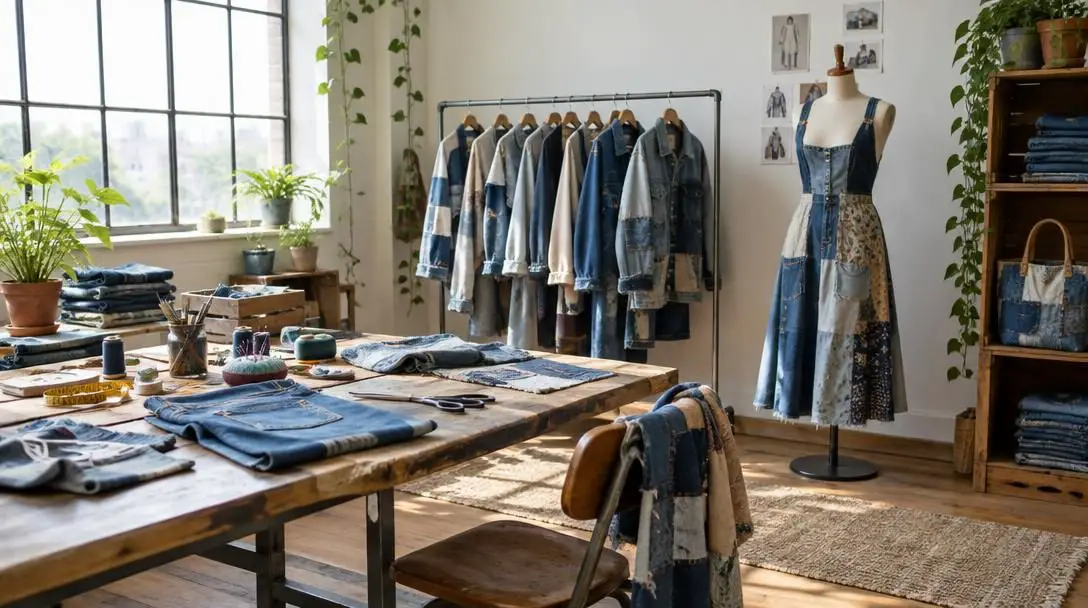
Every household eventually accumulates a surplus of unwanted goods, from worn-out apparel and outgrown linens to empty glass containers and outdated decor. In standard consumer routines, these items are frequently discarded into the trash once their initial charm fades or minor wear appears. Upcycling offers a creative, environmentally responsible alternative by taking these obsolete possessions and reconfiguring them into functional, attractive assets for the home.
Rather than relying on industrial recycling that expends energy to melt down or disintegrate base materials, upcycling works directly with existing items. By applying basic household tools, thoughtful mending, and creative imagination, you can intercept goods headed for the landfill, drastically cut your household waste, and introduce original, personalized objects into your living space without spending money on store-bought replacements.
Key takeaways
- Upcycling transforms discarded household goods into functional, high-utility products without industrial reprocessing.
- Repurposing relies on three core methods: altering an object's form, redirecting its intended function, or combining scrap materials.
- Engaging in DIY repurposing delivers tangible ecological, economic, and stress-relieving mental health advantages.
- Successful projects start with sturdy base materials, realistic project scopes, and tools you already own.
Understanding upcycling and its circular mechanics
To grasp the true value of upcycling, it helps to examine standard manufacturing and disposal cycles. Modern consumption traditionally follows an unsustainable linear trajectory: raw materials are extracted from nature, refined in industrial factories, distributed to retail shelves, used for a brief period, and eventually thrown into municipal landfills. This linear path generates vast quantities of household solid waste while simultaneously driving relentless industrial demand for fresh raw inputs, fuel, and water to manufacture replacements.
Upcycling fundamentally breaks this linear chain by treating discarded objects not as trash, but as pre-existing raw resources. Rather than degrading items down to raw pulp, glass cullet, or plastic pellets through resource-intensive recycling operations, upcycling preserves the structural integrity of the object. The original physical energy and manufacturing effort invested in the item remain intact, requiring only minimal creative labor to establish a new role.
This creative intervention operates primarily through three distinct mechanical approaches:
- Form alteration: Deconstructing, trimming, or reshaping an item to establish an entirely different silhouette or garment structure.
- Functional redirection: Maintaining an object's original physical geometry while assigning it an entirely new domestic duty.
- Material combination: Gathering scraps, fabric offcuts, or structural fragments from several disparate sources to assemble a single coherent item.
| Mechanism | Primary Action | Required Tools and Materials | Household Application |
|---|---|---|---|
| Form Alteration | Cutting, trimming, and tailoring base silhouettes | Fabric scissors, sewing needle, sewing machine | Cropping worn trousers into durable summer shorts |
| Functional Redirection | Preserving physical shape while altering domestic purpose | Paint, surface cleaners, craft adhesive | Converting rinsed glass bottles into taper candleholders |
| Material Combination | Stitching or joining fragments from diverse discards | Thread, glue gun, scrap wood, fabric offcuts | Sewing multi-patterned fabric scraps into a patchwork cushion |
The environmental, financial, and mental health benefits
Choosing to salvage and repurpose obsolete household items yields immediate benefits across several areas of everyday life. On an ecological level, every item diverted from the disposal bin reduces the volume of solid waste filling local landfills. Furthermore, by repurposing items you already possess, you reduce the market demand for brand-new commercial goods, thereby cutting the carbon emissions, water consumption, and chemical runoff associated with industrial production and retail shipping.
From an economic perspective, upcycling acts as a practical safeguard for your household budget. Home decorating, seasonal wardrobe updates, and children's play items can represent significant recurring expenses. By relying on salvageable materials found in storage bins or closets, you produce custom storage, fashionable apparel, and whimsical playthings for virtually no financial expenditure.
Upcycling transforms discarded waste into an imaginative starting point, proving that utility and beauty rarely require brand-new purchases.
Beyond material and monetary gains, upcycling delivers verified mental health benefits. Engaging in hands-on crafting and tactile problem-solving offers a restorative creative outlet away from digital screens. Working through the steps of designing, measuring, sewing, or painting promotes focused relaxation, alleviates chronic daily stress, and rewards the maker with a profound sense of self-reliance and creative accomplishment once the finished piece enters daily service.
Creative upcycling ideas across household categories
Virtually any room in the house contains items ready for a functional revival. Whether you are looking through overloaded clothing racks, scouring kitchen pantry shelves, or organizing play areas, simple techniques can quickly breathe utility into forgotten belongings.
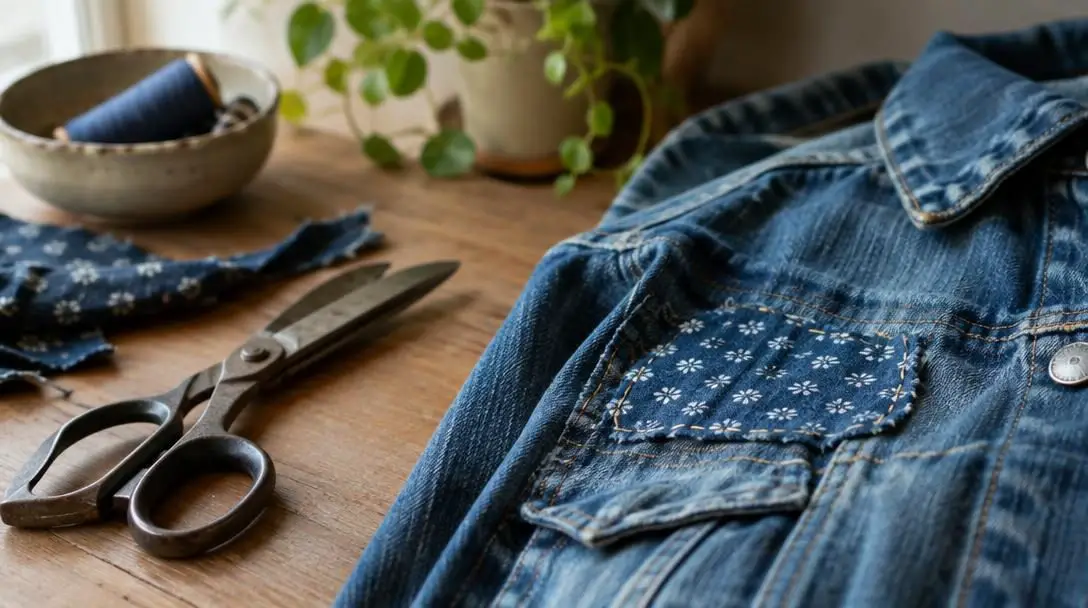
Old T-shirt into a reusable shopping bag
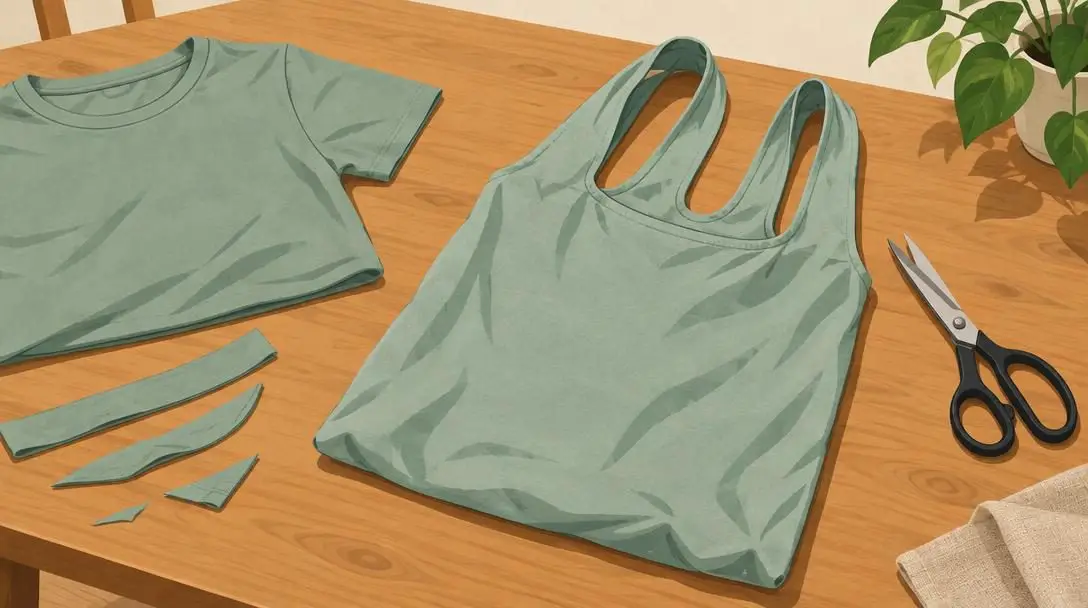
Cotton jersey T-shirts possess remarkable tensile strength and natural flexibility, making them prime candidates for light utility bags. By removing the sleeves, expanding the neckline to form open handles, and sewing or tying off the bottom hemline securely, you produce a washable, flexible tote bag suitable for carrying produce, books, or everyday gym gear without requiring complex tailoring skills.
Pants and skirts cropped into casual shorts
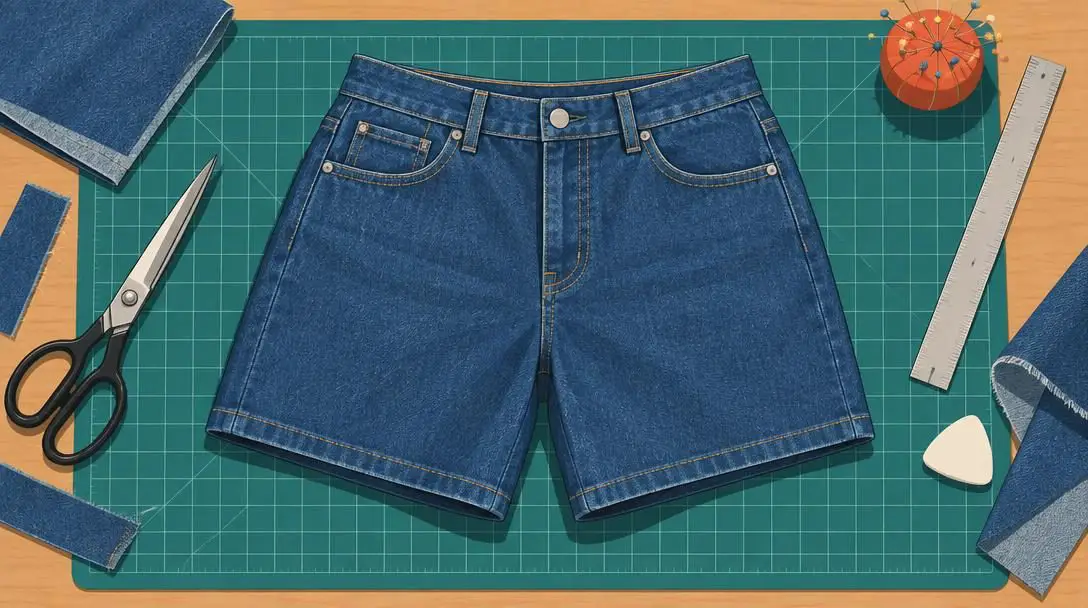
Trousers, denim jeans, and flowing skirts frequently suffer localized wear around the hems, knees, or lower seams while the waistbands and hips remain completely intact. Trimming the lower legs or hem with sharp fabric shears and finishing the raw edges with a simple hem stitch or deliberate frayed fringe quickly yields sturdy, stylish warm-weather shorts.
Glass mason jars repurposed into floral vases

Sturdy glass jars originally used for canning, sauces, or preserved foods offer balanced weight and classic proportions. Thoroughly washing the glass, peeling away adhesive labels, and coating the exterior with decorative acrylic paint or wrapping the neck with twine converts an empty food container into an attractive, durable tabletop vase for fresh seasonal blooms.
Empty wine bottles used as elegant candlesticks

Glass wine and beverage bottles feature elongated necks that naturally hold standard taper candles upright. Once stripped of commercial paper labels and cleaned of internal residue, these bottles provide stable, heat-resistant candlestick holders that bring rustic elegance and ambient illumination to dinner tables and mantelpieces.
Worn bed sheets transformed into cushions and quilts
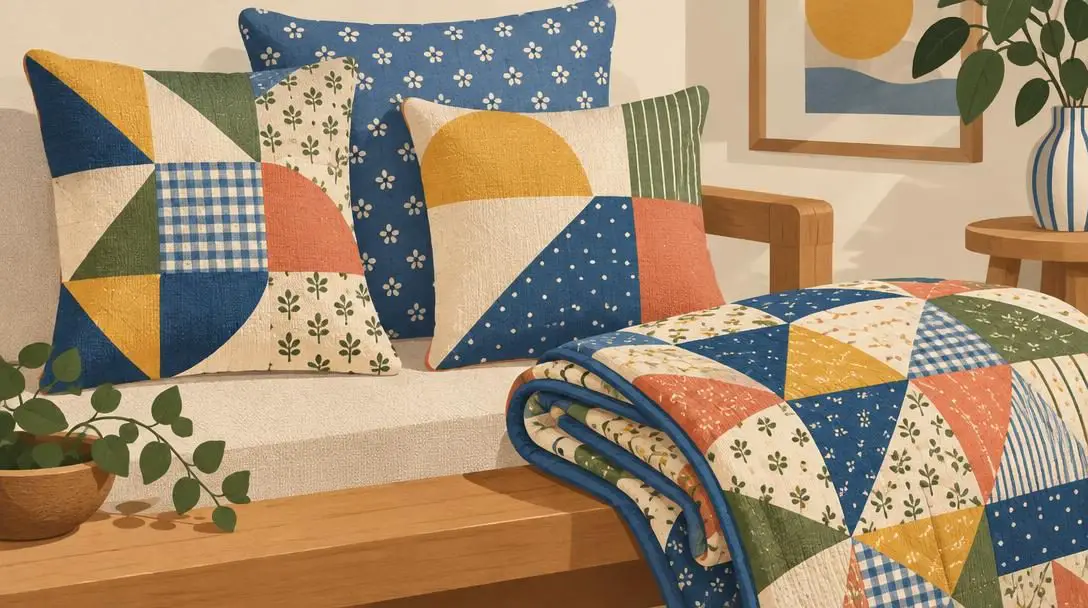
Bed sheets and duvet covers provide expansive yards of clean, woven cotton or linen that often survive decades of laundering. Cutting intact sections out of worn sheets allows you to assemble multi-layered patchwork quilt tops or stitch together envelope-style cushion covers to rejuvenate tired sofa pillows without purchasing fresh fabric yardage.
Mismatched socks crafted into whimsical puppets

Solitary socks whose counterparts have vanished in the wash can be easily saved from the trash can. By attaching spare buttons for eyes, stitching scrap yarn along the heel to mimic hair, and creating a defined mouth fold, a clean sock becomes an expressive hand puppet that entertains young children and sparks storytelling games.
Discarded vintage books converted into scrapbooks and journals
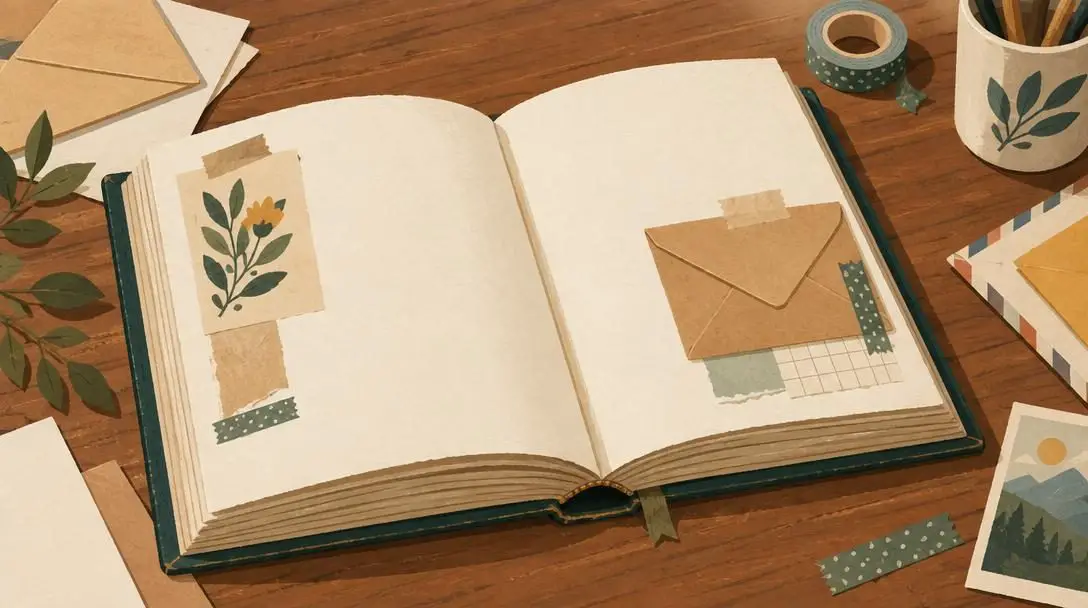
Old hardcover volumes with outdated text or damaged interior pages feature rigid, resilient bindings designed to endure handling. Carefully removing damaged text blocks or gluing custom blank paper, envelopes, and cardstock directly over existing printed pages transforms an unread book into an artistic keepsake journal or photo album.
Paper towel cardboard rolls made into children's toys

The cylindrical cardboard cores from household paper towels and bath tissue provide versatile, lightweight structural tubes. Children can easily cut, paint, punch holes in, and assemble these tubes into miniature race cars, castle turrets, binoculars, or marble runs, providing creative entertainment while demonstrating practical waste diversion.
Essential tools and scrap materials to keep on hand
Embarking on repurposing projects does not demand a costly professional workshop. Setting up a dedicated storage container with a compact selection of versatile household hand tools ensures you are always prepared to alter, bond, and restore materials when inspiration strikes.
Assemble these core household implements to handle most domestic projects:
- Fabric and paper scissors: High-grade shears ensure clean, precise cuts through dense fabrics, yarn, light plastics, and cardboard.
- Hand sewing needles and thread: Indispensable for mending dropped seams, affixing buttons, and assembling small textile novelties.
- Household sewing machine: Greatly accelerates the assembly of extensive fabric projects, hem adjustments, and sturdy quilted seams.
- Pliers: Helpful for bending wire fasteners, extracting small structural nails, and holding rigid items firmly during assembly.
- Hot glue gun: Provides fast-setting, high-strength adhesion across wood, cardboard, ceramics, dense textiles, and glass.
Alongside these mechanical tools, establish a clean reserve of common raw materials gathered from around the house:
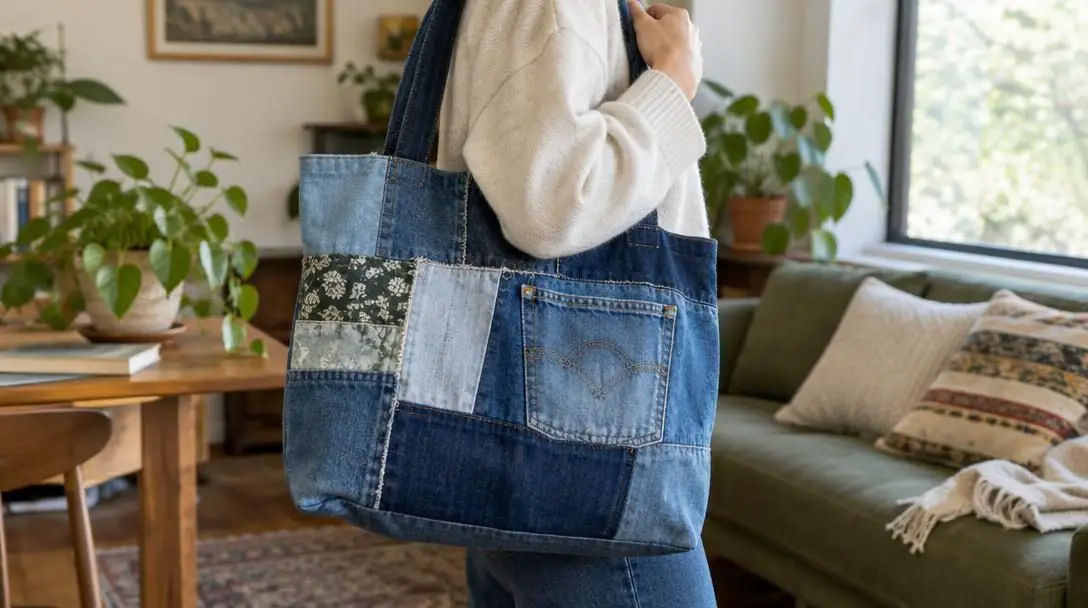
- Fabric scraps and outgrown garments: Collected from worn clothes, denim pockets, and stained linens for patching and construction.
- Sewing thread: A small selection of neutral and vibrant threads to handle both invisible structural repairs and decorative stitching.
- Household paint and craft adhesives: Leftover interior wall paint, acrylics, and multi-surface glues for sealing and decorating.
- Salvaged wood offcuts: Small lumber remnants, dismantled shipping crates, or discarded furniture panels for rigid craft bases.
Step-by-step process for launching a project
Transitioning from a disorganized pile of discarded belongings to a durable, completed project is easy when you approach the crafting process systematically. Following a structured series of practical steps prevents common errors and ensures the final object fulfills its new role reliably.
- Audit your household discards: Systematically gather unwanted clothing, empty glass vessels, cardboard cylinders, and scrap textiles from your closets, pantry, and storage bins into a central sorting zone.
- Inspect physical condition and structural integrity: Examine each item carefully. Reject fragile glass, splintered or rotten wood, and threadbare fabrics that tear under light tension, ensuring the base materials can endure regular daily use.
- Define the new functional purpose: Identify an exact household problem you need to resolve, such as organizing desk sundries, replacing a worn tote bag, or decorating a shelf, and match that need directly to your available salvage materials.
- Gather existing household tools and materials: Assemble your scissors, needles, adhesives, paint brushes, and scrap materials in a clear work area before beginning, avoiding unnecessary trips to retail craft stores.
- Prepare and clean the base surfaces: Launder all textiles to remove dust and oils, thoroughly wash and degrease glass jars and bottles, remove commercial adhesive labels, and wipe down wood pieces.
- Construct, alter, and assemble: Cut, sew, join, or paint your piece with patient craftsmanship. Double-stitch stress seams and allow glues and painted coatings to cure completely according to manufacturer guidelines.
- Test the finished item in daily service: Put the upcycled product to immediate practical use. Load your fabric tote bag with books, place a burning candle in your glass holder, or test your altered shorts for comfort to verify strength and utility.
Common pitfalls and mistakes to avoid
While upcycling encourages artistic freedom, beginners frequently make avoidable errors that result in unfinished clutter or fragile, impractical items. Keeping key practical guidelines in mind preserves both your time and the economic value of your effort.
- Tackling overly ambitious projects: Taking on complex furniture reupholstery or intricate cabinetry without foundational skills often leads to frustration and abandoned projects. Build confidence by mastering simple projects first, such as converting a T-shirt into a tote or painting jars for desktop storage.
- Working with fragile or degraded materials: Applying creative effort to brittle plastics, dry-rotted textiles, or cracked glass yields disappointing results. A project is only as durable as its foundational components.
- Forgetting practical utility: Highly embellished craft items that serve no functional purpose simply create new forms of household clutter. Always prioritize genuine, usable everyday function over mere cosmetic decoration.
- Purchasing excessive new craft supplies: Spending large sums on specialized decorative trimmings, expensive fasteners, or specialty tools defeats the primary economic and ecological purpose of upcycling. Strive to work strictly with what you already have on hand.
Frequently asked questions
How does upcycling differ from traditional recycling?
Traditional industrial recycling breaks discarded items down into raw elemental materials through mechanical shredding, melting, or chemical breakdown, consuming substantial energy. Upcycling bypasses industrial processing entirely by creatively altering and repurposing whole items into products of equal or greater utility using basic hand tools.
Do I need advanced sewing skills or expensive equipment to upcycle?
No specialized craftsmanship or costly machinery is required. Many projects, such as turning glass jars into vases, converting wine bottles into candlesticks, or making no-sew T-shirt tote bags, require only household scissors, hot glue, or simple hand-sewing needles to achieve sturdy, beautiful results.
What types of household materials are easiest for beginners to work with?
Cotton clothing, empty wide-mouth mason jars, clean cardboard tubes, and sturdy glass beverage bottles are the most accessible starting points. They are abundant in most homes, easy to clean, safe to manipulate, and require minimal cutting or specialized bonding agents.
How do I know if an old item is in good enough condition to upcycle?
Perform a quick physical inspection before beginning. Check fabrics by pulling firmly on seams to ensure fibers have not rotted or thinned excessively. Ensure wood pieces are solid without rot or severe insect damage, and verify that glass containers have no hairline fractures or chipped rims that could cause injury.
Can upcycling really save money on home decor and clothing?
Yes. Repurposing existing textiles into cushion covers, turning food packaging into functional desktop organizers, or altering existing garments into fresh seasonal clothing satisfies domestic needs without requiring new purchases, keeping home maintenance and decorating costs to a bare minimum.
The bottom line
Upcycling is far more than a passing weekend crafting trend; it represents a mindful, resourceful approach to material stewardship within the home. By taking a critical second look at worn garments, empty containers, and structural offcuts before sending them to the curb, you can divert tons of municipal waste while crafting functional, durable home goods that reflect your personal taste.
To integrate upcycling permanently into your lifestyle, establish a designated salvage bin in a utility closet to systematically collect scrap fabrics, spare fasteners, and sturdy containers for future projects. Furthermore, consider the potential afterlife of future purchases: opting for solid woods, heavy cottons, and durable glassware ensures that whatever you introduce to your home can be continually reinvented for years to come.