
5 Essential Oils And Their Essential Uses
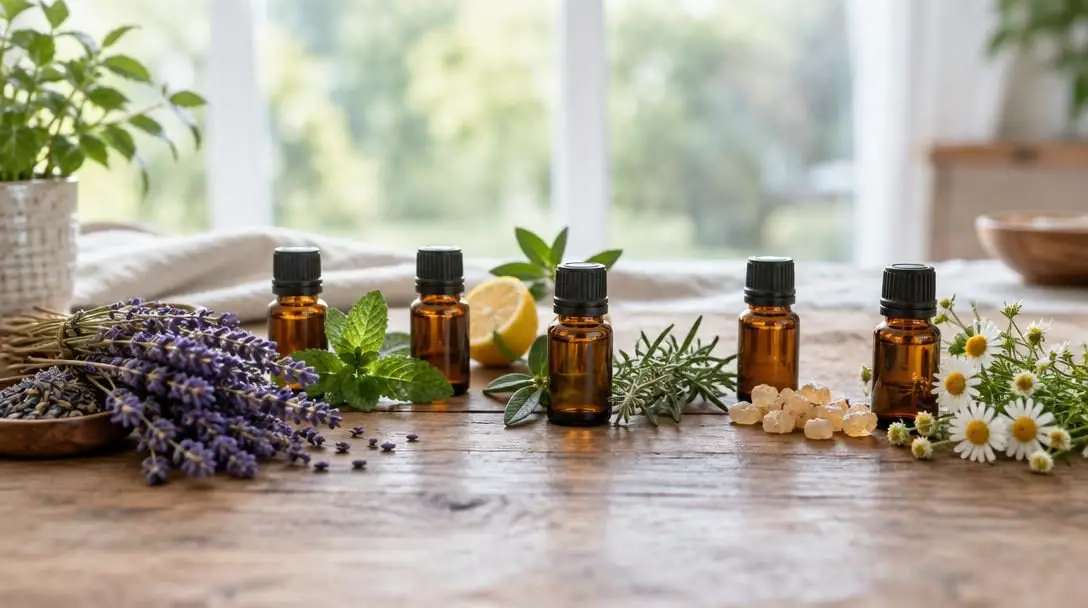
Botanical extracts have occupied a valued place in household care, traditional wellness, and everyday comfort routines across various cultures for generations. Today, essential oils are experiencing a major modern resurgence worldwide. While opinions differ regarding their full range of capabilities, countless individuals incorporate these aromatic botanical liquids into their day-to-day habits to foster peaceful atmospheres, refresh their homes, and ease ordinary physical tension.
Extracted from various plant parts including leaves, flowering spikes, and citrus peels, essential oils capture the authentic aroma and natural characteristics of their botanical sources. However, incorporating these potent extracts into modern living calls for both curiosity and healthy caution. While many enthusiasts praise their versatility, essential oils should never replace professional medical care, and anyone considering them for wellness purposes should speak with a healthcare provider before beginning.
Key takeaways
- Essential oils are highly concentrated plant extracts derived from peels, leaves, and flowering spikes that capture concentrated botanical aromas and functional attributes.
- Foundational oils such as lavender, orange, lemon, eucalyptus, and peppermint offer distinct benefits ranging from stress reduction to surface cleaning and pest prevention.
- Proper dilution using neutral carrier oils like coconut oil is vital to protect the skin and prevent contact sensitivity.
- Botanical extracts can complement a mindful household routine, but they should never substitute for professional medical treatment or expert guidance.
How Botanical Extracts Interact with Daily Spaces
To use plant extracts effectively, it is essential to understand the primary ways individuals interact with them: through ambient inhalation, through topical contact, and through functional domestic cleaning. When dispersed into the air via an ultrasonic diffuser or room spray, microscopic aromatic molecules stimulate the olfactory system. This aromatic sensory pathway can encourage an immediate shift in environmental mood, helping to soften everyday stress, ease feelings of fear, or foster an energizing living space.
Topical application requires a very different approach. Because pure plant oils are volatile and intensely concentrated, placing them directly onto the skin can cause redness, irritation, or burning sensations. Blending these extracts into a carrier medium, such as coconut oil, slows down surface evaporation and allows the beneficial properties to absorb safely into targeted areas. This localized method is frequently chosen to comfort tense muscles, soothe aching joints, or calm itchy skin.
In household spaces, the natural chemical make-up of specific botanical oils offers antimicrobial, antibacterial, and antifungal actions. When blended with basic household ingredients such as water or distilled white vinegar, these oils help break down surface grime, tackle stubborn indoor odors, and minimize the need for harsh synthetic cleaners.
At a Glance: Comparing the Five Foundational Oils
Different botanical sources yield completely distinct therapeutic qualities and domestic uses. This comparison highlights the core origins, primary attributes, and standout applications of the five most widely used extracts.
| Essential Oil | Plant Source | Primary Sensory Quality | Popular Practical Use |
|---|---|---|---|
| Lavender Oil | Flowering spikes | Floral and soothing | Bedtime linen misting and calming diffusion |
| Orange Oil | Citrus fruit rind | Bright and citrusy | Tackling room odors and natural bug prevention |
| Lemon Oil | Citrus fruit peel | Crisp, tart, and clean | Vinegar surface cleaning and morning sickness relief |
| Eucalyptus Oil | Eucalyptus leaves | Cool, camphoraceous, woodsy | Steam inhalation for mucous and outdoor bug spray |
| Peppermint Oil | Peppermint leaves | Sharp, minty, cooling | Tablets for digestive upset and skin itch relief |
The 5 Foundational Essential Oils and Their Applications
Lavender Oil
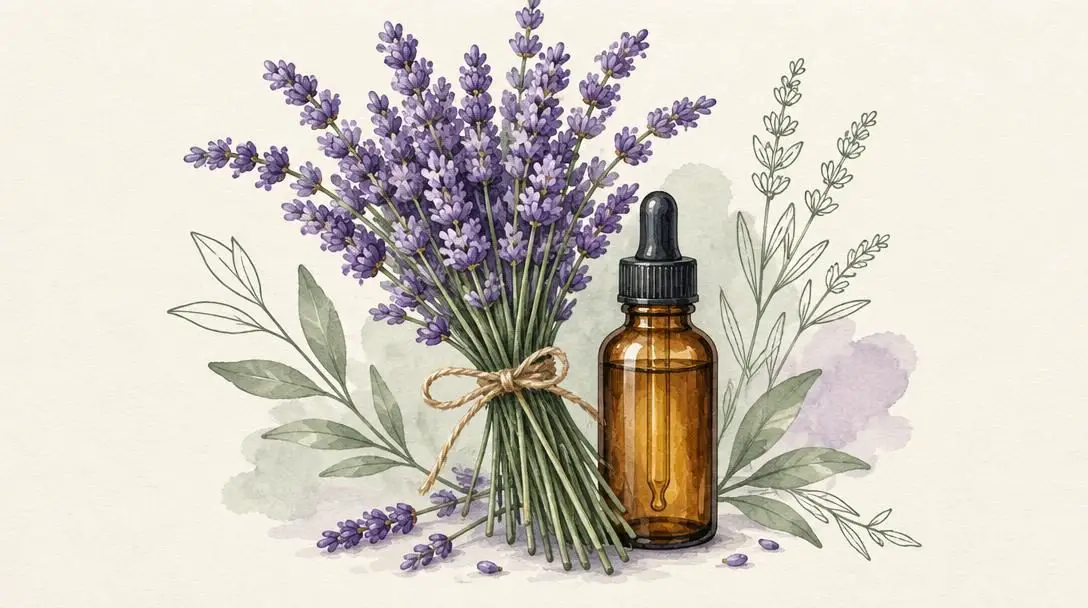
- Plant Source: Flower spikes of lavender species
- Core Qualities: Antioxidant, antimicrobial, calming, and mood-elevating
- Primary Settings: Bedside tables, bath routines, and ambient living areas
Derived from the delicate flower spikes of specific lavender species, lavender oil is arguably the most recognizable and widely used botanical extract in the world. Revered for centuries, it delivers a delicate floral fragrance that promotes tranquility and mental rest. Practitioners turn to lavender for its antioxidant and antimicrobial profile, utilizing its gentle chemistry to cultivate peaceful environments after hectic days. It has earned a standard spot in home wellness kits and nightstand collections.
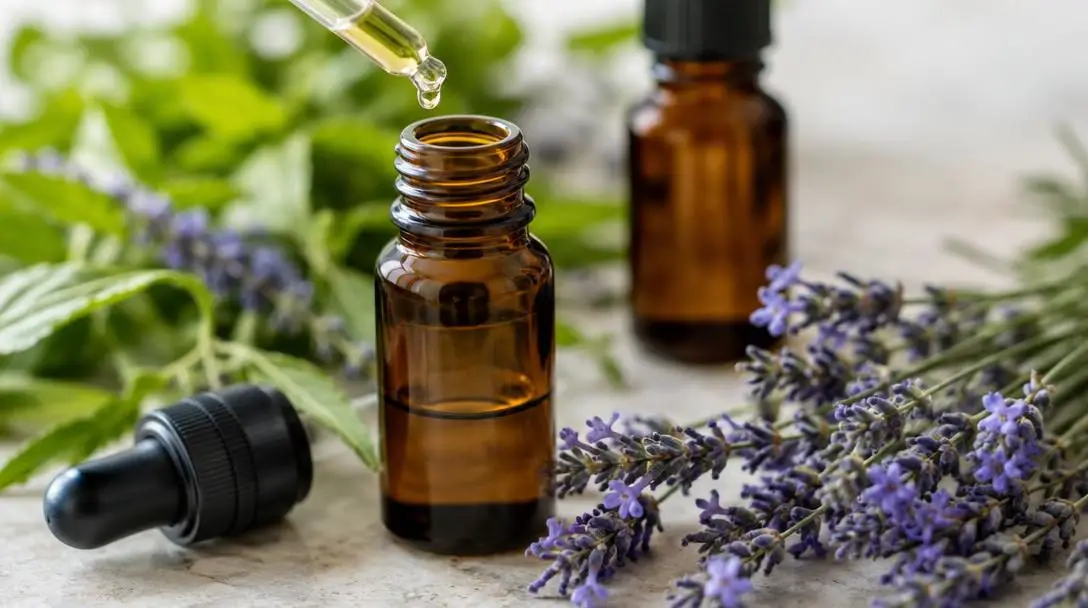
In addition to basic relaxation, some individuals believe that lavender oil can serve as a supportive natural option for diabetics, though clinical advice remains essential. Lavender easily adapts to multiple home methods: it can be diffused across bedrooms, added in small amounts to warm bathwater for evening unwinding, or blended with clean water to produce a gentle linen spray that encourages rest.
Orange Oil

- Plant Source: Processed orange rinds
- Core Qualities: Uplifting, deodorizing, and anti-inflammatory
- Primary Settings: Kitchen cleaning, facial care, and daytime diffusion
Cold-processed from the outer rinds of sweet oranges, orange oil provides an invigorating burst of citrus fragrance that instantly enlivens indoor spaces. Beyond its cheerful scent, orange oil contains properties that support both bodily comfort and household maintenance. When mixed with an appropriate carrier medium, orange oil is frequently massaged into tight muscles to help lessen muscle spasms and soothe local inflammation.
Skincare enthusiasts sometimes add a few drops of orange oil to facial steaming bowls to help manage acne and clarify congested pores. In aromatherapeutic diffusion, its presence helps reduce intense feelings of fear and anxiety. Around the house, orange oil acts as a potent deodorizer that cuts through heavy food or pet odors, and when diluted with water and sprayed, it offers an effective chemical-free method to eliminate nuisance bugs.
Lemon Oil
- Plant Source: Lemon peel
- Core Qualities: Antibacterial, antifungal, and revitalizing
- Primary Settings: Surface purification, respiratory support, and morning routines
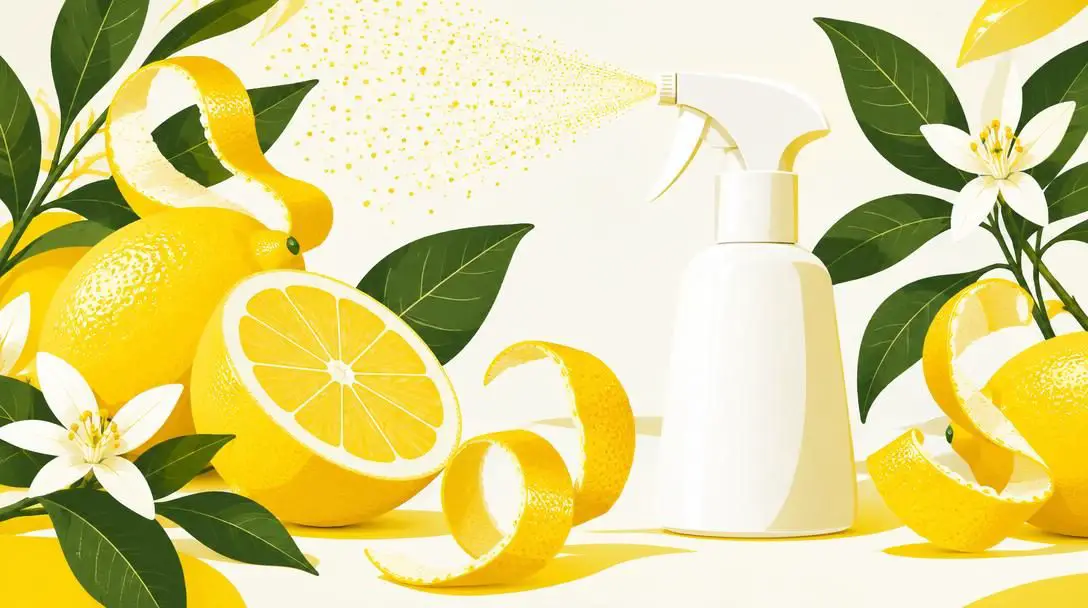
Obtained directly from the peel of the fruit, lemon oil is a versatile cleaning and wellness staple that belongs in every household. Renowned for its sharp, purifying aroma, lemon oil is extensively utilized in traditional aromatherapy to elevate mental clarity, reduce daily stress, soothe irritated sore throats, and ease mild breathing issues. Furthermore, many pregnant women turn to inhaling diffused lemon oil as a gentle, natural technique to help manage morning sickness.
The practical utility of lemon oil extends deep into domestic care. Because it carries natural antifungal and antibacterial characteristics, it makes an outstanding addition to DIY household cleaners. By combining distilled water, basic white vinegar, and several drops of pure lemon oil, homeowners can produce an all-purpose surface spray that dissolves grease, sanitizes counter surfaces, and leaves behind a refreshing citrus scent.
Essential plant extracts capture concentrated botanical power, offering a natural bridge between mindful personal comfort and non-toxic household care.
Eucalyptus Oil
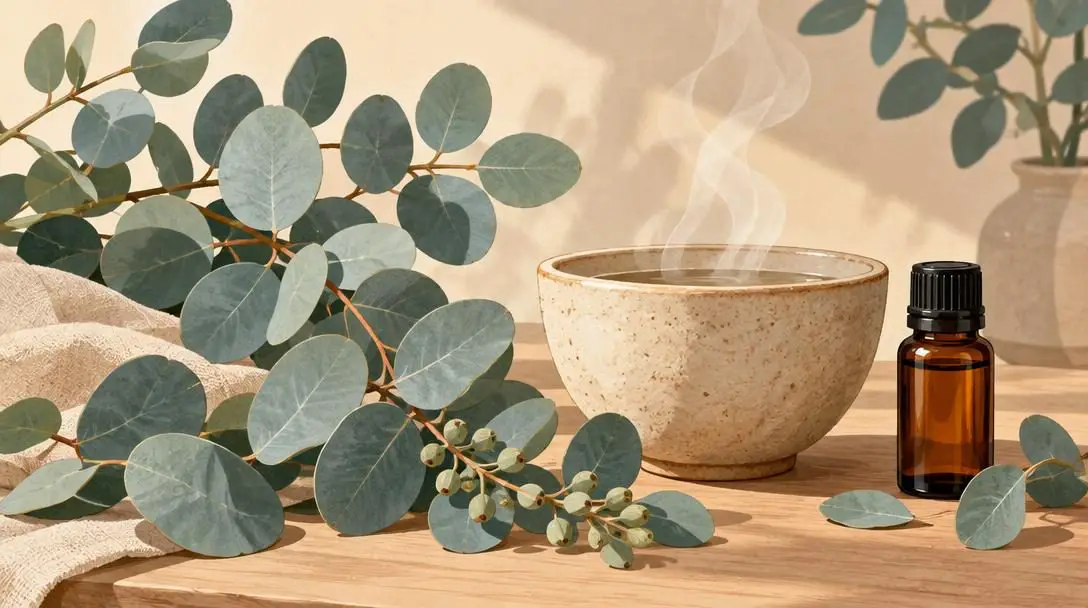
- Plant Source: Eucalyptus leaves
- Core Qualities: Analgesic, decongestant, and insect-repelling
- Primary Settings: Warm showers, outdoor clothing, and steam inhalation
Carrying a distinct, woodsy, and penetrating aroma, eucalyptus oil is a cornerstone extract favored by natural medicine practitioners worldwide. It is celebrated primarily for its pain-relieving abilities and its remarkable capacity to support the respiratory system. When common colds or environmental changes produce respiratory congestion, introducing eucalyptus oil to a facial steamer or steam inhaler helps thin out stubborn phlegm and loosen mucous in the airways.
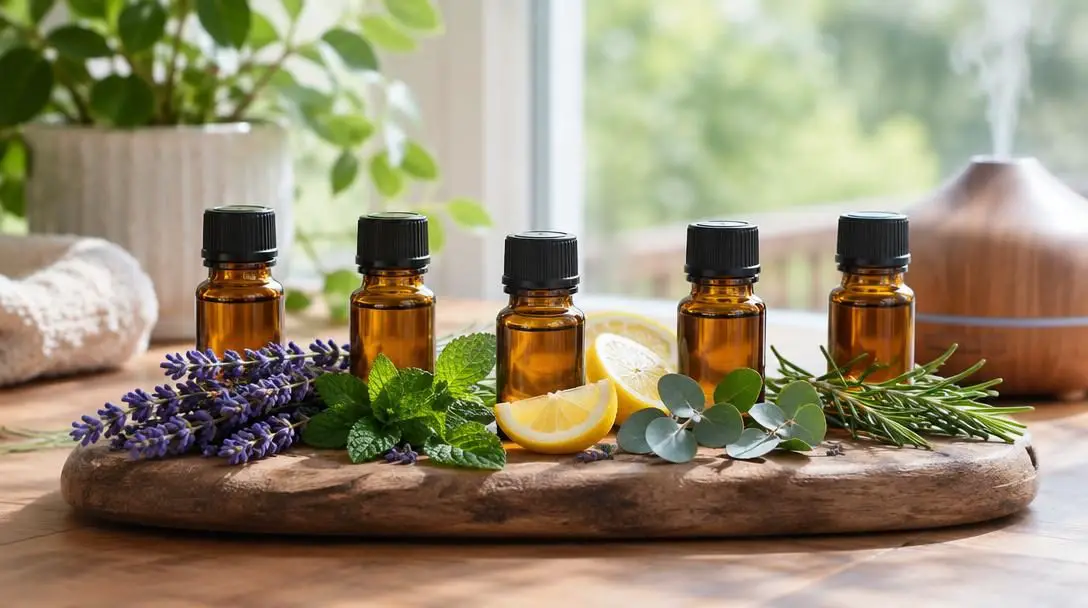
In addition to respiratory support, eucalyptus oil serves as an exceptional natural defense for outdoor enthusiasts. By diluting the oil with water and misting it across clothing and exposed skin, individuals can create an effective shield against annoying mosquitos without resorting to heavy synthetic chemical repellents.
Peppermint Oil
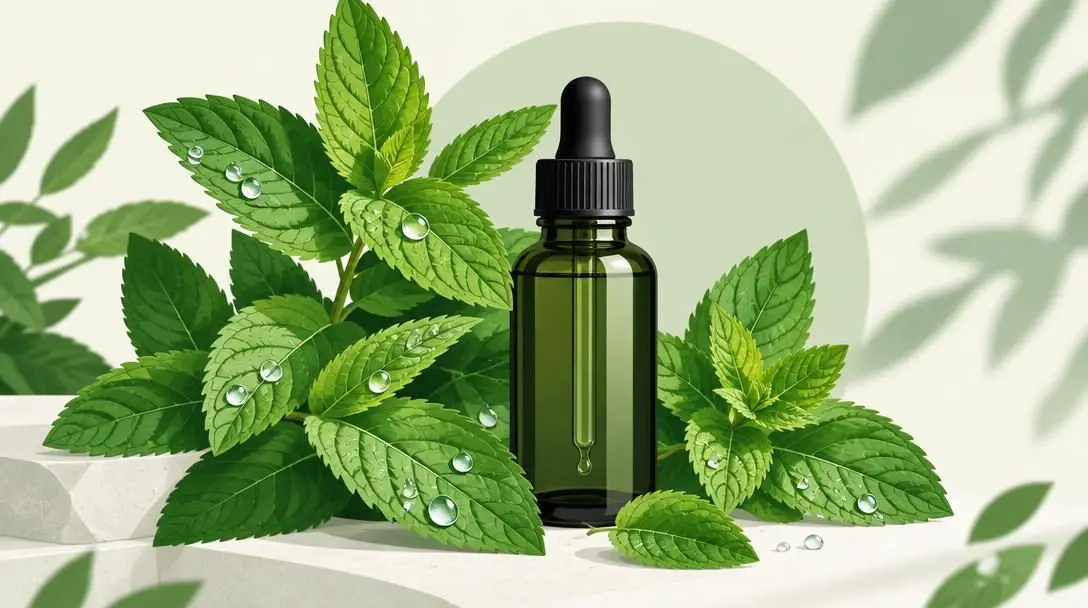
- Plant Source: Peppermint leaves
- Core Qualities: Cooling, analgesic, and gastrointestinal calming
- Primary Settings: Digestive support, muscle rubs, and topical itch relief
While culinary peppermint leaves add bright flavor to teas and confections, the concentrated peppermint oil extracted from the plant holds far greater potency for functional comfort. Peppermint oil contains strong cooling constituents that make it a premier remedy for localized discomfort. Applied topically in a carrier oil two to three times per day, it provides reliable relief for nagging muscle tension and aching joints.
For internal digestive health, specially manufactured peppermint oil tablets are widely relied upon to calm the stomach, ease abdominal distress, and normalize bowel irregularities such as constipation and diarrhea. Natural wellness practitioners also advise mixing a few drops of peppermint oil into pure coconut oil to soothe persistent skin itchiness and provide immediate dermal comfort.
Step-by-Step Guide to Applying Essential Oils at Home
Harnessing plant extracts safely requires structured preparation. Below are clear, step-by-step instructions for integrating these five foundational oils into daily wellness and household chores.
- Diffuse for mood balance: Fill an ultrasonic diffuser with fresh tap water up to the indicated marker line. Add three to five drops of lavender to relax, orange to alleviate anxiety, or lemon to ease mental stress, then switch on the unit in a well-ventilated room.
- Prepare a soothing bath: Draw a warm bath and disperse one or two drops of pure lavender oil directly into the flowing water immediately before getting in, allowing the warm steam to circulate the calming aroma.
- Formulate a relaxing fabric mist: Pour distilled water into a clean spray bottle and add several drops of lavender oil. Shake the bottle vigorously before lightly misting bedsheets, pillowcases, or living room upholstery.
- Blend localized massage oils: Measure one tablespoon of neutral carrier oil, such as virgin coconut oil, into a small dish. Blend in two to three drops of peppermint oil for aching joints or orange oil for muscle spasms, and massage into the affected skin two to three times daily.
- Assemble a respiratory steam bowl: Bring a small pot of water to a simmer, transfer it to a heat-safe bowl, and stir in two drops of eucalyptus oil to break up phlegm, or orange oil to soothe acne-prone skin. Drape a light towel over your head and gently inhale the steam.
- Mix a non-toxic surface cleaner: Combine equal parts white vinegar and distilled water inside an empty spray bottle. Add ten to fifteen drops of lemon oil for antibacterial cleaning power, shake thoroughly, and wipe down countertops, sinks, and tile surfaces.
- Create an outdoor insect shield: Fill a fine-mist spray bottle with water and add ten drops of eucalyptus oil. Shake well and spray across jackets, pants, socks, and bare arms before walking into mosquito-prone woods or gardens.
Mistakes to Avoid When Using Plant Extracts
Because botanical oils are hundreds of times more concentrated than raw dried herbs, everyday missteps can result in adverse reactions. Always steer clear of these frequent mistakes:
- Applying undiluted oils to the body: Placing neat essential oils straight onto skin without a carrier oil barrier risks chemical irritation and sensitizing reactions. Always blend them with a carrier such as coconut oil.
- Substituting botanical extracts for professional medical therapy: Never rely on essential oils to cure, manage, or treat diagnosed illnesses, including gastrointestinal disorders, chronic pain, or diabetes. Always seek qualified medical guidance.
- Over-saturating unventilated rooms: Adding excessive amounts of oil to a diffuser or steam inhaler can overpower living areas, triggering eye irritation, dizziness, or throbbing headaches.
- Ingesting raw, homemade oil mixtures: Unregulated swallowing of pure essential oil drops can injure sensitive mucosal linings in the throat and stomach. Internal applications should only happen via commercial, pharmacy-grade products like coated peppermint tablets.
- Using oils around vulnerable individuals without advice: Children, pregnant women, and individuals taking prescription medications may react unpredictably to specific botanical extracts. A healthcare provider should always be consulted first.
Frequently asked questions
Can essential oils replace prescription medications?
No. Essential oils are meant solely for complementary comfort and atmospheric enhancement. They should never replace conventional medical treatment, and serious medical conditions must always be evaluated and managed by a licensed physician.
Why must essential oils be mixed with a carrier oil before skin contact?
Pure essential oils are highly volatile and concentrated, which can lead to chemical burns, rashes, or allergic reactions if applied directly. Carrier oils like coconut oil dilute the potency and lock in moisture while preventing rapid evaporation.
How does eucalyptus oil help with breathing and congestion?
When eucalyptus oil is added to a steam inhaler or warm water bowl, its volatile analgesic vapors are inhaled into the nasal passages and chest, helping to loosen stubborn mucous and break up chest phlegm naturally.
Is it safe to swallow peppermint oil for stomach pain?
You should never swallow liquid peppermint oil straight from a standard bottle. To safely settle an upset stomach, diarrhea, or constipation, use specially coated peppermint oil tablets designed for internal digestive delivery.
How does lemon oil function in DIY home cleaning solutions?
Lemon oil possesses natural antifungal and antibacterial characteristics. When mixed with distilled water and white vinegar, it boosts the mixture's ability to cut through grime, clean hard surfaces, and leave behind a fresh scent.
The Bottom Line
Incorporating foundational essential oils like lavender, orange, lemon, eucalyptus, and peppermint into your household routine offers an accessible way to support daily comfort, establish non-toxic cleaning practices, and foster tranquil spaces. By understanding the functional properties of each botanical extract, employing proper dilution methods, and maintaining sensible expectations around safety and healthcare boundaries, you can confidently enjoy the wide-ranging benefits of modern plant care.





