
5 Household Items You Didn’t Know Were Deadly
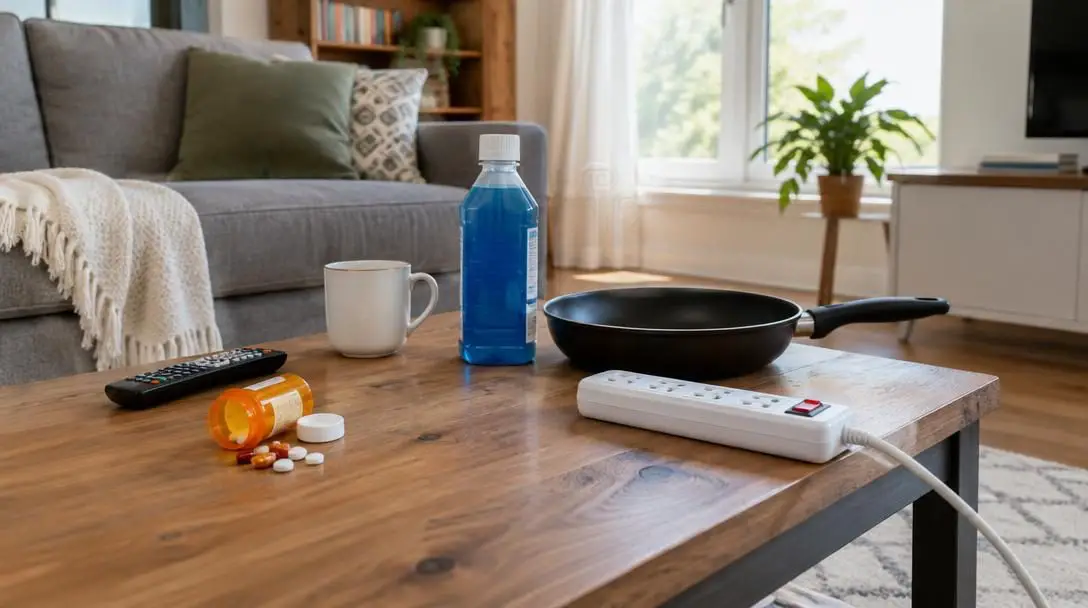
Modern residences are engineered for unprecedented comfort and efficiency, filled with appliances, specialized cookware, and potent cleaning formulations that streamline everyday life. From portable warming units that counter freezing winter temperatures to slick nonstick pans that make kitchen cleanup nearly effortless, these fixtures have become essential parts of daily domestic routines. Because these conveniences are so familiar and integrated into our daily habits, it is easy to assume that the home environment is fundamentally safe and free from serious danger.
That assumption of safety, however, often masks critical risks. Routine household tools and chemical supplies can present severe, life-threatening hazards when their operational boundaries are exceeded, when their component materials break down, or when they are operated without proper vigilance. Grasping how familiar household items can transform into lethal hazards is the first and most critical step in establishing a secure home environment.
Key takeaways
- Domestic threats divide into sudden, catastrophic immediate hazards and slow-building, long-term chronic hazards.
- Electrical equipment such as space heaters and extension cords contribute heavily to the estimated 45,000 annual home electrical fires.
- Combining common cleaning agents like bleach and ammonia produces noxious, potentially fatal gases.
- Overheated or scratched nonstick pans coated with polytetrafluoroethylene expose residents to degraded polymers linked to severe health issues.
- Eliminating continuous-power scented plug-ins and inspecting cord placement significantly lowers both respiratory stress and structural fire risks.
The Anatomy of Domestic Hazards: Immediate vs. Chronic Risks
To safely manage a household, one must first recognize the two distinct ways everyday products turn dangerous: through immediate catastrophic events or through chronic, cumulative exposure. Immediate hazards unfold in seconds, catching families entirely off guard. A space heater drawing high current through an unrated cord can ignite nearby textiles in moments, while an inadvertent mixture of common household cleaners can instantly produce a cloud of toxic gas capable of overwhelming anyone nearby.
By contrast, chronic hazards involve quiet, prolonged exposure to toxic compounds or particulate matter over weeks, months, or years. Synthetic polymer fragments released by damaged cookware can be ingested during family meals, while synthetic aerosol mists and plug-in fragrances continuously degrade indoor air quality. Because chronic hazards do not produce immediate alarms, they are frequently overlooked until significant physiological damage has already taken place.
The Mechanisms Behind Everyday Failures
Everyday items rarely malfunction without cause; danger occurs when standard operating parameters are ignored or materials undergo thermal and chemical breakdown. Electrical accessories like multi-plug cords and portable heaters handle high-amperage electrical current. When a high-draw appliance routes power through undersized or worn wiring, resistance creates intense thermal energy. If that concentrated heat encounters trapped dust, furniture, or floor coverings, combustion occurs rapidly.
In the kitchen and cleaning closet, chemical reactivity and thermal degradation are the primary drivers of danger. Concentrated household chemicals are formulated to dissolve stubborn grime, but their active ingredients remain highly reactive. When combined, chemical rearrangement liberates volatile toxic gases into confined indoor spaces. In cookware, coatings made of synthetic polymers maintain stability only within moderate temperature thresholds; exposing them to excessive heat or sharp tools fractures their molecular structure, contaminating food and air.
Standard household items typically turn dangerous when their operational limits are exceeded, when materials degrade, or when chemical properties interact in unintended ways.
Five Common Household Items with Deadly Potential
While many objects in the home demand basic care, five standard items carry an unusually high potential for devastating property damage, chronic illness, or loss of life when mishandled.
Space Heaters
- Primary Hazard: Electrical fire and thermal ignition
- National Impact: Electrical problems cause roughly 45,000 house fires annually
- Critical Requirement: Direct connection to a functional wall outlet
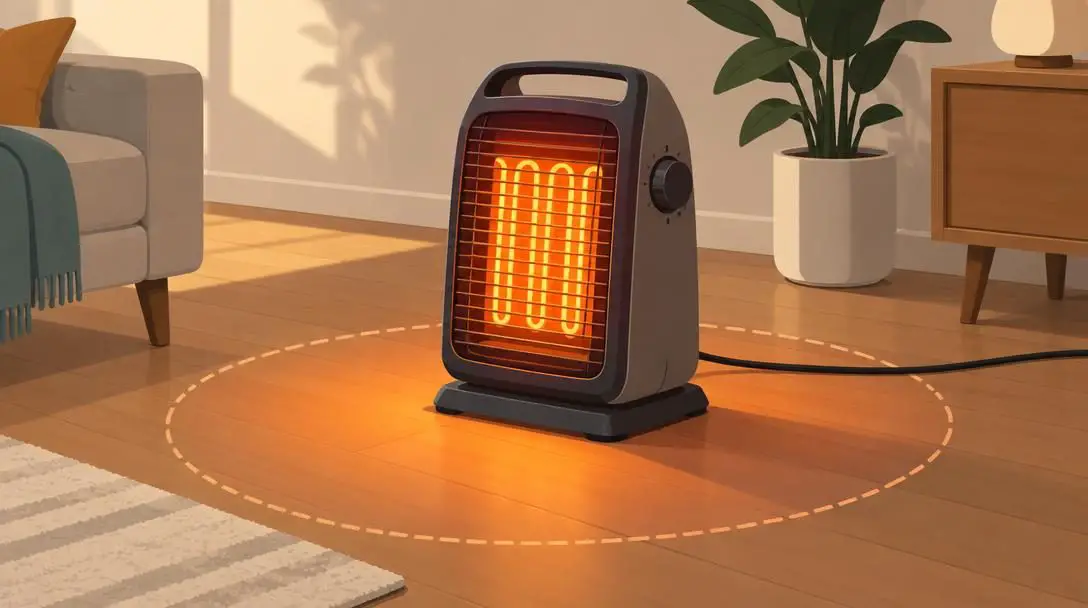
Space heaters are staple appliances during harsh winter months, offering targeted warmth for chilly rooms. Yet despite their practical convenience, portable warming units carry an immense risk of structural electrical fire. Any corded heating appliance manages heavy, continuous electrical currents, generating concentrated heat at its internal elements. If the unit is placed too close to flammable items like bedding, curtains, or paper, the intense radiant heat can trigger ignition. Furthermore, space heaters demand more power than standard utility cords can safely support, making wall-socket connection essential.
Chemical Cleaners
- Common Products: Bleach, ammonia, window cleaner, drain opener, toilet bowl cleaner
- Health Effects: Severe irritation of eyes, skin, and lungs; respiratory damage
- Lethal Risk: Release of noxious gases when different solutions mix
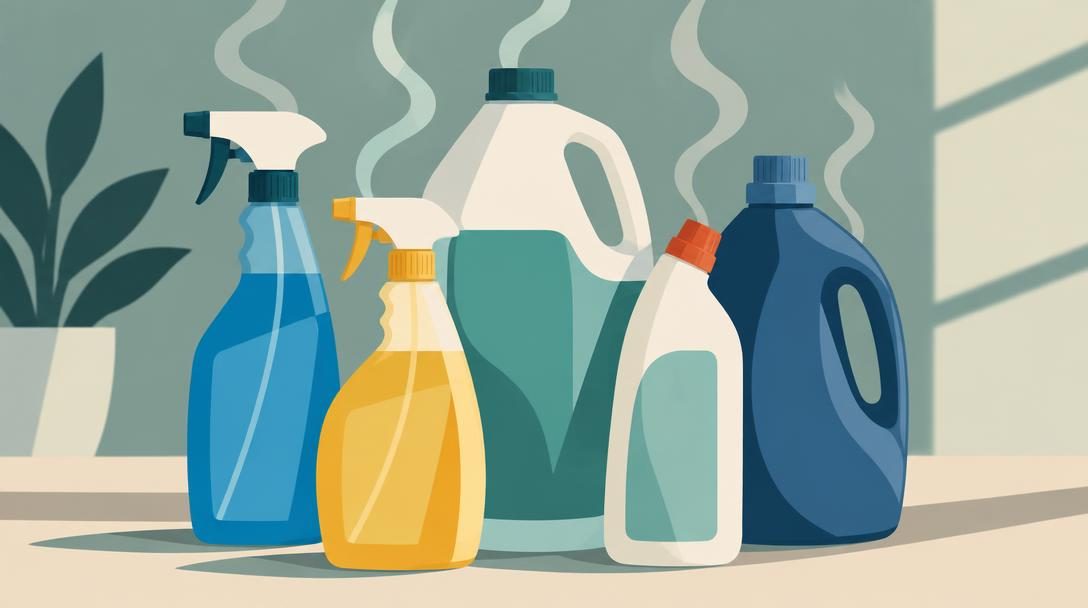
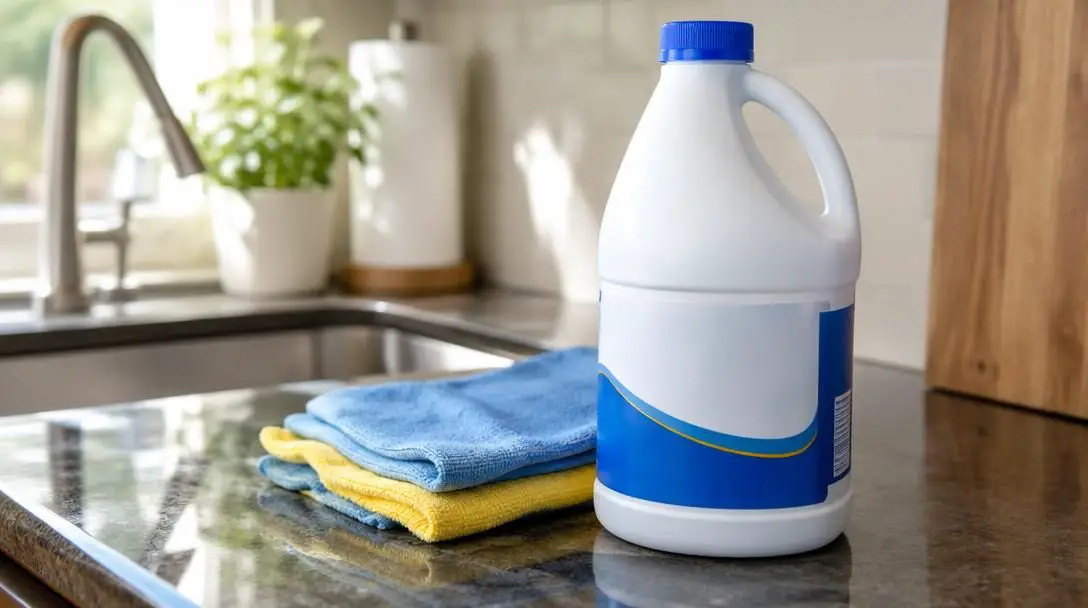
Under-sink cabinets and utility closets typically house an array of aggressive chemical agents, including window formulas, drain openers, toilet bowl cleaners, ammonia, and bleach. These concentrated solutions break down grease, mineral buildup, and bacteria, but their caustic properties present significant bodily risks. In direct contact, they irritate skin, eyes, and mucous membranes, while also degrading domestic surfaces. The most critical peril emerges when disparate solutions are combined—most notably bleach and ammonia—which initiates an immediate chemical reaction that releases noxious, potentially fatal fumes into the home.
Nonstick Pots and Pans

- Coating Material: Polytetrafluoroethylene (fluoropolymer)
- Associated Health Concerns: Certain cancers, obesity, and inferiority
- Degradation Triggers: High cooking temperatures and metal utensil abrasion
Nonstick cookware has transformed modern cooking by allowing delicate foods to slide cleanly across cooking surfaces with minimal oil. However, that seamless performance depends on a synthetic fluoropolymer coating known as polytetrafluoroethylene. When these pans are subjected to extreme cooking temperatures or scraped by rigid metal utensils, the polymer barrier degrades. This physical and thermal breakdown releases synthetic chemical residues and minute particles directly into food, exposing diners to compounds associated with serious physiological risks, including cancers, obesity, and inferiority.
Air Fresheners and Plug-ins
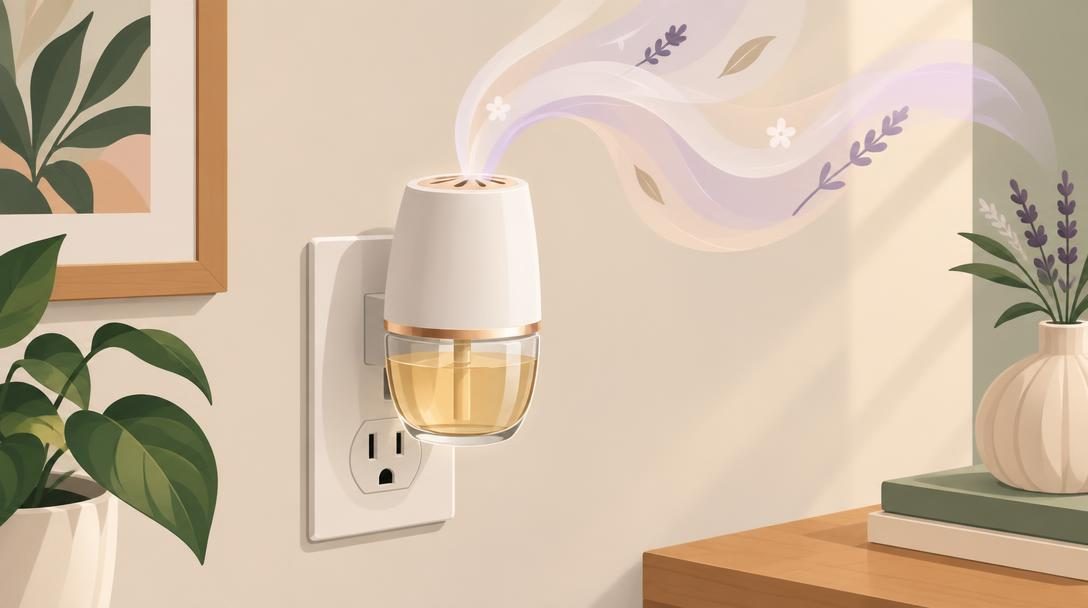
- Product Varieties: Aerosol cans, plug-in units, wax melts, diffusers, aroma beads, potpourri, candles, incense
- Health Impact: Airway irritation, asthma exacerbation, diminished indoor air quality
- Physical Hazard: Electrical fire risk from continuous outlet operation
To eliminate lingering odors and maintain a pleasant ambiance, homeowners frequently deploy scent enhancers ranging from aerosol sprays, wax melts, and aroma beads to incense, diffusers, potpourri, candles, and plug-in units. Despite their appealing fragrances, these items disperse concentrated synthetic aromas and volatile mists that degrade overall indoor air quality. Continuous exposure can trigger asthma attacks and aggravate chronic respiratory problems. In addition, plug-in air fresheners stay energized in wall sockets for weeks or months at a time, introducing a persistent electrical fire hazard directly within living areas.
Extension Cords
- Intended Purpose: Temporary electrical distribution only
- Common Misuse: Permanent wiring and placement under rugs
- Systemic Risk: Trapped thermal energy leading to combustion
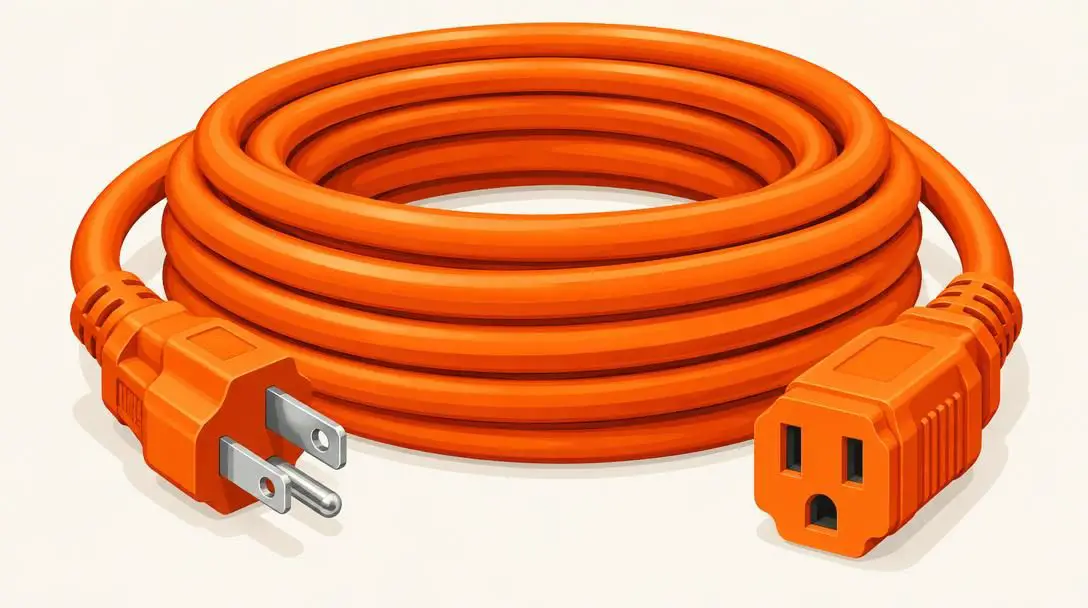
The standard extension cord is an indispensable household accessory, yet improper use makes it a primary contributor to domestic electrical blazes. Extension cords are engineered strictly for short-term, temporary utility, but homeowners routinely treat them as permanent home wiring. Channeling high-draw electrical equipment through light-duty cords causes internal copper conductors to overheat. When users conceal cords under decorative rugs or run them through high-traffic pathways, heat becomes trapped while foot traffic damages the protective insulation, eventually resulting in sudden combustion.
At a Glance: Comparing Common Household Hazards
Evaluating the operational demands and primary failure points of these items helps homeowners pinpoint high-risk areas in their living spaces.
| Household Item | Hazard Classification | Primary Mechanism of Danger | Essential Safety Practice |
|---|---|---|---|
| Space Heaters | Immediate (Fire) | Radiant heat ignites nearby fabrics; high electrical current draw | Plug directly into wall; keep clear of flammable materials |
| Chemical Cleaners | Immediate & Chronic | Chemical reactions yield noxious gases; caustic contact burns | Never mix products; wear gloves and ventilate the room |
| Nonstick Pots and Pans | Chronic (Ingestion) | Thermal degradation of polytetrafluoroethylene releases synthetic residue | Avoid extreme heat; never use metal utensils; replace when scratched |
| Air Fresheners and Plug-ins | Immediate & Chronic | Outlet overheating; continuous emission of irritating chemical mists | Discontinue plug-ins; rely on natural ventilation for fresh air |
| Extension Cords | Immediate (Fire) | Trapped heat and damaged insulation caused by permanent routing | Use only for temporary needs; keep fully visible and unobstructed |
Common Mistakes Homeowners Make
Even conscientious homeowners can inadvertently adopt hazardous domestic habits through simple convenience or misinformation. Correcting these frequent oversights drastically reduces the risk of accidental fires and toxic exposures:
- Overloading Extension Cords: Grouping multiple high-wattage devices onto a single extension cord forces dangerous amounts of current through conductors that lack sufficient capacity, triggering rapid heat buildup.
- Running Cords Under Carpets: Tucking cords beneath decorative rugs hides electrical heat, prevents normal ambient cooling, and subjects the protective jacket to repetitive crushing from foot traffic.
- Combining Cleaning Formulas: Concocting custom cleaning mixtures by combining products—such as bleach with ammonia or toilet bowl cleaners—generates lethal noxious vapors that attack the airways.
- Overheating Nonstick Cookware: Allowing coated pans to reach searing temperatures on the stove or continuing to cook on chipped, flaking surfaces transfers synthetic fluoropolymers directly into meals.
- Leaving Scented Wall Plugs Unattended: Keeping plug-in fresheners running indefinitely inside wall sockets creates a continuous ignition hazard while steadily polluting indoor air.
- Positioning Heaters Near Soft Furnishings: Operating a space heater within close proximity to curtains, upholstered furniture, bedding, or loose paper enables radiant heat to ignite the fabric.
How to Conduct a Whole-Home Hazard Audit
Systematically inspecting your living quarters allows you to eliminate hidden threats before they compromise property or health. Follow these procedural steps to verify the safety of your home environment:
- Inspect under-sink cabinets: Pull out all cleaning chemicals, discard expired or degraded containers, separate incompatible formulas (especially bleach and ammonia products), and switch to gentle, natural cleansers for everyday maintenance.
- Examine every cooking surface: Review all nonstick pots and pans under direct light. Identify any visible flaking, chipping, or deep scratches in the polytetrafluoroethylene coating, and safely dispose of damaged cookware.
- Audit all electrical routing: Trace every extension cord throughout the house. Remove any cord routed under carpets or across doorways, disconnect high-wattage equipment, and reassign cords exclusively to temporary tasks.
- Check space heater placement: Confirm that every portable heating unit is plugged directly into a dedicated wall outlet, sits on a flat, stable floor, and maintains a wide safety clearance from curtains, paper, and bedding.
- Clear wall outlets of scented plug-ins: Unplug continuous-power fragrance devices, clear out heavy aerosol sprays, and restore indoor air freshness through proper ventilation, open windows, and routine cleaning.
Frequently asked questions
Why is it dangerous to plug a space heater into an extension cord?
Space heaters manage high, continuous electrical currents that generate intense thermal energy. Most extension cords are designed only for temporary, low-to-moderate wattage applications and lack the gauge needed to handle continuous high-amperage draw, resulting in rapid heat buildup and potential fire.
What makes combining household bleach and ammonia so hazardous?
Combining bleach and ammonia triggers an immediate chemical reaction that releases noxious, irritating gases. When inhaled, these reactive chemical vapors aggressively attack the respiratory system, potentially causing severe bodily harm or fatal respiratory complications.
How can I tell if my nonstick cookware is unsafe to use?
Examine the cooking surface for physical degradation such as flaking, scratching, or peeling of the polytetrafluoroethylene coating. If the nonstick layer shows signs of physical damage or has been repeatedly subjected to excessive heat, it can release synthetic residues and should be retired.
Are plug-in air fresheners really a fire hazard?
Yes. Plug-in fresheners remain continuously energized in electrical wall sockets for extended periods. This continuous power draw, combined with internal heating elements that disperse fragrance, creates an ongoing electrical liability and an unnecessary fire risk in living areas.
Can extension cords be safely used beneath decorative area rugs?
No. Concealing extension cords beneath carpets or rugs traps the thermal energy naturally produced by flowing electricity, preventing normal heat dissipation. In addition, repetitive foot traffic crushes the internal wire strands and outer insulation, sharply raising the probability of a short circuit and fire.
The bottom line
Everyday modern conveniences provide remarkable comfort and efficiency, but their familiar presence must never lead to complacency. Domestic items like space heaters, chemical cleansers, nonstick cookware, air fresheners, and extension cords become dangerous the moment their design limits are ignored or their materials break down. By taking a thoughtful inventory of your home, adopting disciplined operating habits, and replacing worn items with safer alternatives, you can protect your household against preventable accidents while preserving the full functionality of your living space.





