5 Reasons To Be Careful of Home DNA Tests

Curiosity about family roots, ancestral heritage, and hidden branches of the family tree prompts millions of consumers each year to buy direct-to-consumer genetic kits. For people who have encountered dead ends in traditional historical records, civil archives, or oral traditions, mail-in DNA kits appear to offer a convenient biological shortcut to uncovering missing relatives or establishing biological parentage. Others purchase kits hoping to spot hereditary health predispositions or confirm traits passed down through bloodlines.
Yet behind the straightforward marketing lies a complex industry that blends personal curiosity with commercial data harvesting, shifting digital terms of service, and lifelong privacy exposure. Unlike a standard blood panel conducted inside a medical clinic, consumer genetic tests operate primarily through commercial platforms governed by consumer contracts rather than strict healthcare privacy frameworks. Because human genetic code is permanent and inherently shared among biological relatives, submitting a sample carries consequences that reach far beyond an entertaining hobby.
Key takeaways
- Mailing a biological sample can compromise personal and familial privacy, exposing distant relatives to investigative searches without their consent.
- Commercial ancestry breakdowns rely on internal reference panels that can produce biased or misleading estimates for underrepresented populations.
- Genetic data that becomes accessible to third parties poses risks for insurance eligibility, targeted pharmaceutical advertising, and digital theft.
- Biological samples provide an immutable blueprint that cannot be reset or reissued if a testing service experiences a security breach.
- Taking defensive steps, such as opting out of research and demanding sample destruction, helps reduce long-term exposure.
How home genetic testing works from swab to screen
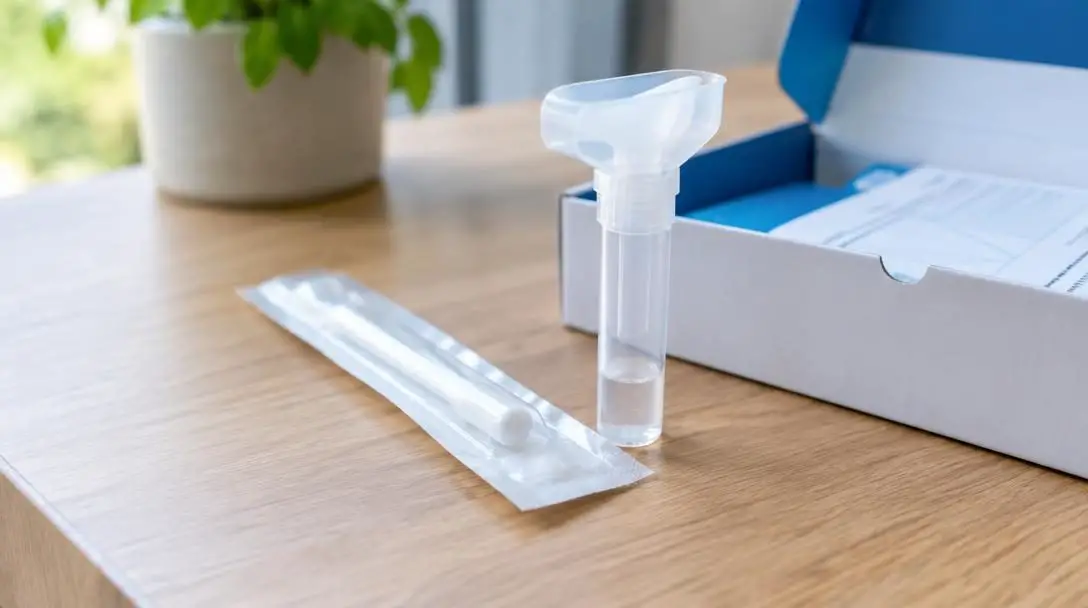
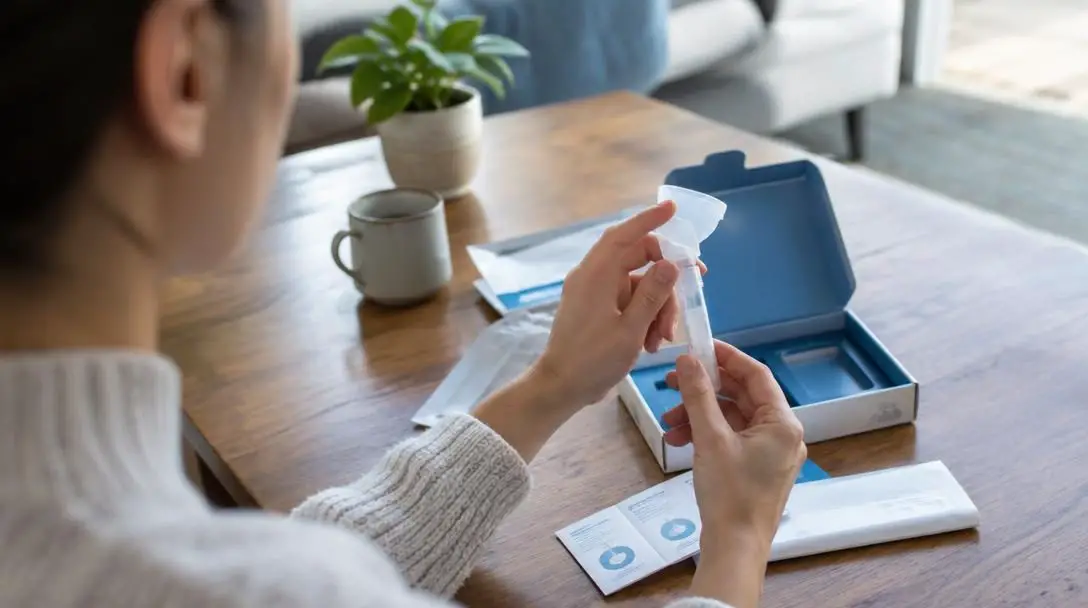
The explosive growth of direct-to-consumer genetic testing is largely driven by how simple the testing experience appears to the consumer. A testing kit arrives in a retail box containing sterile collection instruments that allow users to harvest biological material from the comfort of their living rooms without clinical oversight.
- Collection: You produce a biological sample using the supplied tools, most commonly by rubbing a cotton-tipped swab firmly against the inside of your cheek, providing a hair sample, or collecting a small amount of blood.
- Stabilization: The biological specimen is placed directly into a secure vial, tube, or specialized envelope containing a stabilizing chemical preservative to prevent organic degradation during transit.
- Registration: You set up an account on the company's web portal and register the unique barcode printed on your collection container, tying your physical specimen to an online profile.
- Mailing: You place the stabilized vial into a pre-addressed return package and drop it into the postal system to travel to the processing laboratory.
- Laboratory processing: Laboratory technicians isolate and extract raw genetic material from the cellular matter, running it through specialized hardware to digitize your biological sequence into computer files.
- Algorithmic matching: Automated software platforms compare your digitized markers against proprietary reference panels and customer databases to calculate geographic origins, familial links, or health predictions.
- Digital delivery: Several weeks later, you receive a notification to log into your account dashboard, where you can browse interactive maps, ethnic percentages, and potential cousin matches.
While the physical collection takes only a few minutes, mailing your sample initiates a long chain of digital storage, corporate data transfers, and automated analysis that remains entirely outside your control once the envelope leaves your hands.
Five critical risks of commercial DNA testing
Before you swab your cheek or send off a biological sample, it is vital to examine the commercial realities and security vulnerabilities inherent in consumer genetics. The following five concerns highlight why hobbyist DNA testing warrants extreme caution.
What rights are you signing away?
When you register a testing kit online, you are presented with extensive terms of service, legal agreements, and privacy policies that can span dozens of pages. Because these documents are dense and filled with technical legal jargon, most consumers click through and accept them without reading. Without consulting legal counsel, you may unknowingly grant the company broad permissions to retain, analyze, and repurpose your confidential biological data indefinitely.
Once you provide consent under these digital terms, corporate policies can change, allowing companies to incorporate your genetic code into wider research initiatives or license anonymized data sets to corporate partners. Furthermore, consumer databases have created major civil liberties dilemmas in legal and criminal investigations. Law enforcement investigators have repeatedly trawled commercial genetic databases to track down criminal suspects through familial matching. By submitting your code, you create a permanent genetic beacon that links investigators to your siblings, children, and distant cousins who never agreed to share their DNA.
When you upload your code, you inadvertently create an investigative trail that can connect law enforcement not just to you, but to distant relatives who never agreed to have their genetics analyzed.
How accurate are the nationalities in the database?
Many people purchase test kits expecting to see a pristine, definitive accounting of their historical lineage mapped to modern nation-states. However, biological inheritance does not conform to political borders, and consumer tests cannot read historical passports in your cells. Instead, regional percentages are purely mathematical estimates based on comparisons against reference populations cataloged by the provider.
If the testing provider maintains a reference panel that is overwhelmingly composed of individuals from specific geographic regions while lacking sufficient representation of your racial or ethnic background, your results will be skewed, imprecise, or deeply misleading. An underrepresented heritage frequently leads to inaccurate family tree connections and ambiguous regional designations, offering little genuine genealogical value.
Insurance companies might harvest data to deny coverage
The standard business model of the insurance industry hinges entirely on calculating risk and mitigating future financial payouts. Underwriters have long sought granular health insights to identify individuals carrying genetic mutations or markers tied to chronic diseases, cardiovascular vulnerabilities, or inherited conditions. If insurance carriers gain access to commercial genetic testing results, they face a direct financial incentive to deny coverage or inflate premiums for consumers deemed to be high-risk policyholders.
While specific health insurance laws in certain jurisdictions offer protections against genetic discrimination, other crucial forms of insurance—including life insurance, disability policies, and long-term care plans—do not always share the same legal safeguards. Submitting personal genetic information to commercial databases can leave applicants vulnerable to denied policies or exorbitant rates if their biological profiles become accessible to underwriting investigators.
Pharmaceutical companies could buy your information for marketing
Direct-to-consumer pharmaceutical advertising is a pervasive industry, with commercial drug manufacturers spending heavily to persuade patients to request brand-name prescriptions directly from their doctors. Gaining access to aggregated consumer genetic databases represents a major marketing opportunity for pharmaceutical companies seeking to identify commercial targets for costly medications.
By analyzing DNA databases compiled from home test kits, pharmaceutical manufacturers can cross-reference disease predispositions with demographic trends to target promotional materials directly at vulnerable individuals. Instead of functioning strictly as an objective medical insight, your private biological profile can easily be monetized into an advertising target designed to push specialized treatments, dietary supplements, and prescription medications onto your digital feeds.
Criminal hackers may break in and steal your sensitive data
The genetic sequence contained in your cells is the most personal and sensitive information you possess. Unlike a compromised credit card number, a stolen email password, or an exposed social security number, your biological code is immutable: it cannot be canceled, reset, or reissued after a breach. It defines your physical identity from birth until death.
Commercial websites, cloud storage buckets, and customer databases are perennial targets for malicious threat actors. If a consumer DNA platform fails to implement rigorous security standards, raw genetic files, customer contact details, familial networks, and private health risk assessments can be stolen and traded across the dark web. An unauthorized party in possession of your unencrypted genetic file holds permanent leverage over your biological privacy.
Commercial DNA risks at a glance
| Risk Area | Primary Source of Concern | Potential Impact on Consumer |
|---|---|---|
| Terms of Service & Law Enforcement | Opaque end-user licensing agreements and database searches | Involuntary involvement in criminal investigations for you and your relatives |
| Ancestry Accuracy | Biased or limited regional reference panels | Misleading or incomplete reports regarding your true family origins |
| Insurance Eligibility | Underwriter access to genetic predispositions | Denied coverage or elevated premiums for life, disability, or care insurance |
| Commercial Marketing | Third-party data sharing with pharmaceutical firms | Targeted advertising and aggressive medical promotions based on health risks |
| Cybersecurity Breaches | Vulnerable corporate cloud repositories | Irreversible loss of private biological blueprints and family link data |
Practical steps to protect your privacy before testing
If you still wish to explore home genetic testing despite the risks, taking deliberate, defensive precautions can substantially reduce your exposure before placing a sample in the mail.
- Read the full privacy documentation: Do not scroll past the terms of service. Examine the sections specifically detailing data ownership, corporate mergers, third-party sharing, and policies regarding law enforcement subpoenas.
- Verify reference population diversity: Contact the kit manufacturer directly to ask how many samples from your specific racial, ethnic, or geographic group are represented in their current reference library.
- Opt out of secondary research programs: When completing your account setup, carefully check each box and explicitly decline participation in internal research studies or third-party academic partnerships.
- Register with an alternate identity: Where permitted by the terms of service, avoid linking your real name, personal email address, or corporate workplace identity to your kit barcode.
- Demand physical sample destruction: Check whether the laboratory stores your cheek swab, hair, or blood sample in a biological storage facility. Submit a written request instructing the lab to incinerate or discard the physical specimen once initial digitization finishes.
- Audit platform account security: Ensure the service mandates multi-factor authentication, utilizes end-to-end data encryption, and provides clear options to delete your digital account permanently.
Common mistakes consumers make with genetic kits
Because consumer genetics is marketed as casual home entertainment, users regularly make critical misjudgments that lead to lasting regret.
- Assuming clinical healthcare privacy rules apply: Consumers frequently believe direct-to-consumer testing companies are bound by the same confidentiality regulations governing hospitals and doctors. In reality, testing portals are private corporate entities governed by commercial contract law.
- Gifting kits without explicit permission: Giving an unprompted test kit to a family member or friend creates intense social pressure to participate, often without giving the recipient time to evaluate data policies or privacy trade-offs.
- Ignoring the emotional fallout of unexpected revelations: Commercial databases regularly uncover long-hidden family secrets, such as unknown half-siblings, undisclosed adoptions, or non-paternity events, sparking severe emotional distress and family conflict.
- Treating commercial reports as definitive medical diagnoses: Using ancestry-grade health reports to make unsupervised medical, surgical, or prescription decisions without consulting a board-certified physician is dangerous, as consumer tests can misread complex clinical markers.
- Abandoning online profiles indefinitely: Many users check their ancestry maps once and never log in again, leaving their raw genetic files and sensitive contact data lingering on commercial servers for years.
Frequently asked questions
Can police search consumer DNA databases without my permission?
Yes, law enforcement agencies have repeatedly used commercial genetic platforms to compare crime scene evidence against customer profiles. This investigative process allows detectives to identify suspects through familial matches, meaning your uploaded sample can implicate distant relatives who never registered with the service.
Why do ancestry tests give different results for the same person?
Each commercial service relies on its own proprietary reference populations and proprietary algorithms. If a company has cataloged fewer members of your specific racial or ethnic background, their platform must approximate your lineage, often resulting in inaccurate, biased, or inconsistent ancestry percentages across different brands.
Can health insurance companies drop my coverage if I take a home DNA test?
While specific health insurance rules protect against discrimination based on genetic conditions in certain jurisdictions, other critical types of underwriting—such as life insurance, disability policies, and long-term care plans—may not share these protections. Underwriters for those policies could use genetic markers to deny applications or charge higher rates.
What biological samples do home DNA testing kits use?
Direct-to-consumer kits typically collect organic material using a cotton-tipped cheek swab rubbed inside the mouth, a clean hair sample, or a small blood collection instrument before stabilizing the sample in a sealed chemical vial for mailing.
Can I delete my genetic data after receiving my results?
Most commercial platforms allow users to request account deletion and the destruction of biological samples. However, you must actively submit these requests through your account settings or in writing; otherwise, your physical specimen and digital genetic blueprint may remain stored on company servers indefinitely.
The bottom line
Deciding to take a home DNA test is a personal choice that requires balancing curiosity against permanent privacy considerations. While learning about unfamiliar branches of your lineage or exploring potential geographic origins can be fascinating, the trade-offs involve enduring digital footprints, unpredictable corporate data policies, and security vulnerabilities that affect your entire biological family. Before submitting a biological sample, weigh whether traditional genealogical research, archival records, or family conversations can satisfy your curiosity without compromising your genetic privacy.