Get to Know Montreal’s History and Culture with These Must-Visit Sites
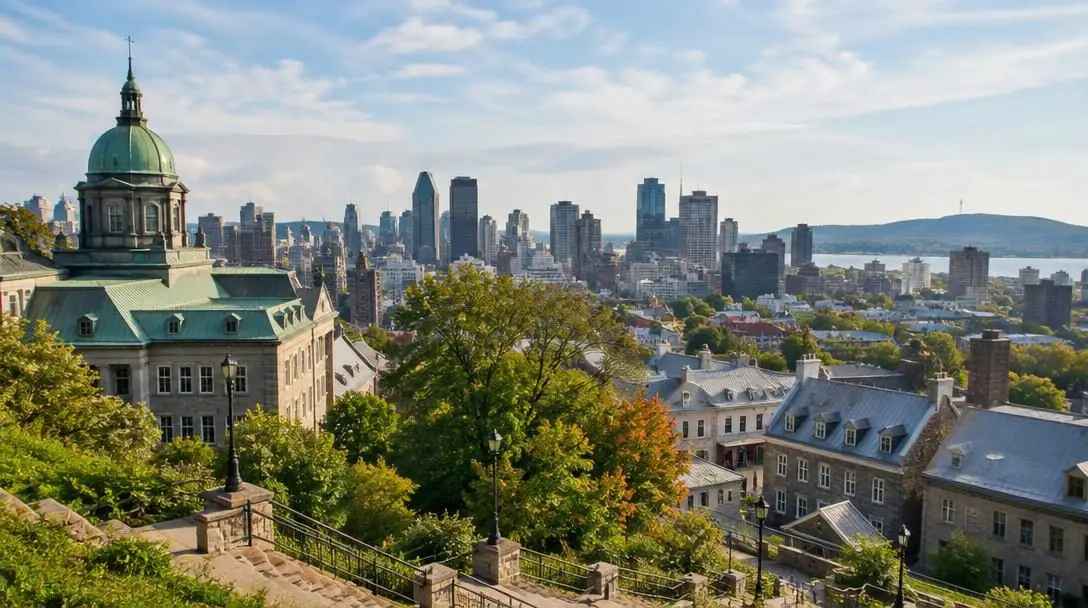
Montreal stands out as a vibrant Canadian metropolis defined by its unique fusion of French and English traditions. Rooted in centuries of history, the city developed from early Indigenous settlements and a bustling trade network into an energetic modern urban center. Today, century-old stone architecture sits side by side with contemporary cultural venues, expansive municipal parks, and lively neighborhood food markets.
Exploring Montreal allows visitors to witness an unbroken historical continuum, connecting early trading roots and 17th-century foundations with modern Quebecois culture and international artistic expression. By navigating the city's distinct districts and institutions, travelers uncover the specific historical forces that have shaped its neighborhoods, architecture, and daily community life.
Key takeaways
- Montreal's unique identity reflects an ongoing blend of French and English cultural influences alongside early Indigenous trading roots.
- Historic districts like Old Montreal and active hubs like Jean-Talon Market function as living community spaces rather than static monuments.
- Major landmarks like Mount Royal Park and the Museum of Fine Arts showcase world-renowned landscape design and vast international art collections.
- Visiting archaeological foundations at Pointe-à-Callière gives crucial context to the physical and cultural evolution of modern Quebecois society.
Essential Must-Visit Sites Across the City
To truly grasp the architectural, artistic, culinary, and archaeological breadth of Montreal, travelers should center their exploration on several landmark destinations. Each site highlights a distinct chapter of the city's journey from a riverside trading hub to a world-class cultural capital.
| Site Name | Primary Focus | Key Attraction or Feature | Location Character |
|---|---|---|---|
| Old Montreal | Architectural & early colonial history | 17th-century buildings & Notre-Dame Basilica | Historic cobblestone district |
| Mount Royal Park | Landscape design & outdoor recreation | Panoramic urban viewpoints & hiking paths | Expansive urban mountain park |
| Museum of Fine Arts | Global art across diverse eras | Vast collection of over 44,000 works | Central cultural institution |
| Jean-Talon Market | Regional gastronomy & local produce | Artisanal cheeses, pastries, and poutine | Bustling outdoor food market |
| Pointe-à-Callière Museum | Archaeology & civic foundations | Authentic in-situ excavated settlement remains | Historic waterfront district |
Old Montreal
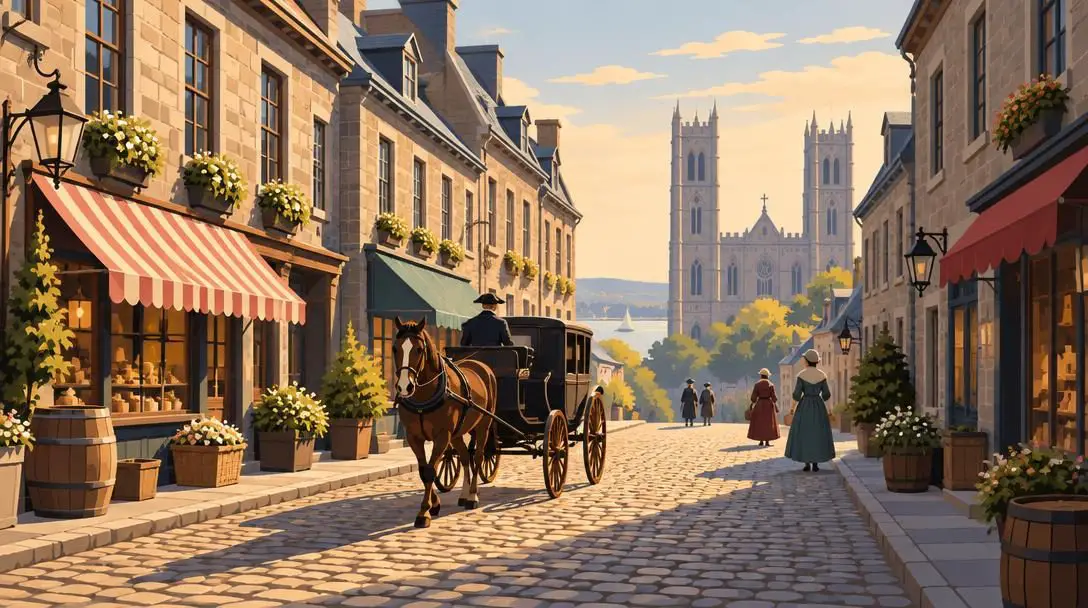
- Origins: Dates back to the 17th century
- Prominent Landmark: Notre-Dame Basilica
- Streetscape: Cobblestone avenues lined with shops and cafes
- Transit Options: Walking routes and horse-drawn carriages
Old Montreal provides an immediate connection to the city's early European era. Dating back to the 17th century, the district preserves some of the oldest architectural structures found anywhere in the metropolis. Visitors can walk along narrow cobblestone streets bordered by quaint boutiques, independent shops, and welcoming cafes, or take a traditional horse-drawn carriage ride to experience the district's romantic historic atmosphere. At the center of the neighborhood's historical landscape stands the revered Notre-Dame Basilica, renowned as one of Montreal's most iconic and majestic landmarks.
Mount Royal Park

- Designer: Frederick Law Olmsted
- Notable Association: Created by the designer of New York City's Central Park
- Activities: Hiking up the mountain, urban sightseeing, picnicking
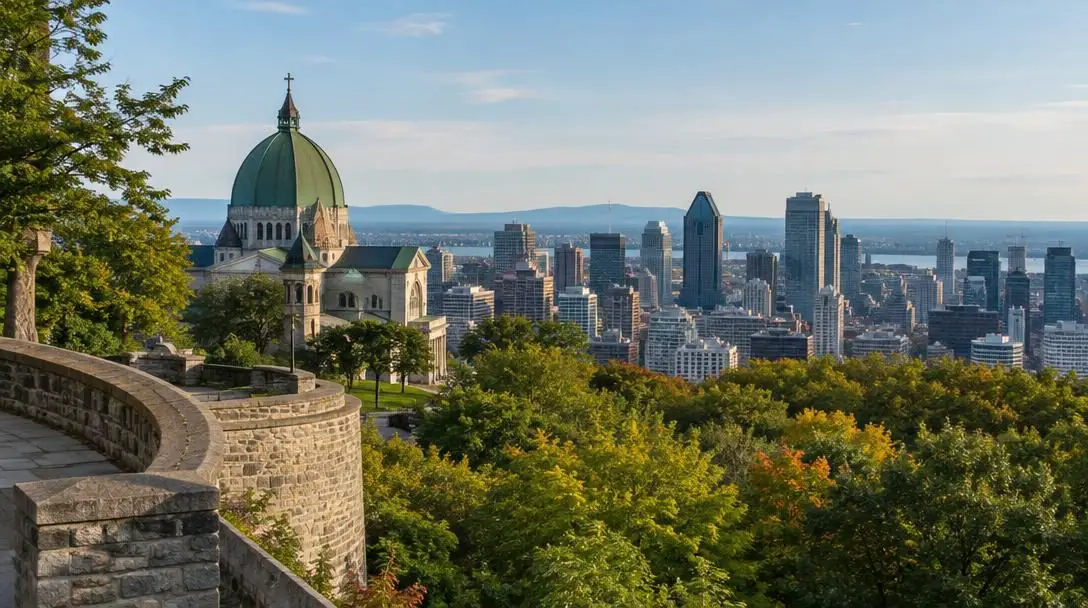
Rising above the downtown core, Mount Royal Park delivers natural beauty, sweeping green spaces, and panoramic vistas of Montreal. The sprawling park was conceived by famed landscape architect Frederick Law Olmsted, who also designed New York City's Central Park. Olmsted planned the grounds to provide accessible public immersion in nature, offering city dwellers and visitors a tranquil sanctuary. Guests can hike up the mountain trails to reach breathtaking urban viewpoints or pause to enjoy a relaxing picnic on one of the park's scenic lawns.
Museum of Fine Arts
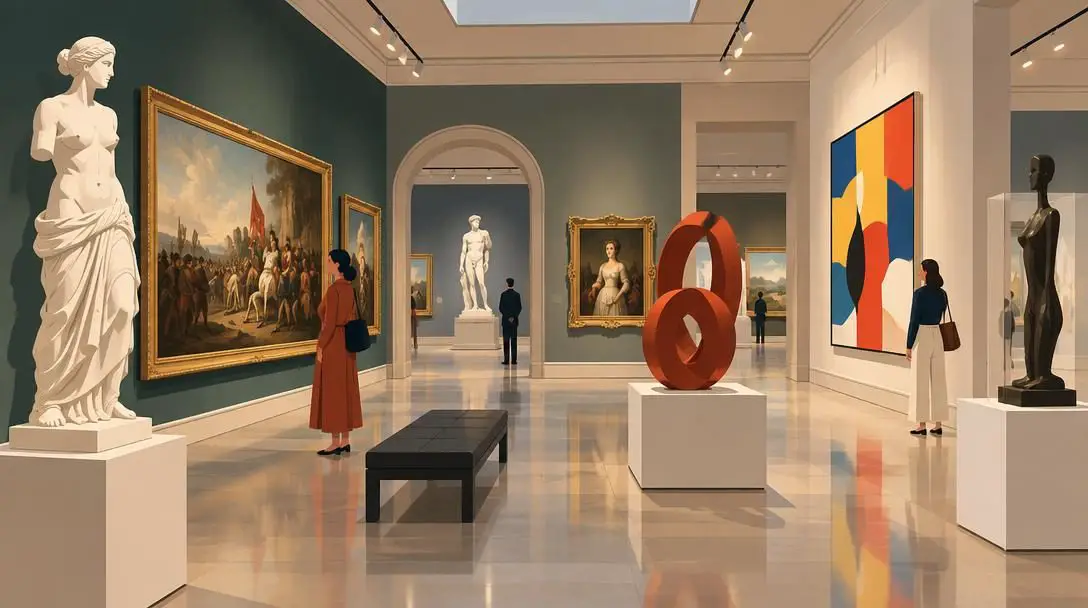
- Collection Size: Over 44,000 works
- Curatorial Scope: Ancient artifacts to contemporary installations
- Cultural Reach: Multiple centuries and continents
As one of the country's most celebrated cultural institutions, the Museum of Fine Arts anchors Montreal's visual arts scene. The institution houses an impressive encyclopedic inventory of over 44,000 works spanning multiple centuries and continents. Visitors can navigate comprehensive galleries featuring everything from ancient antiquities and classical paintings to cutting-edge contemporary art installations, offering deep insight into major global art movements and historical artistic traditions.
Jean-Talon Market
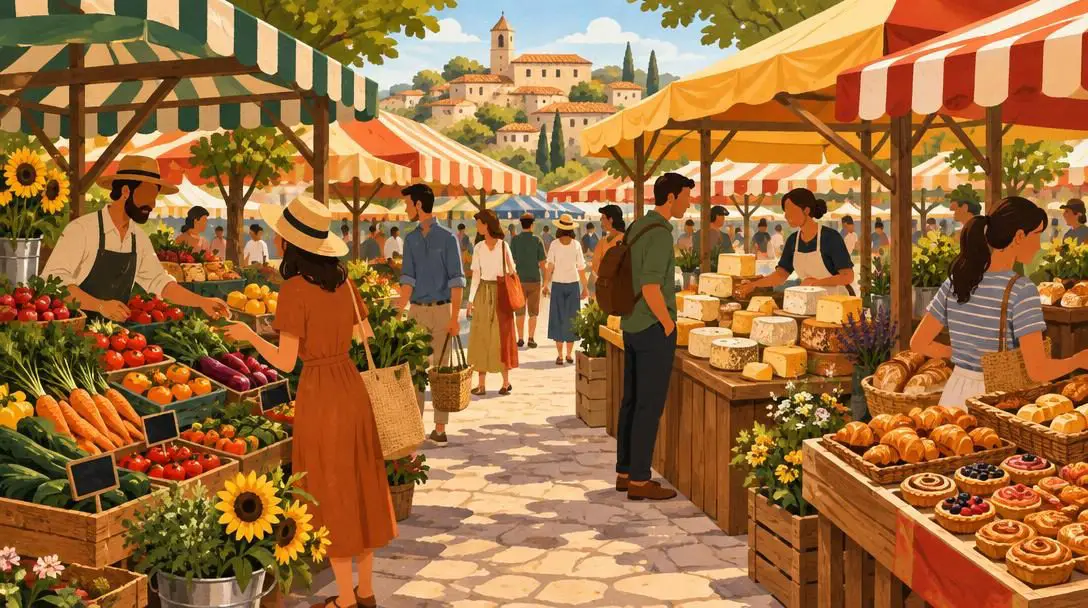
- Market Type: Bustling outdoor market
- Regional Specialties: Poutine, artisanal cheeses, homemade pastries
- Distinctive Beverage: Maple syrup-infused coffee
Culinary heritage is integral to local lifestyle, and the vibrant Jean-Talon Market serves as the focal point for regional food culture. The open-air stalls are loaded with crisp agricultural produce, artisanal cheeses, handcrafted pastries, and specialty goods brought in by regional growers and food artisans. Visiting food lovers can immerse themselves in the market's lively ambiance while sampling iconic Quebecois staples, including classic poutine made with hot fries, savory gravy, and fresh cheese curds, paired with specialty maple syrup-infused coffee.
Pointe-à-Callière Museum
- Location: Old Montreal
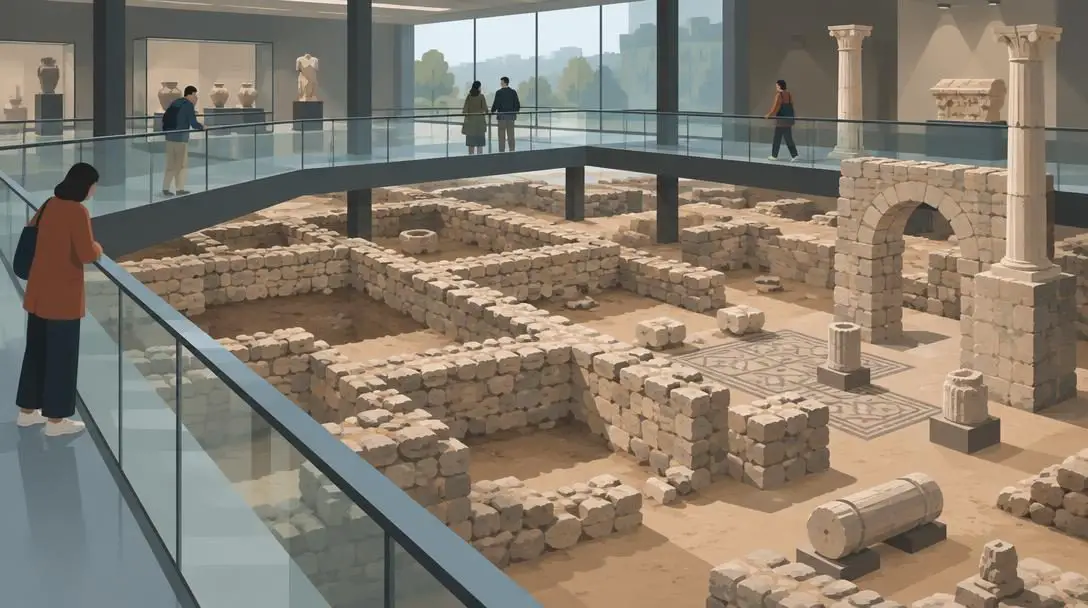
- Structural Base: Built directly atop an authentic archaeological site
- Chronological Focus: Indigenous settlements to modern Quebecois culture
Located in the heart of Old Montreal, the Pointe-à-Callière Museum sits directly above an authentic archaeological dig. The museum tells the story of Montreal's birth and its evolution into a major trading hub. Through meticulously presented archaeological remains and historical displays, the museum guides guests on a chronological journey starting with the region's early Indigenous settlements and moving forward through European contact to the development of modern Quebecois society.
Century-old stone edifices sit just minutes away from modern cultural complexes, expansive green parks, and lively community markets.
How Montreal's Historic and Cultural Heritage Functions Today
Montreal's historic landmarks and cultural facilities are far from frozen relics; they are deeply woven into the day-to-day rhythms of contemporary city life. Understanding their everyday roles helps travelers appreciate how the past continuously enlivens the present.
In Old Montreal, historical preservation coexists with vibrant commercial and residential activity. The preserved 17th-century street grid and historic stone buildings house working creative offices, lively cafes, private residences, and neighborhood storefronts right alongside historic monuments like the Notre-Dame Basilica. This careful balance keeps the neighborhood functioning as a thriving community rather than an artificial open-air museum.
Similarly, Mount Royal Park continues to fulfill its original urban design mission. Frederick Law Olmsted planned the expansive green reserve to ensure all citizens had open access to natural recreation. Today, the park acts as the city's lungs, welcoming runners, outdoor enthusiasts, hikers, and picnickers on a daily basis. It proves that centuries-old landscape architecture remains critical to public health and urban quality of life.
Cultural institutions like the Museum of Fine Arts and Pointe-à-Callière Museum preserve critical material culture while providing interactive learning environments. By resting directly on excavated settlement grounds, Pointe-à-Callière allows visitors to literally stand above the original soil of Montreal's trading post era. Meanwhile, community food spaces like Jean-Talon Market maintain historic supply lines, functioning as daily meeting points where regional farmers and urban consumers sustain centuries of market traditions.
Practical Steps for Exploring These Historic Sites
Organizing a tour through Montreal's expansive historical and cultural sites requires a practical, well-paced approach. Following a structured plan ensures you experience each neighborhood's highlights without exhausting your schedule.
- Group geographic neighbors together: Combine your exploration of Old Montreal's cobblestone streets and the Notre-Dame Basilica with a deep dive into the underground archaeological excavations at Pointe-à-Callière Museum during the same day.
- Dedicate ample time for world-class art: With over 44,000 objects in the Museum of Fine Arts, select specific wings or eras in advance—such as ancient artifacts or contemporary art—to enjoy a focused, rewarding visit.
- Schedule active outdoor excursions: Set aside a full morning or afternoon for Mount Royal Park, packing walking shoes for the mountain climb and a picnic meal to enjoy at the scenic overlooks.
- Time market trips around mealtimes: Arrive at Jean-Talon Market on an empty stomach so you can sample regional cheeses, homemade pastries, traditional poutine, and maple-infused coffee straight from the vendors.
- Select appropriate travel modes: Tour Old Montreal slowly on foot or by horse-drawn carriage to absorb architectural details, while utilizing city transit routes to connect with the mountain, market, and museum districts.
Common Mistakes to Avoid When Visiting
Travelers eager to experience Montreal can easily run into common itinerary mistakes that diminish their understanding of the city's complex heritage. Keeping these pitfalls in mind will lead to a more enriching journey.
- Treating Old Montreal merely as a quick photo backdrop: Rushing through the historic quarter prevents visitors from appreciating the masonry and architectural subtleties of some of the city's oldest 17th-century structures or the interior splendor of Notre-Dame Basilica.
- Skipping foundational archaeological history: Bypassing the Pointe-à-Callière Museum leaves travelers without an understanding of Montreal's early trading hub roots and the Indigenous settlements that predated European arrival.
- Underestimating the physical terrain of Mount Royal Park: Assuming the Frederick Law Olmsted design is a flat municipal lawn can lead to fatigue; reaching the premier viewpoints requires a real hike up the mountain.
- Attempting to view the entire art museum in one trip: Trying to take in all 44,000 works at the Museum of Fine Arts during a single afternoon causes museum fatigue and prevents thoughtful reflection.
- Eating a heavy meal before visiting Jean-Talon Market: Arriving at the market fully sated prevents you from tasting local treats like artisanal cheeses, fresh pastries, and authentic fries with gravy and cheese curds.
Frequently asked questions
Who designed Mount Royal Park?
Mount Royal Park was designed by Frederick Law Olmsted, the acclaimed landscape designer widely celebrated for creating New York City's Central Park.
How old is Old Montreal?
Old Montreal traces its European roots back to the 17th century, preserving some of the oldest surviving buildings, historic landmarks, and cobblestone thoroughfares in the city.
What makes the Pointe-à-Callière Museum unique?
The Pointe-à-Callière Museum is constructed directly on top of an authentic archaeological site in Old Montreal, allowing guests to view physical settlement layers dating from early Indigenous presence through European trading eras.
How large is the collection at the Museum of Fine Arts?
The Montreal Museum of Fine Arts holds a comprehensive collection of more than 44,000 works, spanning ancient artifacts, classical eras, and contemporary installations from around the globe.
What regional foods should visitors try at Jean-Talon Market?
Visitors to Jean-Talon Market can sample classic Quebecois poutine made of fries, gravy, and cheese curds, as well as artisanal cheeses, fresh pastries, and maple syrup-infused coffee.
The bottom line
Montreal's historic appeal lies in its living, dynamic character. From the 17th-century cobblestones of Old Montreal and the deep archaeological excavations beneath Pointe-à-Callière to the natural heights of Mount Royal Park, the cultural treasures of the Museum of Fine Arts, and the culinary bustle of Jean-Talon Market, the city harmonizes its French and English heritage with its Indigenous trading roots. By taking time to walk its historic paths, sample its foods, and study its art, travelers discover an urban center where centuries of history continue to enrich contemporary life.