
Scatty.com

5 Surprisingly Motivating Philosophers

Great philosophers ponder many things. They are known for their brilliant insights. Some philosophers’ insights may help with your motivation to achieve life goals in surprising ways.

Aristotle

The ancient Greek philosopher Aristotle (384 to 322 BC), who studied under Plato, proposed the concept that having a purpose causes a person to take action. This motivation is what we now call having a purposeful life.

Regarding motivation, Aristotle said, “Pleasure in the work puts perfection in the job.” and “Well begun is half done.”

Ralph Waldo Emerson

Ralph Waldo Emerson was born on May 25, 1803. He led the transcendentalism movement in America and published its journal, The Dial. The movement refused to accept any authority other than themselves. He wrote the book called, Self-Reliance. He believed that each person must make their own decisions about religion, humanity, and the world.

Emerson said, regarding motivation, “The only person you are destined to become is the person you decide to be. Once you make a decision, the universe conspires to make it happen.”

Henry David Thoreau

Henry David Thoreau, born on July 12, 1817, was an American author and philosopher. He promoted transcendentalism, which considers people to be inherently good. He lived in a shack next to a pond on a piece of land owned by Ralph Waldo Emerson. He wrote the book “Walden.” The book is about his deep connection with nature and the benefits of having a simple life.

He also wrote an essay, “Civil Disobedience,” which explains his belief in disobeying the rules of an unjust government. He was against slavery and went to jail for not paying his taxes. Luckily, his relatives bailed him out and paid his back taxes.

Thoreau recommended living simply in a natural setting. He said, “What you get from achieving your goals is not as important as what you become from achieving your goals. If one advances confidently in the direction of his dreams and endeavors to live the life which he has imagined, he will meet with success unexpected in common hours.”

Confucius

Confucius was a philosopher from China who lived around 550 B.C. He is known for his many wise sayings. His wisdom spread worldwide and is the source of many popular expressions in America, even when people do not realize that he said it, such as “Choose a job you love, and you will never work a day in your life.” Confucius also said, “You are what you think.”

In terms of using motivation to achieve life goals, Confucius said, “When it becomes obvious that the goals cannot be reached, don’t adjust the goals, adjust the action steps.”

Edwin A. Locke

Edwin A Locke was born on May 15, 1938. In the 1960s, he built a goal-setting theory of motivation based on Aristotle’s premise that motivation creates action. Dr. Locke’s philosophy was that setting goals and receiving feedback leads to better performance.

To achieve life goals, a person must first set them. In Dr. Locke’s research, he found that few people bother to set any goals at all. Dr. Locke worked for many years with Dr. Gary Latham to determine the five elements that are needed to achieve life goals, which are:

  1. Clarity: Goals need to be clearly understood.
  2. Challenge: Goals need to be difficult to achieve.
  3. Commitment: There is significant willpower required to work toward a goal.
  4. Feedback: Analyze progress and accomplishments to look for ways to improve.
  5. Task complexity: Allow plenty of time to achieve complex goals.
10 Popular Pick-Up Lines You Probably Shouldn’t Actually Try In Real Life

Pick-up lines can be stupid, funny, and occasionally effective. Where the 2020s require greater authenticity, we often think of the 80s and 90s when remembering the hilarity of using pick-up lines. Anyone that ever watched Friends or Seinfeld remembers some epically funny pick-up lines.

Here’s a classic. George from Seinfeld goes up to a woman at the diner and says, “Excuse me, I couldn’t help but notice you looked in my direction.” The woman says, “Yes, I was looking at your food. You ordered the exact same thing as me.” George thinks for a second and replies, “My name is George, I’m unemployed, and I live with my parents.”

So there are many pick-up lines that might be just as bad, and you probably shouldn’t try them. In that Seinfeld episode, George is successful, making it hilarious, but don’t expect any of these next ten to go well.

Is your name Google? Because you have everything I have been searching for.

OK, it’s a little nerdy and certainly bold, but it makes you cringe, right? There is a slight chance it’d work for online dating instead of the totally horrific “Hi,” but it’s still a very slight chance. 

I’ve lost the loving feeling. Will you help me find it again?

Using a Righteous Brothers song that was used as a pick-up line in Top Gun? No! Singing it like Top Gun? An even bigger no. Don’t expect this to go well unless your target has no clue about Top Gun.

I’m glad I have my library card because I’m totally checking you out.

Think about a guy with his disco shirt unbuttoned halfway down, chest hair peaking out, or a skateboarder that isn’t too bright in an early 90s movie. Do you have the vision yet? Yeah, that’s the same one she’ll have and that’s not a positive thing guys.

For the ladies, this could work on a guy. No male ego can resist being checked out.

If women were boogers, I’d pick you first.

Does this even need a comment? No it does not.

Baby, If we came to some agreement you’d be the fine print.

It could take the object of your affections a few seconds to associate fine print with fine. Not good. You need an immediate laugh. Also, it might be a little early for “baby” unless you are at a disco in 80’s Miami.

You’re so sweet; you’re giving me a toothache.

What’s a possible response to this? “How do you know I’m sweet?” It could work after chatting for a while though.

Do you know what’s on the menu? Me ‘N’ U.

Oh, it’s so bad. Doesn’t it make your soul ache that someone might say that? Also, if you say this, how does anyone know it’s the letters N and U?

Well, here I am. What are your other two wishes?

One possible answer is, “That you go away, arrogant fool.” Alladin will fulfill that.

The outfit looks great on you. It’d look even better at the foot of my bed.

No! Never! If you get slapped, don’t say you weren’t warned.

You know, I’m not really this tall. I’m just sitting on my wallet.

Unless you’re short and drinking the cheapest beer in the bar, this line only says arrogant and focused on all the wrong things. Abort, abort, abort!

Well, those are just ten of the worst. Indeed, it could go on and on. We are in an era of more sincerity and value, but flattery is still effective. Maybe tone it down a bit and just say, “You’ve caught my attention and I’d love to get to know you.”

5 Tips To Raise Your Profile On Twitter

So your Twitter account isn’t growing as quickly as you’d like it. That’s okay—chances are, you’re missing out on some simple yet significant ways to boost your visibility, increase engagement, and attract more followers.

Wondering where to start?

We’ve got you covered with this roundup of tried and tested tips for raising your profile on Twitter.

1. Tweet often

Twitter is a seriously fast-moving platform. While inundating followers with posts carries a risk of alienating your followers on other platforms like Facebook and Instagram, this isn’t a concern on Twitter.

In fact, according to CoSchedule data, the optimal number of tweets for a business is 15 per day! 

While this may be on the more excessive side for a personal account, you get the point: More is better when it comes to building your profile on Twitter.

2. Tweet at the right times

It’s not just about how much you post, but also when you post. Research suggests that the best time to tweet is weekday mornings when people are first waking up and scrolling through the feeds.

On the other hand, Saturday is typically regarded as the worst day for posting.

This doesn’t mean you shouldn’t tweet on a weekend; however, you might consider reserving your best and most important tweets for plum time spots.

3. Retweet relevant content

Retweeting other users’ content is a useful strategy for several reasons. For starters, it helps you maintain your presence on Twitter even when you aren’t creating your own content.

Not only that, but if you are diligent about only retweeting relevant content, you’re also adding value demonstrating your authority—which helps build trust and loyalty. Time is a precious commodity. Mindfully curated retweets demonstrate your commitment to not wasting it.

Finally, retweeting relevant content is also an excellent way to enhance your visibility for the simple reason that when you retweet someone’s content, they’re likely to retweet yours, too.

4. Make it interactive

Boosting your presence on Twitter isn’t just about the content you tweet and retweet. It’s also about generating audience engagement.

Interactive content is one of the most powerful ways to engage followers. Games, contents, challenges, posts, questions, and polls are all proven strategies for motivating people to engage with your tweets.

One easy yet effective prompt?  “Retweet, like, or follow to enter.”

5. Make it visual

We often think of Twitter in terms of words—or character count, more specifically. However, if you’re not integrating images and videos into your Twitter strategy, you’re missing out on some major engagement potential.

In fact, Twitter has determined that tweets with photos and videos are 35 percent more successful than solely text-based posts. In addition to your own photos and videos, attention-grabbing visual content options include motivational quote posters, amusing memes, and useful infographics.

One last thing to keep in mind? The key to making the most of these and other Twitter strategies is to track, measure, and correct. The right metrics make it easy to understand which efforts are getting the best results so you can replicate them moving forward.

5 Ways To Raise Your Brunch Game

Brunch is the best! If you’re committed to serving a good brunch, whether that’s a party for friends or a meal for other members of your household, there are many things you can do to make brunch one of the best meals in your home. Here’s what you need to know. 

1. Make Homemade Waffles

Make homemade waffles instead of buying waffles from the grocery store. Use whatever batter recipe you like best, but add vanilla extract to your batter for an extra kick.

If you have time, make your own homemade berry syrup by combining berries, hot water, corn starch, sugar and lemon juice. Prepare your berry syrup the night before to allow it time to cool.

Top your waffles with syrup, homemade whipped cream or a scoop of vanilla ice cream. For extra fun, buy a new waffle maker that makes waffles in special shapes, like hearts, stars, flowers or even characters. 

2. Serve High-Quality, Specialized Coffee

Drip coffee is fine on a Monday morning, but not on a fun brunch day! Make stovetop coffee from a percolator, buy a French press, or make a cappuccino from your home espresso maker (if you have one). Flavored coffee syrups can add a special touch to you coffee. These syrups go perfectly with waffles! 

3. Offer Savory Lox and Bagels on a Board

Lox is meat from a salmon that’s been cured in salty brine. Served on bagels, lox makes a perfect brunch food. Assemble your lox on a board with bagels of various types, and include other bagel toppings of various kinds, including cream cheese, tomato slices, avocado slices, capers, boiled eggs and more. The best part about a lox board is that it looks beautiful before the bagels are eaten, making your board the perfect centerpiece for your meal. 

4. Make Creative Mimosas

Mimosas are a traditional brunch drink enjoyed by adults. A traditional mimosa is made from orange juice and Champaign, and a touch of sugar around the rim. However, Champaign goes with a variety of juices.

Strawberry juice, blackberry juice, pear juice, apple juice, mango juice – all of these juices can be mixed with white or pink Champaign to make a delicious brunch-time beverage. For a finishing touch, top your drink with fresh berries like blueberries, blackberries or strawberry slices.  

5. Try Pancake Skewers or Chocolate Chip Cast Iron Pancakes

Pancakes are a traditional and expected part of brunch, but they capture the taste buds and imagination when they take on different forms. Consider baking your pancakes in the oven, in a favorite cast-iron pan. Mix chocolate chips into the batter for a tasty treat.

Seeking something even more unusual? Cook up mini pancakes in a skillet, then make pancake kebobs by putting them on skewers, separated by strawberry slices. Pancake kebobs look lovely and taste fantastic.   

Enjoy!

The most important thing to remember when you’re serving brunch is to have fun. Brunch is a delicious meal that should be enjoyable to serve. Practice makes perfect, so if you’re not happy with the brunch you just served, you’ll do better next time.

What Does It Mean When You Have Cravings?

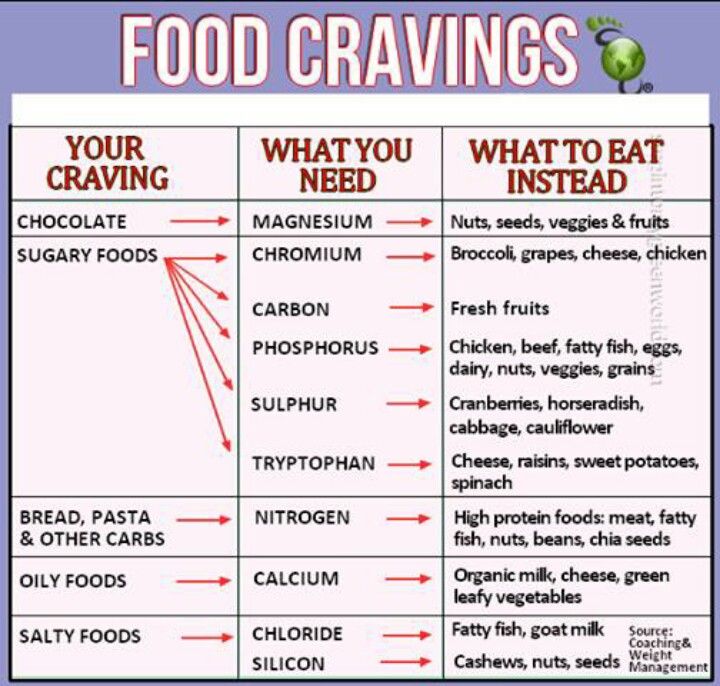
There is any number of reasons that you might have food cravings and quite often it really has little to do with the actual type of food. It could be a simple reason you can easily remedy, or it could be something serious that you should not ignore.

Here are some reasons for cravings and what you can do about it.

Physical Reasons for Your Cravings

Hormonal imbalance is a common physical cause of cravings. When your “hunger hormones,” ghrelin and leptin, are not balanced it can cause overeating and cravings. Lack of sleep, even low-level sleep deprivation, has been linked to overeating, cravings, and obesity in several studies. Poor gut health and an overall unhealthy diet can also be the culprit.

Women may experience cravings during pregnancy, PMS, and during their menstrual cycle. This is typically caused by hormonal changes in the body.

Psychological Reasons for Your Cravings

Stress is a huge cause of cravings, along with other eating problems. When you experience stress, your body begins producing cortisol, the stress hormone. When cortisol levels are high, it can trigger cravings and overeating. Your mood can also cause cravings. For instance, if you are sad, angry, anxious, or feeling worried, you may turn to comfort foods.

If you have the urge to grab some popcorn when you watch a movie or eat while watching TV, your brain may be creating links between certain foods and certain activities. This is called eating context. It is possible to rewire your brain. Don’t eat anywhere else but at the table, but if you must snack while watching TV, choose fresh fruits and vegetables.

Health Reasons for Your Cravings

Some cravings can signal an underlying health condition. If you notice any of these cravings, talk to your doctor because they could be warning signs that you shouldn’t ignore.

Water. If you crave water it could be an early warning sign of diabetes. Excessive thirst coupled with excessive urination should be addressed with your doctor.

Ice. Craving water in its frozen form could point to another serious health concern – an iron deficiency. Bloodflow to the brain is increased when you chew ice which gets rid of the sluggishness that an iron deficiency causes.

Fries. Craving high fat foods like fries could be a signal that you aren’t getting enough Omega-3 fatty acids in your diet. Put down the fries and pick up some avocados, olive oil, seeds, salmon, or nuts for a healthier option.

Salt. There is a common misconception that people crave salt because they need the sodium or iodine that is found in iodized salt. The truth is, there’s no merit to that. However, extreme salt cravings could indicate Addison’s disease and that could be a problem.

Chocolate. If you crave chocolate there could be a reason other than you just love chocolate. It could be that you have a B vitamin or magnesium deficiency.

Sugar. If you crave sugar, you might be dehydrated. Sugar cravings have been linked to low-level dehydration so instead of picking up that sugary treat, grab a glass or two of water.

Do You have a Food Addiction?

Food addiction is very real. It is possible to be addicted to a certain type of food like fat, sugar, or salt, but compulsive overeating may not focus on just one thing. However, people who are addicted to food get the same “high” as people on heroin and cocaine. For them, food triggers the same pleasure and reward centers in the brain that drugs do. If you think you might have a food addiction, talk to your doctor.

Maybe You’re Just Plain Hungry!

At the end of the day, food cravings could be just that – food cravings. Maybe you’re just hungry. While it is worth taking a minute to analyze your craving, also assess your situation. Have you eaten today? When did you last eat? How much did you eat? Is it possible that it’s time for another meal or snack? If the answer is yes, then choose something healthy and carry on.

5 DIY Hydroponic Gardens to Grow Food All-Year-Round

Growing your own food and becoming more self-sufficient can be as rewarding as it is nutritious. But not everyone has the space or climate for a big outdoor garden. Whether you have a whole room to spare or just a wall, one of these 5 hydroponic growing systems can get you growing.

1. Ebb and Flow

In this setup, your plants reside in a growing medium like rock wool or perlite inside containers —  one plant to a small container.  Those containers sit inside a large base. 

To feed and water your garden, you flood the base with nutrient-rich water without overflowing it. The system then drains the water and stores it for the next watering.

Like many of these systems, you can use a timer to maintain standard watering intervals for maximum plant health and production.

This one works for small to medium-sized plants, including berry bushes. So it can support most things you’d grow in a food garden.

2. Drip Hydroponics

A hydroponic drip system slowly releases a controlled amount of nutrient-treated water directly onto the plant’s root system. Any nutrient water the plant doesn’t use returns to the reservoir for the next feeding.

Manage the drip rate from controls. Then, run your own scientific experiments to maximize yields with the least resources.

This one shouldn’t be confused with outdoor drip irrigation. That does follow similar principles but allows the water to enter the soil instead of returning it to a reservoir.

Drip Hydroponics can grow most of your homesteading faves like:

  • Melons
  • Leeks
  • Peas
  • Tomatoes
  • Root vegetables

Nutrient Film Technology (The Original NFT)

NFT may sound technical. But it can be one of the easier hydroponic systems to create.

It includes a sloped platform along which you can plant your garden in the traytop. You slowly pump water down the slope and back into the reservoir at its base.

Only small plants do well. But you can increase the number of small plants in the tray top, making it very scalable.

As long as those plants still have adequate airflow and can access light, this system can hold a lot of smaller plants. 

Ideal for:

  • Leavy greens
  • Some herbs
  • Brocolli

4. Aeroponics

Some people won’t consider aeroponics a hydroponic system. But the only real difference is in how you administer the nutrient water.

Aeroponics works by nutrient-water misting the plant roots rather than submerging them. You need no grow medium if the containers are correctly sized for the plant. 

People choose aeroponics because it reduces the ability of the disease to travel from one plant to the next. Water that touches one plant doesn’t then flow to another.

Aeroponics also works well as a vertical gardening method, maximizing use of limited space and reducing the chance of large-scale crop loss. You can grow everything from lettuce to raspberries to sweet potatoes in this system. 

5. Deep Water Culture (DWC)

With water culture, you grow each plant in a net pot suspended over a large water basin filled with oxygen and nutrient-rich water. An air pump keeps the water at a good temperature for the plants to avoid overheating.

Depending on its size, DWC can grow any size of plant, even tropical plants (limes, mango, coffee, cocoa) with deep root systems.

5 Things You Must Know Before Getting Backyard Chickens

No self-sufficient homesteading setup is truly complete without chickens. They’re fun to watch, and fresh eggs are the best. But you should know a few things before you buy your first hens.

1. Chickens Are Smart

Chickens can remember, learn, figure things out, and feel emotions. They get bored and cranky if they feel cramped and uncared for. If handled by you when young, they often like to cuddle.

Don’t underestimate your chickens. They can easily become escape artists or learn to act up like a spoiled child to get treats. 

But when you respect their skills, you can train them to come when you call, play with chicken toys, and even perform certain actions for treats. 

2. They Don’t Give You “Free” Eggs

This is especially true when you consider that time is also money. Chickens require housing, food and grit. 

With that said, chickens aren’t expensive or high-maintenance. Applying some homesteading hacks can reduce their costs to the point that you may in fact save money. Create a self-sustaining chicken-garden permaculture system:

  • Free-ranging
  • Feeding them kitchen veg scraps, garden pruning, and excess harvest
  • Raising worms for extra protein and using the worm castings on your garden
  • Composting their poop to reduce your garden soil costs and increase yields
  • Growing barley, wheat, corn, and soybeans for feed.

Work toward a system where the chickens feed the garden. The garden feeds them.

3. Chickens Are Good & Bad for Your Garden

Chickens create nitrogen- and phosphorous-rich poop for your compost. Your garden will love it. They also eat many larvae in the dirt that will become garden pests.

But if they actually get into your garden, their scratching will destroy small plants and they love to eat ripening fruits before you can.

The fix: Chicken poop is also too acidic to add directly to the garden in high quantities anyway. So compost it. Or only allow the chickens into the garden when no human-edible plants are growing. 

4. Chickens Don’t Lay All The Time

You may hear that a certain breed lays 300 eggs a year and think that’s almost one egg a day. But if you have high-yield chickens, you’re more likely to have too many eggs for half the year and too few when it’s cold out. They don’t produce all winter and slow down after 2-3 years.

However, chicken eggs stay safe and delicious at room temperature for at least two weeks if left unwashed. And in a fridge unwashed for much longer. Healthy chickens don’t lay dirty eggs. So this isn’t as disgusting as it might sound to those accustomed to washed eggs.

5. You Will Fall in Love with Them

You have dog people and cat people. Both can fall in love with chickens. This bird can be both independent and highly affectionate. They’re fairly low maintenance and low cost if you develop a good system. 

Eggs are an excellent protein source for a self-sustaining homestead, especially if you prefer not to butcher goats, sheep, pigs, and cows.

Homesteading with Chickens

Chickens are an important part of self-sufficient permaculture. Review local codes and follow them, then add a small flock to your homestead.

The Insider’s Guide: 5 Ways to Get to Know the Real Uganda

Uganda is one of the world’s most beautiful countries. There are landscapes that look almost too gorgeous to be real, as well as one of Africa’s most impressive collections of wildlife. No visitor to Uganda should miss these, but there are also cities, villages and hospitable people.

Here are five ways to get to know the real Uganda, both the spectacular and the everyday aspects of the country.

1. Feast Your Eyes on Wildlife

Whether it’s a gorilla trekking tour, a guided safari or a hike through amazing scenery, you can’t say you’ve seen Uganda if you haven’t seen some wild animals. There are lions in Queen Elizabeth National Park, gorillas in western Uganda and elephants, buffalo, lions and giraffes in Kidepo Valley National Park. Safaris of all sorts are available, including eco-friendly tours, customized treks for your party and car-hire safari tours.

2. Spend Time on the Water

Uganda boasts five large lakes, including the massive Lake Victoria, and it shares part of the Nile River. Tour companies offer cruises and canoeing on the lakes. There is rafting as well as less adventurous cruises on the river.

You can fish in Lake Victoria: it’s home to more than 500 species. The lake is also blessed with islands and beaches that are worthy of a visitor’s time and attention.

3. Shop a Kampala Craft Market

In the capital city, you’ll find the Ugandan Parliament, several famous museums and over three million people. Additionally, you’ll find craft markets, also called craft villages. Some inhabit permanent locations and others appear on a weekly or monthly basis. You can meet the artisans, and sometimes they will create custom orders. Choose from baskets, pottery, paintings, jewelry and other Ugandan handiwork.

4. Take a Village Tour

If you’re wondering what traditional life in a Ugandan village is like, a village tour is a great way to find out. Most of these villages are located on or near tourist sites and are readily accessible. As an example, there’s Boomu, a lovely community with gardens and tour amenities including a restaurant. You can sit around the campfire and listen to the elders spin their tales before retiring to sleep in a genuine African hut. This is just one of many available village tours.

5. Come in April

June, July and August are the most popular months for tourists, but not as many foreigners come in April. It’s the wettest month of the year, which has its pros and cons. Some accommodations will be closed and some park roads might be impassible.

However, many people find it the most beautiful season, with mists settling onto treetop canopies. Gorillas linger in lower regions, and the treks to see them are shorter (though muddier). Even in April, Murchinson Falls National Park in the north is drier. Best of all, you’ll see a less commercial Uganda without crowds of tourists.

The Magic of Rio De Janeiro – 5 Unique Attractions in This Amazing City

World travelers regard Rio De Janeiro as one of the greatest cities in South America if not the world. From its famous iconic landmarks to tremendous natural beauty to its rich cultural history, this city is truly one of a kind.

Read on to ensure that you don’t miss these five “must see” attractions during your Rio De Janeiro vacation.

  1. Christ the Redeemer

One of the most famous large-scale statues in the world, Christ the Redeemer is all the more impressive due to the majestic setting that surrounds it. Mounted at the top of Rio De Janeiro’s Corcovado Peak, this figure seems to embrace the entire city in its massive outstretched arms. Although there are many bigger statues in existence, Christ the Redeemer is the biggest to be constructed out of concrete and soapstone. Visitors can ride a vertical cog train to the base of the statue and then take a series of elevators, escalators, and/or stairsteps to its very top.

  1. Copacabana Beach

Tourists mingle freely with locals on bustling Copacabana Beach. People play soccer and volleyball in the sand as fisherman offer their morning catch for sale and venders enthusiastically hawk snacks and beverages from a line of kiosks. Visitors love to stroll along the beautiful historical promenade that stretches a mile and a half along the beach. It is also worthwhile to check out the Copacabana Fort Museum, an active military base with a series of wartime exhibits that are open to the public.

  1. Sugar Loaf Mountain

Located remarkably close to Copacabana Beach, Sugar Loaf Mountain is a particularly great destination at sunset. In fact, visitors can even take in the sunset while they ascend to the top of Sugar Loaf Mountain in glass-walled cable cars called “bondinhos” or “teleféricos.” At the end of the trip, they find themselves roughly 1,300 feet above the inlet of Guanabara Bay. The peak is also home to a broad spectrum of wildlife that includes giant anteaters and marmoset monkeys.

  1. Jardim Botanico

The crown jewel of Rio de Janeiro’s Lagoa neighborhood, the Jardim Botanico (or Botanical Garden) is home to more than 8,000 plant species. The biggest draws at the Jardim Botanico include its avenues of towering palm trees, its roughly 600 species of orchids, and its Japanese garden complete with manicured pond and water lilies. It is also home to numerous impressive artistic monuments as well as the environmental exhibitions of the new Museu do Meio Ambiente.

  1. The Carioca Aqueduct

A defining landmark of the Lapa neighborhood, the Carioca Aqueduct is also known as the Lapa Arches. This is because the Carioca Aqueduct, which supplied fresh drinking water to the city in the 18th century, is no longer operational, but the arches that once supported it are still there. The most prominent feature of the Carioca Aqueduct is a segment that consists of two stories of massive white arches.

5 Tips for the Best Potato Salad

Making potato salad is easy enough, but making a great-tasting potato salad that people will go back for seconds on is something else. Many people make a plain potato salad with potatoes and mayonnaise. While it might taste good, it’s boring. Potatoes go with just about everything, so you can get really creative with a potato salad.

Spice It Up

Adding spices to a potato salad that doesn’t use vinegar can spice it up. Consider adding salt, pepper, garlic powder and onion powder. If you really want to kick it up a notch, add a bit of cayenne pepper or Badia redfish seasoning. Even if you make mustard potato salad, you could add the same seasonings. Adding a fresh green, such as parsley or cilantro also adds color to the salad.

Mix the “Sauce” First

When using spices, always mix the spices with the mayonnaise before you start adding the rest of the ingredients. Otherwise, you may not get all the spices evenly mixed. You’ll get a bite that is bland and a bite that is overly spicy. If you are making mustard potato salad, mix the mustard in with the spices. If you use a whisk to mix it, you’ll ensure the spices and mustard are mixed thoroughly and evenly.

Use Prepared Mustard

If you’re making mustard potato salad, you’ll want to use quite a bit of prepared mustard. However, if you don’t want mustard potato salad, adding a couple of teaspoons of mustard per cup of mayonnaise will round out the flavor without giving the salad a vinegary or mustardy taste.

Add Lots of Goodies

Because most everything goes well with potatoes, you can add just about anything you want. If you add meat, choose one. You can add a can of drained tuna, diced hotdogs, bologna, olive loaf, P&P loaf or even spam.

You might also consider adding peas, diced cheddar cheese, onions, sweet green peppers, hard-boiled eggs and celery. You can add more color by using multi-colored sweet peppers. Pimentoes also give the salad a bit of color if you don’t like sweet peppers.

If you add hard-boiled eggs, wait until they cool slightly before peeling them under a slow stream of running water. Cut them into bite-size pieces. Mix everything else first, then add the hard-boiled eggs and gently fold them into the salad mixture.

Prepping the Potatoes

To some people, it is a crime to leave the peels on the potatoes; to others, it’s a crime to peel them. Whichever way you like the potatoes, the best way to cook them for potato salad is to cut them into bite-size pieces before cooking them. They’ll cook faster and more evenly. Drain the potatoes well, then rinse them in cold water to stop the cooking process if you want the potatoes to stay cubed. Some people like the potatoes to mash up a bit when mixing the salad.

If you want to add more color to the salad, use red potatoes and leave the peels on. Just wash them thoroughly, cut them into bite-size pieces, boil until just fork-tender, drain them and rinse them with cold water to stop the cooking process.