
The 5 Best Rodeos to Attend in North America
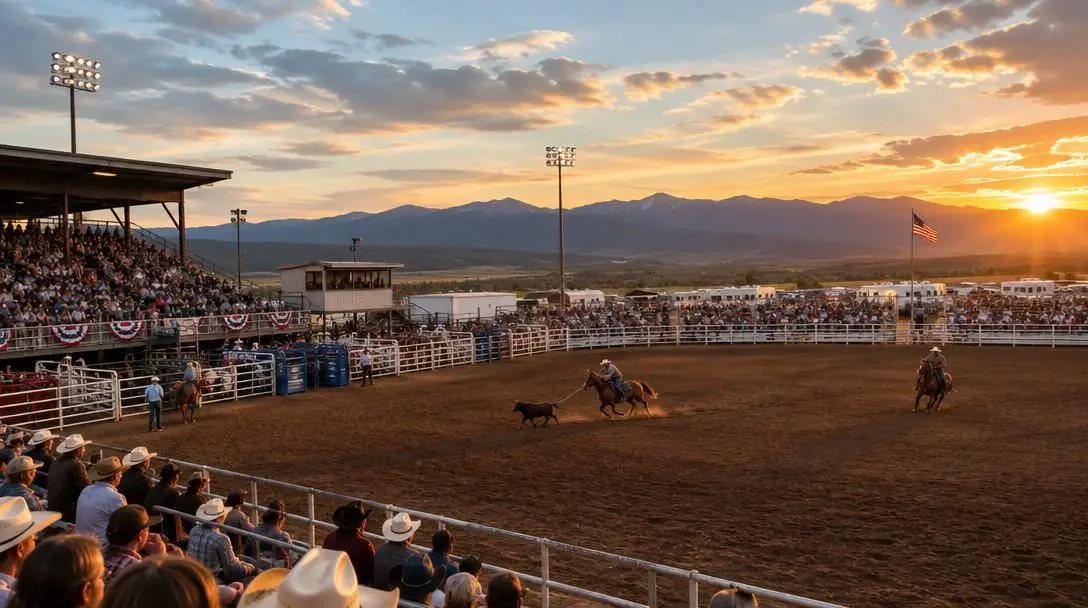
Few live sporting environments match the raw sensory power of a North American rodeo. The thunder of hooves churning up arena soil, the sharp blast of the arena horn, and the collective gasp of thousands watching a competitor contest an explosive animal create an atmosphere steeped in athletic tension. Spanning from the open grasslands of Western Canada across the Great Plains and into the American West and Mid-Atlantic, rodeo continues to thrive as an enduring expression of ranching heritage and high-stakes performance.
Whether held as sprawling, multi-day civic festivals welcoming international travelers or as tightly focused community showcases in regional parks, these gatherings celebrate the hard-won skills of rural life. For both experienced fans and newcomers attending their first grand entry, understanding the specific identities of the continent's top events provides a clear pathway to experiencing western sporting tradition at its highest level.
Key takeaways
- North America features diverse rodeos ranging from single-day showcase events to multi-day celebrations attracting over a million visitors.
- Competitions are fundamentally divided into judged roughstock rides and race-against-the-clock timed events.
- Historic gatherings such as Cheyenne Frontier Days and the Calgary Stampede blend elite championship sport with extensive parades, musical concerts, and civic festivals.
- Proper preparation, including securing early tickets, dressing for outdoor arena environments, and arriving early, is essential for a seamless spectator experience.
Top North American rodeos at a glance
Every major rodeo presents a distinct blend of scale, local traditions, and competitive scheduling. The table below compares the essential elements of the premier events across the United States and Canada.
| Rodeo | Location | Timing and Duration | Signature Features |
|---|---|---|---|
| Calgary Stampede | Calgary, Alberta, Canada | 10 days every July | Over 1 million attendees, chuckwagon races, grand parade, agricultural exhibits |
| Bull Run Rodeo | Bull Run Regional Park, Virginia | 1-day event every August | Mid-Atlantic setting, wild cow milking, ladies' barrel racing, team roping |
| Cheyenne Frontier Days | Cheyenne, Wyoming | 10 days every July | Founded in 1897, calf roping, carnival midway, major outdoor concert series |
| Williams Lake Stampede | Williams Lake, British Columbia, Canada | 3 days every July | Rugged regional action, royal court coronation, civic parade, live local music |
| Reno Rodeo | Reno, Nevada | June showcase | Over 150,000 spectators, mutton bustin' for youth under seven, headline country music |
The 5 best rodeos to attend in North America
While hundreds of competitive arenas open their gates each year, a select group of gatherings stand out for their historic pedigree, athletic caliber, and vibrant spectator culture.
Calgary Stampede
- Location: Calgary, Alberta, Canada
- Duration: 10-day celebration held each July
- Attendance: More than 1 million annual visitors
- Key Highlights: Chuckwagon races, rodeo competitions, parade with marching bands and floats
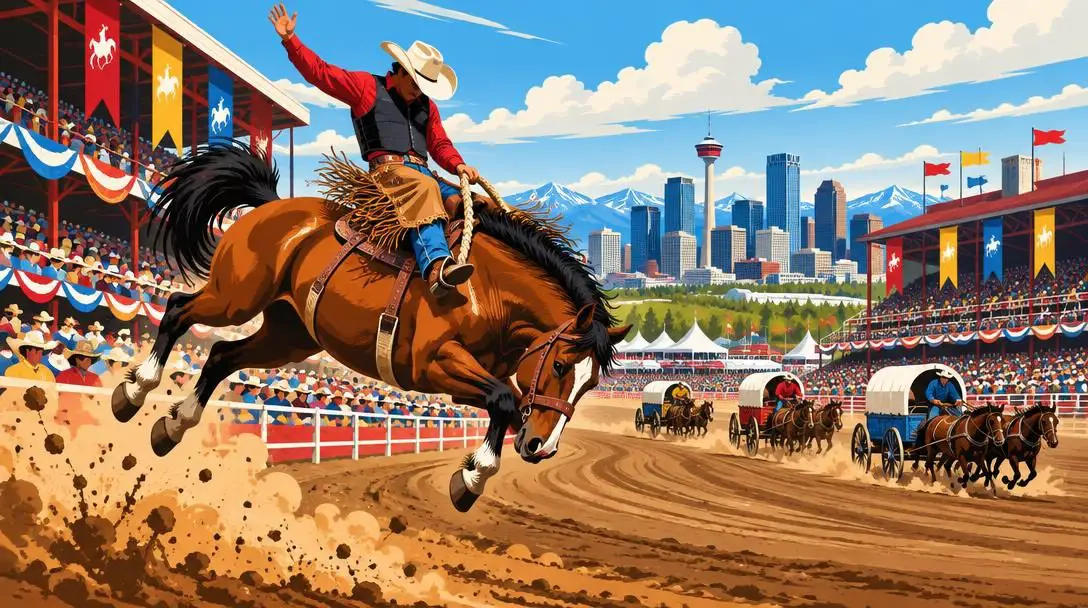
Known across the globe as one of the most prominent western celebrations in existence, the Calgary Stampede transforms its host city into a vibrant festival of western hospitality every July. The ten-day gathering traces its roots to early frontier traditions, pairing top-tier professional competition with massive public entertainment. Beyond the bucking chutes, attendees pack the stands for the world-famous chuckwagon races, where thoroughbred teams navigate tight turns at breathtaking speeds. A massive opening parade featuring marching bands and floats signals the start of festivities that encompass expansive agricultural showcases, indigenous cultural pavilions, and citywide community breakfasts.
Bull Run Rodeo
- Location: Bull Run Regional Park, Virginia
- Duration: 1-day event held every August
- Signature Contests: Bull and bronc riding, wild cow milking, ladies' barrel race, team roping
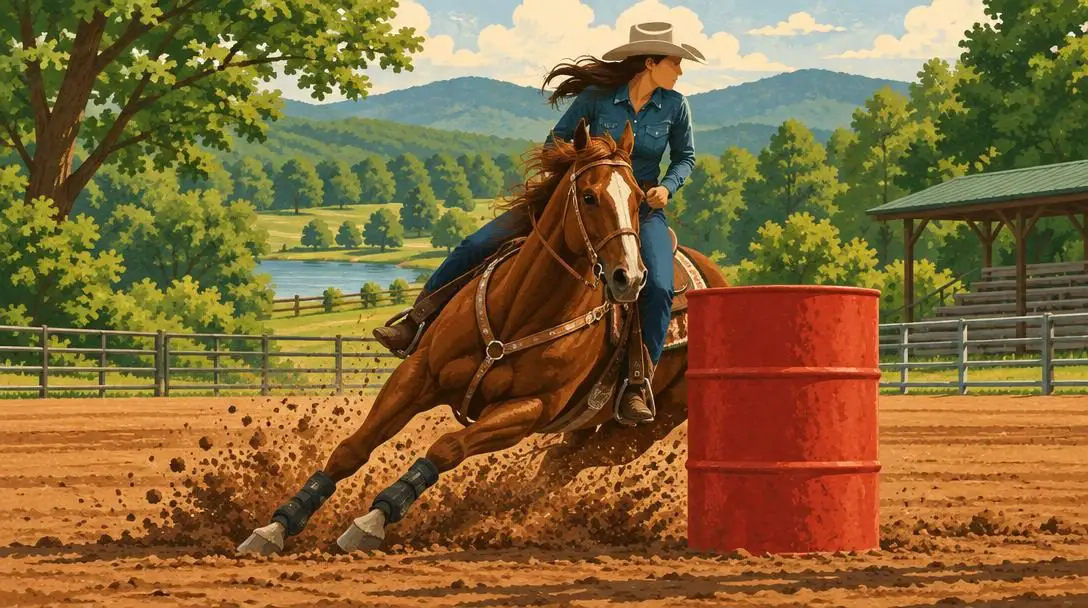
Offering an energetic counterpoint to traditional western venues, the Bull Run Rodeo brings the drama of the arena to the Mid-Atlantic. Held on the open park grounds of Bull Run Regional Park, this focused, single-day event packs an extensive slate of competition into a single August date. Spectators can witness classic roughstock clashes alongside fast-paced timed events such as team roping and the ladies' barrel race. The event is also celebrated for novelty contests like wild cow milking, where teams on foot navigate unpredictable livestock in the dirt, giving eastern audiences an authentic taste of arena challenges without crossing the Mississippi.
Cheyenne Frontier Days
- Location: Cheyenne, Wyoming
- Established: 1897
- Duration: 10-day celebration held each July
- Key Features: Calf roping, bull riding, carnival rides, live music, community parades
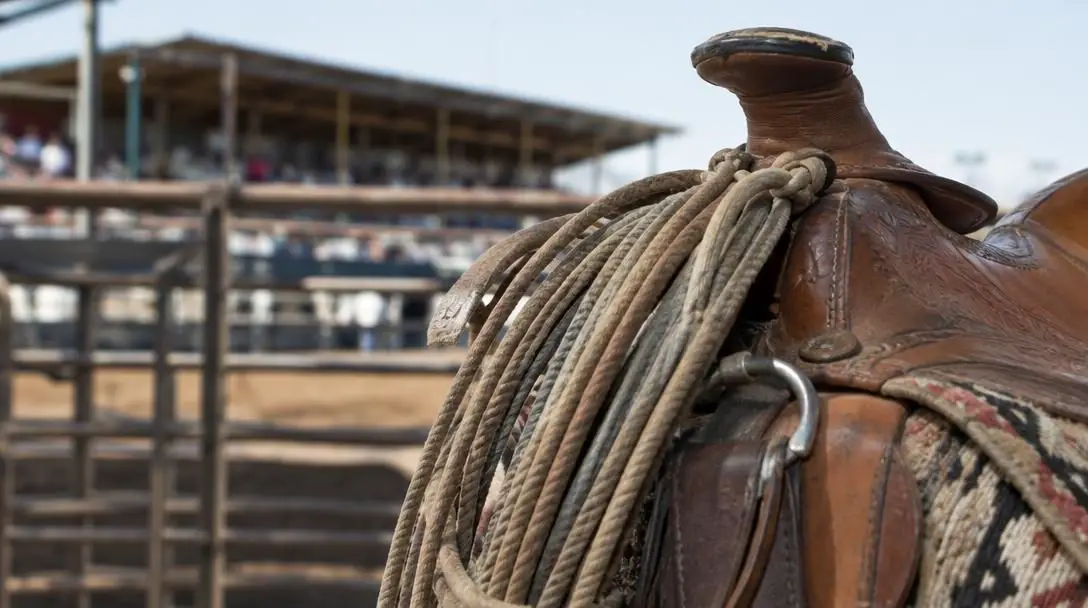
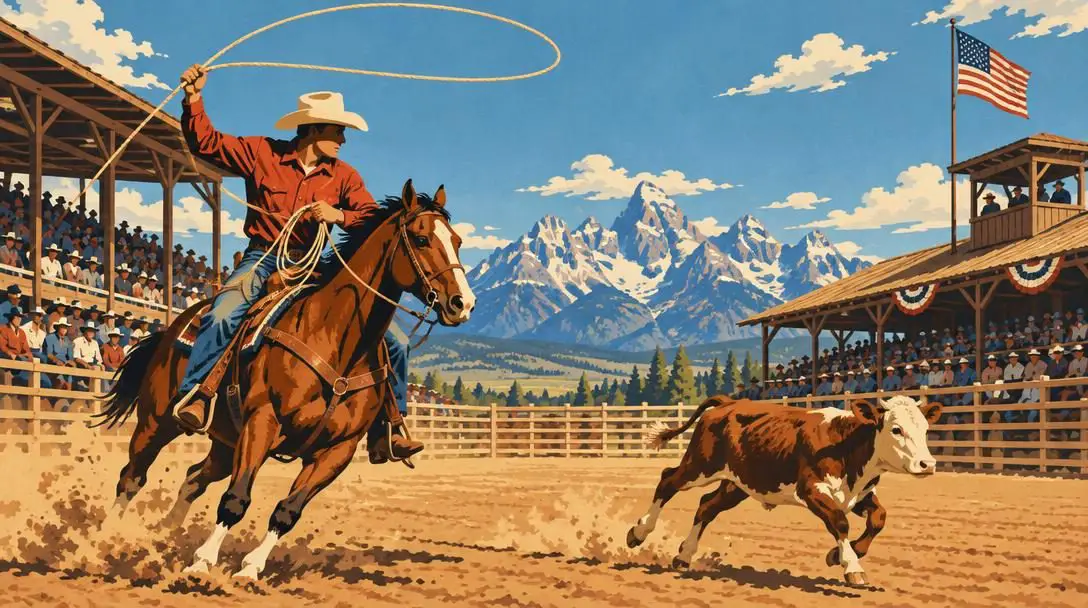
Carrying a rich legacy that stretches back to 1897, Cheyenne Frontier Days stands among the oldest continuously operating outdoor rodeos in the United States. Its long history has earned it an undisputed place in western lore, drawing elite competitors who consider a victory in Cheyenne to be among the crowning achievements of their sporting careers. The ten-day celebration in Wyoming combines grueling timed contests like calf roping and steer wrestling with heart-pounding roughstock events. Outside the dirt arena, visitors experience a vast festival footprint filled with carnival rides, historic parades through downtown Cheyenne, and nightly concerts featuring premier musical performers.
Rodeos evolved from humble working-ranch tests of skill into world-class athletic festivals that unite entire communities around living frontier history.
Williams Lake Stampede
- Location: Williams Lake, British Columbia, Canada
- Duration: 3-day weekend event held every July
- Atmosphere: Rugged British Columbia interior ranching culture
- Signature Traditions: Royal court coronation, community parade, local live bands
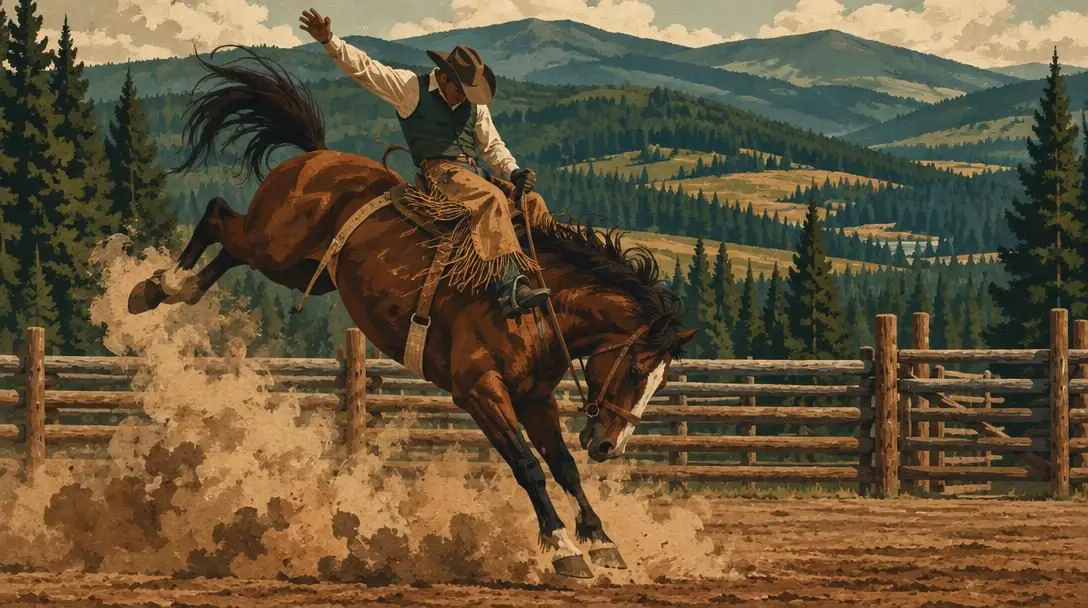
Set against the timbered hills and expansive cattle country of British Columbia's interior, the Williams Lake Stampede provides an intimate, authentic rodeo experience. Held over three days in July, this gathering showcases world-class livestock and seasoned riders while maintaining the close-knit warmth of a true ranching town. The weekend begins with a colorful community parade and the annual coronation of the Stampede royal court, leading directly into hard-fought arena rounds. Evenings feature performances by local musical acts, celebrating the deep cultural ties that bind the surrounding ranching settlements to the arena floor.
Reno Rodeo
- Location: Reno, Nevada
- Timing: June showcase
- Attendance: Over 150,000 spectators
- Notable Contests: Bull riding, barrel racing, team roping, mutton bustin' for children under seven
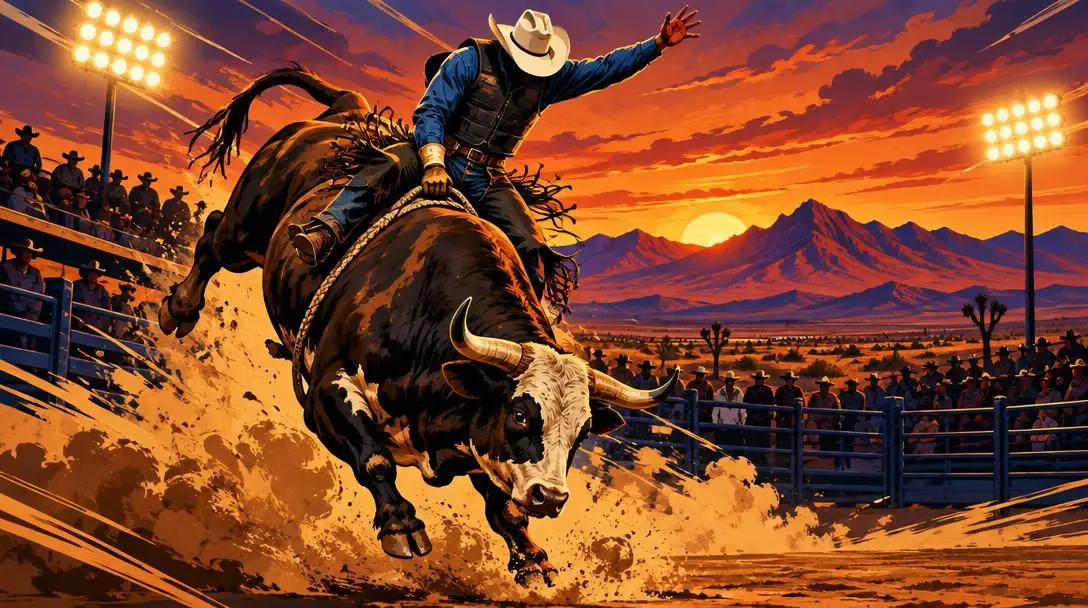
Kicking off the summer rodeo season in the Silver State, the Reno Rodeo draws more than 150,000 fans over its high-energy run. As one of the largest competitive gatherings in the United States, it attracts the sport's leading contenders seeking early-season momentum. Alongside premier bull riding, precision team roping, and lightning-fast barrel racing, the Reno Rodeo is widely known for family-focused events like mutton bustin', which gives children under the age of seven an opportunity to test their balance on sheep in front of cheering crowds. The action extends well into the warm desert evenings with nightly concerts featuring top-tier country recording artists.
How rodeo competitions and arena events work
To fully appreciate the skill on display in the arena, spectators must understand the two foundational categories that organize competitive rodeo: roughstock events and timed events. Each demands a distinct skill set, different animal temperaments, and unique evaluation criteria.
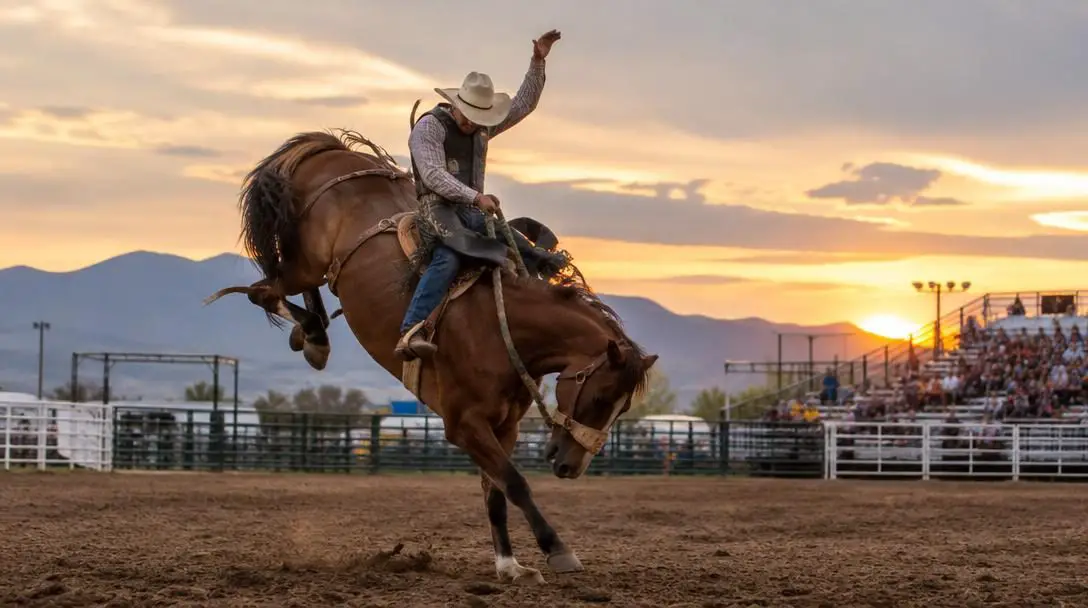
Roughstock events, including saddle bronc riding, bareback bronc riding, and bull riding, challenge an athlete to stay mounted on a bucking animal for a qualifying ride of eight seconds using only one hand. Touching the animal, personal equipment, or the competitor's own body with the free hand results in immediate disqualification. The ride is evaluated by a panel of judges who score both the athlete and the animal: half of the score measures the competitor's balance, spurring action, and control, while the other half rewards the animal's athleticism, kicking power, and directional changes.
Timed events remove subjective scoring entirely, pitting human athletes and their horses directly against the arena clock. Standard disciplines include:
- Barrel racing: Riders guide their horses at full sprint through an intricate cloverleaf pattern around three preset barrels. Knocking over a barrel results in a severe time penalty, demanding seamless agility and balance at top speed.
- Team roping: Two mounted competitors work in tandem. The header loops the horns of an escaping steer before turning the animal to give the heeler an angle to rope both hind legs, demanding split-second synchronization.
- Calf roping: A solitary rider throws a loop around a running calf, halts their horse, dismounts at a run, and immobilizes the calf by tying three of its legs together in rapid succession.
- Wild cow milking: Teams on foot contest an untamed cow in the arena dirt, wrestling the animal to a temporary halt so a teammate can draw milk into a bottle before racing across the finish line.
- Mutton bustin': A crowd-favorite contest tailored for youth under seven years old, testing how long young riders can hold onto a sprinting sheep.
The safety of the arena floor relies on specialized professionals whose bravery matches that of the competitors. Bullfighters and rodeo clowns take up calculated positions inside the ring during roughstock events. When a rider is thrown, these athletes deliberately draw the charging animal's attention toward themselves, granting the fallen competitor precious seconds to scramble to safety behind arena fences.
How to plan your rodeo trip
Attending a premier rodeo requires careful advance planning, particularly when visiting historic multi-day celebrations that draw tens of thousands of travelers into mid-sized communities.
- Choose the event that fits your travel style: Decide whether you want the massive, ten-day spectacle of Calgary or Cheyenne, the focused three-day regional community atmosphere of Williams Lake, the early-summer desert crowds in Reno, or a single-day excursion to Virginia's Bull Run Regional Park.
- Secure tickets well ahead of time: Evening performance rounds, weekend championship brackets, and nightly country music concerts frequently sell out weeks before gates open.
- Organize transportation and parking routes: Influxes of festival traffic can cause substantial delays near arena parking lots; map out secondary access routes and plan to arrive well ahead of opening announcements.
- Dress for outdoor conditions: Arena environments feature fine dirt, open-air grandstands, and intense seasonal heat. Wear closed-toe leather boots or sturdy shoes, pack wide-brimmed sun hats, and bring breathable layered clothing.
- Arrive early for auxiliary festivities: Take advantage of the full festival footprint by watching community parades, exploring livestock barns, sampling regional food offerings, and viewing the royal court ceremonies before settling into your grandstand seat.
- Review venue entry policies: Familiarize yourself with grandstand guidelines regarding allowable bag sizes, camera lenses, and prohibited items to avoid delays at the security checkpoint.
Common spectator mistakes to avoid
Attending an arena competition is an exciting experience, but first-time spectators often make simple errors that detract from their enjoyment of the day.
- Arriving precisely at showtime: Entering the venue at the scheduled start time often means fighting congested entry turnstiles, missing the pageantry of the opening grand entry, and scrambling through crowded corridors during the first roughstock rides.
- Wearing impractical apparel: High heels, open-toed sandals, and delicate fabrics are ill-suited for outdoor grandstands, concrete concourses, and dirt paths kicked up by wind and arena traffic.
- Ignoring the weather forecast: Because major rodeos run during the hottest months of June, July, and August, neglecting to bring hydration, polarized sunglasses, and sun protection can quickly ruin an afternoon in direct sunlight.
- Overlooking external festival grounds: Focusing entirely on arena heats causes many visitors to miss community parades, chuckwagon races, live musical stages, and historical exhibits operating outside the main grandstand.
- Leaving your seat during active competition: Walking up and down aisles while a competitor is in the chute or mid-ride obstructs sightlines for seated patrons and distracts the timing crews and arena personnel operating near the rails.
Frequently asked questions
How long does a roughstock competitor have to stay mounted?
In roughstock events such as bareback riding, saddle bronc riding, and bull riding, the athlete must successfully stay aboard the animal for a full eight seconds using only a single hand. A buzzer or horn signals the completion of the qualifying ride, after which judges score the performance.
Which rodeo is the oldest in the United States?
Among the premier celebrations featured here, Cheyenne Frontier Days holds that honor. First held in 1897, the Wyoming event has operated for well over a century, earning a prominent role in the development and preservation of competitive western sport.
What is the difference between roughstock and timed events?
Roughstock events rely on subjective scoring by judges who evaluate the rider's technique and the animal's bucking difficulty over eight seconds. Timed events, including calf roping, team roping, and barrel racing, are strictly objective races against the clock where the lowest time wins.
What role do rodeo clowns play during the performance?
While rodeo clowns provide entertaining interludes between competitive heats, their most vital function is acting as bullfighters. When a roughstock rider falls, they deliberately place themselves between the animal and the downed athlete to draw the animal away and prevent serious injury.
What should first-time spectators wear to an outdoor rodeo?
Spectators should wear durable, comfortable clothing suited for outdoor summer heat and dusty environments. Closed-toe footwear such as leather boots or sturdy shoes is recommended, along with a wide-brimmed hat, polarized sunglasses, and breathable clothing suitable for daytime sun and cooler evening grandstand breezes.
The bottom line
North American rodeo represents far more than an energetic weekend of arena entertainment; it is an active, living bridge to ranching traditions that helped shape the continent. From the massive, million-spectator spectacle of the Calgary Stampede to the historic heritage of Cheyenne Frontier Days, the vibrant desert energy of the Reno Rodeo, the rugged Canadian hospitality of the Williams Lake Stampede, and the unexpected excitement of Virginia's Bull Run Rodeo, each destination provides a distinct vantage point on western culture.
By preparing for outdoor conditions, securing grandstand access early, and taking time to understand the nuances of judged roughstock rides and lightning-fast timed events, you can turn a simple trip into an unforgettable journey. Whether you are traveling across the continent or discovering an arena event close to home, the skill of the athletes, the power of the stock, and the warmth of the community will leave a lasting impression.





