From Romance to Action: Top Genres in Light Novels You Should Know About
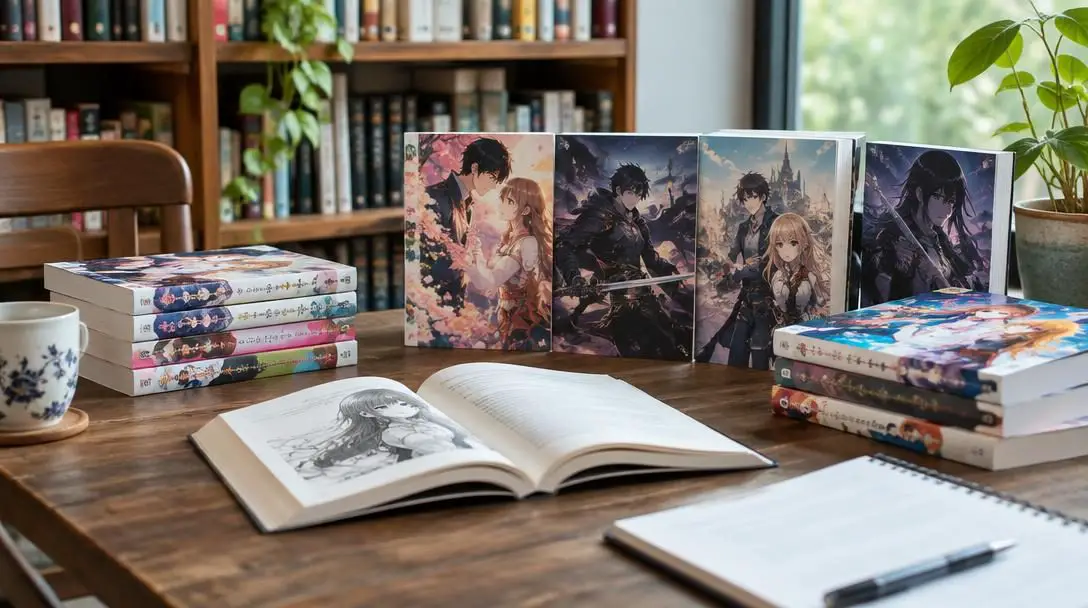
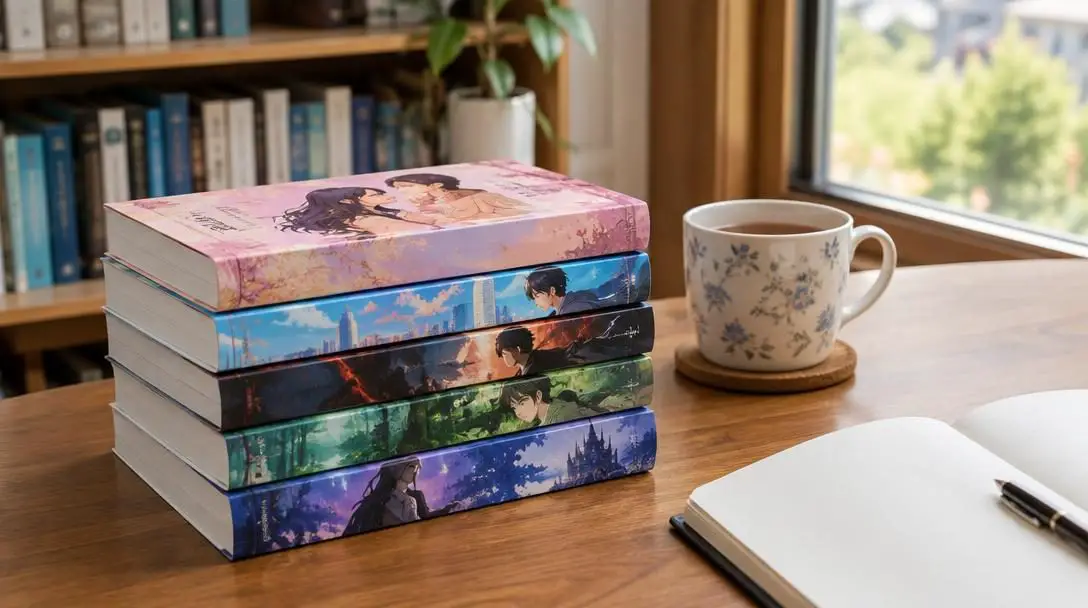
Light novels have experienced an extraordinary surge in global readership over recent years, finding an enthusiastic following among anime and manga fans as well as general fiction enthusiasts. Originating in Japan, these compact books pair direct, accessible prose with anime-style illustrations that punctuate key emotional scenes and combat sequences. Because their chapters are built around brisk pacing, they provide an approachable reading experience without sacrificing the intricate narrative arcs, detailed world-building, or character progression found in conventional fiction.
As Japanese pop culture has expanded worldwide, light novels have become an indispensable engine driving the broader media landscape, inspiring successful television series, feature films, and manga adaptations. Yet newcomers often find the vast ecosystem of categories and serialized releases somewhat bewildering. Navigating the defining conventions, core themes, and prominent titles across the most influential genres is the most reliable way to discover books tailored to your reading preferences.
Key takeaways
- Light novels combine accessible, fast-paced prose with anime-style visual art to create immersive, episodic narratives.
- Major genres span from introspective romances and world-spanning fantasies to high-stakes action, psychological horror, and satire.
- Multi-volume structures blend self-contained volume conflicts with overarching multi-book plotlines.
- Light novel adaptations frequently condense source material, making the original written works crucial for full character insights.
- Sampling opening chapters and evaluating series lengths helps readers avoid reader fatigue and find titles that fit their preferences.
What defines the light novel medium
Understanding why light novels occupy a unique position in global literature requires examining how they are crafted and distributed. Text in light novels is deliberately structured with clear sentences and focused phrasing. This deliberate economy of language makes the material welcoming to younger readers and casual book lovers. However, straightforward sentence construction does not diminish depth; authors frequently construct expansive mythologies, multi-layered kingdom politics, and nuanced character psychology within these pages.
Another defining hallmark of the medium is its deep synergy with the anime and manga industries. An enormous share of contemporary animated series trace their roots directly back to light novels. Because authors anticipate serialized publication schedules, they write using episodic pacing that resolves intermediate hurdles while steadily building tension for the next installment. This format allows readers to enjoy satisfying resolutions within individual books while remaining invested in long-running character arcs across dozens of volumes.
Simplicity in prose does not prevent authors from developing deep lore, complex relationship dynamics, and intricate settings.
Overview of top light novel genres
While light novels cover a wide array of niche storytelling approaches, five primary genres form the foundation of the medium. The table below outlines their primary themes, common stylistic pacing, and representative works.
| Genre | Core focus | Narrative pace | Representative titles |
|---|---|---|---|
| Romance | Emotional growth, interpersonal tension, social dynamics | Deliberate to moderate | Toradora!, My Youth Romantic Comedy Is Wrong, As I Expected |
| Fantasy | Magic systems, mythical creatures, expansive world-building | Moderate to fast | Sword Art Online, Overlord |
| Action | Physical combat, tactical mind games, supernatural powers | Fast and intense | The Rising of the Shield Hero, No Game No Life |
| Horror | Psychological unease, curses, atmospheric suspense | Slow-burn to intense | Another |
| Comedy | Witty banter, parody, absurd situational dynamics | Brisk and episodic | KonoSuba: God's Blessing on This Wonderful World! |
Top genres in light novels
Every major genre in the light novel format brings its own narrative conventions, aesthetic choices, and emotional beats. Exploring each category reveals how authors manipulate text and art to deliver compelling reading experiences.
Romance
- Core focus: Romantic relationships and emotional maturity
- Primary elements: Drama, comedy, tragedy, internal monologues
- Notable examples: Toradora!, My Youth Romantic Comedy Is Wrong, As I Expected
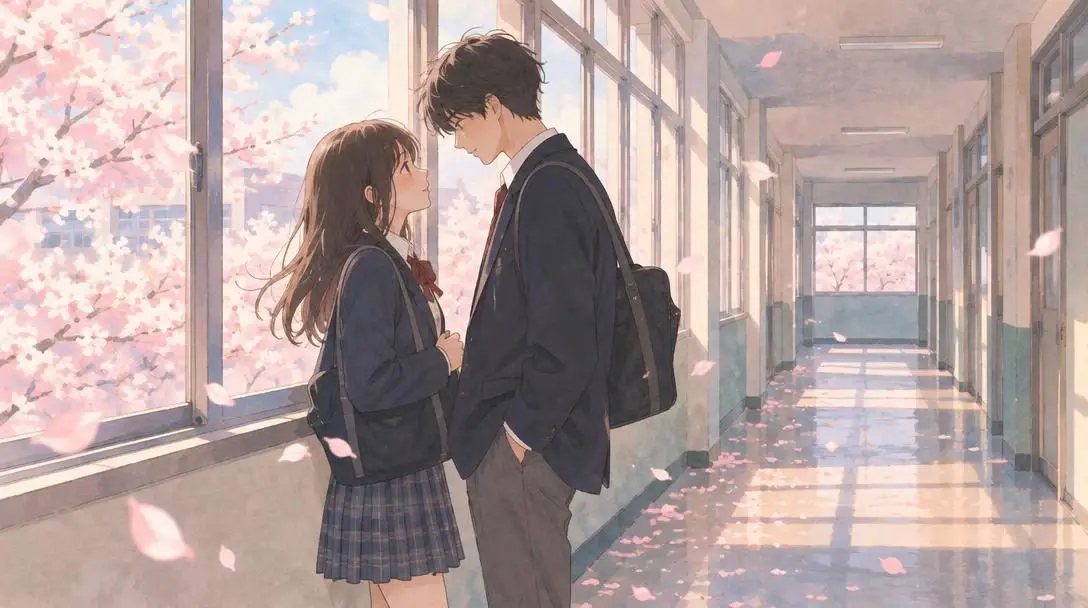
Romance remains one of the most enduring pillars of the light novel sphere. These narratives delve deeply into romantic bonds between main protagonists, frequently interweaving subplots of adolescent anxiety, familial duties, or classroom drama. Rather than relying solely on grand declarations, romance light novels often lean into introspective internal monologues that expose a protagonist's private insecurities, unspoken sentiments, and gradual emotional maturation.
In stories such as Toradora! by Yuyuko Takemiya, emotional stakes emerge from conflicting loyalties, misunderstandings, and the vulnerability required to admit one's true feelings. Similarly, Wataru Watari's My Youth Romantic Comedy Is Wrong, As I Expected investigates societal posturing and cynical self-preservation among students navigating complex high school hierarchies. These works prove that romance light novels can provide poignant, grounded observations on human connection alongside traditional romantic payoff.

Fantasy
- Core focus: Fictional realms, magical mechanics, mythical beasts
- Primary elements: Intricate world-building, kingdom conflicts, lore
- Notable examples: Sword Art Online, Overlord
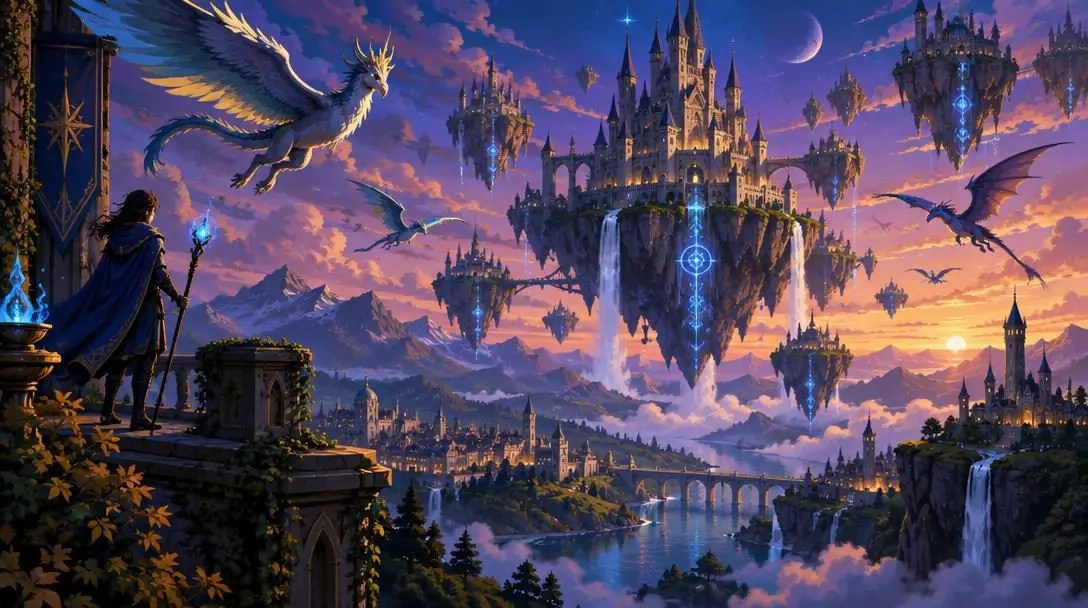
Fantasy light novels transport readers into realms governed by distinct physical laws, ancient magic, and political strife. Authors working in this genre frequently dedicate considerable space to establishing how supernatural forces operate, the hierarchy of governing kingdoms, and the historical rivalries that shape local territories. Characters must regularly navigate unfamiliar wilderness, master complex skill systems, or outmaneuver political adversaries seeking regional dominance.
A benchmark of modern fantasy storytelling is Reki Kawahara's Sword Art Online, which combines virtual environments with high-stakes survival mechanics. On the other end of the thematic spectrum, Kugane Maruyama's Overlord explores moral ambiguity by placing an overwhelmingly powerful protagonist in the role of an imposing conqueror exploring an unfamiliar fantasy world. Through deep world-building and detailed settings, fantasy light novels create rich sandboxes that sustain readers across extensive multi-volume sagas.
Action
- Core focus: High-stakes combat, physical prowess, strategic battles
- Primary elements: Supernatural techniques, advanced technology, rivalries
- Notable examples: The Rising of the Shield Hero, No Game No Life
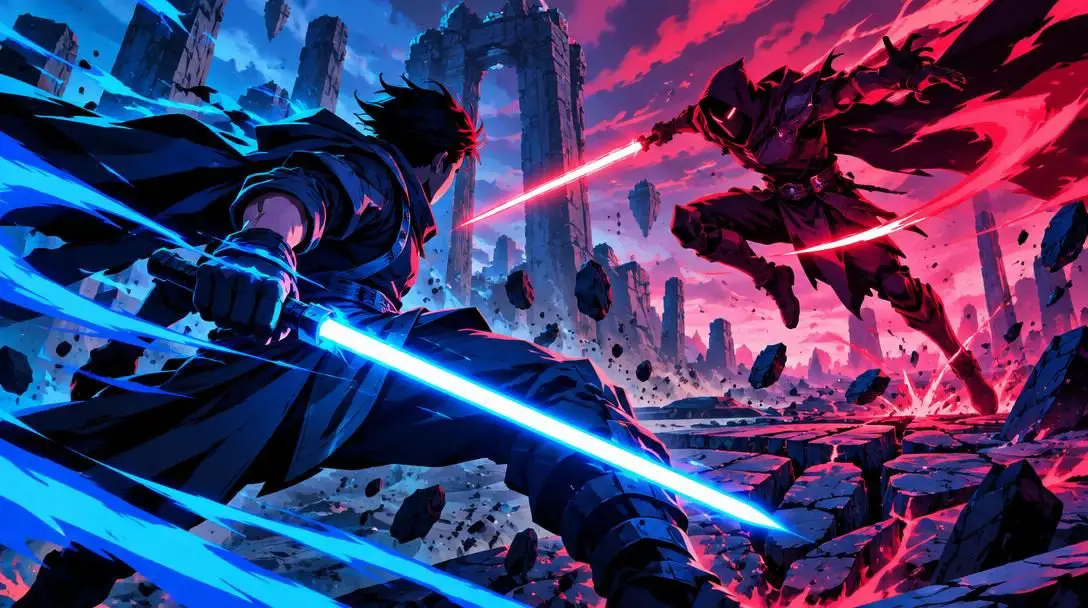
For readers who prioritize momentum, action light novels deliver rapid progression punctuated by visceral battles and intense tactical clashes. These books regularly feature combatants wielding supernatural martial techniques, devastating magical attacks, or cutting-edge mechanical weaponry. What separates light novel action from straightforward slugfests is an emphasis on tactical problem-solving and psychological strategy, where victories are achieved by anticipating opponent behavior rather than relying purely on raw force.
Aneko Yusagi's The Rising of the Shield Hero highlights this dynamic through a protagonist forced to compensate for limited offensive capabilities through clever preparation, environmental utilization, and economic maneuvering. Conversely, Yuu Kamiya's No Game No Life substitutes physical violence with elaborate intellectual face-offs, transforming board games, wordplay, and psychological contests into gripping action set-pieces where the fate of entire nations hangs in the balance.
Horror
- Core focus: Supernatural dread, psychological suspense, uncovering secrets
- Primary elements: Eerie curses, malevolent entities, atmospheric prose
- Notable examples: Another
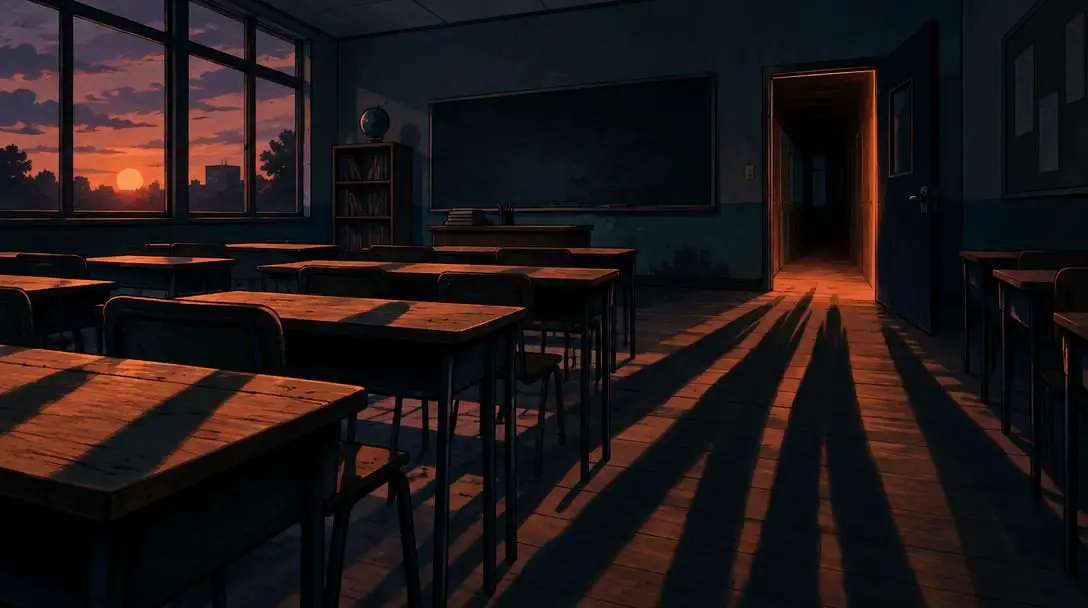
Although less widespread than fantasy or action, horror has earned a dedicated following in the light novel community. Because the written medium lacks the immediate audio-visual jump scares of cinema or video games, horror authors rely on suggestive prose, meticulous pacing, and escalating unease to evoke terror. Narratives frequently center on small communities haunted by ancestral curses, bizarre institutional phenomena, or entities that defy rational comprehension.
Yukito Ayatsuji's Another exemplifies the horror genre's literary power in the medium. The narrative establishes an oppressive environment where students in a cursed classroom face sudden, bizarre tragedies while attempting to identify the hidden cause behind the deaths. Through lingering descriptions, psychological isolation, and careful pacing, light novel horror proves that the written word can generate profound tension and chilling atmospheres.
Comedy
- Core focus: Humorous premises, eccentric character chemistry, wit
- Primary elements: Satirizing tropes, rapid-fire banter, absurd situations
- Notable examples: KonoSuba: God's Blessing on This Wonderful World!
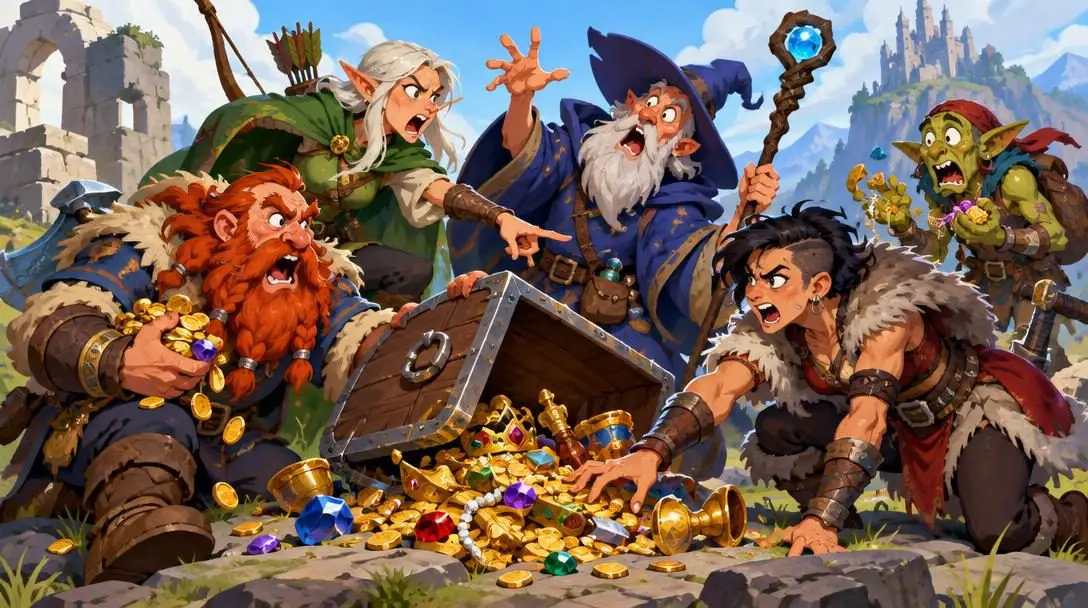
Comedy light novels offer a refreshing counterweight to heavy, high-stakes narratives through clever dialogue, farcical premises, and subverted literary expectations. Rather than taking their settings entirely seriously, comedic authors regularly mock standard fantasy and adventure conventions, throwing deeply flawed, self-interested characters into ridiculous predicaments. The comedy flows naturally from rapid verbal exchanges, miscommunications, and the inevitable collapse of poorly conceived plans.
Natsume Akatsuki's KonoSuba: God's Blessing on This Wonderful World! is widely recognized as a premier comedic masterwork in the medium. The series subverts classic heroic tropes by assembling an utterly dysfunctional adventuring party whose personality clashes and petty disputes continually sabotage their quests. By prioritizing humor and unpredictable dynamics, comedic light novels deliver consistent entertainment that does not depend on world-ending catastrophes to keep readers turning pages.
How light novel series work
Grasping the structural mechanics of light novel publishing helps readers better appreciate how these narratives evolve over time. Unlike conventional standalone novels, light novels are predominantly released as extended serialized works that share several foundational characteristics.
- Structured volume releases: A typical volume spans four to six narrative chapters. The book is enhanced by introductory full-color art plates and several black-and-white illustrations placed alongside key plot moments.
- Self-contained yet progressive arcs: Authors write each volume to resolve a distinct episodic conflict, while simultaneously advancing the broader narrative arc spanning across multiple books.
- Creative genre blending: Writers regularly combine disparate categories, pairing high-concept magical fantasy with domestic slice-of-life scenes or mixing intense survival combat with deadpan humor.
- Multimedia integration: Successful light novels routinely expand into manga serializations and television anime, generating cross-promotional momentum that encourages audiences to seek out the original unedited text.
Practical steps for choosing your first light novel
Given the thousands of volumes currently available in translation, selecting an initial entry point requires deliberate consideration. Following a systematic approach ensures you find a title that matches your tastes and available reading time.
- Identify your preferred emotional tone: Clarify whether you want a lighthearted, comedic read, an adrenaline-heavy battle saga, a slow-burn romance, or an atmospheric mystery before looking at specific titles.
- Examine your existing media favorites: If you have watched and enjoyed animated adaptations like Toradora! or Sword Art Online, reading the original light novels by their respective authors provides deeper character perspectives omitted from the screen.
- Sample the opening chapter: Read free sample chapters through online retailers to evaluate whether the author's narrative voice, vocabulary, and comedic or dramatic timing align with your personal reading habits.
- Check the series length: Research whether a series is completed in a concise run of five volumes or spans over twenty installments to prevent reading fatigue when starting out.
- Evaluate translation quality: Opt for official or highly regarded releases that preserve cultural nuances, humor, character mannerisms, and intended narrative voice accurately.
Common mistakes to avoid when reading light novels
Newcomers to Japanese light novels often encounter misconceptions that can hinder their reading experience. Staying mindful of these common missteps allows you to evaluate the format on its own merits.
- Dismissing the medium as strictly juvenile: While written for ease of access, many light novels explore complex philosophical themes, psychological trauma, and nuanced ethical dilemmas.
- Disregarding the author's narrative voice: Light novels lean heavily on strong first-person perspectives. If a book feels unsatisfying, the issue may be an incompatible narrator rather than the entire genre.
- Demanding Western novel pacing: Light novels frequently pause the central plot to spend entire chapters exploring conversational banter or mundane domestic chores, which helps establish character relationships.
- Treating anime adaptations as equivalent: Adaptations routinely condense multiple books into brief television episodes, cutting significant background lore, tactical details, and character monologues.
- Overlooking genre blends: Pigeonholing a title into a single category can cause you to miss books that seamlessly weave romantic tension into intense action or comedic scenarios.
What to consider next
Once you finish your first series, expanding your library becomes an enjoyable exercise in comparing storytelling techniques. If you began with a dramatic, high-stakes action work such as The Rising of the Shield Hero, balancing your reading list with a humorous title like KonoSuba: God's Blessing on This Wonderful World! offers a pleasant change of pace. Following specific authors whose prose style you appreciate or branching into related genres allows you to discover how different writers interpret the conventions of this versatile storytelling medium.
Frequently asked questions
What makes a light novel different from a standard novel?
Light novels are generally shorter than traditional epics, feature simpler and more direct sentence structures, and include manga-style illustrations that depict central characters and key plot scenes throughout the book.
Do I need to watch the anime adaptation before reading the light novel?
No. Light novels are the original source material for many animated series and provide a complete standalone narrative experience with far greater world-building, inner monologues, and scene details than screen adaptations can accommodate.
Why do so many light novels have extraordinarily long titles?
Many light novels originated on web publishing platforms where competition for attention was fierce. Authors created descriptive, paragraph-like titles that functioned as immediate summaries of the premise to catch prospective readers browsing through web directories.
Are light novels suitable for mature readers?
Yes. While the format uses accessible prose designed for broad audiences, many titles tackle mature themes, complex moral quandaries, psychological horror, and intricate political maneuverings intended for adult readers.
The bottom line
Light novels represent an energetic, diverse, and rapidly expanding corner of modern literature. Whether your tastes gravitate toward the quiet emotional vulnerability of romance, the boundless world-building of fantasy, the relentless energy of tactical action, the dread of horror, or the wit of character-driven comedy, there is a series tailored to your preferences. By recognizing the tropes that define each category and understanding how these multi-volume works are constructed, you can confidently navigate the shelves, choose rewarding titles, and build a deeply satisfying reading collection.