From Sword and Sorcery to Romance: Discover the Best Light Novels

Originating in Japan, light novels have grown from a niche publishing trend into an influential literary category enjoyed by readers worldwide. Distinct from standard prose novels, these books combine quick, accessible storytelling with stylized interior illustrations, catering primarily to young adults while reaching an expansive international audience. Originally anchored in classic sword and sorcery quests, the format has rapidly broadened to encompass intricate science fiction, psychological drama, high-stakes tactical games, and character-driven romance.
For many international fans, light novels first surface through popular adaptations in animation or manga. Yet the source material possesses a unique narrative appeal that adaptations often struggle to convey in full. Through internal monologues, expansive world building, and a distinct visual presentation, light novels offer an engaging and fast-paced medium that bridges the gap between illustrated comics and traditional literary fiction.
Key takeaways
- Light novels originated in Japan as fast-paced, illustrated prose works designed for accessible reading.
- While early publications focused heavily on sword and sorcery fantasy, the modern catalog spans romantic comedies, psychological thrillers, and economic intrigue.
- Light novels rely on distinct format conventions, including serialized story arcs, color frontispieces, black-and-white chapter illustrations, and dialogue-heavy pacing.
- Skipping the written source material in favor of animated adaptations often causes readers to miss deep characterization, complex rules, and narrative context.
The Evolution and Format of the Light Novel
To grasp why light novels resonate across such diverse demographics, one must understand how their distinct format developed. In the early days of the Japanese light novel industry, publishers centered their efforts around high-adventure fantasy. Readers gravitated toward folklore, magical combat, and dungeon explorations patterned after traditional sword and sorcery tropes. Over subsequent decades, authors and editorial teams diversified, incorporating contemporary school environments, alternate-dimension travel, economic trade simulations, and speculative mystery.
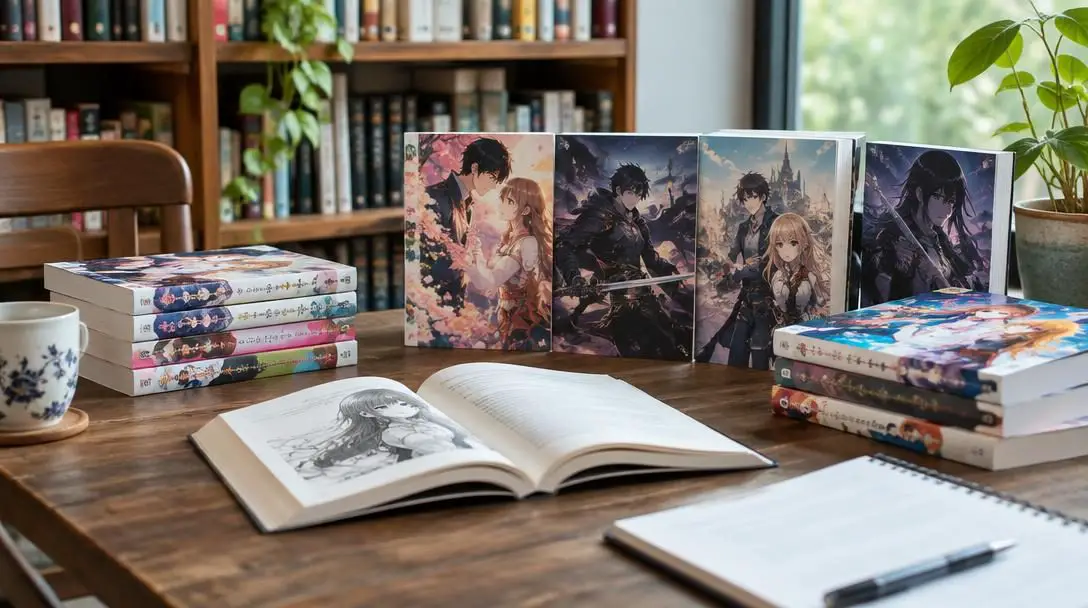
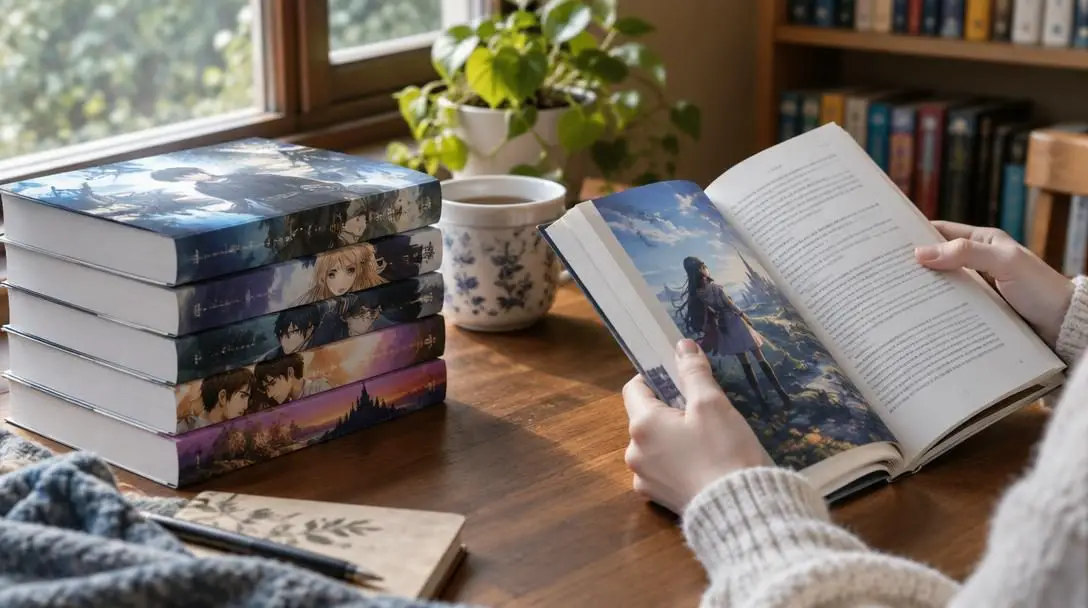
The label light novel does not indicate an absence of thematic depth or serious narrative stakes. Rather, the name describes the fast-reading prose style and the tactile presentation of the physical books themselves. Published typically in compact, portable paperback formats, light novels feature dynamic cover art, a selection of full-color plates bound at the front of the book, and intermittent black-and-white drawings placed near climactic scenes. These visual components establish an immediate mental picture of character designs and environments without overshadowing the written word.
The literary cadence of a light novel is equally deliberate. Narrative descriptions are kept relatively concise, trading exhaustive scene-setting for rhythmic dialogue, vivid character banter, and extensive interior thoughts. This allows readers to breeze through individual chapters while still developing deep emotional investments in the cast. Today, light novels serve as a primary testing ground for innovative concepts that later define mainstream pop culture across animated television, video games, and sequential art.
The term light novel does not denote superficial storytelling, but rather a streamlined, visually enriched approach to narrative pacing.
Distinctive Architectural Traits of the Medium
Every literary form possesses structural mechanics that separate it from related genres. Light novels are built around four primary artistic and structural conventions:
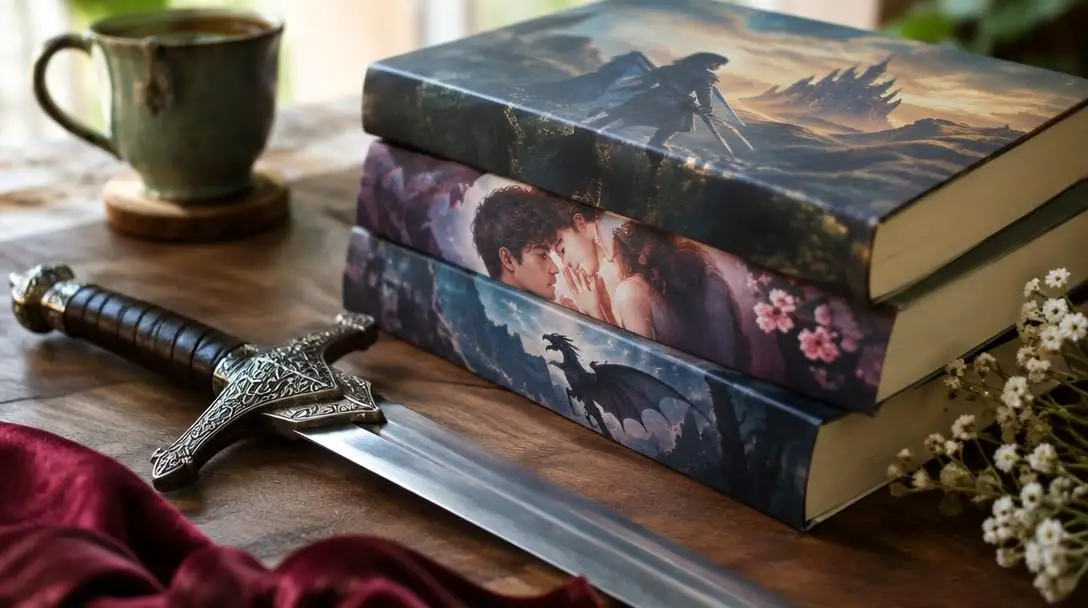
- Serialized Multivolume Arcs: Rather than existing as isolated standalone novels, light novels are almost universally published as sequential volumes. This episodic format allows authors to expand their fictional worlds steadily and test characters against escalating dilemmas across multiple books.
- Integrated Visual Elements: Visual artwork is baked into the reading experience. Detailed character sketches and narrative illustrations capture dramatic shifts, high-energy battles, or tender romantic confessions at pivotal plot points.
- Dialogue-Centered Prose: Dialogue drives the momentum. Expressive conversational rhythms reveal interpersonal friction and unspoken motives far faster than heavy paragraphs of expository background detail.
- Inventive Twists on Common Tropes: Authors routinely adopt familiar motifs—such as entering virtual spaces, falling into fantasy dimensions, or managing idiosyncratic high school clubs—and twist them with strategic game logic, psychological trauma, or sharp social satire.
Essential Light Novels Across the Spectrum
Because the modern catalog encompasses hundreds of active series, choosing an entry point can be daunting. The seven landmark titles below illustrate the full breadth of the medium, showcasing everything from survival death games and dimension-hopping resets to slow-burning mercantile romance.
| Title | Author | Central Characters | Primary Genre |
|---|---|---|---|
| Sword Art Online | Reki Kawahara | Kirito | Virtual reality survival fantasy |
| The Melancholy of Haruhi Suzumiya | Nagaru Tanigawa | Kyon, Haruhi Suzumiya | Sci-fi mystery and high school comedy |
| No Game No Life | Yuu Kamiya | Sora, Shiro | Game-centric fantasy adventure |
| Re:Zero − Starting Life in Another World | Tappei Nagatsuki | Subaru Natsuki | Dark fantasy and psychological mystery |
| Toradora! | Yuyuko Takemiya | Ryuji Takasu, Taiga Aisaka | Romantic comedy and character drama |
| Ouran High School Host Club | Bisco Hatori | Haruhi Fujioka | School life comedy and romantic satire |
| Spice and Wolf | Isuna Hasekura | Kraft Lawrence, Holo | Economic fantasy and historical romance |
Sword Art Online
- Author: Reki Kawahara
- Protagonist: Kirito
- Core Setting: 100-level virtual reality death game
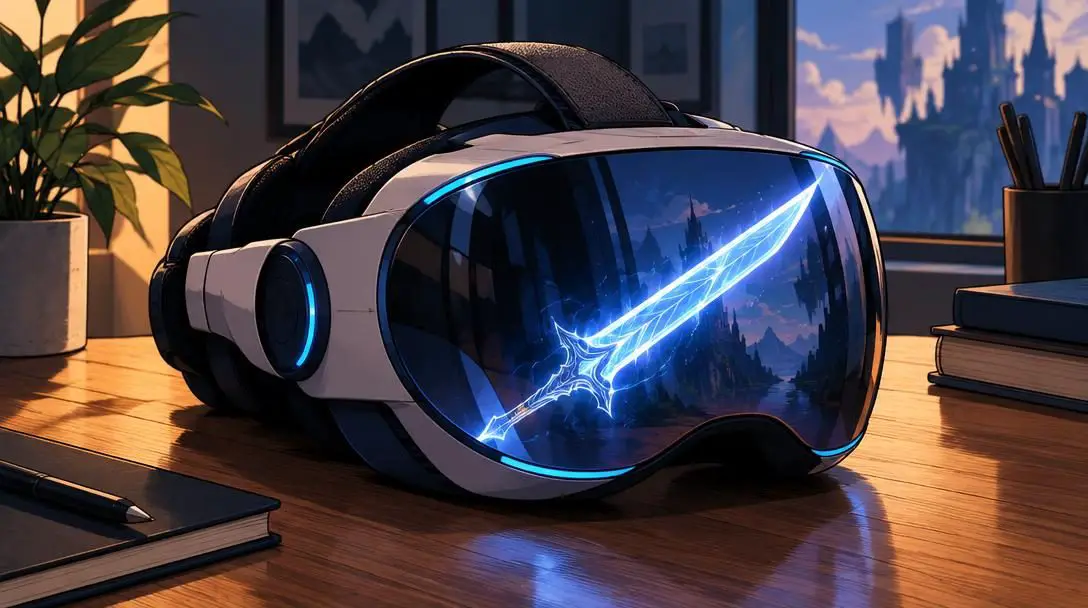
Written by Reki Kawahara, Sword Art Online stands as one of the most commercially successful light novels in the history of the medium. The narrative centers on Kirito, a solo gamer who finds himself trapped alongside thousands of other players inside an expansive virtual reality environment. Escape is impossible unless players conquer all 100 levels of the floating castle, an ordeal fraught with lethal traps and formidable monsters where in-game death translates to real-world demise. Beyond its adrenaline-fueled combat, the series resonated widely due to its compelling depiction of digital survival, psychological dread, and the profound bonds forged among players attempting to retain their humanity under relentless existential pressure.
The Melancholy of Haruhi Suzumiya

- Author: Nagaru Tanigawa
- Key Figures: Kyon and Haruhi Suzumiya
- Narrative Focus: Supernatural club investigations
Authored by Nagaru Tanigawa, The Melancholy of Haruhi Suzumiya revolutionized youth fiction by mixing high school life with sprawling cosmic absurdity. Narrated through the dry, pragmatic perspective of Kyon, the story follows his eccentric classmate Haruhi Suzumiya, an energetic student who rejects ordinary life in favor of unearthing aliens, time travelers, and espers. To fuel her quest, Haruhi founds an unofficial school club, inadvertently pulling Kyon into mind-bending occurrences that threaten the stability of the universe. Tanigawa blends science fiction, psychological mystery, and subtle romantic tension, driven by Kyon's biting internal monologue and Haruhi's unpredictable whims.
No Game No Life
- Author: Yuu Kamiya
- Protagonists: Sora and Shiro
- World Rule: All conflict resolved through games
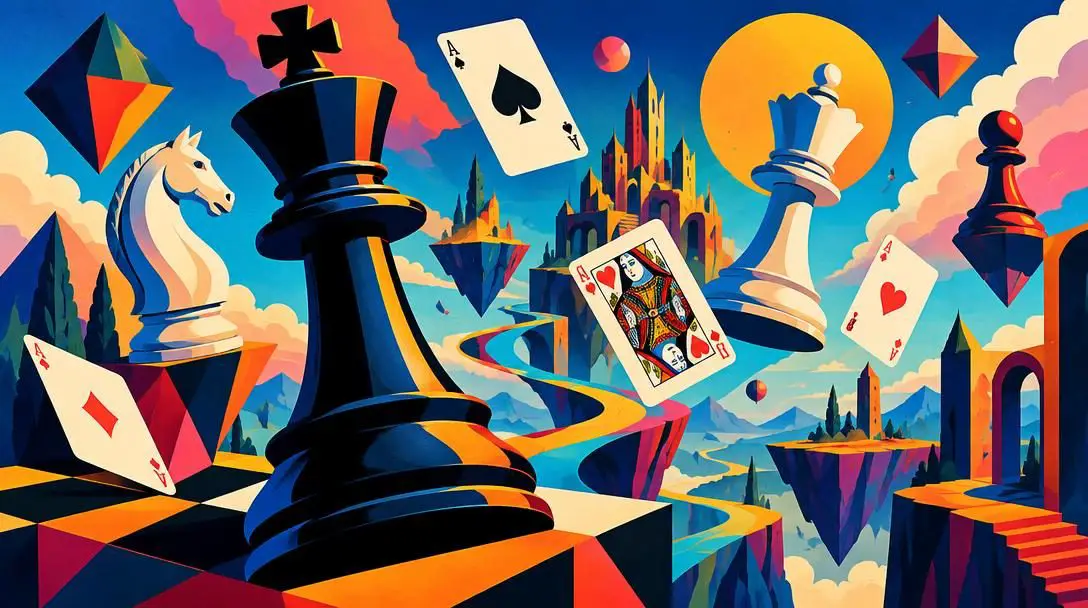
Created by author and illustrator Yuu Kamiya, No Game No Life delivers a high-octane narrative centered on the sibling gamer duo Sora and Shiro. In their home world, the agoraphobic pair are legendary gaming savants; when they are abruptly summoned to an alternate realm where violence and warfare are universally forbidden, they find a society where every disagreement—from trivial bets to national borders—is decided by competitive games. Kamiya constructs elaborate, strategic puzzles where the protagonists must use sheer intellectual ingenuity, misdirection, and mathematical probability to outmaneuver supernatural races and rise to the apex of their new home.
Re:Zero − Starting Life in Another World
- Author: Tappei Nagatsuki
- Protagonist: Subaru Natsuki
- Central Mechanic: Time rewind triggered by death
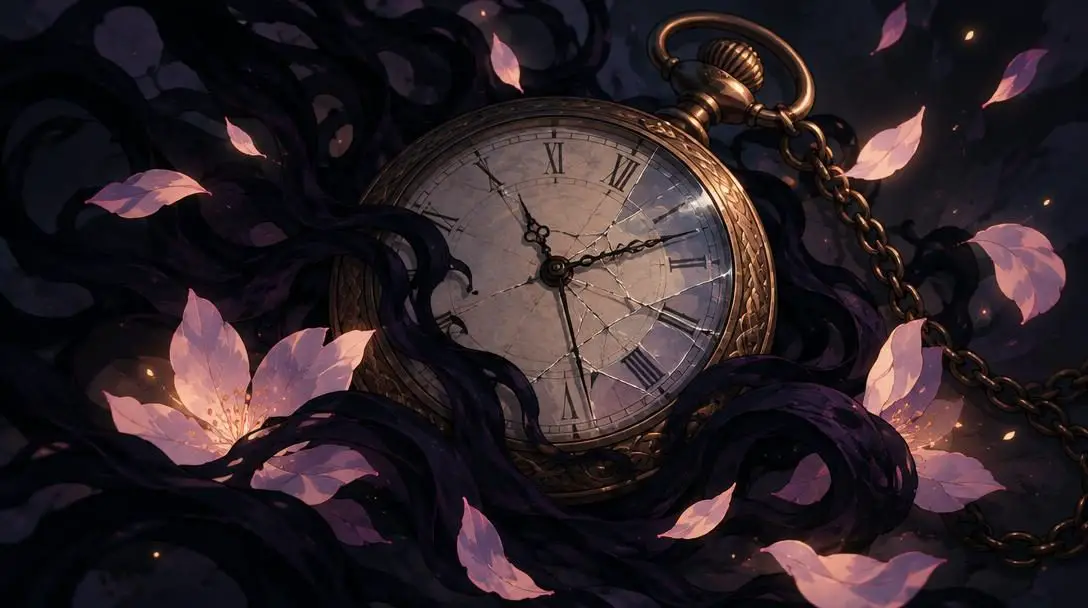
Tappei Nagatsuki's Re:Zero − Starting Life in Another World subverts conventional escapist fantasy by subjecting its central protagonist to brutal emotional and physical trials. The story begins when ordinary high schooler Subaru Natsuki is pulled into a fantasy kingdom, discovering that he possesses no superhuman combat strength, no magical affinity, and only one mysterious power: whenever he dies, time rewinds, placing him back at a prior point in his timeline. However, each reset introduces subtle variations to the surrounding circumstances. Nagatsuki uses this premise to craft an agonizingly tense psychological mystery exploring human fallibility, severe trauma, and the sheer mental endurance required to forge a peaceful future across repeated catastrophic failures.
Toradora!
- Author: Yuyuko Takemiya
- Protagonists: Ryuji Takasu and Taiga Aisaka
- Primary Genre: Romantic comedy
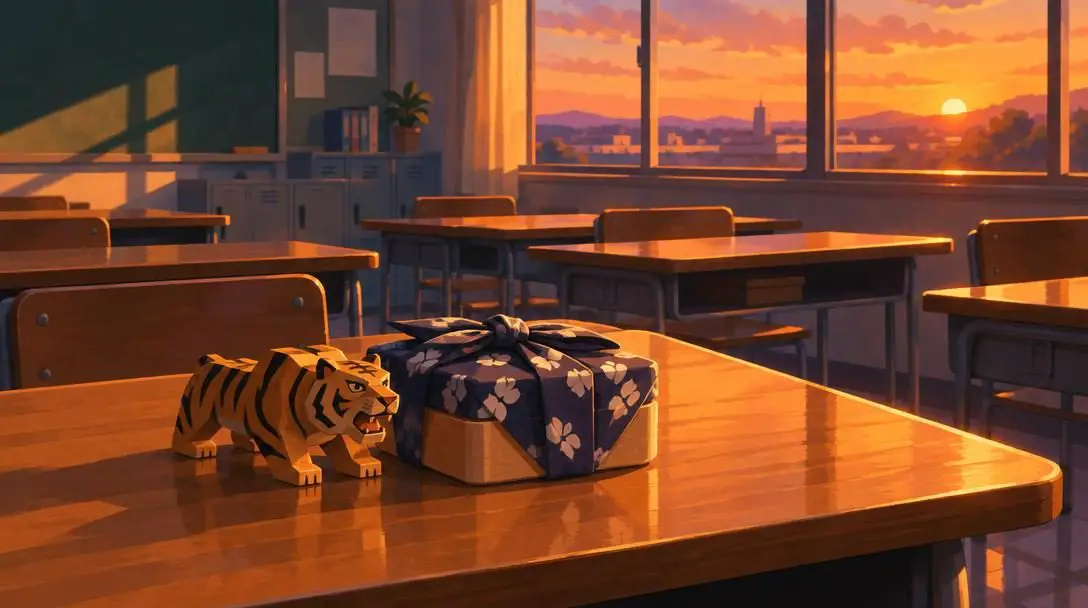
Stepping away from speculative landscapes, Yuyuko Takemiya's Toradora! demonstrates the immense dramatic depth possible within modern romantic comedies. The narrative tracks Ryuji Takasu, a gentle high school boy burdened by an intimidating gaze that makes others mistakenly fear him, and Taiga Aisaka, a tiny classmate notorious for her volatile temper and fierce physical demeanor. Discovering that they harbor mutual crushes on each other's best friends, the two form an unlikely pact to support each other's romantic endeavors. Takemiya builds a story rich in genuine humor, moving teenage vulnerabilities, and a nuanced exploration of how domestic facades can mask emotional insecurity.
Ouran High School Host Club
- Author: Bisco Hatori
- Protagonist: Haruhi Fujioka
- Setting: Elite private academy
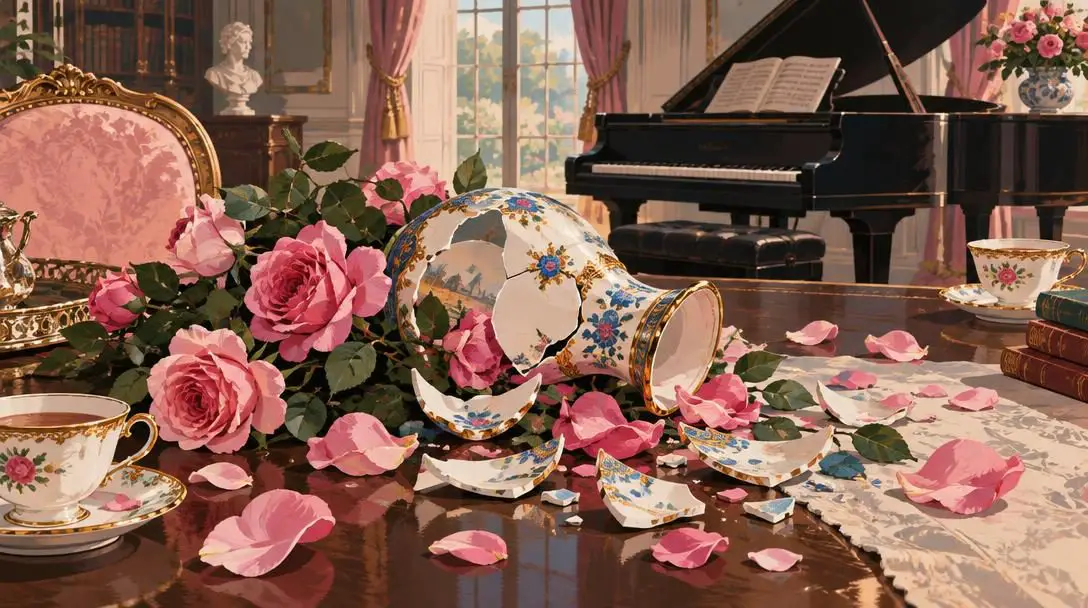
Ouran High School Host Club, written by Bisco Hatori, operates as a sparkling romantic comedy and an affectionate parody of youth romance tropes. The plot follows Haruhi Fujioka, an unassuming scholarship student attending an elite academy populated almost exclusively by the ultra-wealthy. When Haruhi accidentally shatters an exorbitantly expensive antique vase inside a disused music room, she is pressed into working for the school's host club—a cadre of attractive male students dedicated to entertaining female clients—to pay off the staggering financial debt. Disguised as a male host, Haruhi must navigate the club's lavish lifestyle and dramatic personalities, resulting in sharp social satire and warm interpersonal growth.
Spice and Wolf
- Author: Isuna Hasekura
- Central Pair: Kraft Lawrence and Holo
- Core Engine: Economics, market trade, and travel
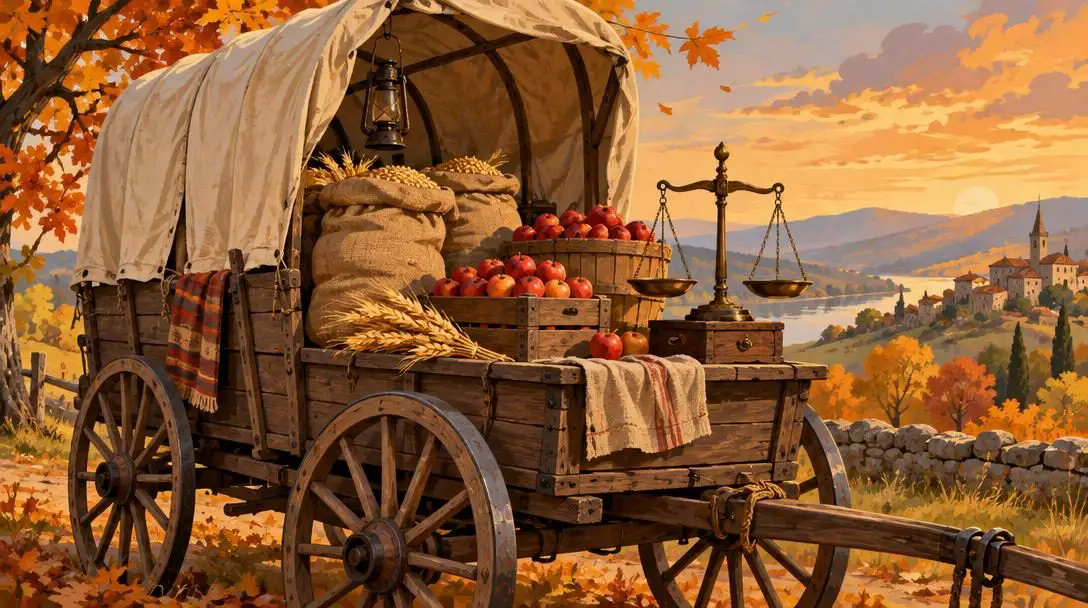
Isuna Hasekura's celebrated series Spice and Wolf departs from typical heroic fantasy to deliver a grounded exploration of medieval commerce. The narrative charts the travels of Kraft Lawrence, a solitary traveling merchant, and Holo, an ancient harvest wolf deity possessing human form and animal instincts. Desiring to return to her ancestral homeland in the distant north, Holo enters an informal partnership with Lawrence, traveling from town to town in his horse-drawn wagon. Rather than resolving disputes with broadswords or magic spells, the narrative hinges on currency debasement, commodity trade, market speculation, and religious politics, balanced by the witty, slow-burning romantic intimacy that develops between the traveling partners.
A Methodical Guide to Reading Light Novels
Embarking on a new light novel series requires a thoughtful approach, especially since many popular narratives stretch across dozens of serialized releases. Following a structured procedure helps you avoid choice paralysis and select series that align with your reading habits.
- Identify Your Preferred Narrative Tone: Pinpoint the emotional core you look for in regular novels or visual media. If you enjoy high-stakes survival and game logic, books like Sword Art Online or No Game No Life are ideal. If you want character-driven drama and everyday humor, begin with Toradora! or Ouran High School Host Club.
- Always Commit to Volume One First: Because light novels adhere to sequential, multi-book arcs, background exposition and interpersonal chemistry are laid down in the initial installment. Jumping ahead into later books will obscure character motivations and plot rules.
- Select Your Reading Medium: Choose between traditional printed paperbacks and digital book formats. Physical volumes offer tactile access to the front color plates and black-and-white chapter art, whereas digital formats allow you to sample initial chapters quickly on e-readers or tablets.
- Adjust to the Dialogue-Driven Rhythm: Recognize that light novel pacing moves much faster than typical Western prose. Pay close attention to dialogue breaks, internal reflections, and character speech patterns, as critical plot reveals often occur in casual banter rather than heavy exposition.
- Acquire Subsequent Volumes in Story Arcs: Once a first volume proves enjoyable, gather the next few installments together. Early volumes frequently establish foundational conflicts that resolve across multi-book sequences.
Common Reading Pitfalls to Avoid
Novice light novel readers frequently bring preconceived notions that can diminish their overall reading experience. Avoiding these common mistakes will help you evaluate works fairly and enjoy the storytelling format to its fullest.
- Assuming the format is childish: Because light novels feature illustrations and target younger demographics, some assume the prose lacks thematic weight. In reality, titles like Re:Zero and Spice and Wolf tackle grim psychological trauma, political maneuvering, and real-world economics.
- Conflating light novels with manga: Manga refers to sequential graphic comic art where images dominate the narrative. Light novels are prose novels that merely include a handful of interior illustrations across dozens of text-heavy chapters.
- Skipping early books after watching an anime: Animated adaptations regularly trim away internal dialogues, world lore, and secondary interactions to fit a limited broadcast window. Skipping early source volumes leaves significant gaps in your comprehension of subsequent arcs.
- Judging a work solely by an elaborate title: Many modern releases utilize long, conversational titles that summarize their primary premise. Dismissing a work purely based on its title can cause you to overlook exceptionally written dialogue and poignant character development.
- Expecting rigid Western narrative formulas: Light novels favor episodic serialization and conversational flow over standard Western three-act structures. Evaluating them by unfamiliar conventions may obscure what the author intends to convey.
Frequently asked questions
What makes a light novel different from a standard novel?
A light novel is a Japanese publishing format tailored for fast reading, characterized by shorter chapters, expressive dialogue, and occasional interior illustrations. Unlike traditional Western novels, they are almost always published as ongoing serialized volumes and include character design plates at the beginning of the book.
Are light novels just manga with more text?
No, light novels and manga are entirely distinct mediums. Manga is sequential visual art told via panels, speech bubbles, and illustrations on every page. A light novel is a written prose novel that features traditional paragraphs, with only a small handful of standalone illustrations scattered throughout the volume.
Why do so many light novels have exceptionally long titles?
In competitive Japanese web fiction and publishing markets, prospective readers frequently skim crowded storefronts. Authors use descriptive, premise-heavy titles to immediately broadcast the central plot gimmick, character dynamic, or setting before the reader even opens the back cover.
Can I jump into a light novel series where an anime adaptation ended?
While possible, it is not recommended. Animated versions regularly omit internal monologues, trade mechanics, tactical explanations, and character subplots due to runtime limits. Starting from volume one provides the necessary narrative context to appreciate later storylines fully.
Do light novels cover genres other than fantasy and action?
Yes. Although early light novels were known primarily for sword and sorcery settings, the format now features a rich assortment of genres. Modern offerings include high school romantic comedies, historical trade narratives, urban sci-fi mysteries, psychological thrillers, and social satires.
The Bottom Line
The landscape of light novels has expanded far beyond its original boundaries of classic sword and sorcery. By fusing quick, dialogue-heavy prose with eye-catching visual character designs, the medium has established a singular space in modern publishing. Whether your reading preferences lean toward high-stakes virtual reality survival in Sword Art Online, the sharp psychological puzzles of No Game No Life, the moving adolescent vulnerabilities of Toradora!, or the quiet mercantile negotiations of Spice and Wolf, light novels offer an accessible, serialized reading adventure that rewards open-minded exploration.