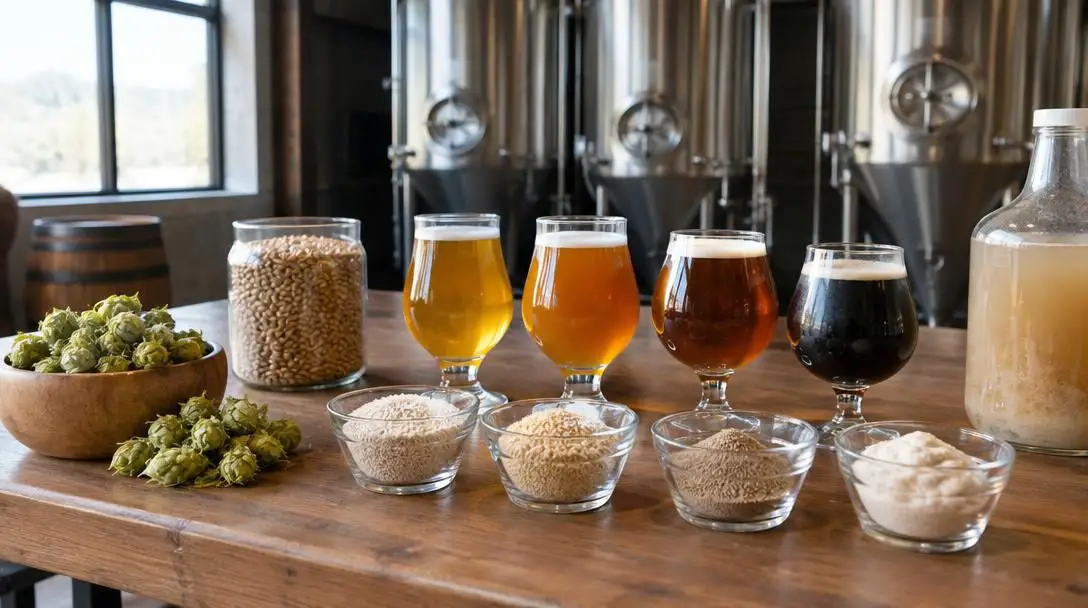
The 5 Best American Craft Beers
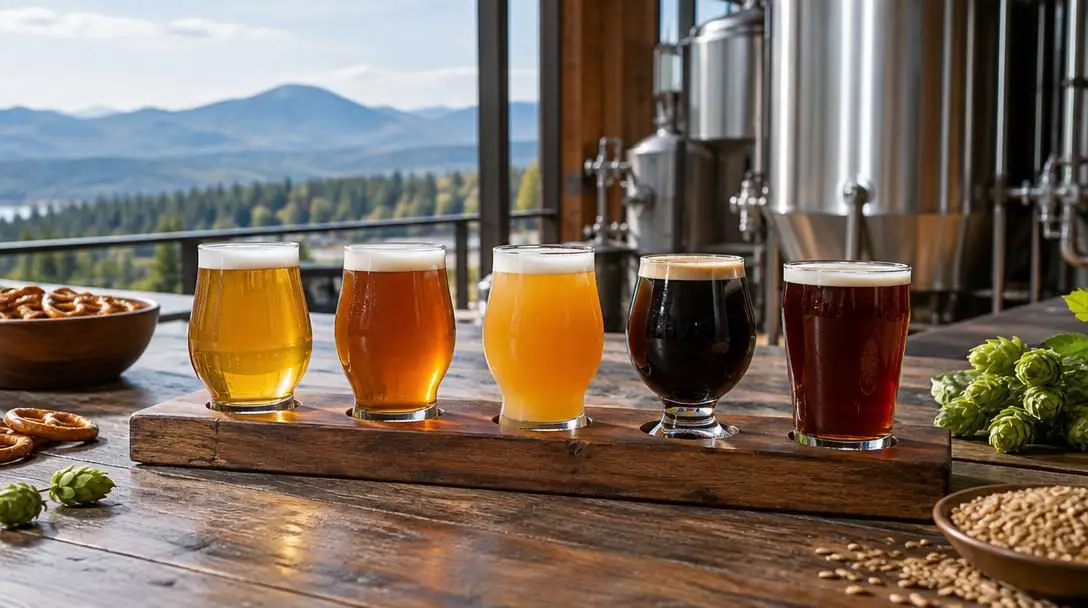
The brewing landscape across the United States has experienced an unprecedented renaissance over the past several decades. In 2009, the nation housed roughly 1,600 operating craft breweries, a modest figure compared to what was to come. By 2021, that number surged to more than 9,000 active facilities, marking a monumental transformation in domestic beverage production, local hospitality, and consumer preferences. Rather than settling for standard commercial lagers with uniform flavor profiles, modern beer drinkers actively seek complex creations crafted with distinct textures, experimental additions, and nuanced aromatic compounds. Breweries have also evolved into vital neighborhood anchors—lively community destinations where patrons gather to socialize, listen to music, and enjoy inventive food pairings alongside world-class ales. <div class="takeaways"> <h2>Key takeaways</h2> <ul> <li>American craft brewing expanded exponentially between 2009 and 2021, growing from 1,600 to more than 9,000 independent operating breweries nationwide.</li> <li>Critical platforms like BeerAdvocate, which has cataloged community feedback since 1996, highlight high-gravity imperial stouts and double IPAs as the nation's premier offerings.</li> <li>Toppling Goliath Brewing Company earned two positions in the top tier with its breakfast-inspired and vanilla-infused barrel-aged stouts.</li> <li>Extensive barrel aging in whiskey and rye casks alongside adjunct ingredients like cacao nibs, vanilla beans, and ancho chiles defines the upper echelon of craft brewing.</li> <li>Optimal appreciation requires intentional pouring, proper glassware, and slightly warmer serving temperatures to unlock complex aromatic compounds.</li> </ul> </div> <h2>The Evolution of American Craft Beer Culture</h2> <p>For decades, standard commercial lagers held an almost absolute monopoly over the domestic beer market. These pale, crisp lagers were brewed for high drinkability, light body, and broad consistency across large distribution channels. However, the rise of independent microbreweries initiated a fundamental transition in how consumers perceive fermented malt beverages. Modern craft operations broke away from standard formulations, prioritizing bold ingredient combinations, unpasteurized expressions, and traditional European techniques revitalized through modern American innovation.</p> <p>The culture surrounding these establishments has shifted dramatically as well. Modern breweries frequently function as central gathering grounds within residential neighborhoods, revitalized industrial zones, and rural hamlets. These spaces welcome families, couples, and social groups seeking a relaxed, community-focused environment paired with good food and music. Patrons do not visit merely to drink; they come to experience the social conviviality and sensory exploration that modern taprooms foster.</p> <p>To identify the undisputed leaders in this sprawling marketplace, passionate consumers turn to historical review aggregators. <strong>BeerAdvocate</strong> has operated as an essential critical benchmark since 1996, tracking hundreds of thousands of independent reviews. By analyzing average user scores across thousands of evaluations, an elite group of American offerings consistently rises above the competition.</p> <blockquote class="pull">The dramatic surge from 1,600 to over 9,000 breweries marks a total shift in consumer taste, culinary interest, and community culture across the nation.</blockquote> <h2>At a Glance: The Top-Rated American Brews</h2> <p>The highest-ranking beers on BeerAdvocate demonstrate an overwhelming affinity for high-gravity, barrel-aged ales that push the boundaries of depth and alcohol content. Below is an overview of the five top-ranked craft creations in the United States.</p> <table> <thead> <tr> <th>Beer Name</th> <th>Brewery</th> <th>State</th> <th>Style</th> <th>ABV</th> <th>Average Rating</th> </tr> </thead> <tbody> <tr> <td>Kentucky Brunch Brand Stout</td> <td>Toppling Goliath Brewing Company</td> <td>Iowa</td> <td>American Imperial Stout</td> <td>12%</td> <td>4.83 / 5</td> </tr> <tr> <td>Marshmallow Handjee</td> <td>3 Floyds Brewing Company</td> <td>Indiana</td> <td>Russian Imperial Stout</td> <td>15%</td> <td>4.73 / 5</td> </tr> <tr> <td>Abraxas – Barrel-Aged</td> <td>Perennial Artisan Ales</td> <td>Missouri</td> <td>Imperial Stout</td> <td>11%</td> <td>4.73 / 5</td> </tr> <tr> <td>Vanilla Bean Assassin</td> <td>Toppling Goliath Brewing Company</td> <td>Iowa</td> <td>Imperial Stout</td> <td>12.8%</td> <td>4.79 / 5</td> </tr> <tr> <td>Heady Topper</td> <td>The Alchemist</td> <td>Vermont</td> <td>American Double IPA</td> <td>8%</td> <td>4.71 / 5</td> </tr> </tbody> </table> <h2>The 5 Best American Craft Beers</h2> <p>Based on rigorous community evaluations, these five beers showcase the height of modern brewing techniques, meticulous spirit-barrel aging, and masterfully balanced adjunct additions.</p> <h3>Kentucky Brunch Brand Stout</h3> <ul class="facts"> <li><strong>Brewery:</strong> Toppling Goliath Brewing Company</li> <li><strong>Location:</strong> Iowa</li> <li><strong>Beer Style:</strong> American Imperial Stout</li> <li><strong>Alcohol by Volume:</strong> 12% ABV</li> <li><strong>Community Rating:</strong> 4.83 out of 5 (717+ reviews)</li> </ul> <p>Occupying the premier position on BeerAdvocate, <strong>Kentucky Brunch Brand Stout</strong> by Toppling Goliath Brewing Company stands as a legendary benchmark in craft brewing. This American Imperial Stout delivers a dense, dessert-like sensory profile that mimics a rich morning meal. Reviewers frequently describe the flavor profile as an indulgence of chocolate chip pancakes smothered in warm maple syrup, complemented by freshly pulled espresso and a balancing shot of rich bourbon.</p> <p>Toppling Goliath manages to capture the complex soul of an American breakfast within a single sip. The balance between the roasted grain character, natural barrel warmth, and decadent sweetness prevents the profile from becoming cloying, earning it universally high praise from enthusiasts who travel extensive distances to acquire it.</p> <h3>Marshmallow Handjee</h3> <ul class="facts"> <li><strong>Brewery:</strong> 3 Floyds Brewing Company</li> <li><strong>Location:</strong> Indiana</li> <li><strong>Beer Style:</strong> Russian Imperial Stout</li> <li><strong>Alcohol by Volume:</strong> 15% ABV</li> <li><strong>Community Rating:</strong> 4.73 out of 5 (1,439+ reviews)</li> </ul> <p>Coming in at second place is <strong>Marshmallow Handjee</strong>, an uncompromising Russian Imperial Stout produced by Indiana's 3 Floyds Brewing Company. Clocking in at a formidable 15% ABV, this beer stands in extreme contrast to conventional domestic lagers that typically hover around 4.5% ABV. The immense alcohol backbone is tamed and transformed through extensive aging inside freshly emptied bourbon barrels alongside additions of extra vanilla beans.</p> <p>The resulting liquid delivers a remarkably sweet, complex, and warming profile that softens the charred oak and spirit bite. Drinkers frequently marvel at its near-flawless balance, with one community reviewer noting that just because it cannot be perfect, it is about as close as it gets.</p> <h3>Abraxas – Barrel-Aged</h3> <ul class="facts"> <li><strong>Brewery:</strong> Perennial Artisan Ales</li> <li><strong>Location:</strong> Missouri</li> <li><strong>Beer Style:</strong> Imperial Stout</li> <li><strong>Alcohol by Volume:</strong> 11% ABV</li> <li><strong>Community Rating:</strong> 4.73 out of 5 (1,474+ reviews)</li> </ul> <p>Holding the third spot is <strong>Abraxas – Barrel-Aged</strong>, an intricate creation from Perennial Artisan Ales in Missouri. This 11% ABV imperial stout demands immense brewing patience, as the liquid rests quietly for a full twelve months inside Rittenhouse rye barrels before it reaches the consumer. This year-long conditioning period allows the liquid to deeply interact with the spirit-soaked wood.</p> <p>During the conditioning phase, the beer is elevated with cacao nibs, vanilla beans, ancho chiles, and cinnamon sticks. The spicy warmth of the rye whiskey barrel and the ancho chiles pairs seamlessly with the dark cocoa, vanilla sweetness, and aromatic cinnamon, producing an exceptionally layered, Mexican-chocolate-inspired ale that remains deeply celebrated.</p> <aside class="callout note"> <strong>Good to know:</strong> Barrel-aged adjunct stouts like Abraxas require extensive cellar aging—often a full calendar year in charred oak barrels—to harmonize strong spices and spirit character into a balanced finish. </aside> <h3>Vanilla Bean Assassin</h3> <ul class="facts"> <li><strong>Brewery:</strong> Toppling Goliath Brewing Company</li> <li><strong>Location:</strong> Iowa</li> <li><strong>Beer Style:</strong> Imperial Stout</li> <li><strong>Alcohol by Volume:</strong> 12.8% ABV</li> <li><strong>Community Rating:</strong> 4.79 out of 5 (90+ reviews)</li> </ul> <p>Securing the fourth position is another acclaimed release from Iowa’s Toppling Goliath Brewing Company: <strong>Vanilla Bean Assassin</strong> (sometimes designated as Vanilla Beach Assassin). This heavy-hitting imperial stout holds an average score of 4.79 across more than 90 detailed community reviews, reinforcing the brewery's peerless reputation for dark ales.</p> <p>Aged in whiskey barrels with extra whole vanilla beans, this 12.8% ABV stout is widely lauded for its exceptionally viscous, thick mouthfeel and full-flavored body. The spirit-forward oak compounds blend seamlessly into the aromatic vanilla, offering an intensely rich, decadent tasting profile that showcases the height of barrel integration.</p> <h3>Heady Topper</h3> <ul class="facts"> <li><strong>Brewery:</strong> The Alchemist</li> <li><strong>Location:</strong> Vermont</li> <li><strong>Beer Style:</strong> American Double IPA</li> <li><strong>Alcohol by Volume:</strong> 8% ABV</li> <li><strong>Community Rating:</strong> 4.71 out of 5 (12,403+ reviews)</li> </ul> <p>Breaking the monopoly of dark, barrel-aged stouts at the fifth position is <strong>Heady Topper</strong>, an iconic American Double IPA crafted by The Alchemist in Vermont. Garnering more than 12,403 individual reviews, this 8% ABV ale has achieved mythical status among hop enthusiasts and stands as the defining blueprint for the modern double IPA movement.</p> <p>The beer is characterized by an immense hop charge that offers bold pine, citrus, and tropical aromatics balanced against a sturdy malt spine. Rather than delivering abrasive bitterness, Heady Topper provides remarkable smoothness. Reviewers describe the beer as so drinkable it is scary, with another reviewer famously confessing that they sometimes wish they could crawl right into the can.</p> <aside class="callout tip"> <strong>Tip:</strong> Unlike high-gravity imperial stouts, which can mature in the cellar, double IPAs like Heady Topper are best enjoyed fresh to experience the volatile hop oils at their peak aromatic intensity. </aside> <h2>The Science of Barrel Aging and Brewing Mechanics</h2> <p>Understanding why these specific offerings capture critical acclaim requires examining the intricate biochemical processes involved in high-gravity brewing and barrel conditioning. American brewers are world-renowned for pushing alcohol content, bitterness, and adjunct utilization far past traditional European historical parameters.</p> <p>Imperial stouts rely on an immense grain bill dominated by roasted barley, chocolate malt, and other dark specialty grains. These ingredients give the beer its pitch-black color while releasing foundational notes of dark chocolate, roasted espresso, molasses, and toasted crusts. The vast quantities of grain yield concentrated wort sugars, giving the brewer's yeast ample fuel to ferment the beer up to 11% to 15% ABV.</p> <p>Once initial fermentation is complete, barrel aging introduces chemical refinement:</p> <ul> <li><strong>Wood Extraction:</strong> As ambient temperatures fluctuate, the beer expands and contracts within the porous interior of charred oak barrels, absorbing vanillin, lactones, and wood tannins.</li> <li><strong>Spirit Infusion:</strong> Residual spirits—whether bourbon, rye, or whiskey—seep out of the barrel staves, imparting warmth and boozy depth to the roasted malt foundation.</li> <li><strong>Adjunct Integration:</strong> Natural ingredients such as Mexican vanilla beans, roasted cacao nibs, cinnamon sticks, or maple syrup steep directly in the spirit-infused liquid, developing multidimensional complexity over several months.</li> </ul> <p>Conversely, double IPAs rely on an entirely different set of botanical dynamics. Instead of charred wood and roasted barley, double IPAs showcase the lupulin glands of hop flowers. Hop cones contain alpha acids, which contribute crisp bitterness during the boiling stage, and delicate beta acids and essential oils, which provide citrus, floral, and pine aromatics when introduced later in the whirlpool or during fermentation.</p> <h2>Step-by-Step Guide to Tasting High-Gravity Craft Beers</h2> <p>Experiencing complex imperial stouts or aromatic double IPAs requires deliberate sensory evaluation. Following a structured procedure allows you to appreciate the intricate craftsmanship in every pour.</p> <ol class="steps"> <li><strong>Temper the Serving Temperature:</strong> Never consume high-gravity stouts straight from an ice-cold refrigerator. Heavy ales reveal their deepest profiles between cellar temperature and cool room temperature, whereas double IPAs should be served cool rather than freezing.</li> <li><strong>Select the Correct Glassware:</strong> Pour the liquid into a snifter, tulip glass, or wide-rimmed craft beer glass. The inward curvature concentrates complex aromatics toward your nose and provides room for gentle swirling without spilling.</li> <li><strong>Evaluate the Visual Appearance:</strong> Hold the glass to the light to evaluate its clarity, body depth, and head retention. A robust imperial stout should present an opaque black body with a dense mocha or tan head, whereas a double IPA exhibits an amber or hazy golden glow.</li> <li><strong>Engage the Aromatic Compounds:</strong> Bring the rim to your nose and inhale gently before sipping. Note whether the dominant aromatics lean toward roasted malt, charred oak, and vanilla, or bright bursts of pine, grapefruit, and tropical fruit.</li> <li><strong>Take an Analytical First Sip:</strong> Allow the beer to thoroughly coat your tongue. Focus on the mouthfeel—whether it registers as velvety, viscous, creamy, or effervescent—and observe how the alcohol warmth balances against the residual sugars.</li> <li><strong>Analyze the Finish and Evolution:</strong> Swallow and observe the lingering finish. Pay attention to how barrel tannins, hop bitterness, or spice warmth persist in the throat, and revisit the glass periodically as the beer warms to track how the flavors evolve.</li> </ol> <aside class="callout warn"> <strong>Watch out:</strong> High-ABV imperial stouts pack up to three times the alcohol of standard domestic beers per ounce; pace your consumption and hydrate frequently during a tasting session. </aside> <h2>Common Tasting Mistakes to Avoid</h2> <p>Navigating the world of top-tier craft beer can be daunting. Both beginners and experienced enthusiasts frequently make simple missteps that prevent them from enjoying these intricate beverages at their full potential.</p> <ul> <li><strong>Ignoring the Alcohol by Volume:</strong> Mainstream domestic lagers average roughly 4.5% ABV. In comparison, beers like Marshmallow Handjee reach an astounding 15% ABV. Treating high-gravity ales like standard session beers leads to rapid overconsumption and palate fatigue.</li> <li><strong>Serving at Freezing Temperatures:</strong> Pouring a barrel-aged imperial stout straight out of an ice bath numbs the sensory receptors on your tongue. Chilling suppresses the volatile aromatic esters of vanilla, oak, and cacao, rendering a world-class ale flat and muted.</li> <li><strong>Improper Cellaring Conditions:</strong> Storing valuable craft cans or bottles in direct sunlight, warm rooms, or areas with fluctuating temperatures damages delicate hop oils and accelerates negative oxidation in aged stouts. Keep your collection in a dark, climate-controlled space.</li> <li><strong>Pouring Aggressively Down the Center:</strong> Tilting your glassware incorrectly or dumping the liquid directly into the bottom of the glass can generate excessive foam that strips carbonation or completely flattens the liquid. Aim for a smooth, angled pour along the side of the glass.</li> <li><strong>Pairing With Incompatible Foods:</strong> Combining a heavy, sweet 12% ABV stout with a delicate, subtle appetizer will overwhelm the food, while greasy, intensely pungent dishes will overpower the nuanced spices of an adjunct-infused ale.</li> </ul> <h2>The Bottom Line</h2> <p>The remarkable ascent of American craft beer over the past decade reflects a permanent shift in how drinks are conceived, crafted, and savored. The top five community-ranked beers—from Toppling Goliath’s breakfast-rich Kentucky Brunch Brand Stout and Vanilla Bean Assassin to 3 Floyds’ potent Marshmallow Handjee, Perennial’s spice-laden Abraxas, and The Alchemist’s legendary Heady Topper—represent the apex of modern brewing science.</p> <p>Whether you are sampling these rare offerings or exploring neighborhood taprooms among the nation's 9,000 craft breweries, approaching high-gravity beer with proper glassware, moderate temperatures, and patient evaluation will elevate your appreciation of this thriving culinary art form.</p> <section class="faq"> <h2>Frequently asked questions</h2> <details> <summary>Why are four of the top five American beers imperial stouts?</summary> <p>Imperial stouts provide a dense, robust malt backbone that handles high alcohol levels, extended spirit-barrel aging, and intense adjunct additions like cacao, vanilla, and chiles better than lighter beer styles.</p> </details> <details> <summary>How much stronger are these top-ranked craft beers than standard commercial beers?</summary> <p>While standard macro lagers typically sit around 4.5% ABV, the top-rated craft beers on this list range from 8% ABV for Heady Topper up to 15% ABV for Marshmallow Handjee, containing up to three times more alcohol per serving.</p> </details> <details> <summary>What makes Heady Topper different from the other top-rated beers?</summary> <p>Heady Topper is an American Double IPA rather than an imperial stout. Instead of relying on roasted malts, spirit barrel conditioning, and sweet adjuncts, it highlights hop aromatics, floral notes, citrus oils, and fresh bitterness at an 8% ABV.</p> </details> <details> <summary>How does spirit-barrel aging change the flavor of craft beer?</summary> <p>Aging beer in bourbon, rye, or whiskey barrels allows the liquid to absorb natural wood compounds like vanillin, lactones, and tannins from the charred oak staves, while residual spirits soften roasted malt notes and introduce rich warmth.</p> </details> <details> <summary>What is the best temperature to serve a barrel-aged imperial stout?</summary> <p>Barrel-aged imperial stouts should be served between cool cellar temperature and room temperature rather than ice-cold. Allowing the beer to warm slightly unlocks volatile aromatic compounds and subtle adjunct flavors.</p> </details> </section>