5 questions to ask before using a virtual phone number for online SMS verification

Modern digital platforms routinely rely on SMS-based identity verification to onboard new users, authorize transactions, and deter automated bots. Whenever an app or website requests a phone number during signup, it typically dispatches a one-time passcode (OTP) via text message. While this mechanism serves as a fundamental security gate for digital service providers, it creates a recurring privacy dilemma for everyday users who do not want to distribute their personal mobile details across dozens of commercial databases.
Personal mobile numbers act as stable unique identifiers, tying together private communications, financial profiles, and online footprints. Surrendering that number to every digital service increases exposure to unsolicited telemarketing, data broker aggregation, and unauthorized profile cross-referencing. To mitigate these exposures, many users turn to virtual phone numbers. These internet-routed lines receive authentication passcodes through web dashboards or APIs without relying on a dedicated physical SIM card.
Key takeaways
- Virtual phone numbers route SMS messages through internet protocols rather than a physical SIM card connected to cellular radio frequencies.
- Free public virtual numbers broadcast inbound passcodes openly, making them unsuitable for confidential or sensitive user accounts.
- Many online platforms employ VoIP detection tools to systematically block virtual numbers in favor of mobile lines tied to major cellular carriers.
- Temporary virtual numbers expire quickly, creating permanent lockout risks if an account later demands re-verification or password resets via SMS.
- Adopting virtual lines provides separation from personal SIM cards, but users must still deploy secondary account recovery tools and robust passwords.
How virtual numbers route verification messages
Traditional mobile communications require a device containing a physical SIM card or embedded eSIM profile connected directly to cellular base stations. In contrast, virtual phone numbers operate through software-driven routing across remote telecommunications servers. Service providers lease blocks of numbers from telecommunications carriers, associating these digital endpoints with cloud environments rather than localized radio transceivers.
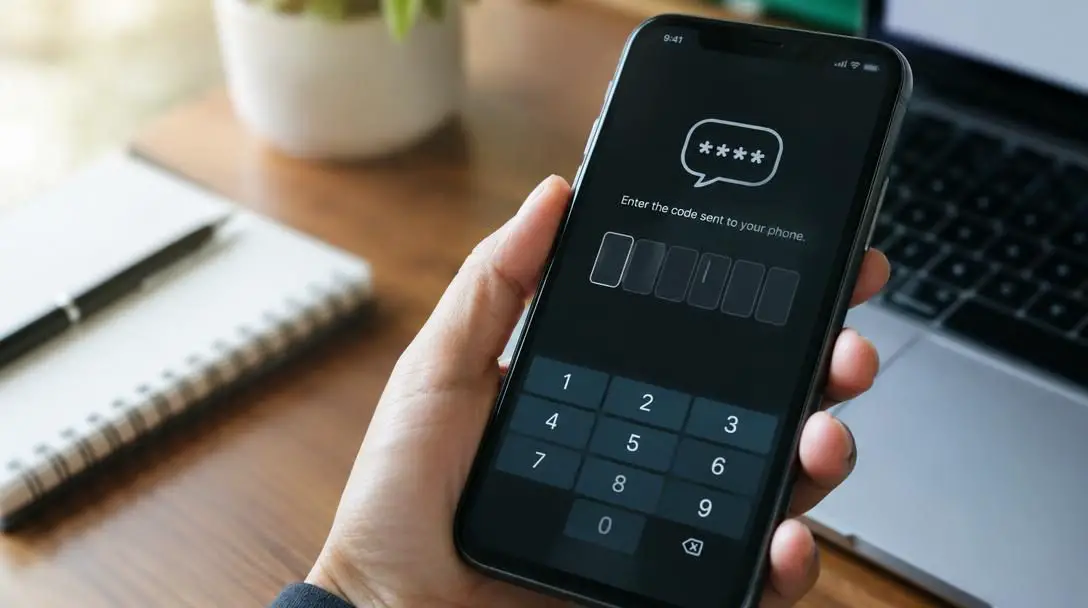
When an online platform sends a one-time passcode to a virtual number, the transmission initially travels across standard cellular telecommunications networks. Once it encounters the virtual provider's gateway, the incoming SMS payload converts into structured digital data. Rather than beaming through radio frequencies to a smartphone antenna, the text message is delivered across internet protocols directly to an authenticated web portal, mobile application, or programmatic API. Users can view the passcode inside an online dashboard and copy it into the platform's verification field within seconds.
| Number Type | Cost Model | Privacy Level | Re-verification Viability | Platform Acceptance |
|---|---|---|---|---|
| Public Shared Number | Free | None (Publicly visible) | Extremely Low | Low (Frequently blacklisted) |
| Private Temporary Number | Pay-per-SMS / Token | High (Private dashboard) | None (Expires after session) | Moderate |
| Private Dedicated Number | Recurring Subscription | High (Exclusive account access) | High (Persistent access) | Moderate to High |
5 essential questions to ask before using a virtual number
Because the technical architectures and operational standards of virtual number providers vary significantly, using an arbitrary service can jeopardize your account access and private communications. Evaluating the following operational factors will help determine whether a provider matches your security expectations.
1. Is the service provider trustworthy?
The integrity of the underlying service provider determines whether your communications remain confidential. Untrustworthy operators represent distinct privacy risks because their servers capture and inspect inbound message payloads. Disreputable vendors have been known to log incoming messages, extract verification details, and monetize user information by selling it to third-party advertising brokers.
Additionally, questionable providers may grant simultaneous access to an allocated line or repurpose assigned numbers for spam campaigns, degrading the line's reputation across the broader telecommunications ecosystem. Before registering, investigate independent feedback on community forums, analyze the company's published corporate history, and ensure they openly outline their data handling and commercial models.
2. How much does it cost?
Virtual number pricing structures span from entirely free ad-supported platforms to enterprise-tier monthly retainers. Understanding the billing mechanics ensures you do not overpay for throwaway utilities or lose critical lines due to hidden subscription lapses. Most providers organize their costs into three distinct formats:
- Free public directories: These portals charge no fees but offer shared inboxes where every inbound message is displayed in an open web feed visible to any web visitor.
- Pay-as-you-go models: Platforms deduct fractional fees or prepaid credits only when an incoming verification code arrives successfully, making them cost-effective for irregular, single-use setups.
- Recurring subscriptions: Providers charge a predictable monthly or annual rate to maintain persistent ownership of an exclusive, dedicated virtual telephone line.
3. What are the limitations?
Operational constraints vary widely across virtual number platforms, and overlooking them can cause sudden account lockouts. A primary restriction involves line lifespan: disposable numbers may only remain active for ten to twenty minutes. If a service demands secondary verification during a future login session or when updating security settings, an expired disposable line cannot assist you.
Other common limitations include geographic boundaries and inbound message quotas. Certain providers can only receive SMS transmissions initiated within the same national borders, meaning international platforms will fail to deliver codes. Furthermore, restrictive daily or monthly message limits can silently throttle inbound messages if you trigger multiple verification requests in a short timeframe.
A virtual number separates your personal cellular SIM from an account, but it does not make your online actions completely anonymous.
4. Can the number be used for all online services?
Not all online services tolerate virtual, software-backed telephone routing. Major technology platforms, social networks, and financial institutions frequently run automated screening tools that cross-reference incoming phone numbers against telecom database records. These fraud prevention filters identify VoIP (Voice over IP) lines and reject them outright, demanding an authentic mobile connection linked to an established cellular carrier.
Regional compatibility issues also emerge when web platforms enforce country-specific signup rules. If an online platform operates exclusively in one jurisdiction, presenting a virtual line derived from an unsupported exchange will either trigger an immediate system rejection or result in dropped authentication packets. Verifying platform acceptance prior to purchasing credits protects against wasted operational costs.
5. What are the security risks?
Although virtual numbers construct an effective barrier between personal identities and online marketers, they introduce their own technical attack surfaces. If an operator manages an insecure administrative portal or relies on unencrypted transmission protocols, unauthorized actors could intercept incoming authentication tokens, account confirmation hyperlinks, and message histories.

Premature number recycling poses another critical threat. When temporary number services churn through phone inventories too rapidly, a subsequent user assigned your previous number might receive password recovery texts or system prompts associated with your profile. To minimize exposure, select providers that enforce multi-factor authentication on customer dashboards and maintain defined, conservative number reuse policies.
Step-by-step instructions for using a virtual number
- Define account requirements: Determine whether the account you are registering needs ongoing authentication access or serves as a one-time, low-stakes profile.
- Choose a reputable provider: Review platform track records, user agreements, data handling practices, and supported regional networks before purchasing access.
- Confirm platform compatibility: Check whether the target website or mobile application permits VoIP and cloud-based SMS endpoints for account onboarding.
- Secure the dashboard: Create a strong, distinct account password on your virtual number portal and activate multi-factor authentication to protect inbound message streams.
- Initiate the service registration: Input the provided virtual number, ensuring country identifiers and regional area codes are accurately formatted in the signup form.
- Retrieve and submit the passcode: Monitor your provider's message panel with the inbox open, copy the one-time code as soon as it arrives, and paste it into the application prompt before it times out.
- Document recovery paths: Record the assigned number in your records and immediately establish alternative account recovery safeguards, such as secondary email backups or static authenticator keys.
Common mistakes to avoid
Relying on virtual lines without accounting for their technical boundaries often produces unrecoverable account lockouts or data leaks. Avoid these frequent pitfalls:
- Publishing sensitive accounts to open feeds: Directing financial accounts, primary emails, or sensitive medical portals through free public inboxes exposes private reset codes to anyone browsing the web.
- Registering critical accounts with temporary lines: Binding long-term digital identities to numbers that dissolve within minutes guarantees permanent lockout if two-factor prompts reappear later.
- Overlooking provider retention terms: Failing to review provider rules can lead to unexpected service suspensions, balance expirations, or the sudden reassignment of your active line.
- Presuming complete operational anonymity: Virtual carriers still maintain underlying connection logs, IP records, timestamp metadata, and payment histories that link directly back to your identity.
- Neglecting secondary recovery methods: Omitting backup email addresses or offline security codes leaves your accounts stranded if the virtual provider experiences server downtime or revokes line access.
Alternative verification methods to consider
When a target platform outright refuses virtual phone numbers or your privacy needs require a different architecture, several alternative solutions can provide separation without exposing your personal line. The most common physical alternative is acquiring a secondary, prepaid mobile SIM card installed in a low-cost handset or dual-SIM smartphone. Because prepaid SIM cards operate on genuine cellular carrier networks, they pass carrier-screening filters without disclosing your primary contact details.
Wherever available, modern software-based authentication protocols offer far superior security compared to SMS delivery. Time-based One-Time Password (TOTP) authenticator applications generate rolling access codes directly on your local device without depending on telecommunication channels. Similarly, physical FIDO2 hardware security keys provide phishing-resistant authentication that completely bypasses the privacy and reliability vulnerabilities inherent to cellular text verification.
Frequently asked questions
Can any website detect that I am using a virtual phone number?
Yes. Many enterprise platforms utilize carrier lookup APIs that instantly determine whether an inbound number originates from a traditional mobile carrier or a software-routed Voice over IP (VoIP) exchange. If a site's policy prohibits non-carrier lines, the system will decline the number automatically.
Is it legal to use a virtual phone number for online verification?
Using a virtual phone number to safeguard personal privacy during registration is entirely legal across most jurisdictions. However, utilizing virtual lines to circumvent fraud filters, initiate malicious automation, or breach a platform's terms of service can result in immediate account termination.
What occurs if my temporary virtual number expires?
Once a temporary line expires, incoming text messages can no longer be retrieved by your account. If the registered service subsequently requires two-step verification, device re-authorization, or a password reset sent by SMS, you will be permanently locked out unless you set up alternative recovery options.
Why do free virtual SMS platforms expose received messages publicly?
Free platforms generally operate on an ad-supported, community-shared basis. Because they do not enforce individual user logins or private database segmentation, all inbound SMS payloads delivered to their carrier gateways are posted directly onto public web pages for any visitor to view.
Can virtual phone numbers accept verification phone calls as well as texts?
Certain paid providers configure their virtual numbers with voice forwarding capabilities, enabling automated verification phone calls to route directly to a browser interface or call application. Free or disposable SMS services, however, almost exclusively restrict functionality to inbound text messages.
The bottom line
Virtual phone numbers supply an effective layer of separation between sensitive personal lines and digital services that demand identity confirmation. By routing one-time passcodes through software-defined cloud servers, these tools shield users from persistent commercial tracking, data aggregation, and aggressive marketing campaigns. Nevertheless, virtual lines are not a universal panacea for online security.
To safely navigate their trade-offs, treat virtual phone numbers as specialized utilities rather than permanent substitutes for comprehensive account defense. Restrict disposable lines to low-stakes test platforms, choose trustworthy paid providers for long-term profiles, and always establish independent recovery methods such as hardware tokens or authenticator applications. Asking the right operational questions before purchasing or deploying a virtual line guarantees that your privacy gains do not come at the expense of reliable account access.