5 Random Hobbies to Try That You Might Actually Enjoy

Hobbies offer a dedicated space to recharge mental energy, master unfamiliar skills, and pursue interests purely for personal satisfaction. Stepping outside routine work and household responsibilities provides a welcome escape from everyday stresses, boosts mood, and introduces fresh social circles. Yet finding a pastime that fits your specific schedule and temperament can feel overwhelming when standard leisure activities feel stale or repetitive.
Breaking out of a creative rut often means exploring diverse pursuits that challenge different parts of your mind, physical abilities, and creative instincts. Whether you crave the fresh air of an outdoor treasure hunt, the quiet precision of artisan crafting, or the quick-thinking laughter of ensemble performance, exploring an unexpected pastime can turn routine free time into an inspiring part of your week.
Key takeaways
- Exploring unfamiliar hobbies exercises different mental, physical, and creative faculties while breaking daily monotony.
- Outdoor activities like geocaching and hiking blend physical movement with navigational problem-solving and environmental awareness.
- Craft-based hobbies such as candle-making and calligraphy foster patience, tactile control, and meditative focus at home.
- Social pursuits like improv comedy cultivate spontaneous communication, active listening, and self-confidence through collaborative play.
Comparing the 5 Hobbies at a Glance
Every hobby engages a different balance of physical movement, creative expression, and social interaction. Assessing the setting and core appeal of each pastime makes it easier to choose an activity that complements your daily life.
| Hobby | Primary Environment | Core Appeal | Starting Equipment |
|---|---|---|---|
| Geocaching | Outdoors / Urban & Wild | Real-world exploration and treasure hunting | GPS-enabled device or smartphone, pen |
| Candle-Making | Indoors / Home kitchen | Artisanal crafting, sensory decor, chemistry | Wax, wicks, melting pot, thermometer, fragrance |
| Calligraphy | Indoors / Desk setup | Mindful penmanship, letterform aesthetics | Brush or dip pen, smooth paper, ink |
| Hiking | Outdoors / Parks & Trails | Physical fitness, nature connection, exploration | Supportive footwear, backpack, water, layers |
| Improv Comedy | Indoors / Studio & Theater | Social interaction, spontaneous thinking, confidence | Open mind, comfortable clothing |
5 Random Pastimes to Spark Your Curiosity
If you are looking to revitalize your downtime, consider stepping into one of these five engaging pastimes. Each offers its own blend of challenges, community traditions, and rewarding learning curves.
Geocaching
- Activity type: Real-world navigation game
- Setting: City parks, walking trails, and wilderness areas
- Primary tool: GPS-enabled smartphone or handheld receiver
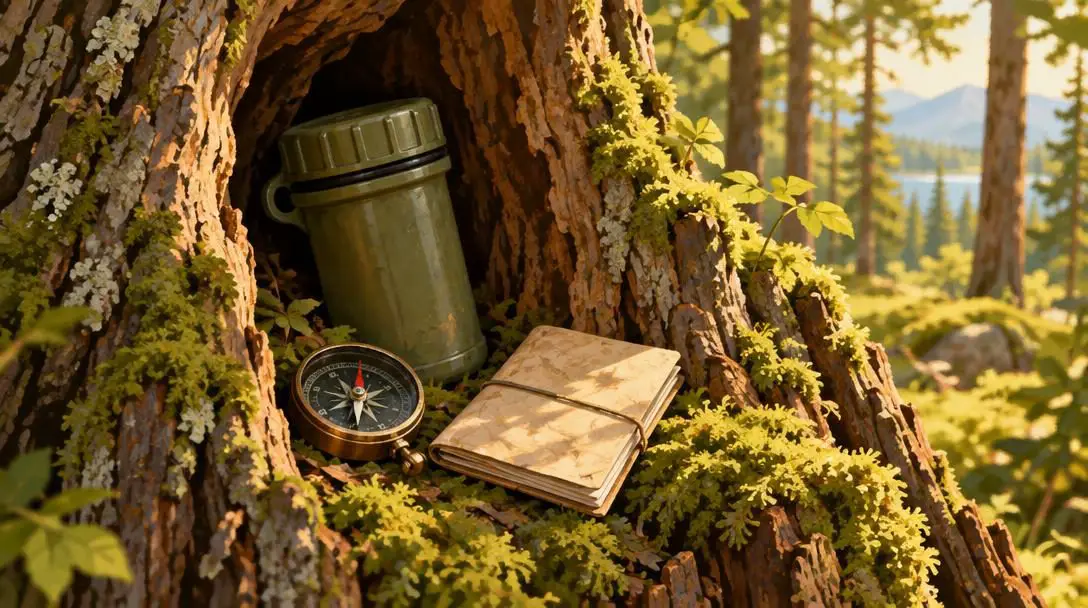
Geocaching transforms ordinary outdoor spaces into a real-world treasure hunt. Participants use geographic coordinates to locate hidden containers, known as caches, placed by fellow hobbyists across the globe. These hidden items range from thimble-sized micro-containers tucked into urban structures to large ammo cans and trunks buried beneath natural brush in remote parks. Beyond simple navigation, the activity trains you to view everyday surroundings with sharper observation, noticing subtle anomalies in landscapes that most passersby overlook.
Geocaching transforms ordinary walks into a global navigation game where hidden containers wait in plain sight.
When you reach the designated coordinates, the hunt transitions from digital tracking to tactile discovery. Caches contain a paper logbook for finders to sign and date their accomplishment. Larger caches frequently house small trinkets and trade items, allowing discoverers to swap an item of equal or greater value before securing the container back in its hiding spot.
- Acquire a GPS-enabled device, such as a modern smartphone or dedicated handheld unit with location services enabled.
- Locate coordinates for nearby targets using dedicated online registries or outdoor tracking platforms.
- Select an accessible beginner cache located in a local city park or along an easy walking trail.
- Navigate toward the general coordinates, using your device to narrow your search to the immediate area.
- Search the surroundings by eye, checking tree hollows, rock crevices, and natural nooks for tucked-away containers.
- Sign the physical logbook, reseal the container tightly, and replace it in the exact location where it was hidden.
To keep the activity enjoyable for the broader community, avoid common beginner mistakes:

- Relying exclusively on your screen: GPS units guide you to the general radius, but discovering the cache requires looking up and examining the physical landscape.
- Disturbing natural areas: Avoid damaging foliage, digging into sensitive turf, or moving permanent municipal fixtures while searching.
- Failing to bring a writing utensil: Finding a cache without recording your signature leaves your log incomplete.
- Improper cache replacement: Leaving a container exposed to the elements or in an altered spot risks its discovery by casual passersby or accidental loss.
Candle-Making

- Activity type: Home craft and artisanal decor
- Setting: Domestic kitchen or craft workshop
- Key ingredients: Wax, fragrance oils, wicks, heat-safe vessels
Candle-making combines practical chemistry with sensory craft, making it a rewarding home hobby that produces functional decor and personal gifts. Crafting candles allows you to experiment with different wax types, such as soy or paraffin, alongside custom scent blends and vibrant dye palettes. The process requires patience and attentiveness, transforming solid raw materials into polished, fragrant accents through precise heating, blending, and curing.
The craft centers on understanding how temperature affects wax stability and fragrance throw. Pouring wax at proper thermal points ensures a smooth, even surface and prevents defects such as cratering, tunneling, or frost marks. Once you grasp the basic mechanics of wick placement and melting, you can branch out into diverse forms, from rustic amber jars to freestanding sculpted pillars.
- Gather essential equipment, including your preferred wax, suitable wicks, fragrance oils, a thermometer, a double boiler, and heat-safe containers.
- Prepare vessels by anchoring the wick tab to the center bottom of the jar and stabilizing the top with a wick clip or pencil.
- Melt the wax slowly over gentle heat in a double boiler, monitoring temperature closely to ensure smooth, uniform liquefaction.
- Remove from heat and gently incorporate fragrance oils according to the specific temperature guidance for your wax type.
- Pour the liquid wax steadily into the prepared container, leaving clean clearance beneath the rim.
- Let the candle cool undisturbed at room temperature, then trim the wick to a safe burning length before use.
Prevent standard candle-making frustrations by steering clear of these common errors:
- Mixing oils at incorrect temperatures: Cooling wax too far prevents fragrance oils from fully binding, while excessive heat burns off scent notes.
- Selecting mismatched wicks: An undersized wick causes tunneling down the center, whereas an oversized wick produces excessive flame, soot, and smoke.
- Rushing the cooling process: Placing warm candles into refrigerators or drafty zones causes wax to crack or pull away unevenly from glass walls.
- Overfilling the vessel: Filling wax directly to the rim leaves no space for a melt pool and invites spills once lit.
Calligraphy
- Activity type: Visual art and lettering discipline
- Setting: Desk or dedicated ergonomic workstation
- Primary tools: Flexible brush pen or dip pen, ink, smooth paper
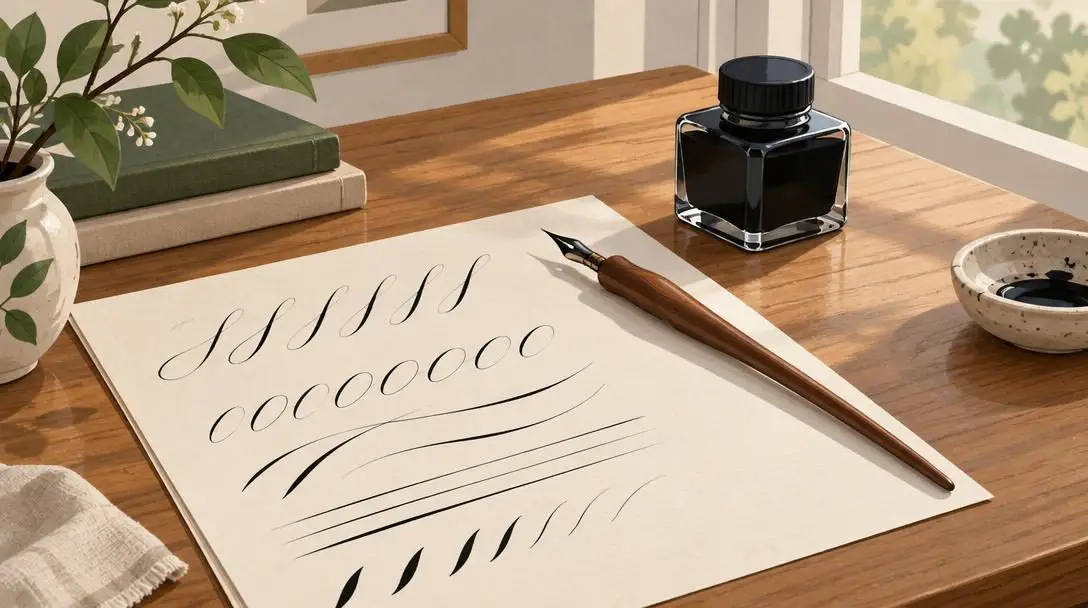
Calligraphy is the historic art of deliberate, mindful penmanship. Spanning centuries of formal evolution—from classical copperplate hands to contemporary expressive brush scripts—it invites practitioners to slow down and concentrate on manual precision. Unlike everyday rapid handwriting, calligraphy treats each letterform as a deliberate construction built from distinct, measured strokes.
The foundational principle behind calligraphy is pressure variation. In traditional pointed-pen and brush-lettering styles, applying downward pressure expands the nib or bristles to create broad, authoritative lines, while easing upward produces razor-thin hair lines. Developing muscle memory for this contrast requires steady, rhythmic practice, turning writing sessions into a restorative, meditative ritual that quiets mental chatter.
- Acquire entry-level lettering tools, such as an elastic felt-tip brush pen or beginner dip pen, alongside bleed-resistant, smooth paper.
- Establish an ergonomic desk space with comfortable lighting, keeping your back straight and forearm resting easily on the work surface.
- Practice foundational strokes—upstrokes, downstrokes, overturns, underturns, and compound curves—before attempting complete letters.
- Modulate your finger and wrist pressure, maintaining light contact on ascending lines and firm pressure on downward paths.
- Assemble fundamental strokes into individual letterforms, repeating each character to build mechanical memory.
- Reserve short practice blocks of ten to fifteen minutes daily to preserve muscle control without inducing hand strain.
Accelerate your artistic progress by avoiding these typical lettering pitfalls:
- Clenching the pen: White-knuckle grips generate muscle fatigue and cause trembling, erratic lines; keep your hand relaxed for fluid curves.
- Writing too fast: Drawing letters requires slow, deliberate movements rather than the hurried pace of everyday note-taking.
- Working on rough paper: Textured or absorbent paper snags pen tips and allows liquid ink to bleed across the page margins.
- Skipping foundational drills: Rushing directly into complete phrases without mastering basic curves leads to inconsistent letter slant and irregular spacing.
Hiking

- Activity type: Outdoor cardiovascular recreation
- Setting: Local nature preserves, state parks, and mountain trails
- Essential gear: Sturdy footwear, layered apparel, navigation tools
Hiking provides an accessible way to combine aerobic physical conditioning with peaceful immersion in nature. Because trail networks span a wide range of difficulties—from flat, crushed-gravel park paths to rocky alpine ascents—the pastime adapts easily to any fitness level. Navigating unpaved, uneven terrain strengthens ankle stabilizers and core balance muscles in ways that treadmill walking cannot replicate, all while clearing the mind with natural scenery.
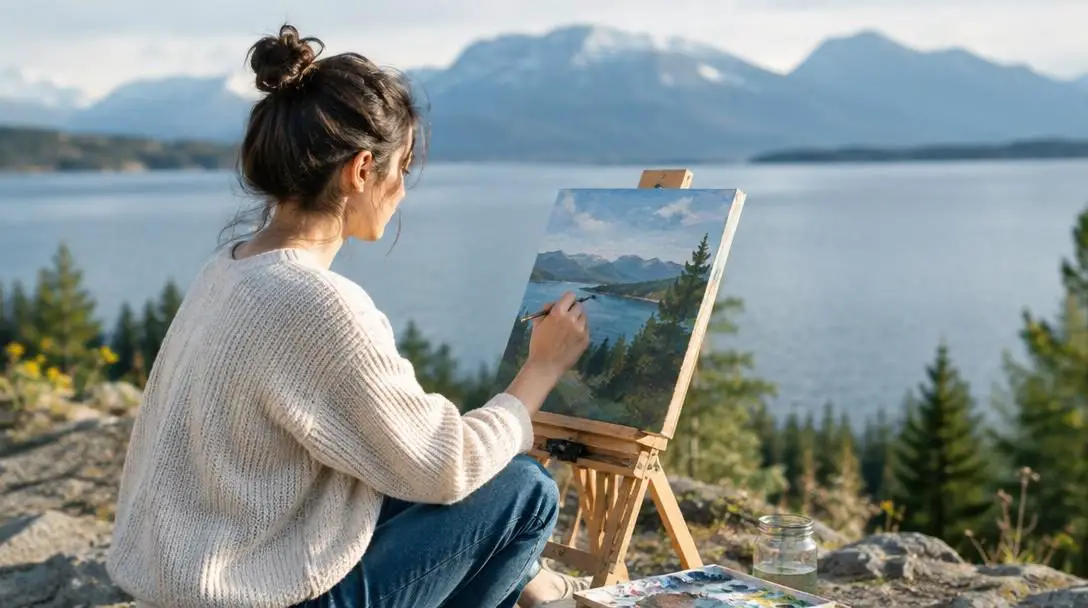
Successful trail outings depend on basic forethought and situational readiness. Checking trail profiles, respecting changing mountain weather, and pacing your movement prevent exhaustion and keep wilderness treks safe. Over time, hiking expands your regional horizons, turning local topography, seasonal shifts, and scenic viewpoints into regular weekend destinations.
- Research local routes to select a trail that aligns with your current physical endurance and available daylight hours.
- Consult current weather forecasts and park trail advisories to identify potential hazards like mud or washed-out paths.
- Equip yourself with broken-in, supportive footwear featuring durable grip soles suited for rock, soil, or gravel.
- Dress in breathable moisture-wicking layers so you can easily adapt to shifts in body heat and ambient temperature.
- Pack a trail bag containing sufficient drinking water, energy-dense snacks, navigation aids, and personal protection.
- Share your destination, planned route, and estimated return time with a reliable contact before entering areas with spotty cellular reception.
Keep your outdoor excursions comfortable and safe by avoiding these standard trail missteps:
- Carrying inadequate water: Dehydration sets in quickly during uphill climbs or on sunny afternoons; always pack more fluids than you expect to drink.
- Breaking in new boots on the trail: Unworn footwear easily causes severe friction blisters; break shoes in around the neighborhood first.
- Starting out too late: Underestimating the time needed to complete a loop can leave you stranded on dark trails without proper illumination.
- Wandering off marked trails: Straying off established paths promotes environmental erosion, harms delicate ground cover, and increases your risk of becoming disoriented.
Improv Comedy
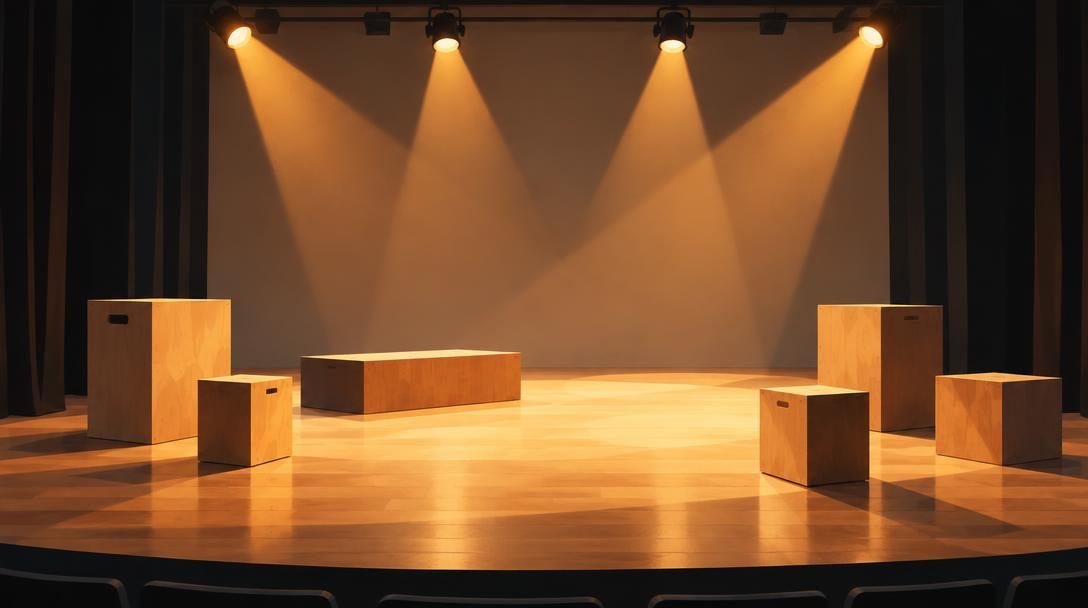
- Activity type: Unscripted collaborative theater
- Setting: Community arts spaces and performance studios
- Core skill: Real-time listening, spontaneous collaboration
Improv comedy is an energetic pastime centered on unscripted, collaborative performance. Performers work together to invent scenes, relationships, and comedic scenarios spontaneously without a written script. For individuals looking to step out of solitary routines and meet open-minded peers, improv provides a low-stakes environment that celebrates humor, adaptability, and social connection.
The heart of improvisational craft lies in mutual acceptance—often recognized through the foundational concept of validating whatever premise your scene partner establishes and immediately building upon it. Rather than attempting to script punchlines ahead of time, players train themselves to listen intensely, silence internal second-guessing, and treat unexpected mistakes as creative springboards.
- Enroll in a beginner drop-in session or introductory workshop through a local community theater or improv academy.
- Approach classes with an open, nonjudgmental attitude, knowing introductory curricula prioritize playfulness over stage polish.
- Participate wholeheartedly in group warm-up games designed to release physical inhibition and sharpen spontaneous reflexes.
- Focus your attention entirely on your scene partner's words and body language rather than concocting your next joke in isolation.
- Accept and validate every incoming idea from your partners, confirming the reality they establish to keep narrative momentum going.
- Embrace unexpected slip-ups as fun narrative gifts, turning accidental lines into the foundation of new comedic scenes.
Keep your collaborative ensemble thriving by dodging these frequent novice errors:
- Denying established details: Contradicting a partner's stated premise stalls the momentum of a scene and puts teammates on the defensive.
- Pre-planning jokes: Crafting witty lines in your head distracts you from what is unfolding on stage right in front of you.
- Dominating stage time: Improv relies on balanced give-and-take; monopolizing dialog stifles ensemble chemistry.
- Fearing awkward moments: Holding back out of fear of looking silly prevents the spontaneous play that makes improv entertaining.
Frequently asked questions
Do I need expensive gear to start geocaching?
No. You can begin geocaching using a standard GPS-enabled smartphone equipped with location services alongside a pen to sign logbooks. Dedicated handheld GPS devices are optional tools often adopted later by enthusiasts who explore remote wilderness zones beyond cellular reception.
Why does my homemade candle have a hollow tunnel down the center?
Tunneling typically occurs when the chosen wick is too small for the container's diameter, preventing the heat from melting wax all the way to the edges. It can also happen if a candle is extinguished before the top layer of wax has completely melted across the surface.
What is the difference between calligraphy and everyday handwriting?
Everyday handwriting prioritizes speed and efficiency, whereas calligraphy is a deliberate visual art emphasizing consistent stroke structures, varied line thickness via pressure changes, and uniform spacing between letterforms.
Do I have to be naturally funny to take an improv comedy class?
No prior comedic talent or stage background is required. Beginner improv workshops focus on supportive group games, active listening, and mutual agreement rather than solo stand-up comedy or competitive joke-writing.
How can I prevent blisters while hiking on rough trails?
Wear well-fitted, supportive footwear that has already been thoroughly broken in before your outing, and pair it with moisture-wicking socks designed to minimize friction against your skin.
The bottom line
Adopting an unexpected hobby does not require transforming your entire lifestyle overnight. Whether you spend fifteen minutes practicing basic pen strokes, an afternoon following GPS coordinates through a park, or an evening playing spontaneous games in an improv studio, the value lies in engaging your curiosity. Stepping away from standard routines gives your brain fresh stimuli, creates memorable moments of playful discovery, and might just uncover your next lifelong passion.