
How to Choose the Perfect Razor for a Closer, Smoother Shave

Shaving is one of the most familiar rituals in personal grooming, yet the tools chosen to complete it are frequently treated as an afterthought. Many people simply reach for whatever multi-blade pack sits at eye level in the supermarket aisle, assuming that modern commercial razors are universally interchangeable. In reality, dragging a sharp metal edge across delicate facial tissue requires a fine balance of mechanical leverage, friction management, and biological compatibility. When a razor fails to match your hand geometry, hair texture, and dermal sensitivity, an everyday routine quickly degenerates into chronic razor burn, ingrown hairs, and persistent irritation.
Every face presents a distinctive landscape shaped by lipid production, skin elasticity, bone structure, and follicle density. Because of these anatomical variations, a cutting tool that produces an effortless finish for one person can cause severe inflammation for another. Selecting the right razor means cutting through marketing claims and assessing physical components: blade presentation, handle balance, material construction, and ergonomic control. By tailoring your hardware to your individual biology, you can transform shaving from a damaging chore into an effortless, comfortable grooming practice.
Key takeaways
- Choosing an appropriate razor requires balancing mechanical features like handle length and blade count against your unique skin and hair traits.
- Cartridge razors offer quick convenience for oily or resilient skin, while single-edge straight razors provide unparalleled precision and lower friction at the cost of a steeper learning curve.
- Using cartridges with four or more blades often strips away surface epidermal layers, making two- or three-blade designs far safer for preventing razor bumps.
- Proper tool maintenance, including storing razors in dry locations and changing blades regularly, prevents bacterial contamination and painful skin infections.
Comparing Blade Philosophies: Cartridge vs. Straight Razors
The primary distinction in manual shaving lies in how the cutting edge meets the epidermis. For decades, the personal care industry has promoted multi-blade cartridges as the gold standard of convenience. However, traditional single-edge straight razors remain the benchmark for closeness among grooming purists. Deciding between these two philosophies requires evaluating how much time, skill, and skin friction you are willing to accept during your daily routine.
Cartridge Razors
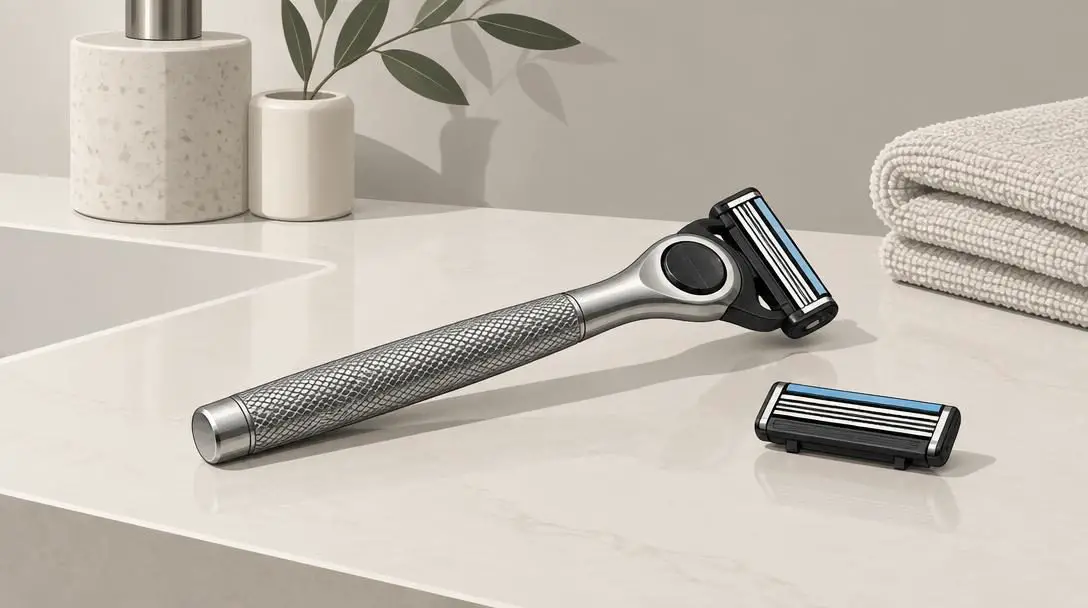
A cartridge razor consists of a reusable handle paired with a detachable, pre-assembled cutting head that snaps into place. These heads encase several closely spaced steel blades inside a rigid plastic frame. Cartridge razors prioritize convenience and speed, enabling rapid shaving with minimal prep work. Because the cutting angles are fixed within the plastic head, users do not need to master manual blade alignment to achieve an acceptable result. However, this convenience carries physical downsides. The plastic casing and stacked steel edges drag repeatedly across the same skin surface, generating significant friction. For individuals with sensitive skin, this multi-blade pass frequently strips away natural moisture, traps hair and dead skin cells between the tight gaps, and causes noticeable redness.
Straight Razors
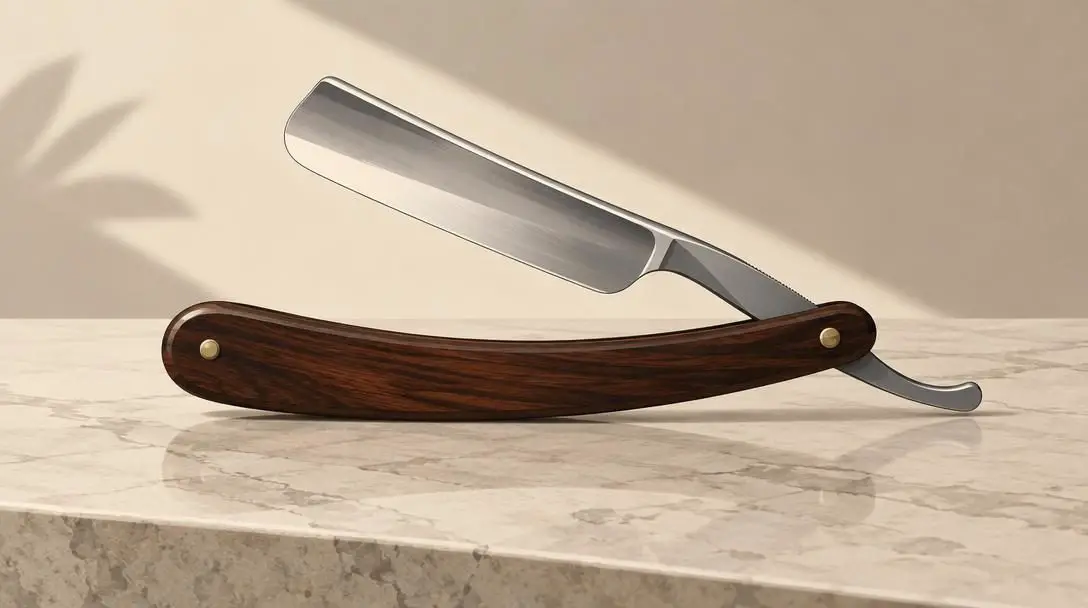
The straight razor represents a traditional, minimalist approach to wet shaving, utilizing a single, uninterrupted cutting edge forged from high-grade steel. Straight razors maximize precision and control, allowing the user to dictate the exact angle, pressure, and cutting path across facial contours. Because a single, finely sharpened edge cleanly severs hair right at the surface of the skin, it eliminates the abrasive scraping effect caused by multiple consecutive blades passing over the same spot. This drastically reduces the likelihood of razor burn and ingrown hairs. However, straight razors demand substantial patience and manual dexterity. Honing and stropping the blade require specialized tools and practice, making straight razors less practical for beginners or anyone seeking a quick morning routine.
Razor Mechanics: Handles, Blade Counts, and Vibrations
A razor is a simple mechanical machine that depends on leverage and surface resistance to glide safely across skin. How a razor feels in your hand directly determines how much control you exert over the cutting edge. Small differences in weight distribution, grip texture, and active handle features can mean the difference between a clean stroke and a painful nick.
Handle size and surface finish form the foundation of proper shaving mechanics. If you have large hands, a long handle gives your fingers sufficient surface area to distribute pressure evenly without cramping. Conversely, individuals with smaller hands often find shorter handles far easier to pivot around tight anatomical contours like the chin, jawline, and upper lip. Regardless of length, the handle must feature a non-slip textured surface—such as knurled metal or grooved rubber—to maintain a secure grip when fingers are slick with water and shaving lather.
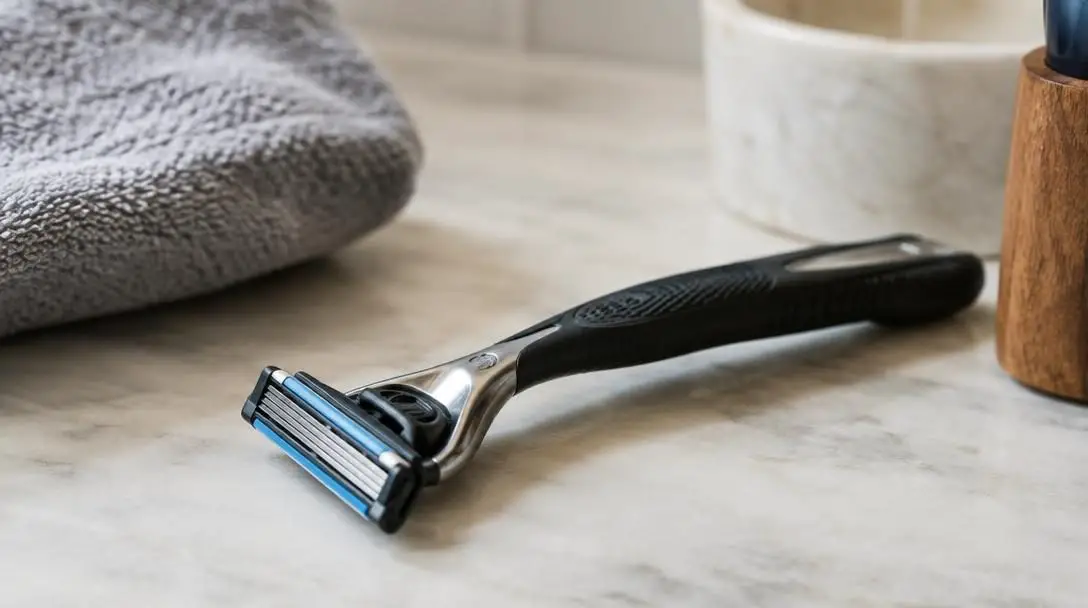
When evaluating blade arrangements, more blades do not equate to a better shave. In multi-blade assemblies, the first blade lifts the hair strand while subsequent blades cut it below the skin line. When four, five, or six blades scrape the same patch of skin in a single stroke, they peel away protective epidermal cells, triggering inflammation and painful razor bumps. Sticking to two or three blades strikes the ideal balance between cutting closeness and skin preservation.
Too many blades can cause razor bumps and irritation, making a lean two- or three-blade setup far gentler on your face.
Modern shaving technology has also introduced active mechanical elements to improve cutting efficiency. Razors equipped with vibrating heads emit subtle micro-oscillations that relax surrounding skin tissue and help align stiff hair follicles. By softening the hair shafts and reducing drag, these gentle vibrations allow sharp steel edges to slice through coarse stubble with substantially less pulling and tugging.
Matching Your Razor to Your Skin Type
Your skin is a living barrier with distinct hydration levels, natural oil concentrations, and vulnerability to external abrasion. Selecting a razor without considering your skin type almost guarantees an uncomfortable shave. The table below outlines how common skin types align with specific razor configurations.
| Skin Type | Recommended Tool | Ideal Blade Count | Key Features to Look For |
|---|---|---|---|
| Sensitive | Straight razor or low-blade safety handle | 1 to 2 blades | High cutting precision, low-friction glide, minimal blade exposure |
| Normal / Oily | Standard cartridge razor | 2 to 3 blades | Pivoting head, open-back rinse channels, non-slip handle |
| Dry | Moisture-enhanced cartridge razor | 2 to 3 blades | Built-in lubricating strips, hydrating gel reservoirs, low friction |
Sensitive Skin
Individuals with sensitive skin must avoid multi-blade cartridge systems whenever possible. The repeated dragging of three, four, or five blades strips away the thin stratum corneum layer, leaving underlying tissue raw, red, and inflamed. A single cutting edge offers the lowest friction, minimizing the physical contact required to sever hair cleanly at the surface without scraping delicate tissue.
Normal and Oily Skin
Normal and oily complexions tolerate multi-blade designs far better than other skin types. Oily skin naturally produces a protective layer of sebum that serves as an internal lubricant, buffering the skin against blade friction and reducing surface abrasion. For these individuals, a two- or three-blade cartridge razor delivers a dependable, clean shave without compromising the skin barrier.
Dry Skin
Dry skin naturally lacks the moisture and lipid balance necessary to maintain suppleness during a shave. When exposed to bare steel, dry skin easily flakes, chaps, and cracks. Razors fitted with lubricating strips help mitigate this vulnerability by depositing soothing agents directly along the cutting path, reducing drag and locking in essential surface hydration.
A Step-by-Step Guide to a Smoother Shave
Even the most advanced razor cannot compensate for poor shaving technique. Establishing a structured, disciplined wet-shaving routine prepares the hair shaft for cutting, protects the skin barrier, and dramatically reduces post-shave discomfort.

- Prepare the skin with warm water: Thoroughly rinse the shaving area with warm water for several minutes before beginning. Heat and moisture soften the keratin proteins in facial hair, significantly reducing the cutting force required to slice through stubborn stubble.
- Apply a rich shaving lather: Coat the target area with a generous layer of quality shaving cream, gel, or soap. A dense lather creates a protective, slick boundary between your skin and the steel, ensuring effortless blade glide and preventing abrasive drag.
- Establish a secure, balanced grip: Hold the razor firmly by its non-slip handle, allowing its built-in weight distribution to rest comfortably in your hand. Avoid pinching the head or gripping the handle too tightly, which leads to erratic, jerky movements.
- Shave in the direction of the grain: Guide the razor along the natural path of your hair growth on your initial pass. Cutting with the grain prevents hair follicles from bending backward awkwardly, dramatically lowering the risk of razor burn and ingrown hairs.
- Let the weight of the razor do the work: Maintain a gentle touch and avoid pressing down into your skin. Forcing the blade inward creates valleys in your tissue, ensuring uneven contact and causing unnecessary nicks, cuts, and irritation.
- Rinse the blade assembly frequently: Swish the razor head in clean water after every few strokes. Clearing out trapped stubble, skin flakes, and lather keeps the cutting edges fully exposed and operating at peak efficiency.
- Seal the skin with a cool water rinse: Once your shave is complete, wash away all remaining lather with cool water. The drop in temperature soothes irritated nerve endings and cools freshly shaved tissue.
Common Shaving Mistakes That Ruin Your Skin
Most post-shave discomfort stems from incorrect habits rather than unchangeable dermatological conditions. Correcting these frequent errors will instantly improve your shaving results.
- Believing that more blades guarantee better results: Packing high numbers of blades into a single cartridge dramatically increases friction, stripping surface cells and causing painful razor bumps. Limiting your razor to two or three blades keeps friction manageable.
- Applying excessive downward pressure: Bearing down hard on the razor handle is the primary cause of cuts and razor burn. Modern blades are sharp enough to sever hair on light contact; extra force only gouges your skin.
- Dry shaving without adequate lubrication: Running steel over dry or under-lubricated skin creates intense drag. The blade catches on dry hair shafts and tears them out rather than slicing cleanly, causing severe irritation.
- Ignoring handle ergonomics: Shaving with a handle that feels too small, too large, or dangerously slippery undermines your control, leading to accidental slips and uneven passes around facial contours.
- Using dull blades past their prime: Clinging to worn-out blades forces you to exert extra pressure to cut hair. Dull edges pull, scrape, and tear, leading directly to folliculitis and bleeding.
Hygiene, Storage, and Maintenance for Longevity
A precision razor is an investment in personal comfort that requires proper hygiene and storage. Neglecting your tool ruins its cutting performance and transforms it into a breeding ground for microorganisms.
Moisture is the primary enemy of sharp steel. Storing your razor inside a humid shower stall or on a damp sink ledge accelerates metal oxidation and degrades lubricating strips. Always store your razor in a dry, ventilated environment where air can circulate freely around the head, allowing the steel edges to dry completely between uses.
Regular blade replacement is equally critical for healthy skin. As steel edges slice through coarse hair, microscopic imperfections develop along the bevel. These dull spots cannot cut cleanly, leading to skin tugging and micro-tears. Change your disposable blades or cartridges frequently to ensure every pass requires minimal effort. Finally, thoroughly rinse the head under running water after every session to wash away trapped hair, dead skin cells, and soap scum, eliminating the organic debris that fuels bacterial growth and folliculitis.
Your razor should function as part of an interconnected grooming system. For comprehensive skin health, support your razor by applying pre-shave oils to soften tough stubble and finishing with alcohol-free post-shave balms that restore lost moisture without stinging. Be mindful of seasonal shifts as well: dry winter air may require you to drop down to fewer blades or seek out richer lubricating strips to maintain comfort throughout the year.
Frequently asked questions
Why do cartridge razors irritate sensitive skin?
Cartridge razors frequently irritate sensitive skin because their multiple blades pass over the exact same patch of tissue in rapid succession. This repeated scraping strips away protective skin cells, traps debris within the tight plastic housing, and generates excessive friction that results in redness and inflammation.
How many blades should my razor have for a safe shave?
For most people, a razor with two or three blades is ideal. Sticking to two or three blades provides a close, efficient cut without the severe friction, follicle irritation, and razor bumps commonly caused by four- or five-blade cartridges.
Does handle size really affect the quality of a shave?
Yes. Handle length and thickness determine how balance and leverage are transferred from your hand to the cutting edge. Larger hands require longer handles for stable grip distribution, while smaller hands benefit from shorter handles that maneuver easily around tight facial contours.
How do vibrating razor heads improve cutting performance?
Vibrating razor heads emit rapid micro-oscillations that relax the surrounding skin and help align stubborn hair shafts. This subtle movement softens the hairs and reduces cutting resistance, allowing blades to glide cleanly with less pulling and friction.
Where is the best place to store a razor between uses?
A razor should always be stored in a dry, well-ventilated area outside the shower stall. Keeping it away from steam and standing water prevents blade oxidation, preserves lubricating strips, and stops bacteria from colonizing the head.
The bottom line
Achieving a closer, smoother shave does not require chasing the latest multi-blade gadget or purchasing expensive novelty products. Instead, success depends on understanding your skin type, selecting an ergonomic handle that fits your hand, and respecting the cutting mechanics of sharp steel. By choosing a razor with an appropriate blade count, maintaining a clean and dry tool, and shaving with proper technique, you can eliminate painful irritation and enjoy consistently smooth grooming.